Artwork
Miss Foote
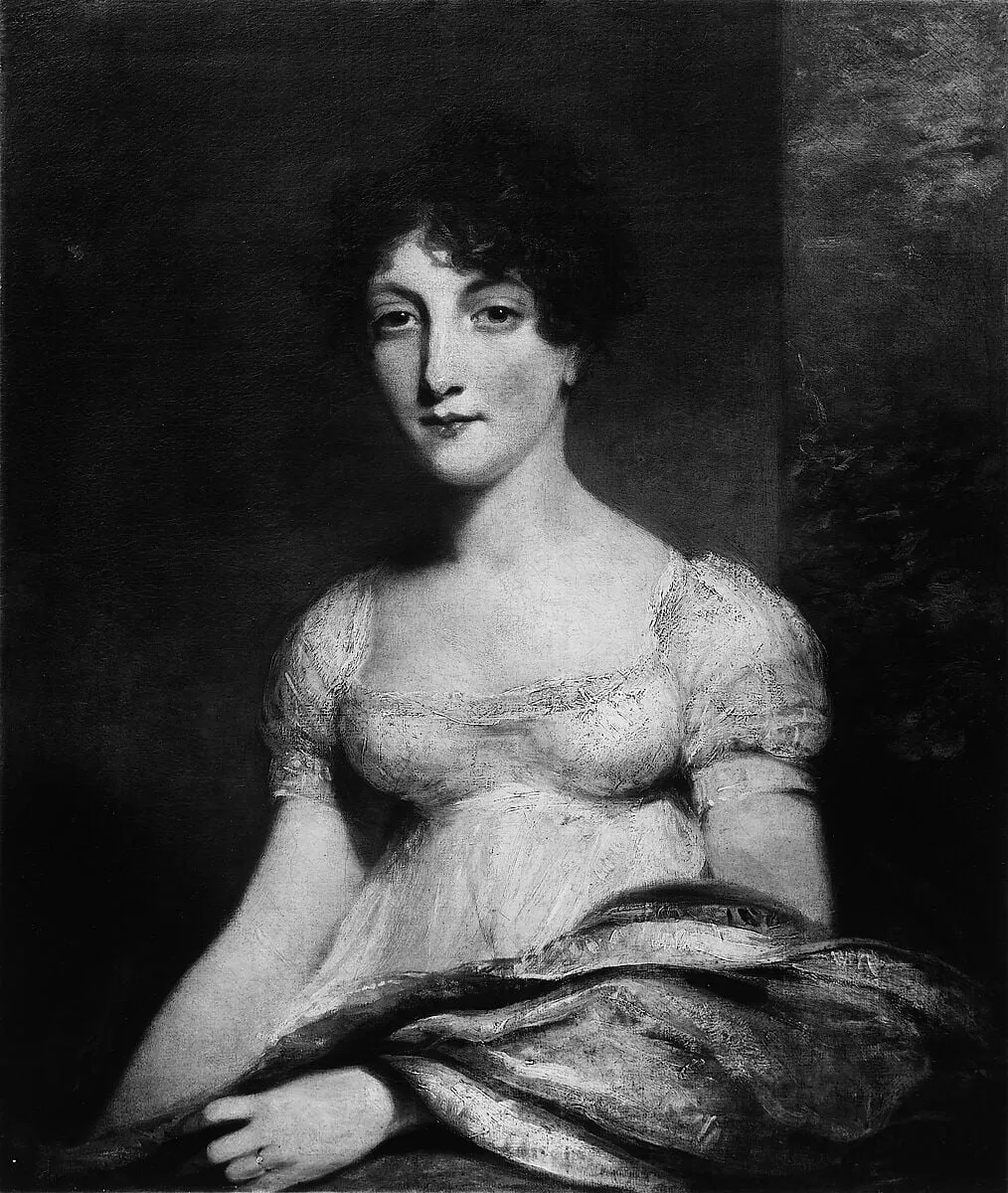
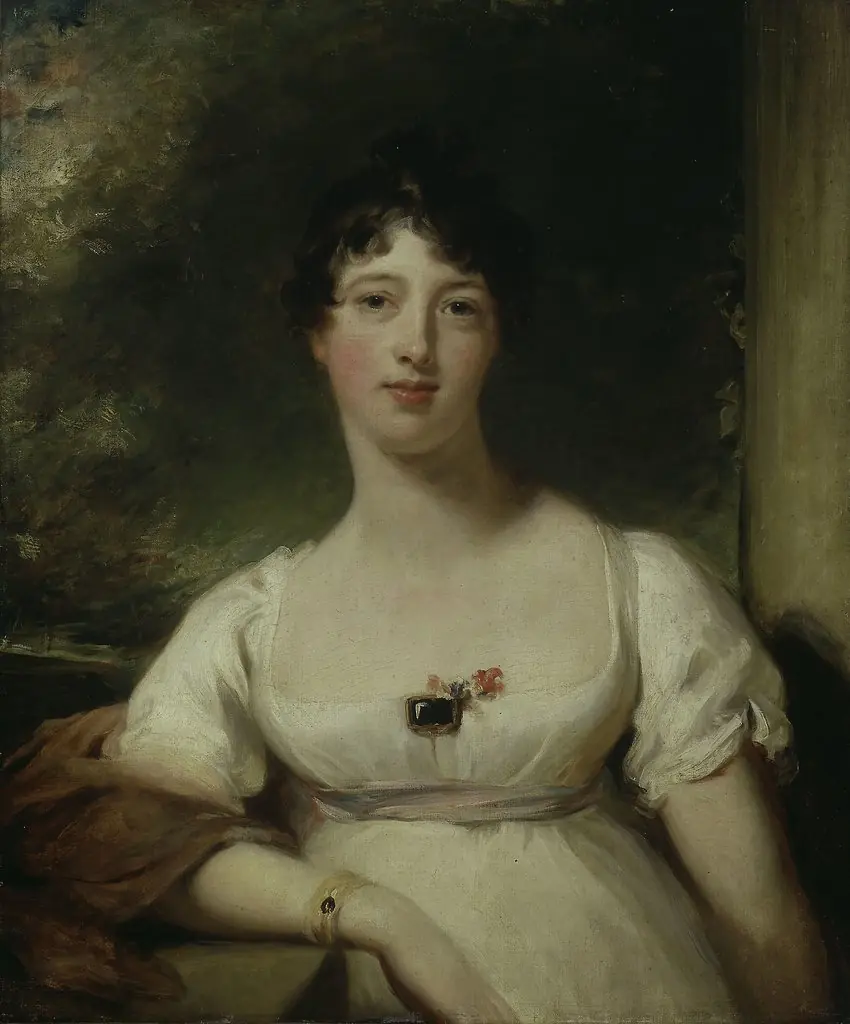
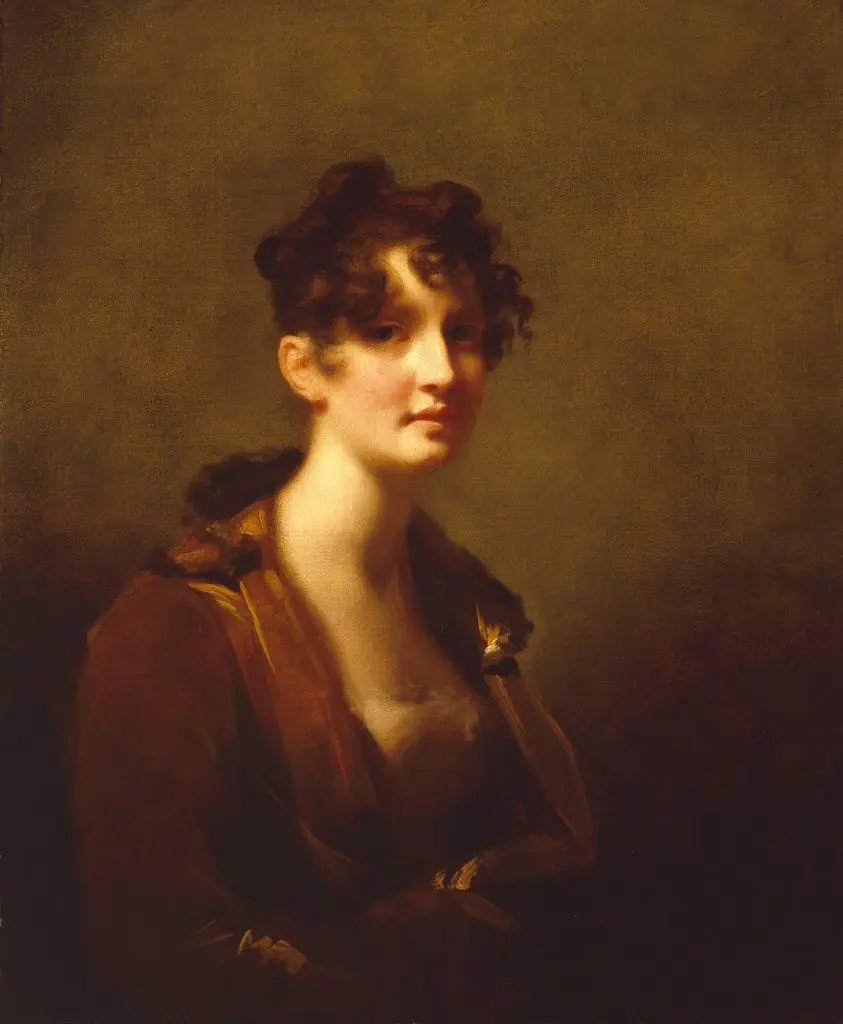
Miss Foote is an oil painting. It dates from 1850 and is held in the collection of the Metropolitan Museum of Art.
About this work
The artist used thin layers of paint to soften her skin, a trick that was common before cameras took over.
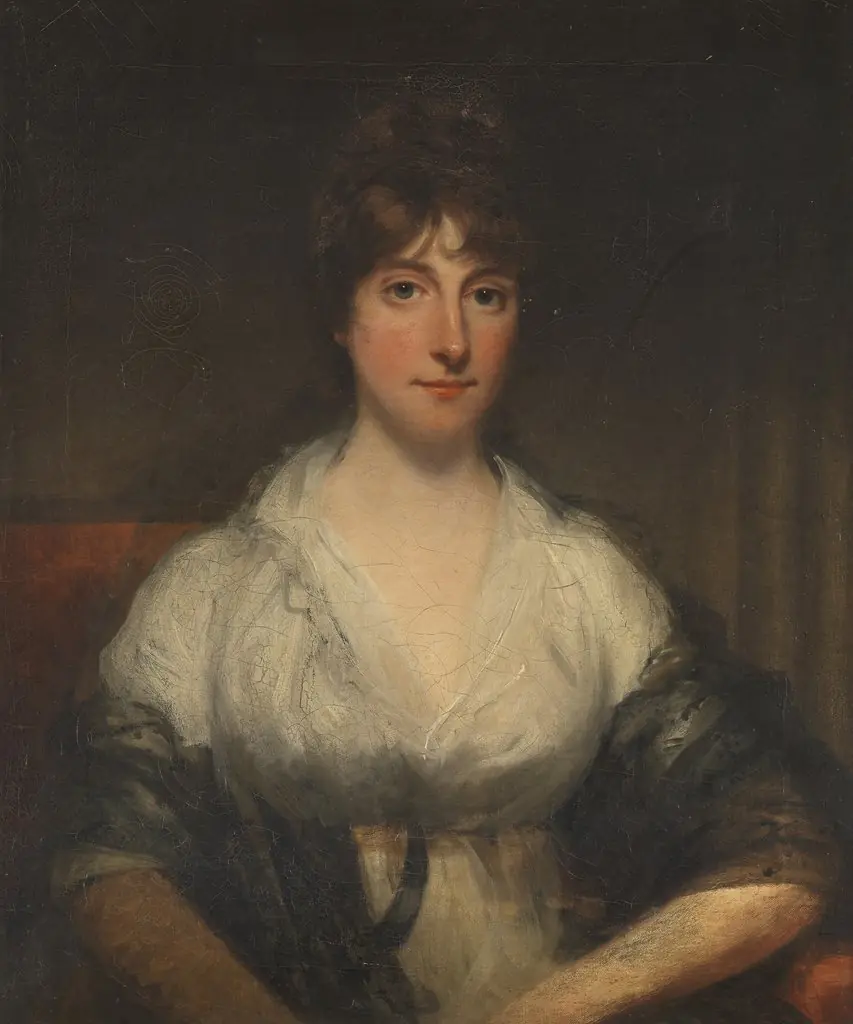
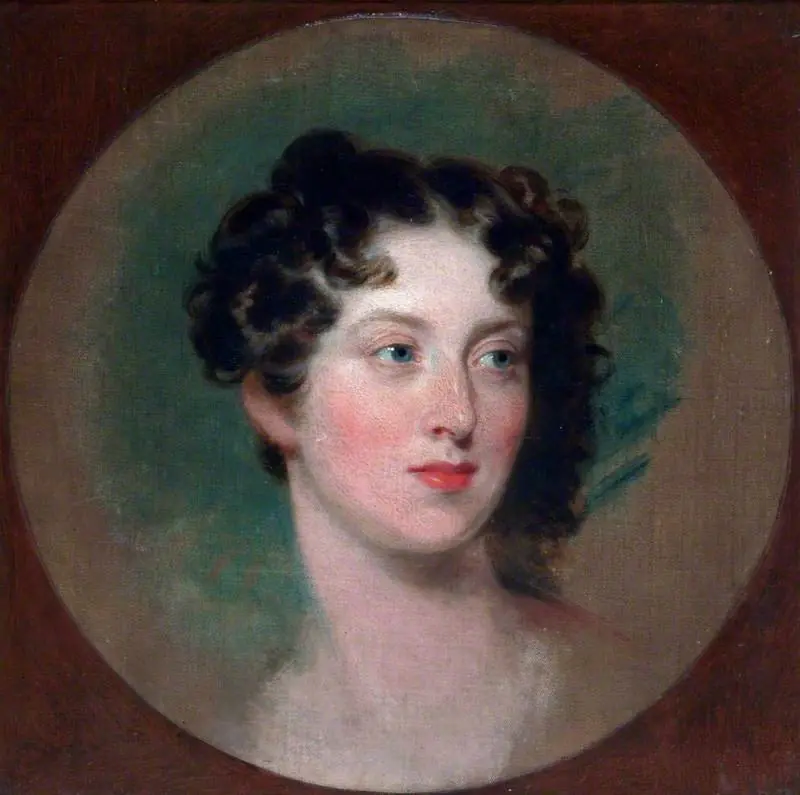
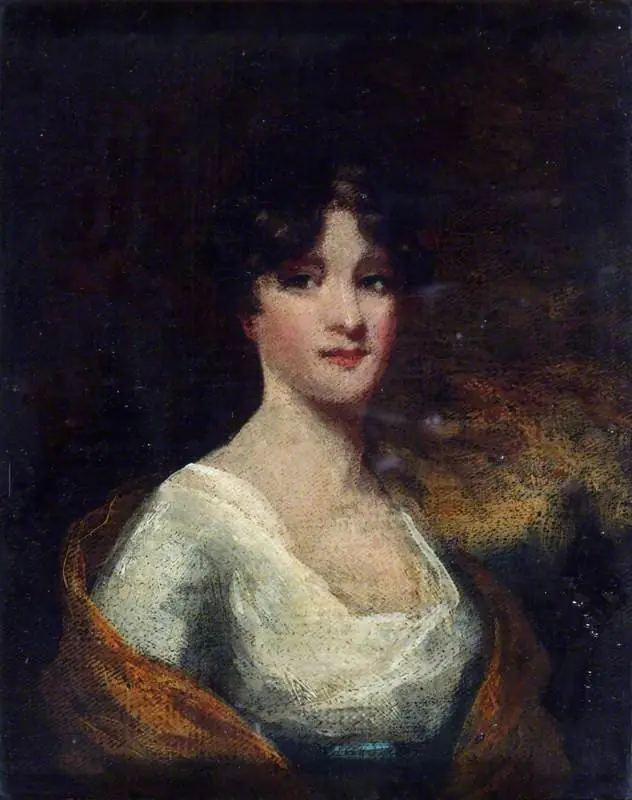
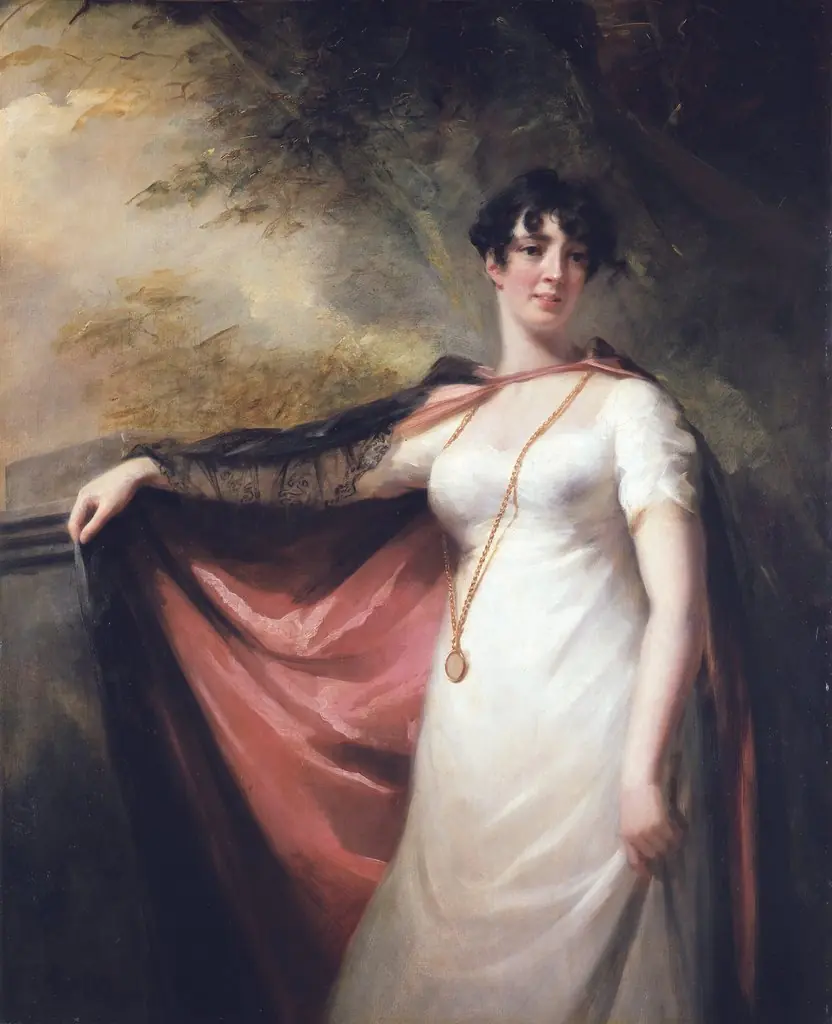
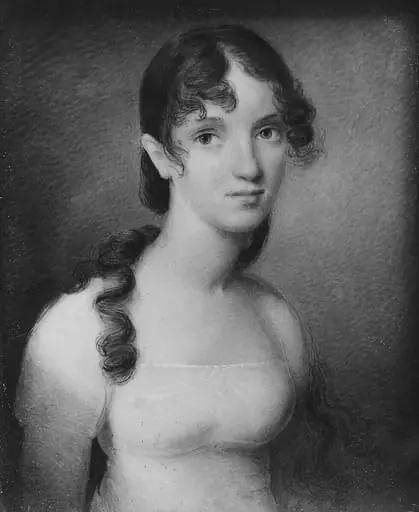
A young woman in a dark dress sits in a chair, holding a book. Her hair is pulled back, and she looks straight at you.
This portrait was probably made in New York around 1850, but no one knows who painted it, or who she was. The artist used thin layers of paint to soften her skin, a trick that was common before cameras took over. The plain background keeps the focus on her face.
If you like this quiet style, look up the subject portraits.
Technique & Style
Miss Foote is an anonymous oil-on-canvas portrait executed circa 1850. The work employs oil paint applied to a canvas support, a standard medium for American portraiture of the mid-nineteenth century. Physically, the painting measures 76.2 centimeters in height and 63.5 centimeters in width.
As a classified piece within the American Wing, the artwork presents a formal depiction of a woman, adhering to the genre conventions of the era. The surface and handling reflect the techniques typical of an unknown artist working during this period, focusing on the representation of the sitter without specific attribution to a named master.
History & Provenance
Miss Foote, an 1850 oil-on-canvas portrait of an unidentified woman, is held in the collection of the Metropolitan Museum of Art, where it is classified within the institution's American Wing. The work measures 76.2 by 63.5 centimeters. No accession number, credit line, or specific acquisition details are recorded in the available sources.
Likewise, no exhibition history, loan records, or prior display venues have been documented for this painting. The available documentation establishes only its present institutional custody and curatorial classification.
Overview
This oil on canvas, titled Miss Foote, presents a young woman seated, holding a book. Created around 1850, likely in New York, the portrait's artist and the identity of its subject remain unconfirmed. The artwork is characterized by its quiet intensity, drawing the viewer's attention to the sitter's direct gaze and composed demeanor. It exemplifies a common style of portraiture from the mid-19th century.
Subject & Meaning
The painting depicts a woman in a dark dress, her hair neatly styled and pulled back. She holds a book, suggesting education or contemplation, and engages the viewer with a direct, steady gaze. This presentation, combined with the absence of distracting elements, emphasizes her individual presence and character.
The portrait offers a glimpse into the social conventions and personal expressions of the period, despite the anonymity of the sitter.
Artist & collection