Artwork
Anna Maria Dashwood, later Marchioness of Ely
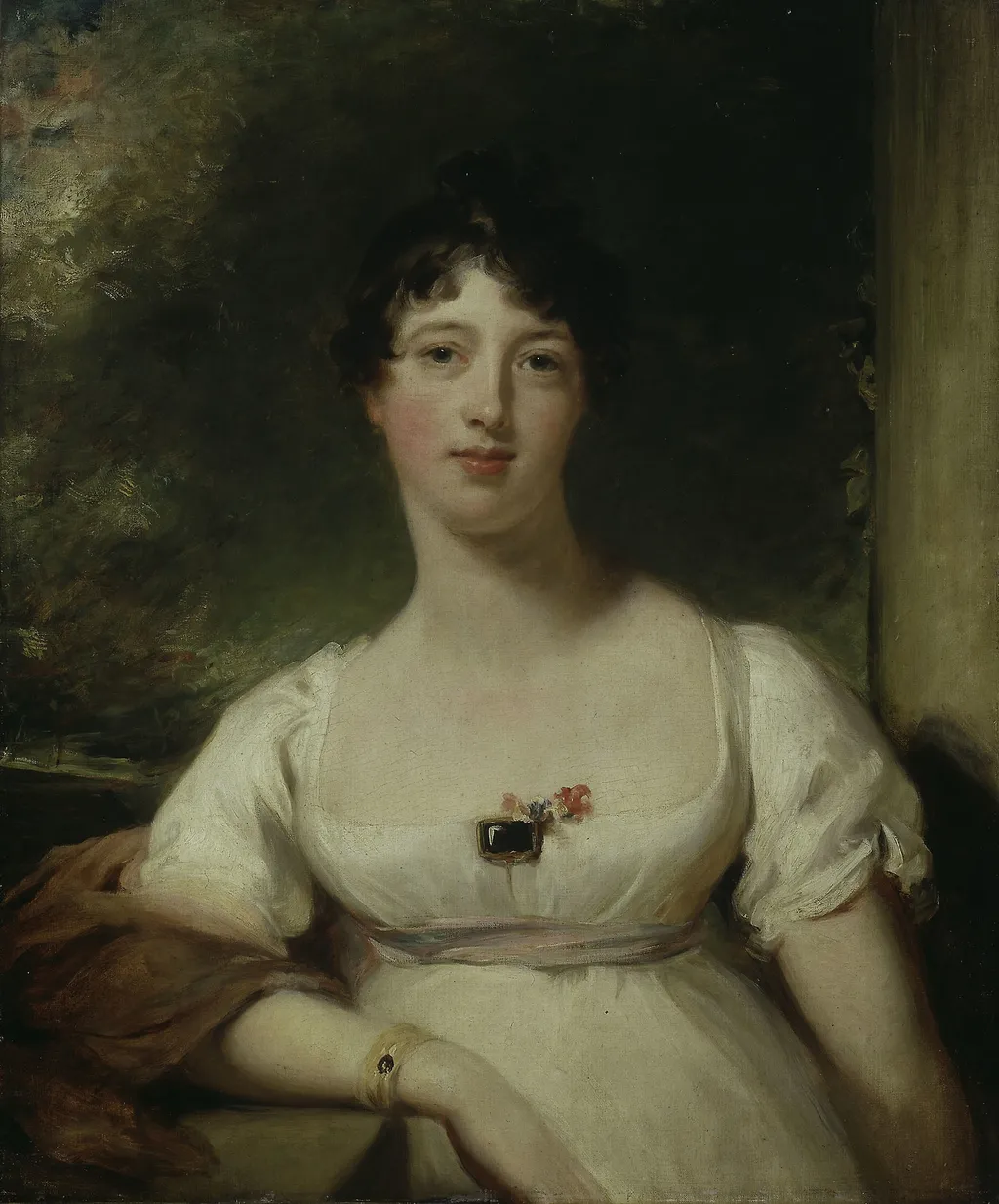
Anna Maria Dashwood, later Marchioness of Ely is an oil painting by the British Romanticist artist Thomas Lawrence. It dates from 1805 and is held in the collection of the Art Institute of Chicago.
About this work
Overview
5 centimeters, the painting exemplifies the Romantic portraiture that established Lawrence as the most fashionable portraitist of his generation.
Anna Maria Dashwood, later Marchioness of Ely is an oil on canvas portrait painted by Thomas Lawrence in 1805. The artwork is a half-length depiction of a young aristocratic woman from the distinguished Dashwood family of Buckinghamshire. Measuring 78.1 by 65.5 centimeters, the painting exemplifies the Romantic portraiture that established Lawrence as the most fashionable portraitist of his generation. The work is currently held in the collection of the Art Institute of Chicago.
Subject & Meaning
The portrait depicts Anna Maria Dashwood, who would later become the Marchioness of Ely through her marriage to John Loftus, the 2nd Marquess of Ely. Lawrence imbues his subject with a romantic warmth that transcends mere social presentation, suggesting an inner life of feeling and quiet introspection. Her steady gaze and gently inclined head convey composure, intelligence, and understated dignity. The Dashwood connection provided the portrait with considerable social distinction, while Lawrence's sympathetic engagement with his sitter allowed him to capture a sense of romantic aspiration that his aristocratic clients highly valued.
Technique & Style
Lawrence executed the portrait with the technical brilliance and virtuoso handling of paint for which he was celebrated. The composition features a restrained palette of whites, creams, warm browns, and muted greens. Anna Maria wears a white empire-waist gown with short, puffed sleeves, a pale sash, and a brown fur or fabric wrap draped over her left arm. A dark rectangular brooch with small colored stones rests at her chest, and a gold bracelet with a dark stone encircles her wrist. Her dark hair is piled high with naturalistic, flowing curls, a departure from the formal arrangements of earlier portraitists like Joshua Reynolds. Lawrence's brushwork is smooth and blended on the flesh, creating luminous modeling and striking depth in the eyes, while broader, more visible strokes dissolve the background into warm, painterly suggestion. Soft light falls on her face, neck, and dress, highlighting the contours of her features against the shadowed, ambiguous surroundings.
History & Provenance
Painted circa 1805, the portrait presumably passed to John Loftus, 2nd Marquess of Ely, the sitter's husband, and descended to John Henry Loftus, 5th Marquess of Ely. The 5th Marquess sold it at Christie's in London on July 25, 1891, lot 68, to Thomas Agnew and Sons for 241 pounds and 10 shillings. Agnew's sold it to T. H. Ismay on June 2, 1892, but Ismay returned it almost immediately in July 1892. The firm then sold the painting to R. Hall McCormick of Chicago on September 20, 1892. Following McCormick's death, his estate sold the work at American Art Galleries in New York on April 15, 1920, lot 62, for $18,000 to an agent named Seaman. Alice H. Brown, formerly Mrs. Cyrus McCormick II, subsequently owned the painting. Upon her death in 1950, it was given from her estate to the Art Institute of Chicago in 1951. During its history, the painting was exhibited in Boston in 1896 and 1900, and in Pittsburgh and Chicago in the late 1890s and early 1900s.
Context
Thomas Lawrence was a leading English portrait painter and the fourth president of the Royal Academy. A child prodigy who supported his family with pastel portraits by age ten, Lawrence moved to London at eighteen and quickly mastered oil painting. He received his first royal commission in 1790 and remained at the apex of his profession until his death in 1830, becoming the preeminent Romantic portraitist of the Regency. In this 1805 portrait, Lawrence's ability to capture a likeness and suggest the inner emotional life of his sitters is fully realized. The painting is documented in Kenneth Garlick's comprehensive 1989 catalogue of Lawrence's oil paintings, solidifying its place within the artist's recognized corpus of major works.
Legacy
The portrait of Anna Maria Dashwood stands as a significant example of Lawrence's mature Regency style, demonstrating the romantic warmth and atmospheric handling that defined his most sought-after works. Although Lawrence's reputation waned during the Victorian era, it has since been partially restored, and works such as this portrait underscore his exceptional ability to convey the inner life of his sitters. The painting's journey from the British aristocracy to American industrial collectors and ultimately to a major civic museum illustrates the transatlantic migration of British art in the late nineteenth and early twentieth centuries. Its continued presence in the Art Institute of Chicago ensures its ongoing study and appreciation within the canon of British portraiture.
Own this work as a print
Artist & collection
Artist
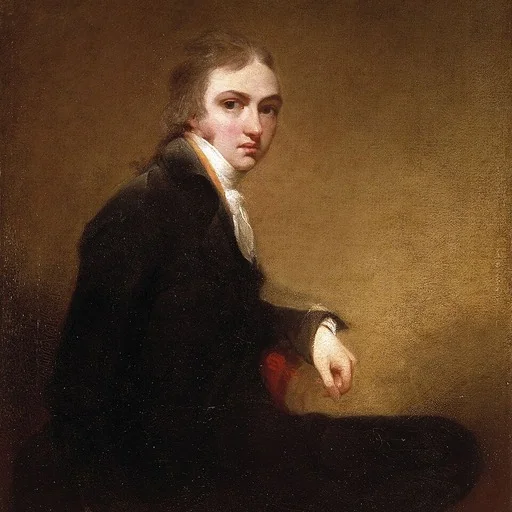
Sir Thomas Lawrence (13 April 1769 – 7 January 1830) was an English painter who served as the fourth president of the Royal Academy.

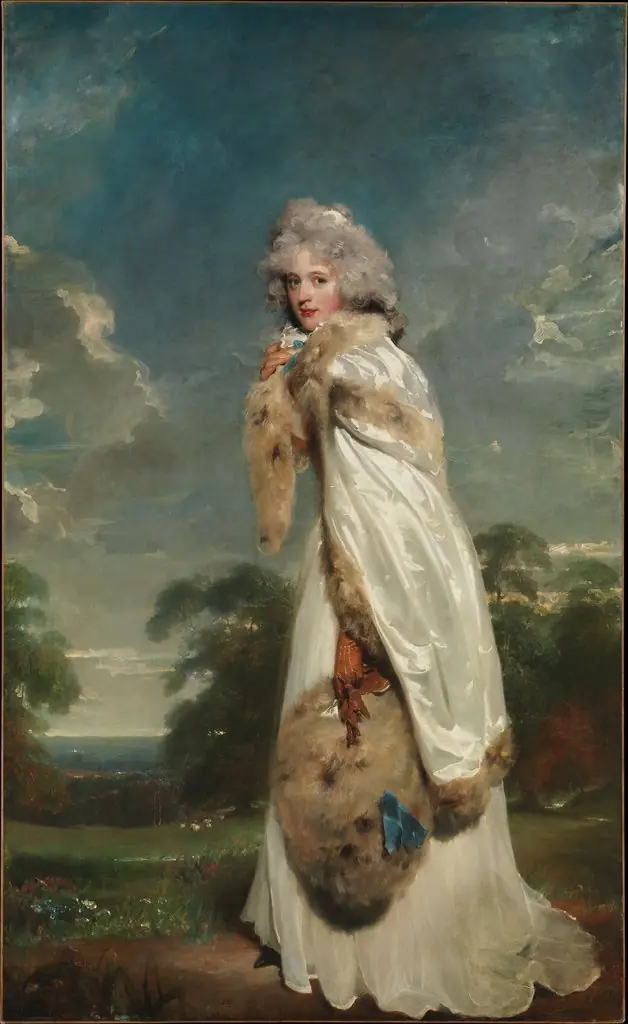 Elizabeth Farren (born about 1759, died 1829), Later Countess of Derby
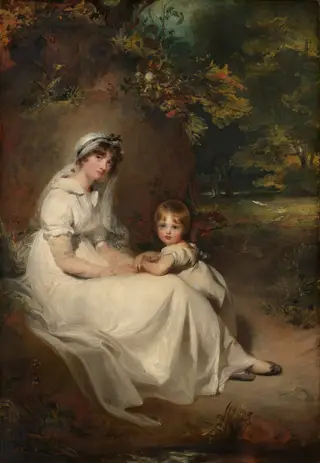 Lady Mary Templetown and Her Eldest Son
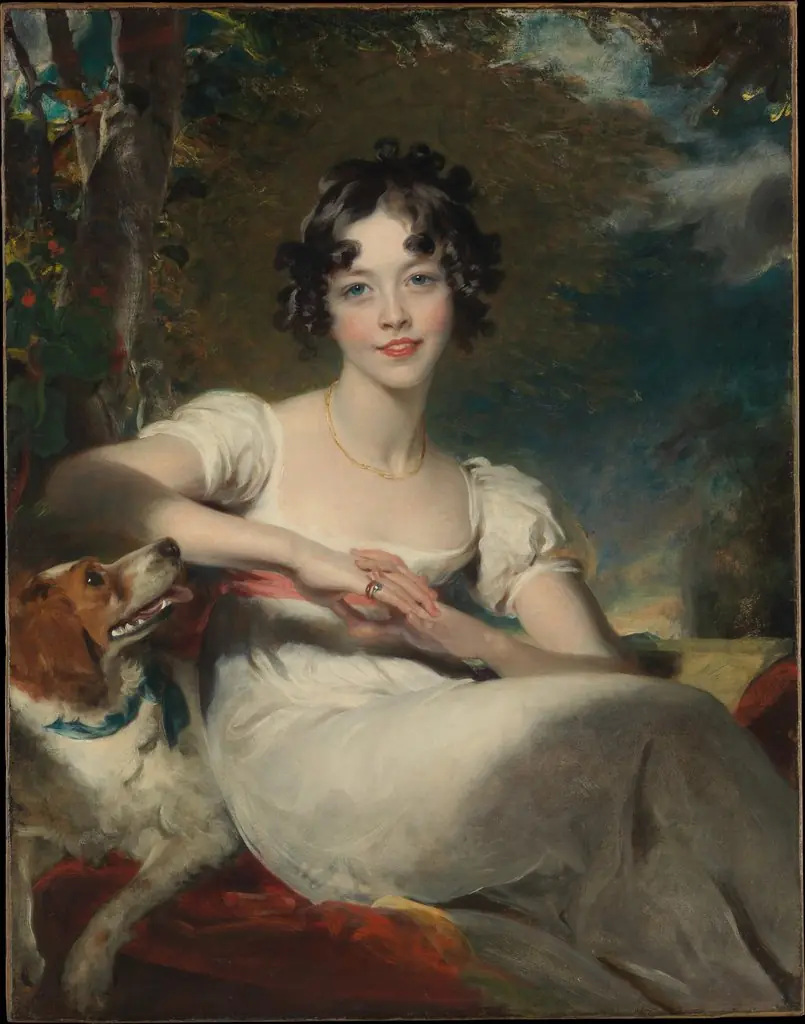 Lady Maria Conyngham (died 1843)
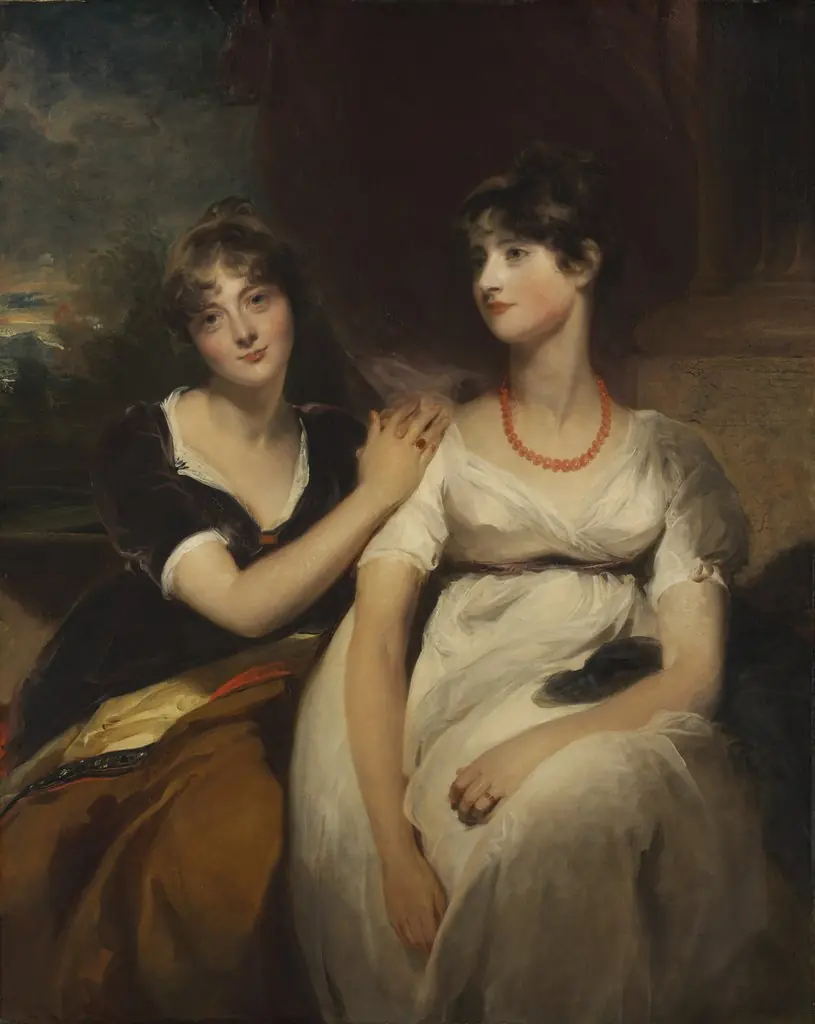 Portrait of Charlotte and Sarah Carteret-Hardy
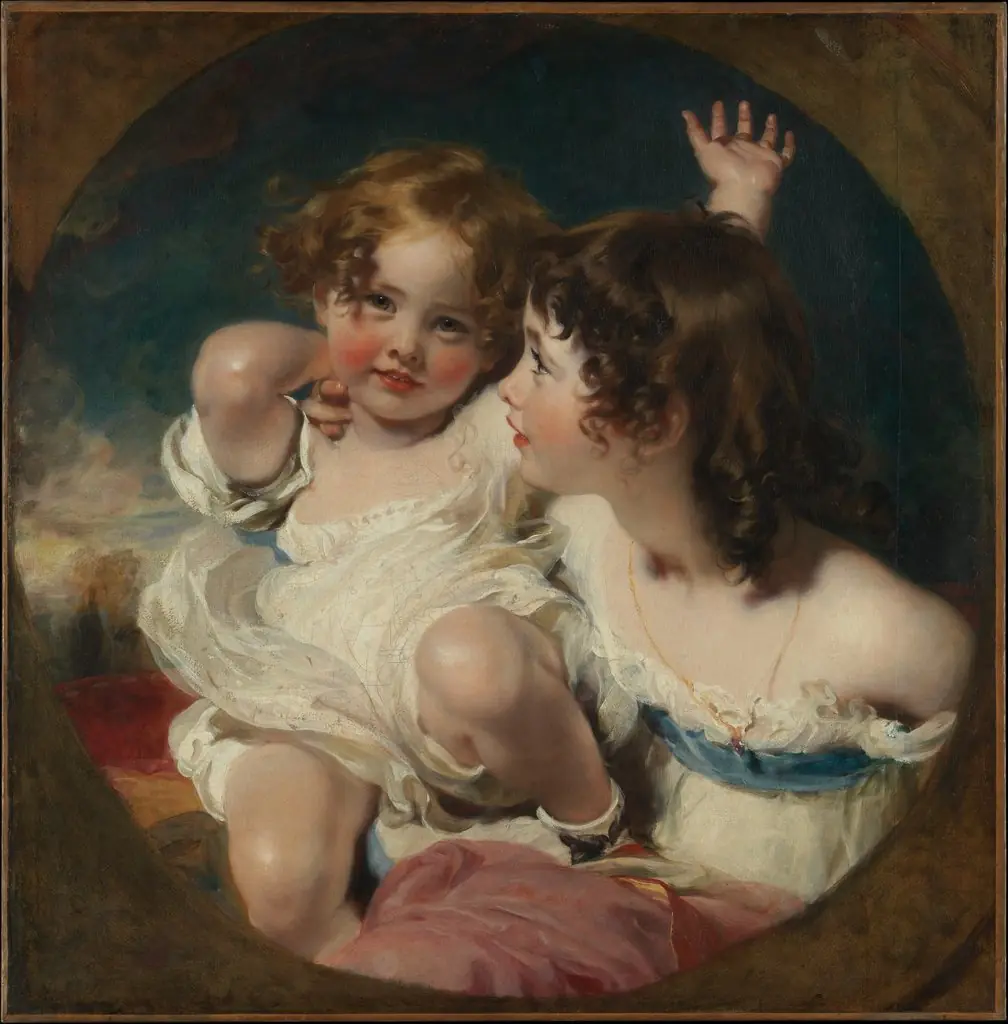 The Calmady Children (Emily, 1818–?1906, and Laura Anne, 1820–1894)
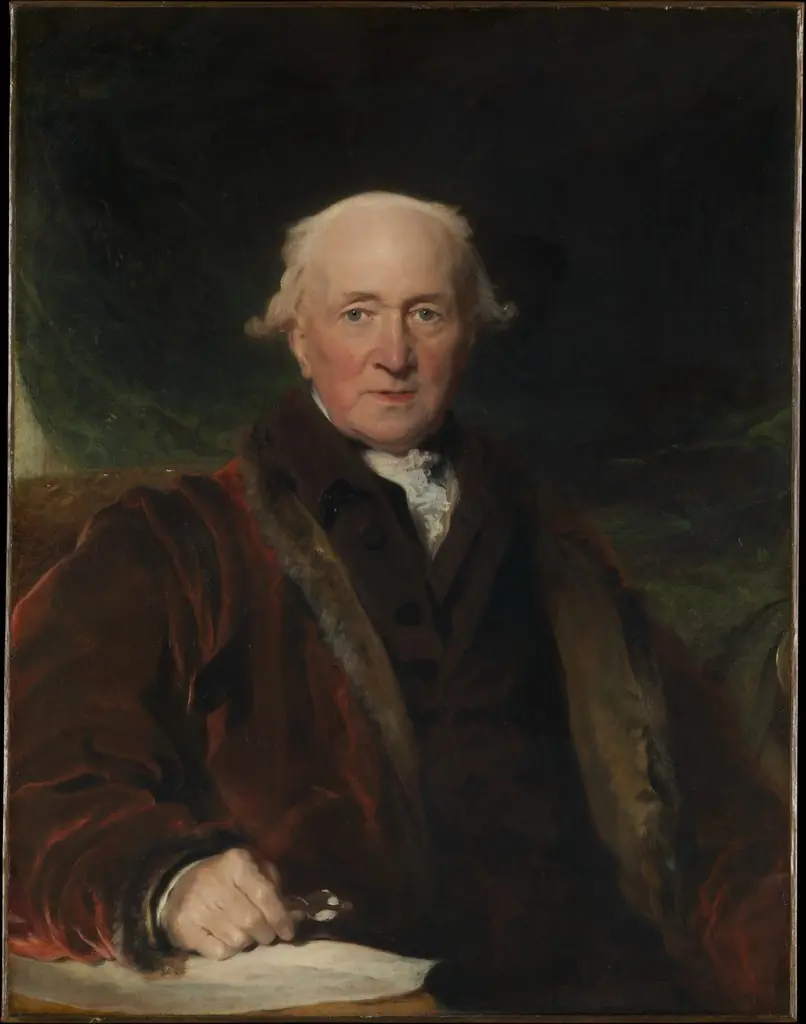 John Julius Angerstein (1736–1823)
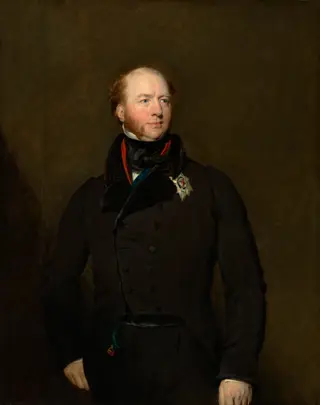 Francis Charles Seymour-Conway, 3rd Marquess of Hertford
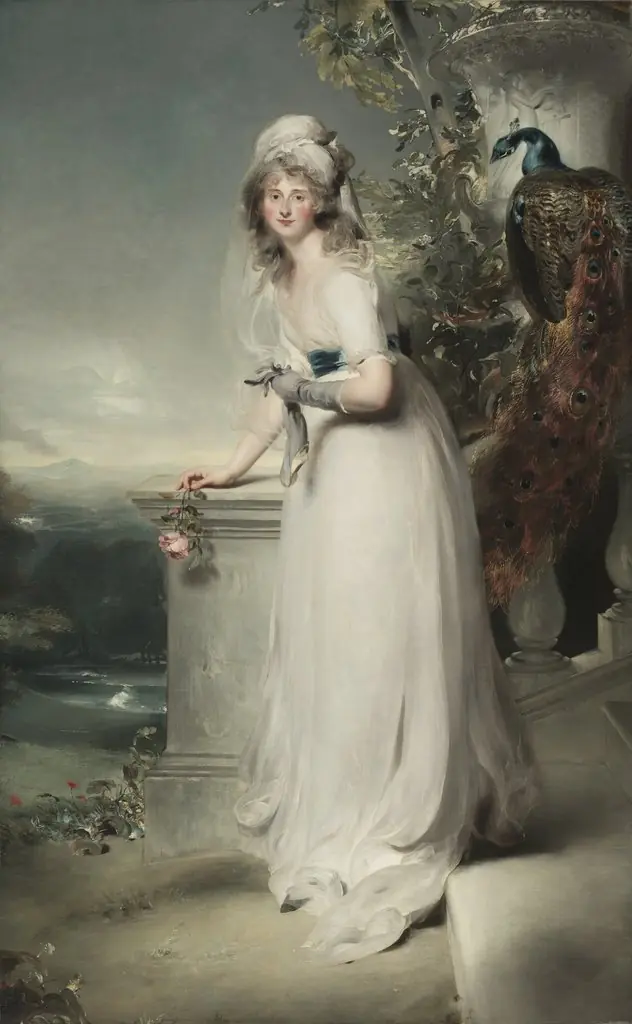 Portrait of Catherine Grey, Lady Manners
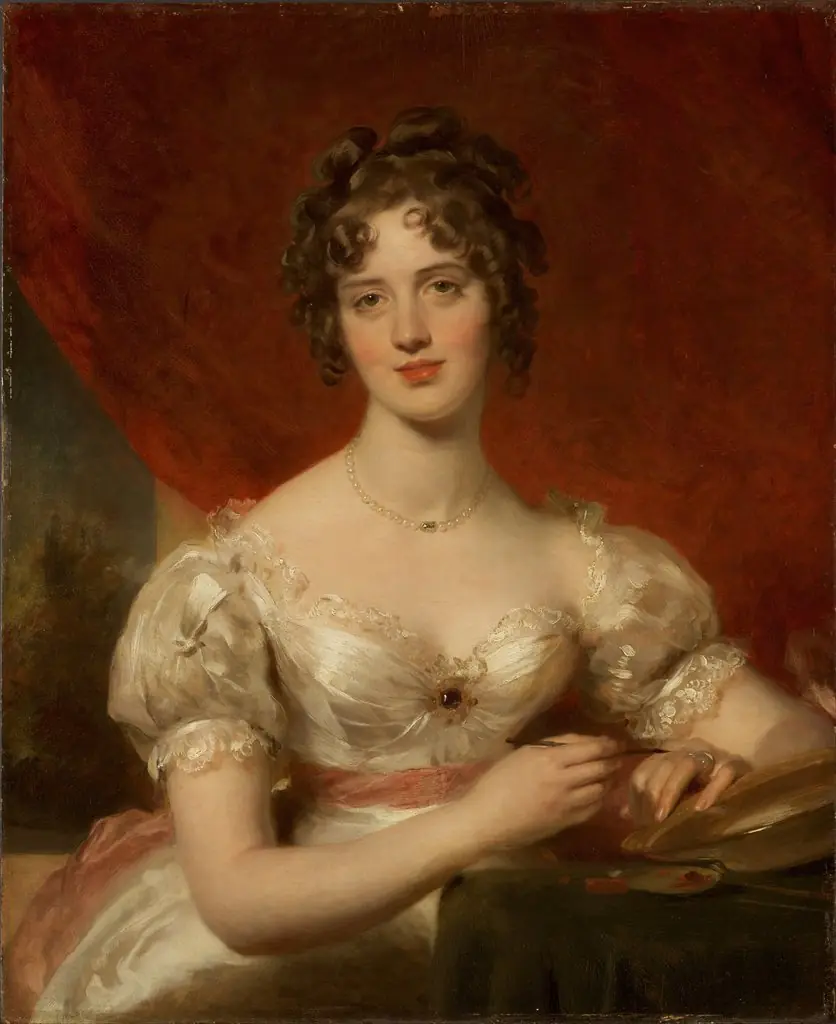 Portrait of Mary Anne Bloxam (later Mrs. Frederick H. Hemming)
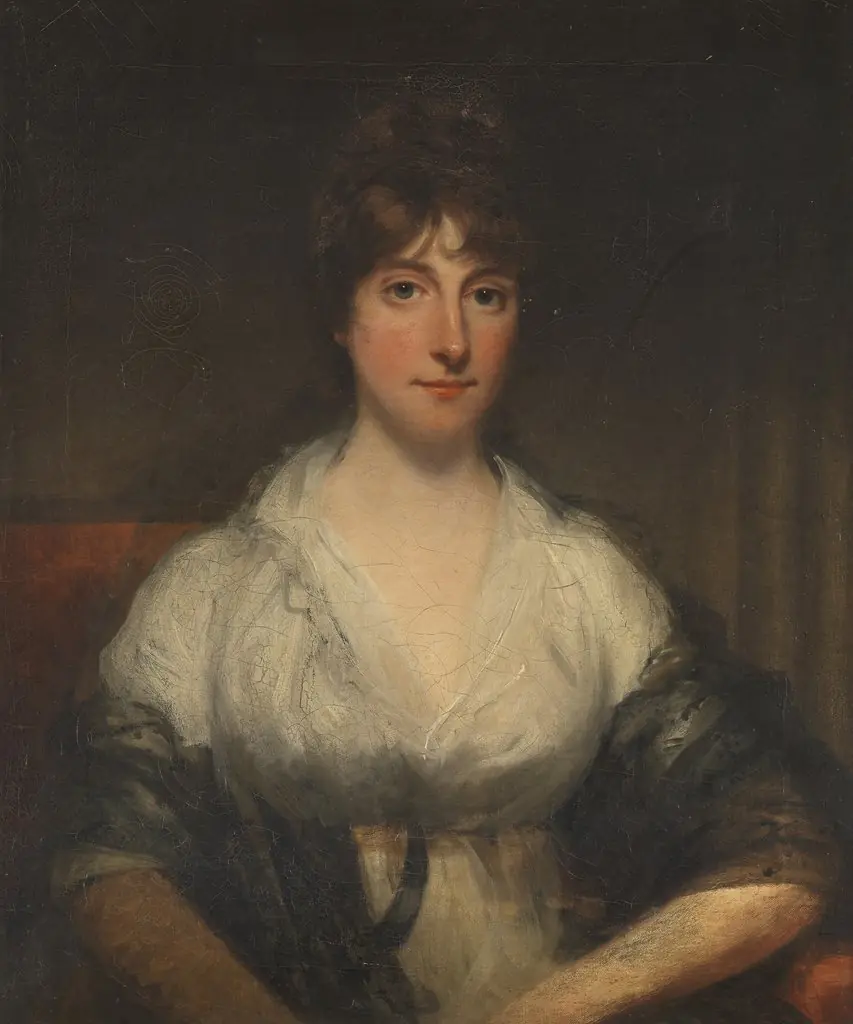 Mrs. Thornton
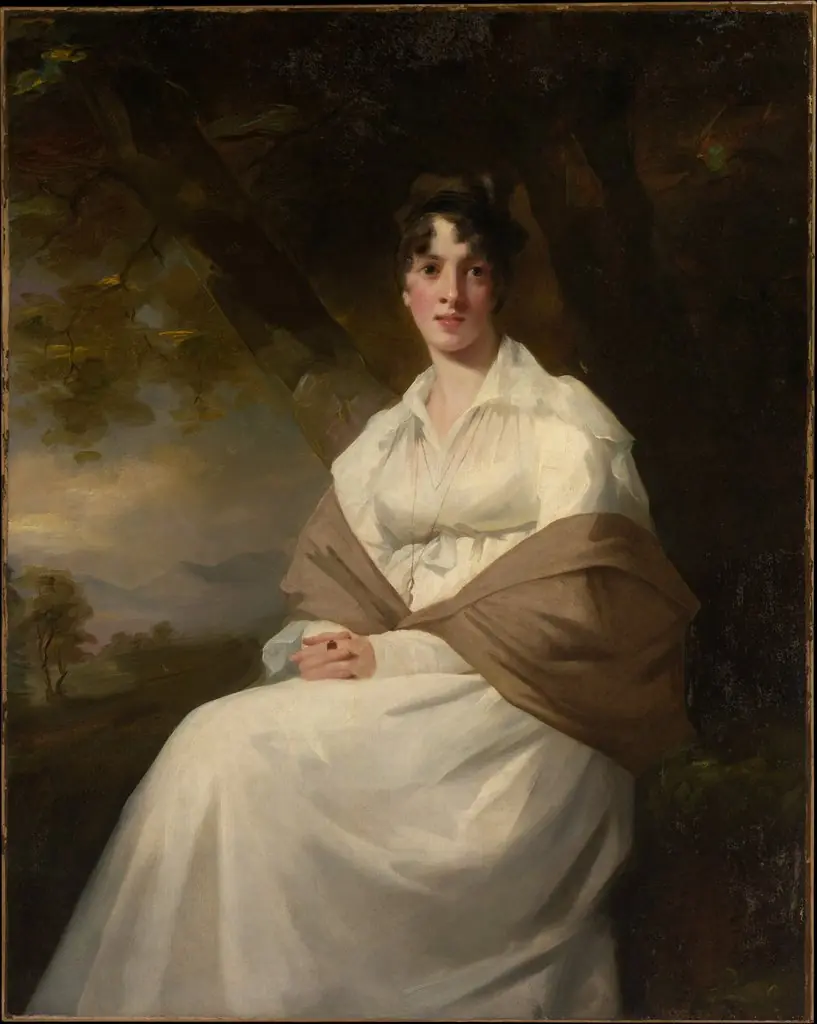 Lady Maitland (Catherine Connor, died 1865)
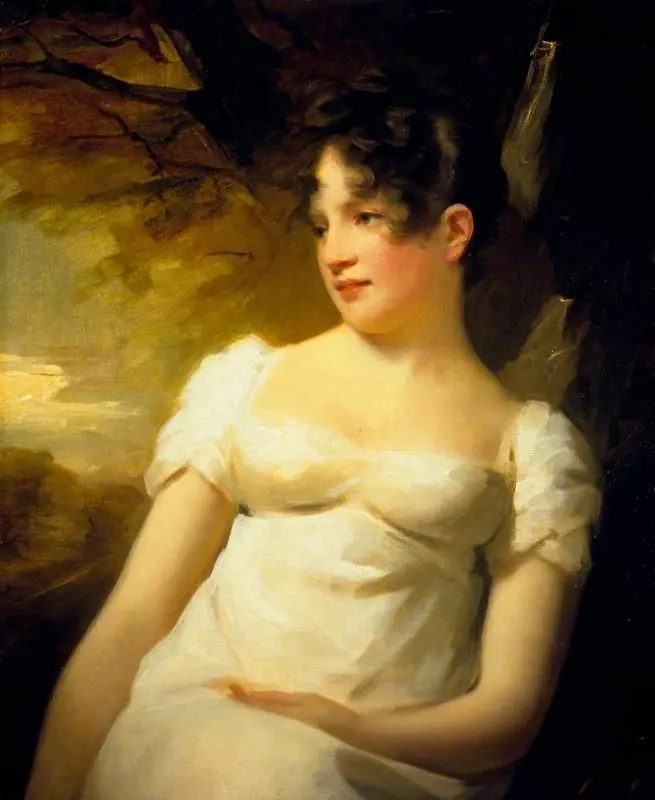 Miss Lamont of Greenock
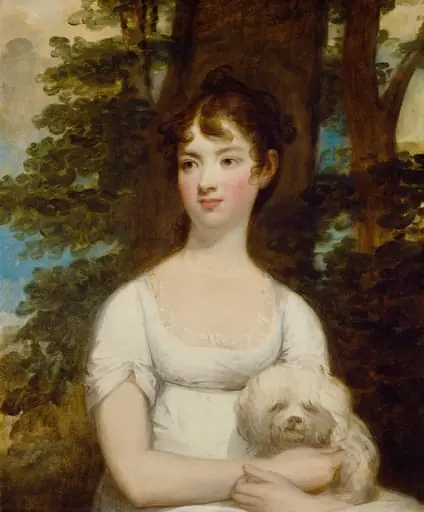 Mary Barry
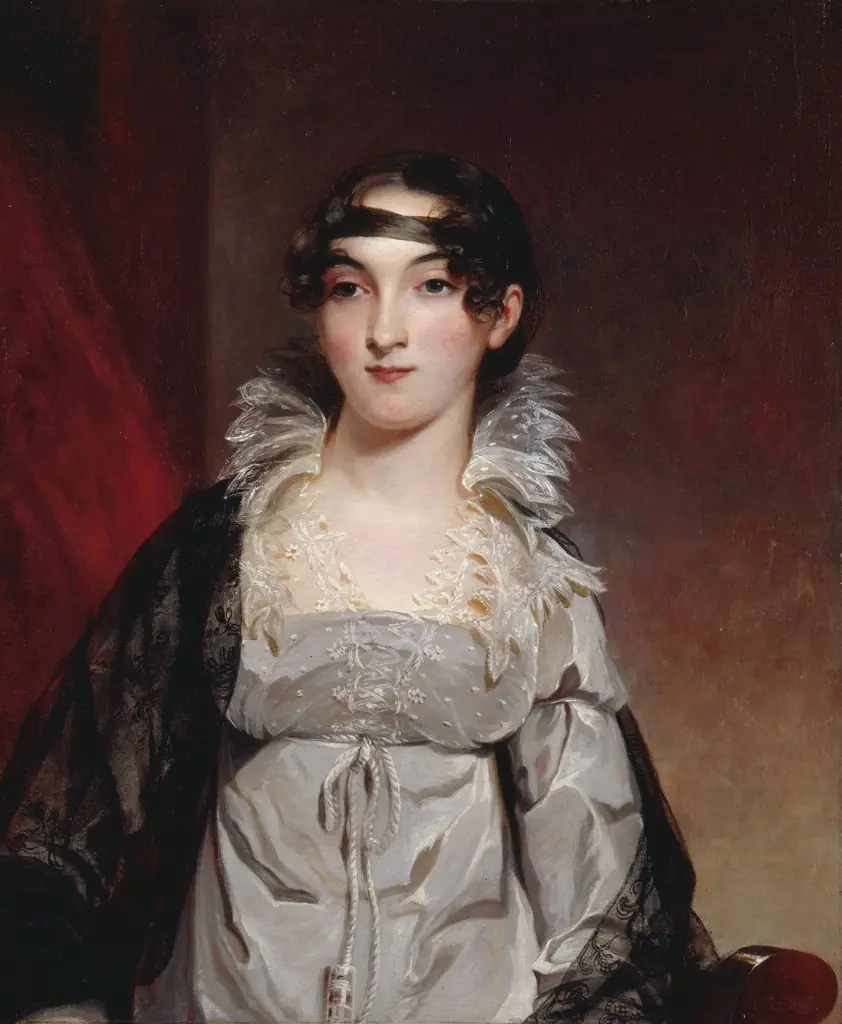 Mrs. Edward Hudson
 Miss Foote
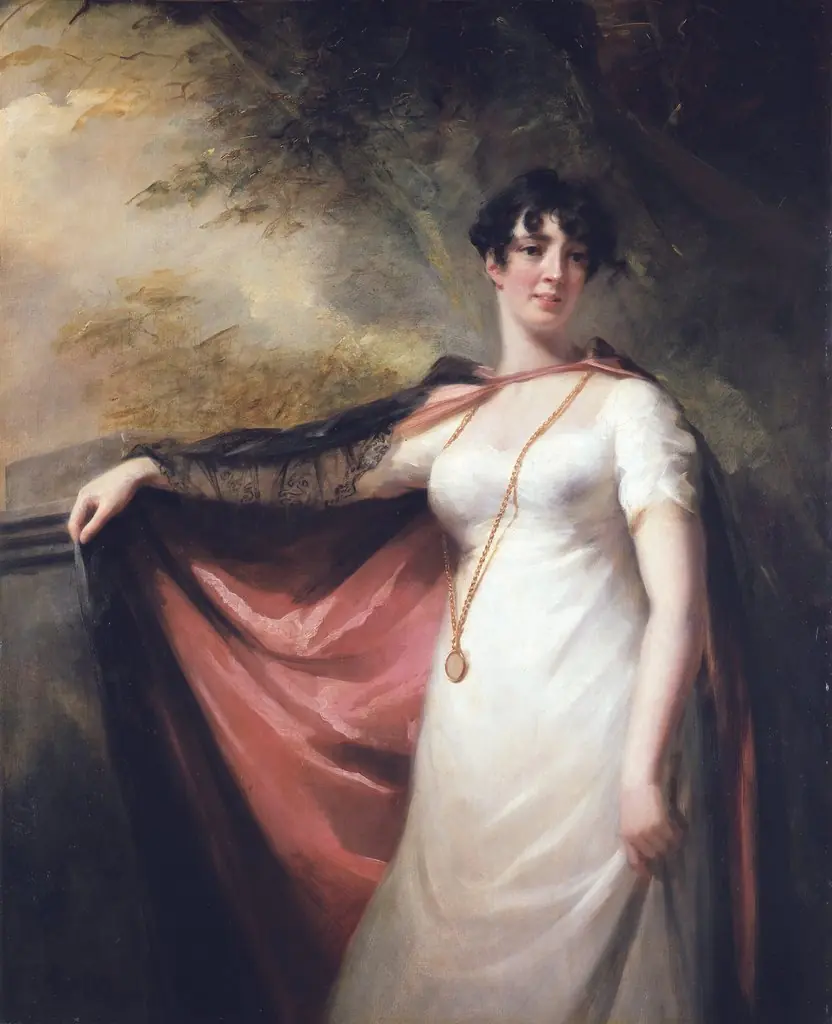 Mrs. Anne Hart
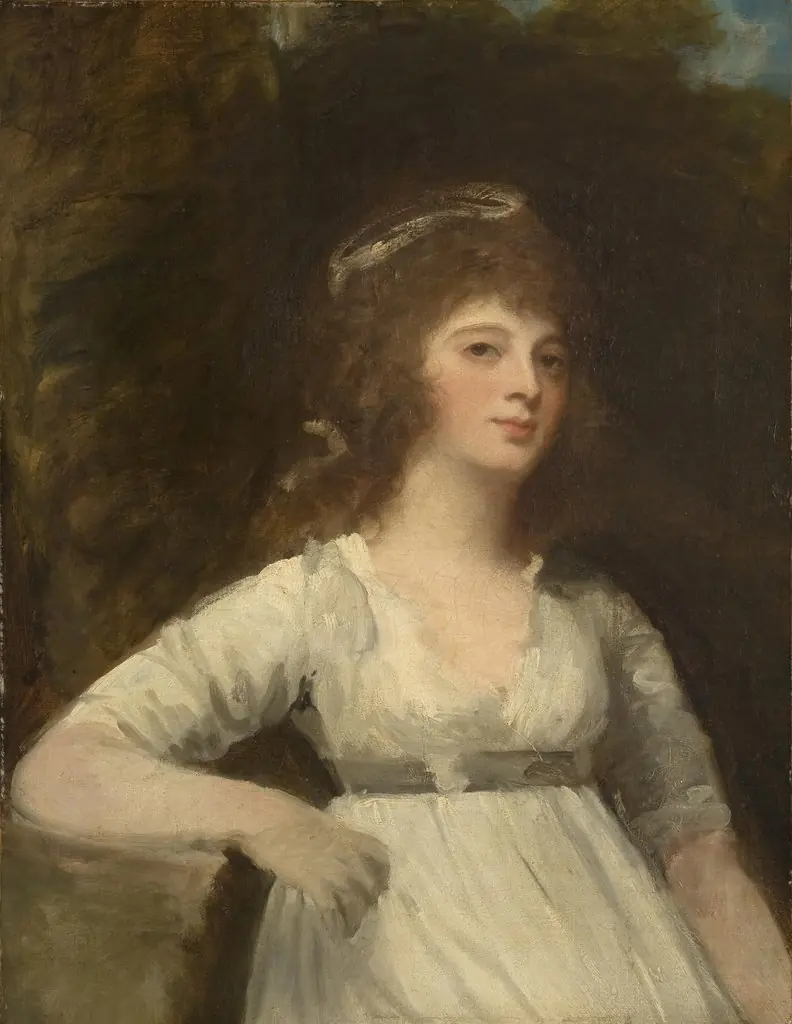 Portrait of Mrs. Finch
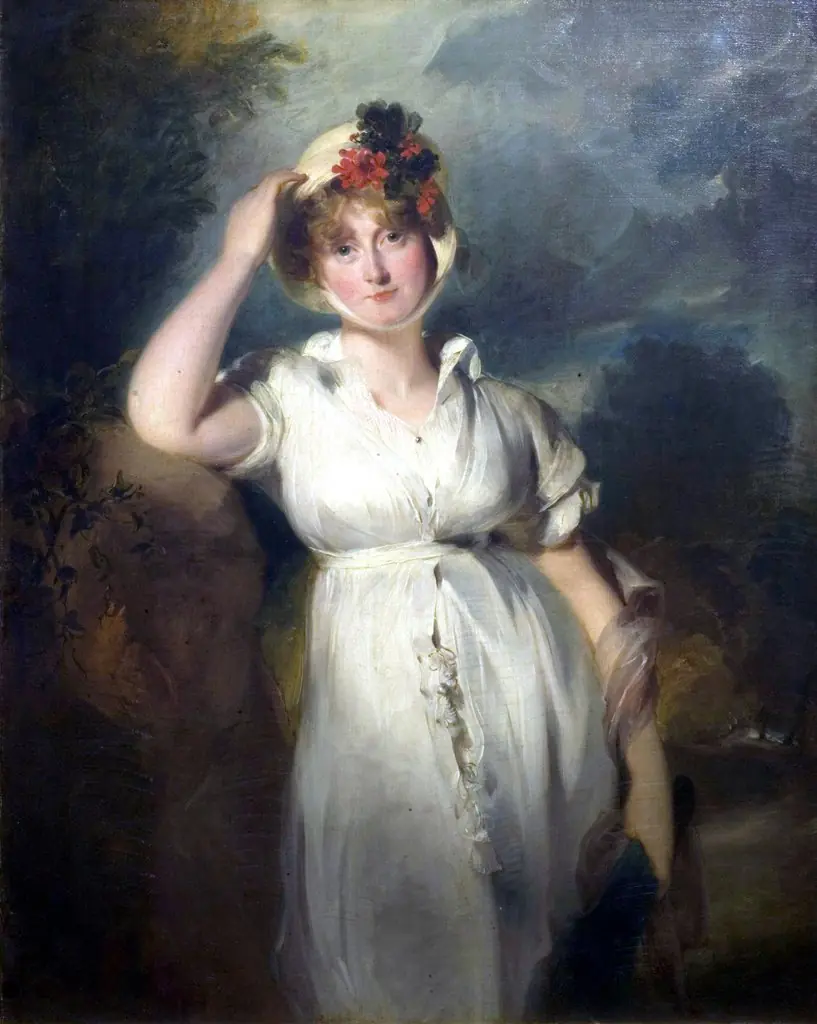 Caroline of Brunswick (1768–1821), Queen of George IV
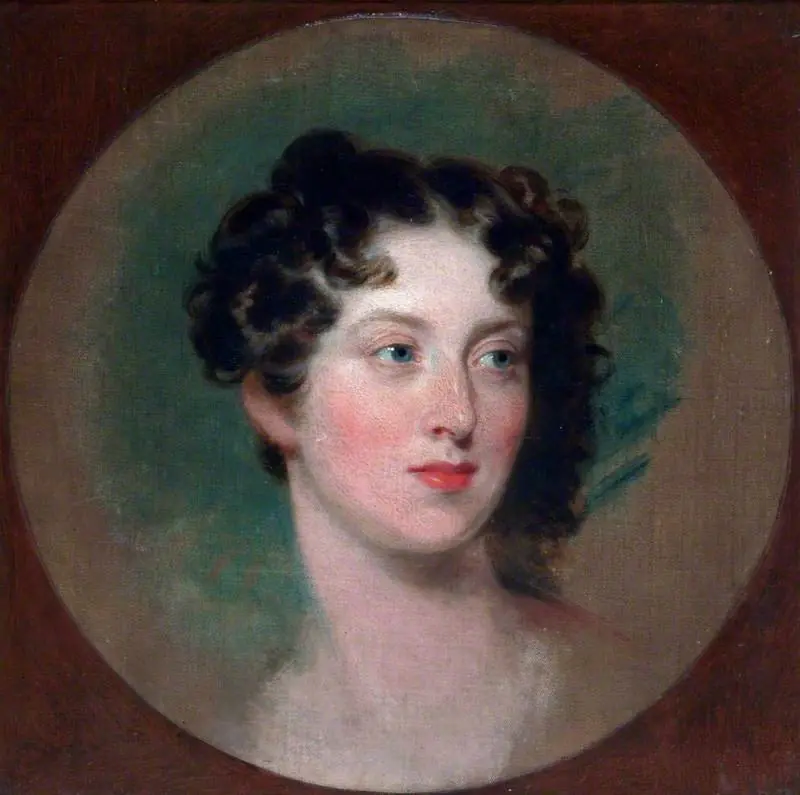 Head of a Lady (after Thomas Lawrence)
- Anna Maria Dashwood, later Marchioness of Ely