Artwork
One Hundred Birds
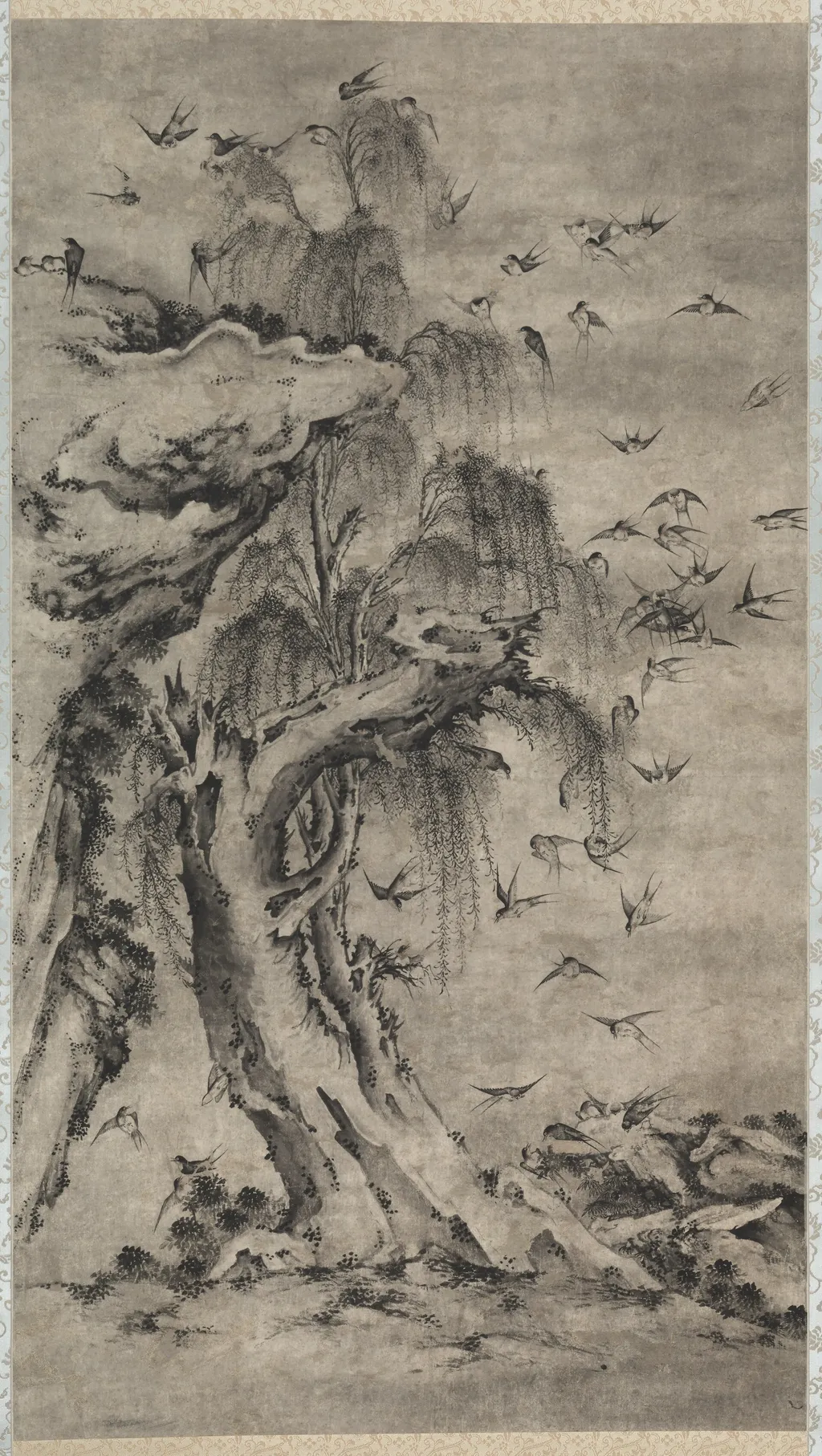
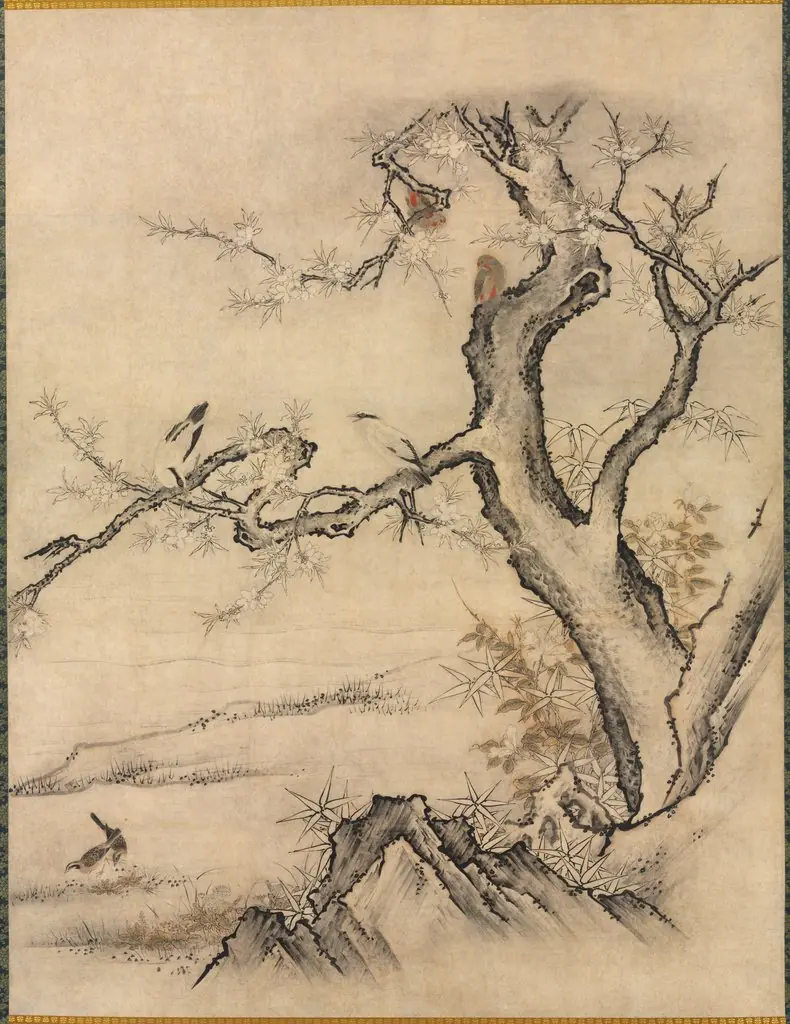
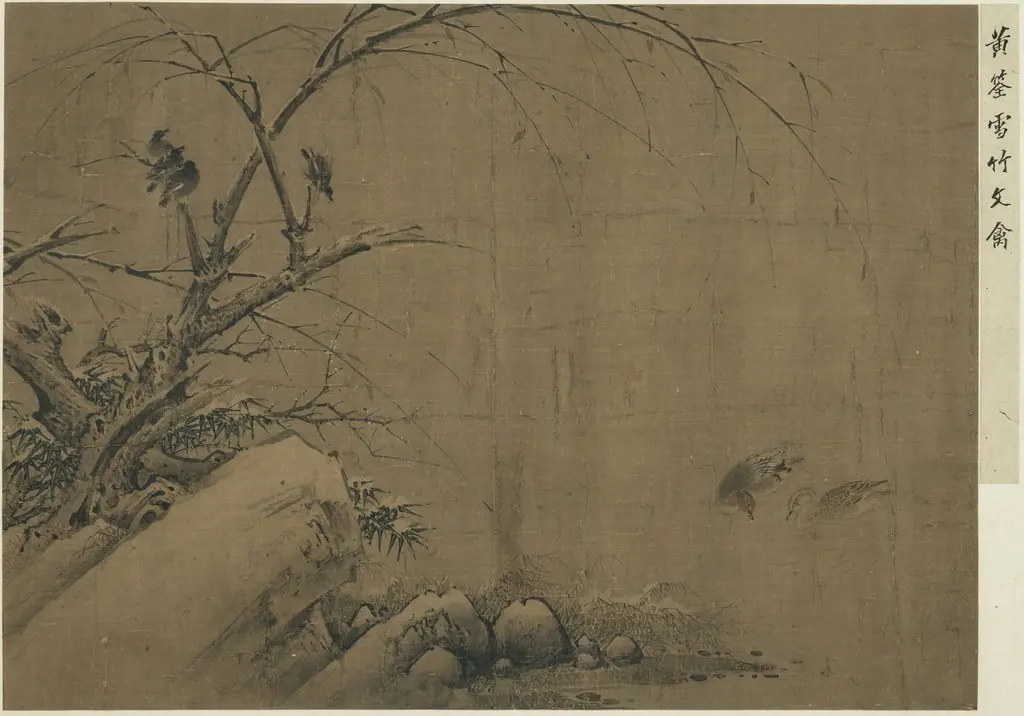
One Hundred Birds is an unspecified painting. It dates from 1649 and is held in the collection of the Cleveland Museum of Art. The work presents a tranquil arboreal setting dominated by a large tree positioned on the left side of the canvas.
About this work
Subject & Meaning
The work depicts a flock of avian figures arranged in a rhythmic pattern that evokes both natural abundance and spiritual harmony.
The work depicts a flock of avian figures arranged in a rhythmic pattern that evokes both natural abundance and spiritual harmony. In East Asian visual traditions birds often symbolize freedom, transcendence, and the soul’s journey, and the repeated motif here reinforces ideas of collective movement and auspicious renewal. The composition’s orderly spacing suggests a meditative order while the birds’ flight implies a journey beyond the material realm, linking the piece to themes of transcendence and cosmic balance.
The painting is housed in the Cleveland Museum of Art, which provides provenance and contextual details for the work.
History & Provenance
Created in Japan in 1649, One Hundred Birds is a painting attributed to an unknown artist. The work entered the collection of the Cleveland Museum of Art, where it is cataloged under the accession number 1991.10. While the specific circumstances of its commission and the identity of its original patron remain unrecorded in the available documentation, the piece has been maintained as part of the museum's holdings since its acquisition in 1991.
Context
One Hundred Birds originated in 1649 as a painting attributed to an unknown artist active in Japan. It entered the collection of the Cleveland Museum of Art, where it remains on view. Scholars interpret the work as part of a broader tradition of East Asian bird-and-flower imagery, though its specific stylistic lineage is not definitively documented.
The painting's attribution to an anonymous hand reflects common practices in 17th-century Japanese art, where unsigned works circulated widely. Its presence in a Western museum highlights evolving patterns of cross-cultural art acquisition in the late 20th century.
Overview
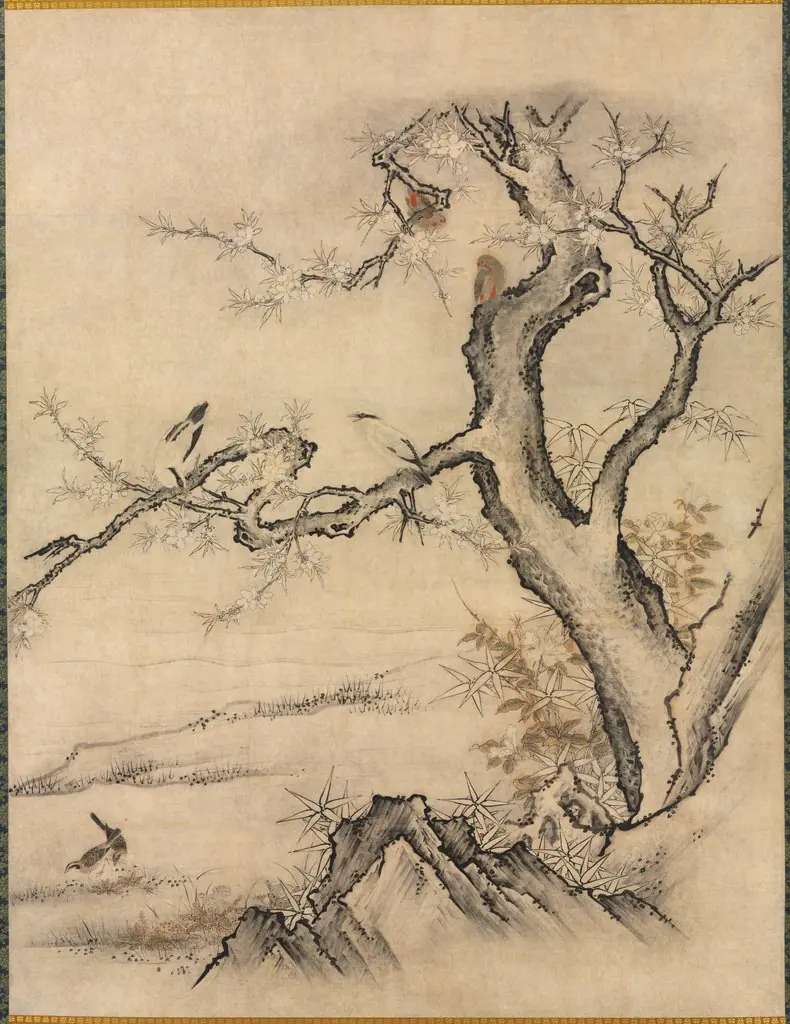
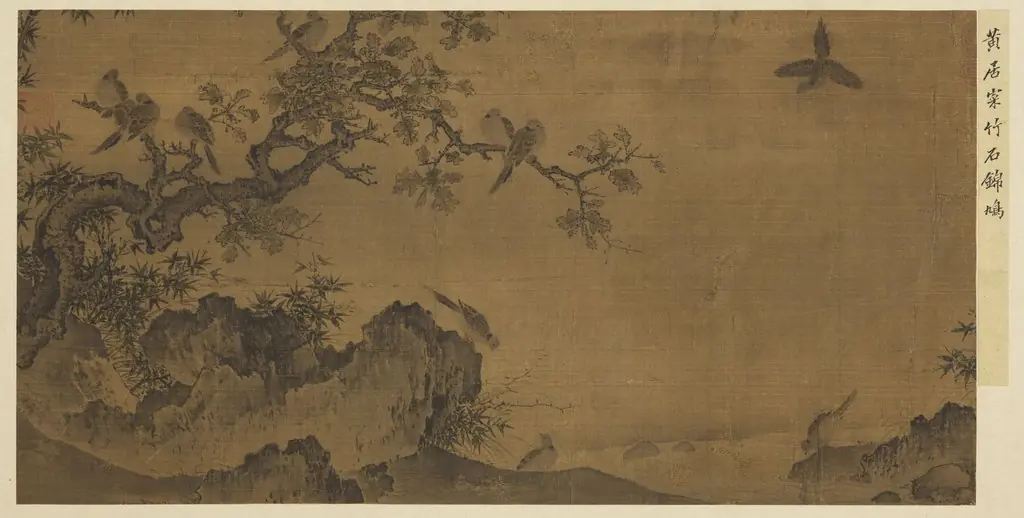
The work presents a tranquil arboreal setting dominated by a large tree positioned on the left side of the canvas. Branches extend upward and outward, supporting a multitude of birds that are either perched or captured mid‑flight. A muted, soft background underlies the scene, lending a calm atmosphere and guiding the eye toward the central foliage and avian activity.
Technique & Style
The artist renders the tree’s bark and branches with meticulous detail, emphasizing texture through fine brushwork. Feathered forms are depicted with careful attention to individual plumage, creating a sense of depth and three‑dimensionality. The overall palette is restrained, using muted tones to enhance the serene mood, and the spatial arrangement produces a subtle illusion of space.
Artist & collection