Artwork
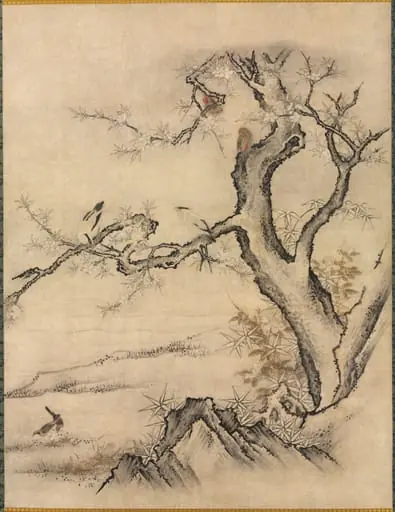
Flowers and Birds in a Spring Landscape
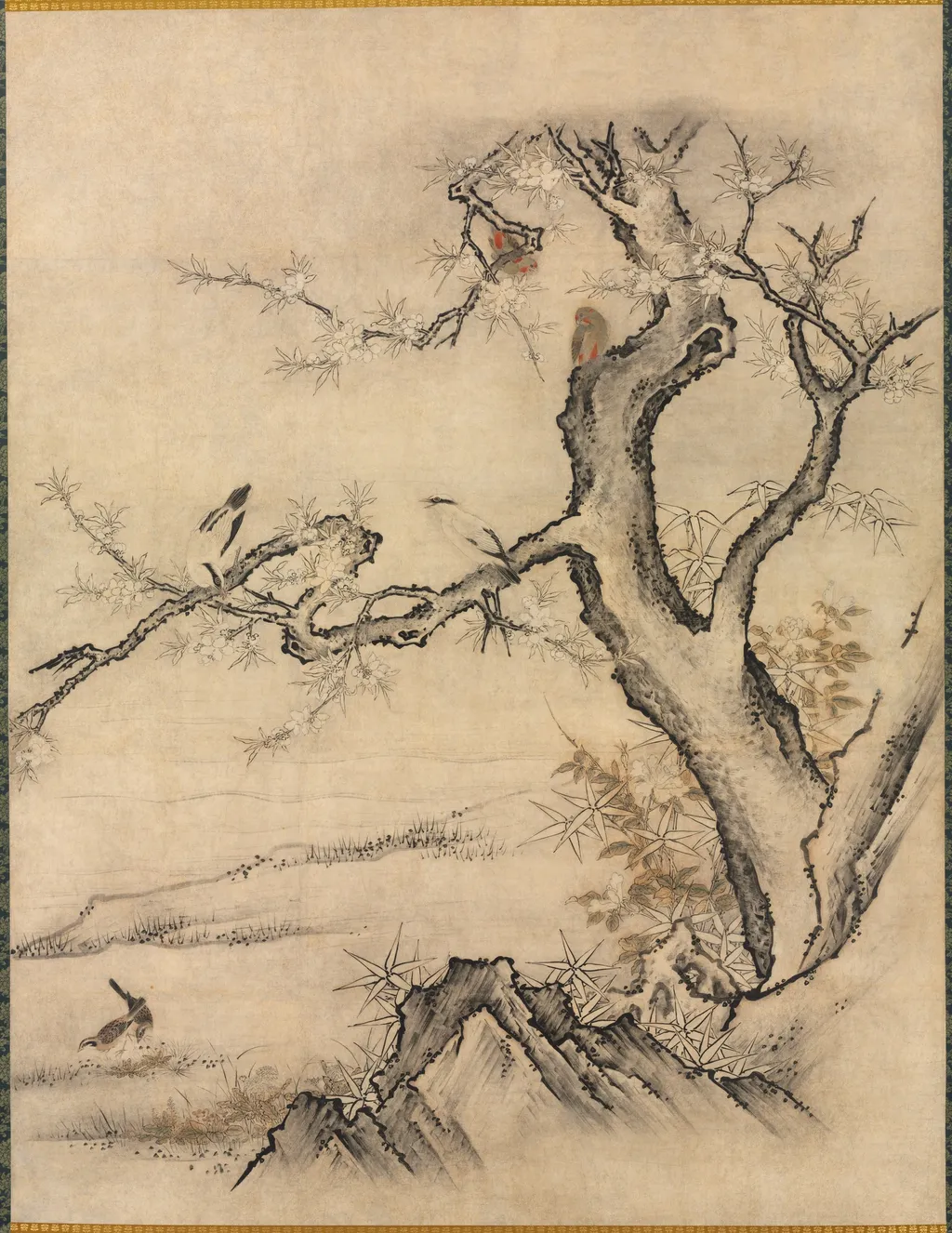
Flowers and Birds in a Spring Landscape is an unspecified painting by the Kanō school artist Kano Motonobu. It dates from 1529 and is held in the collection of the Cleveland Museum of Art.
About this work
Subject & Meaning
This presentation of flora and fauna within a seasonal setting suggests a celebration of nature’s renewal and the fleeting beauty of spring.
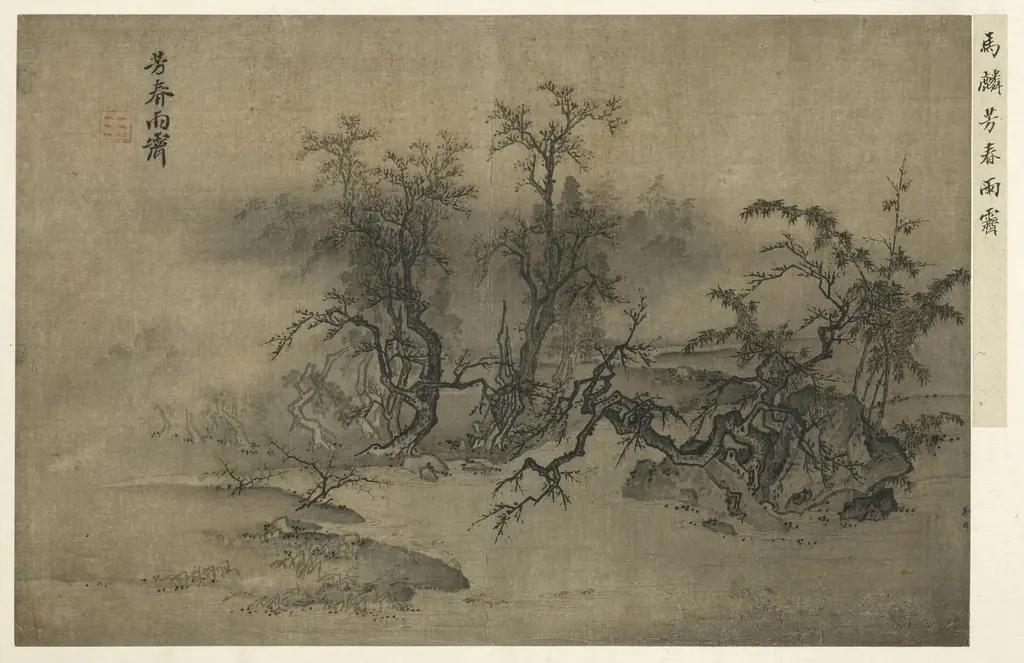
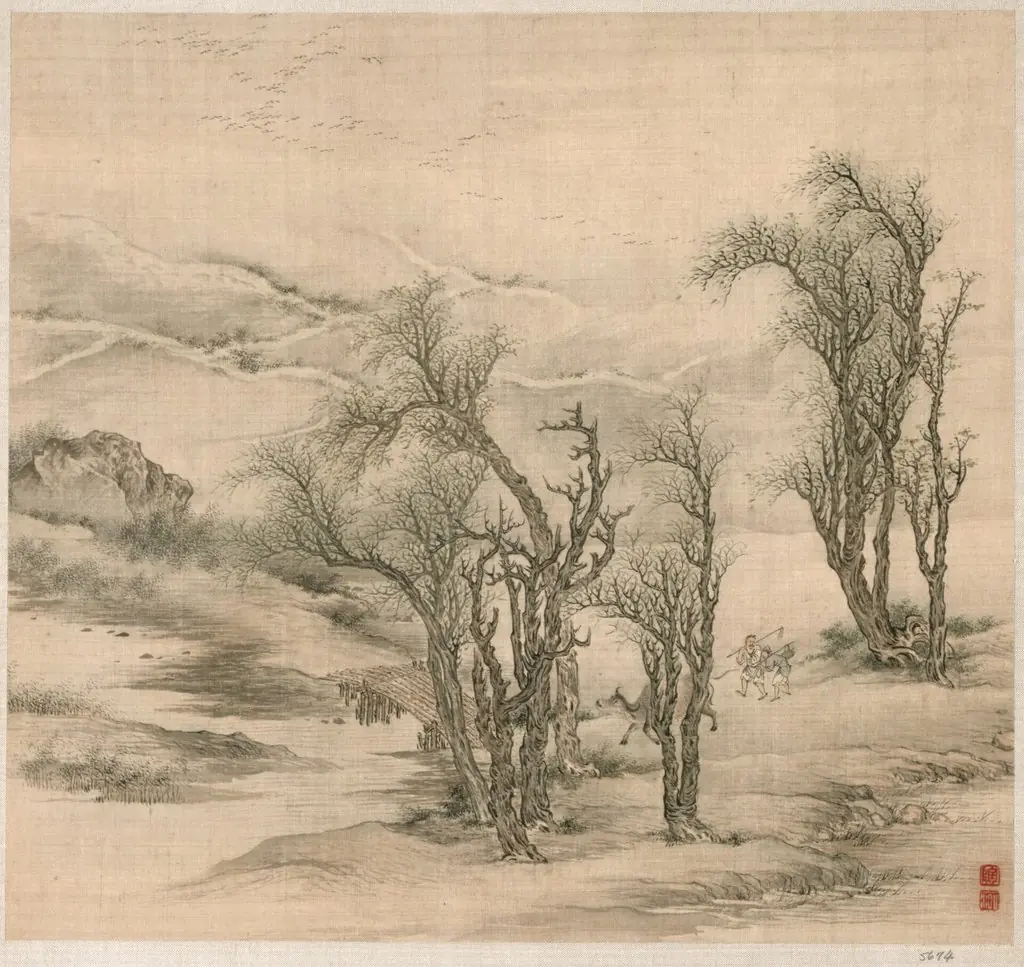
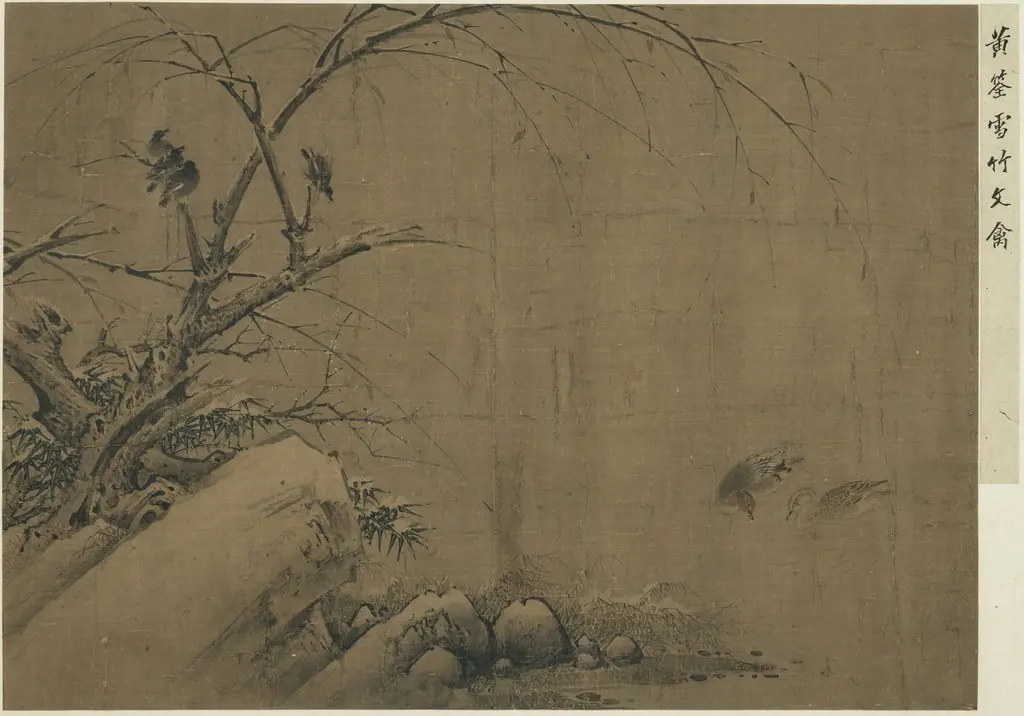
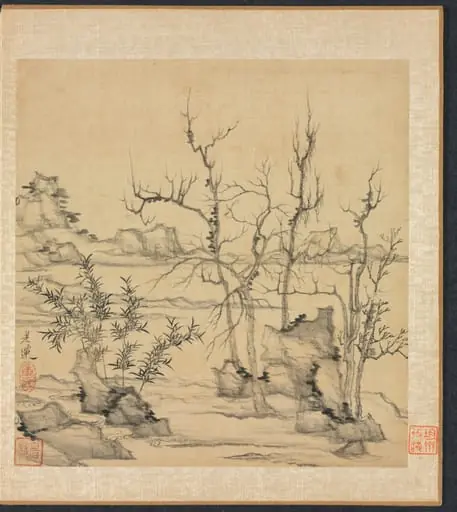
The painting depicts a spring landscape abundant with flowers and birds, as indicated by its title. This presentation of flora and fauna within a seasonal setting suggests a celebration of nature’s renewal and the fleeting beauty of spring. As a landscape work, it situates these elements in a broader environmental context, highlighting the harmony between plant and animal life implied by the composition.
History & Provenance
Flowers and Birds in a Spring Landscape is dated 1529, which provides a firm terminus for its creation history.
The painting entered the Cleveland Museum of Art by 1970 as accession number 1970.6.1, placing it in the institution’s holdings by that year.
Flowers and Birds in a Spring Landscape is held in the collection of the Cleveland Museum of Art in Cleveland, Ohio. The work carries the accession number 1970.6.1. While the painting was created in 1529 by Kanō Motonobu, the provided records do not list specific past exhibitions or loan history for this object.
Overview
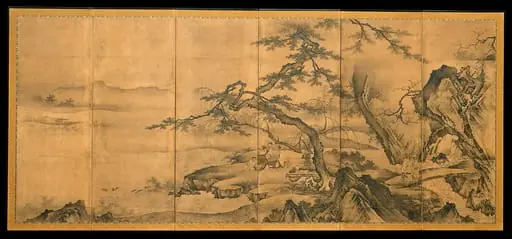
Created in 1529 by Kanō Motonobu, this hanging scroll presents a quiet spring scene dominated by a solitary tree whose branches spread leftward, dotted with pale blossoms and foliage. Small birds rest on the limbs or hover nearby, while a muted landscape of grass and a distant water surface recedes behind. The restrained brown‑gray palette reinforces a sense of calm and contemplation.
Technique & Style
Executed in the Kanō school’s ink‑and‑color method, the work combines brush‑drawn outlines with subtle washes of mineral pigment. Motonobu’s handling of the tree’s bark and branches demonstrates the school’s emphasis on strong, calligraphic strokes, while the soft, diluted tones of the background illustrate a restrained approach to atmospheric perspective.
Context
During the early sixteenth century, the Kanō school was consolidating its reputation among samurai patrons, and Motonobu played a pivotal role in expanding its reach. This painting reflects the school’s synthesis of Chinese monochrome traditions with native Japanese decorative sensibilities, a blend that would dominate official painting for the ensuing centuries.
Own this work as a print
Artist & collection