Artwork
painting, tuschlawing,
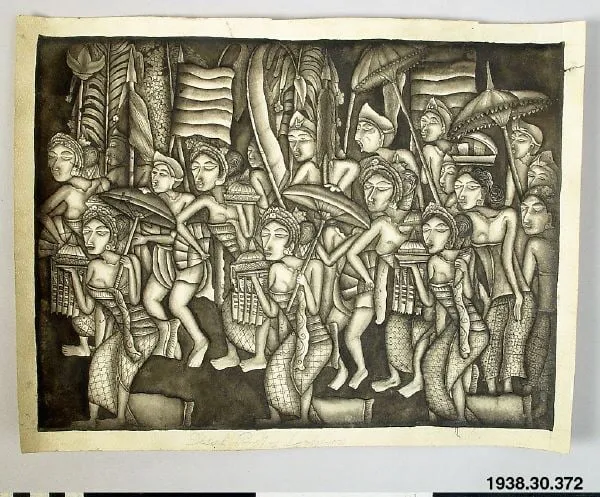
painting, tuschlawing, is a paint painting by Unknown. It dates from 1850 and is held in the collection of the ethnographic museum. This elongated work, executed on paper, measures an extraordinary 12 by 2995 centimeters.
About this work
The painting shows a procession on its way to a temple. It's a long, narrow scene with many people. The procession is from Putuh Lambon village in Bali, which is an interesting detail about this work.
The painting is on paper and quite long, measuring 12 x 2995 cm. To learn more about similar artworks, look up the technique: sfumato.
Overview
This elongated work, executed on paper, measures an extraordinary 12 by 2995 centimeters. It presents a continuous view of a Balinese procession moving toward a temple, capturing a moment of communal ritual in a single, sweeping composition.
Subject & Meaning
The scene records a ceremonial march originating from the village of Putuh Lambon on the island of Bali. By focusing on the collective movement toward a sacred site, the painting reflects the central role of religious festivals in Balinese social life.
Technique & Style
Rendered on paper, the artist employs a linear, panoramic format that allows numerous figures to be depicted within a narrow space. The handling of line and tone suggests a subtle gradation of atmosphere, reminiscent of the sfumato approach, though adapted to a decorative, narrative context.
History & Provenance
The work originates from Bali, though specific details about its creation date, artist, or subsequent ownership are not documented in the available record.
Context
Processional imagery is a recurrent motif in Balinese visual culture, often linked to temple festivals and communal identity. This painting situates itself within that tradition, offering a visual archive of local customs.
Artist & collection








- IV. The Oba's Palace
 Iisus Hristos si Sf. Ioan copii
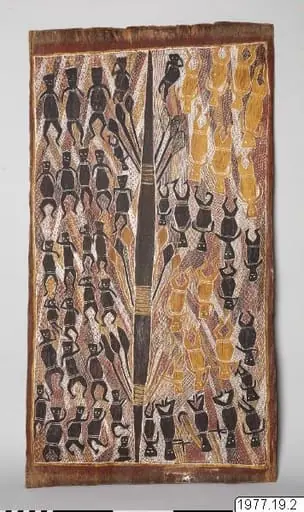 painting
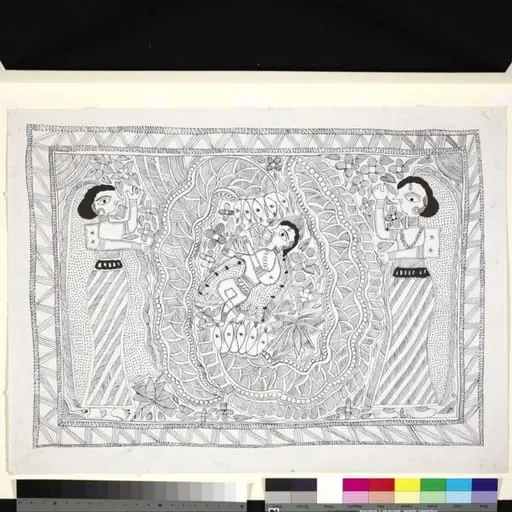 Krishna on Kaliya
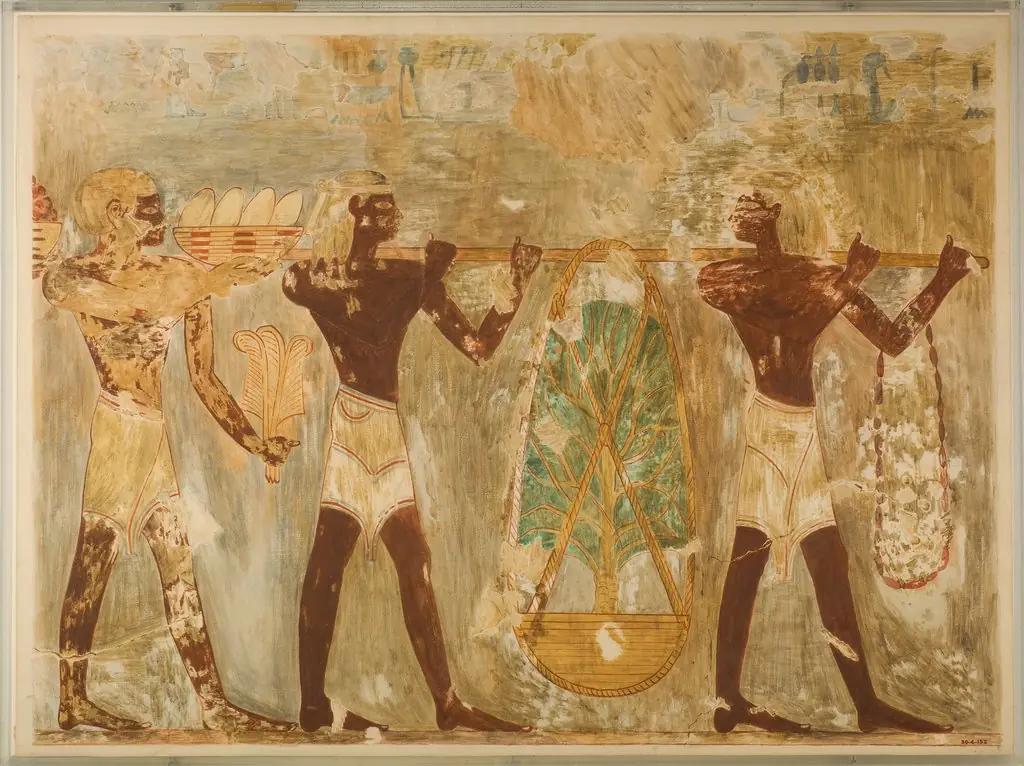 Men from Punt Carrying Gifts, Tomb of Rekhmire
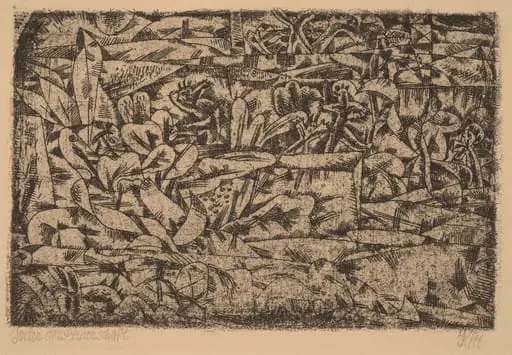 Garden of Passion (Garten der Leidenschaft)
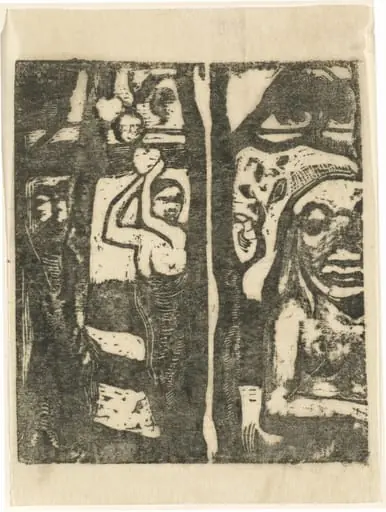 Woman Picking Fruit and the Savage (Femme cueillant des fruits et oviri)
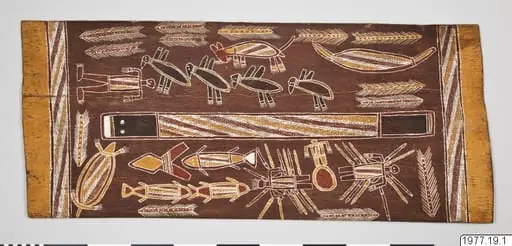 painting
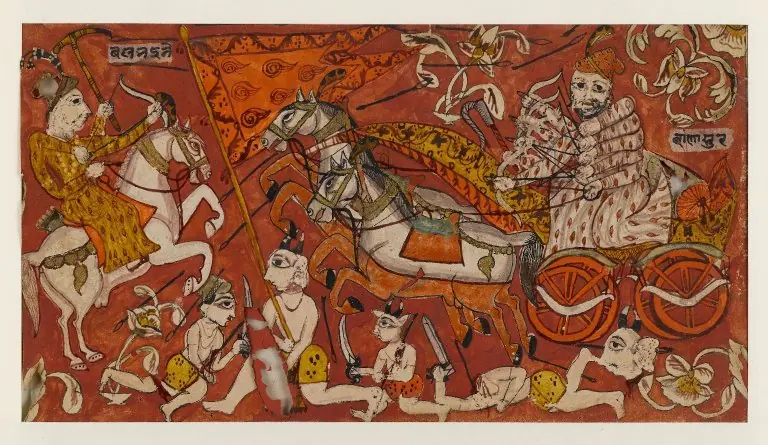 Battle Scenes from a Bhagavata Purana Series
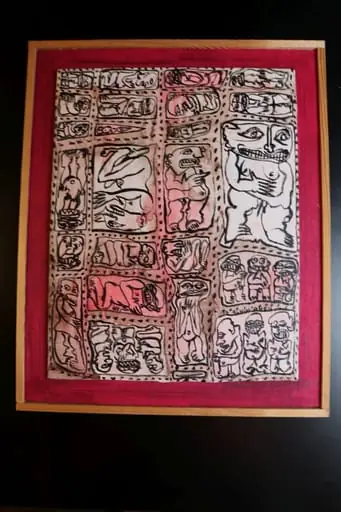 Schuldhess, Jörg Shimon - Gemälde, Flughafenhalle
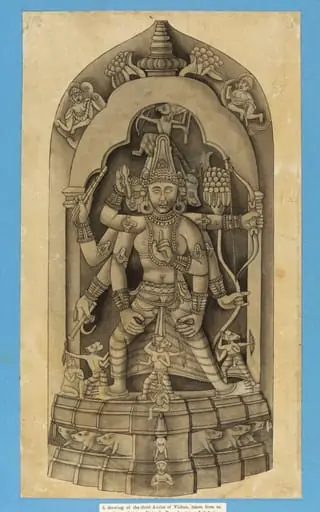 Varahi
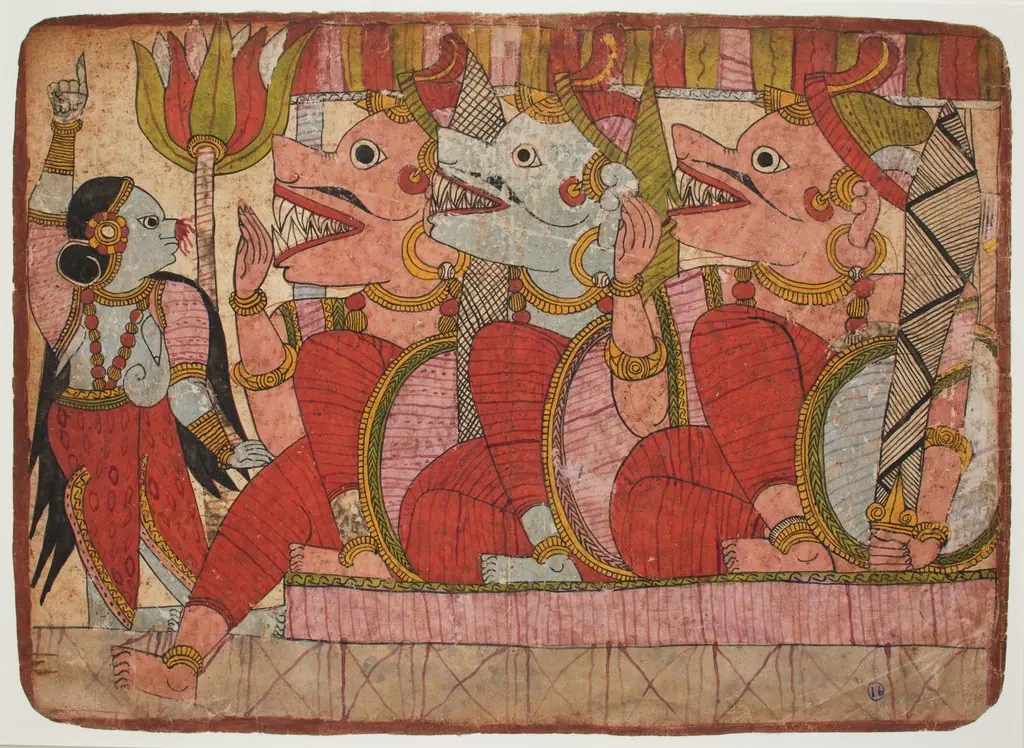 Scene from the Ramayana