Artwork
Portrait of a couple and four children
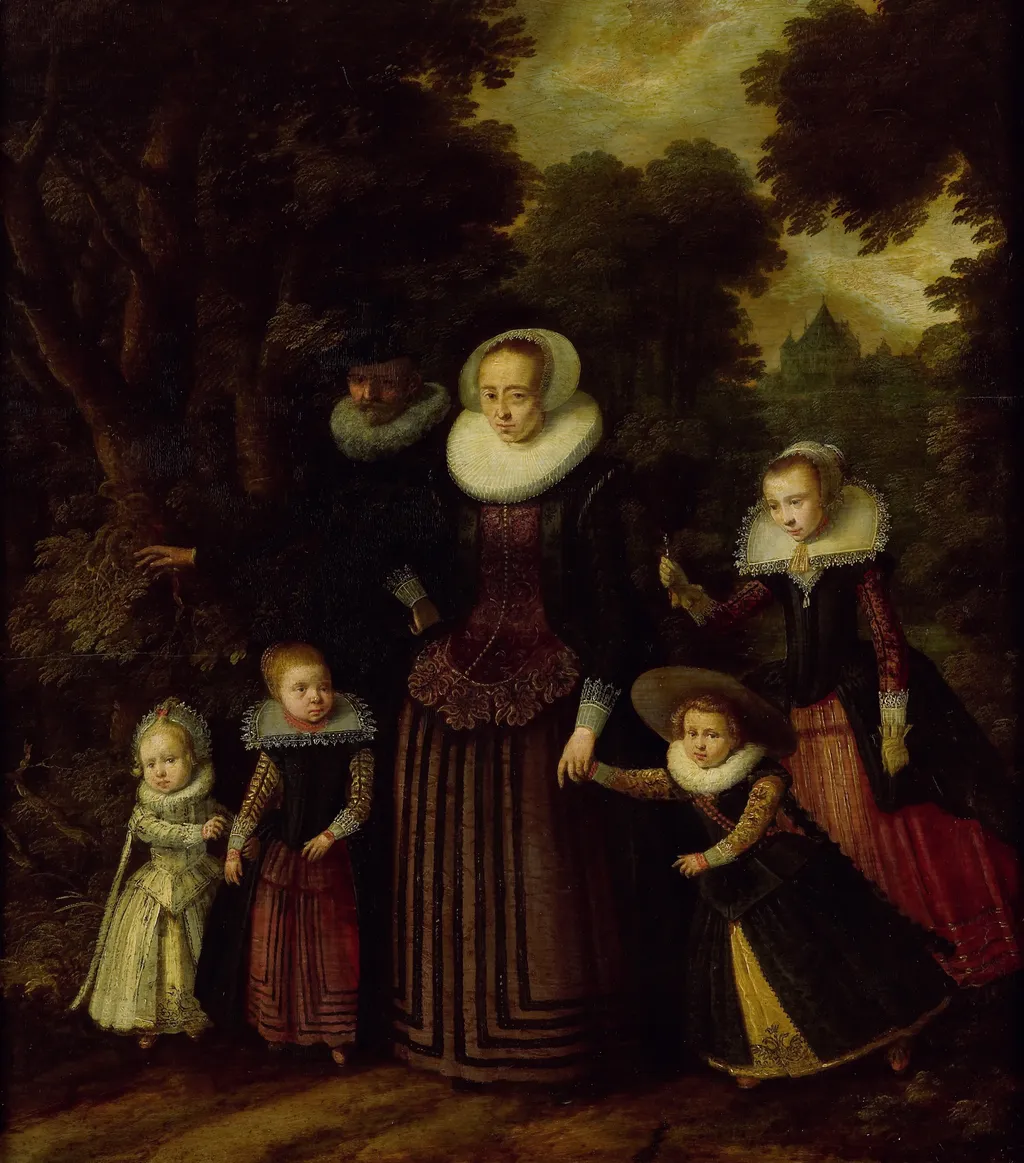
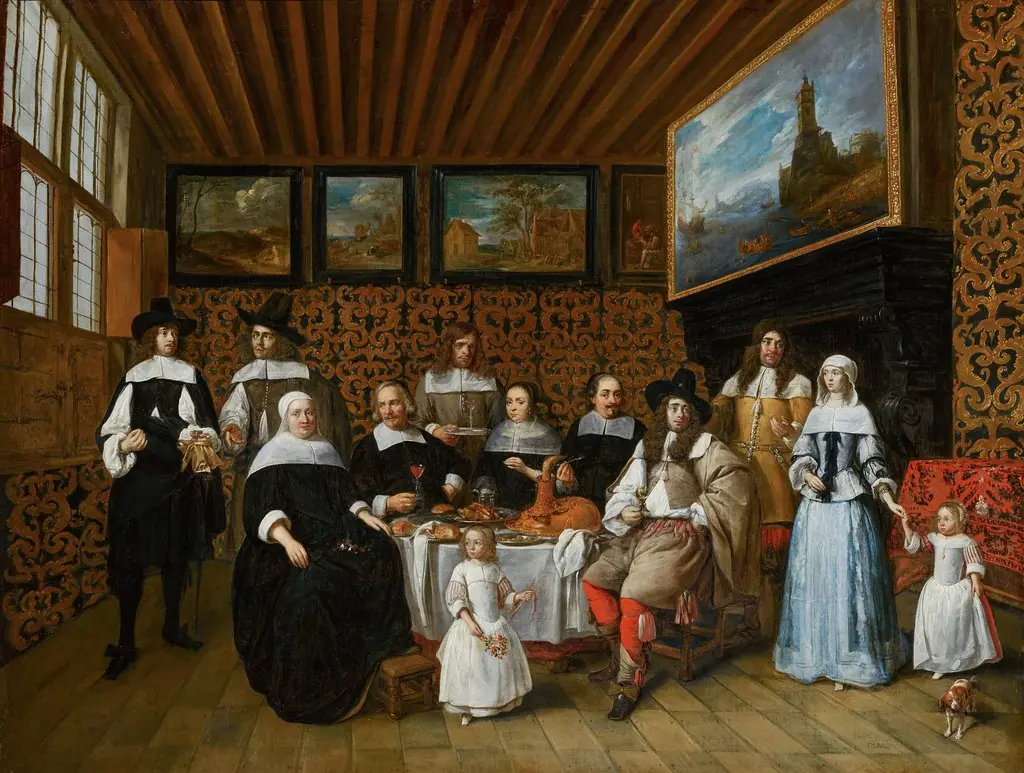
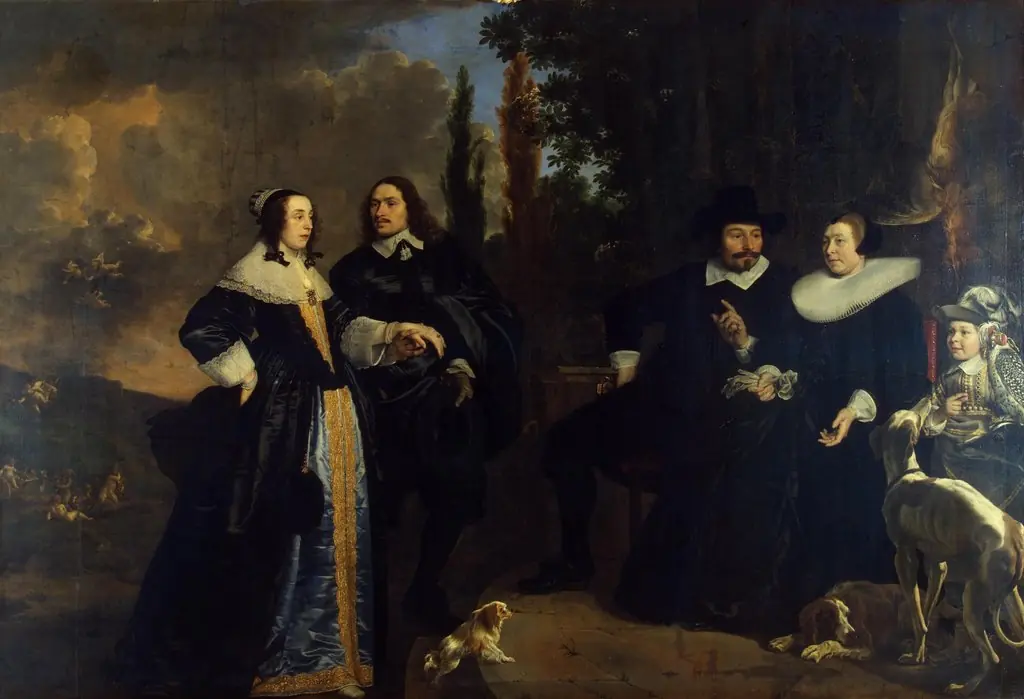
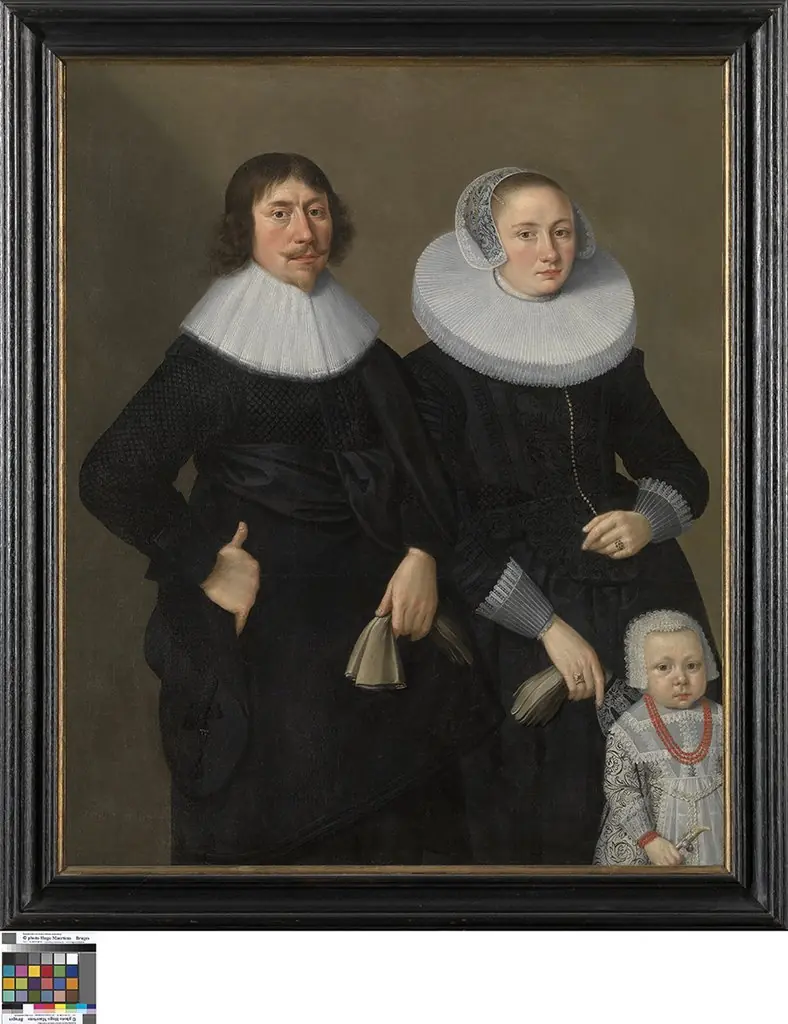
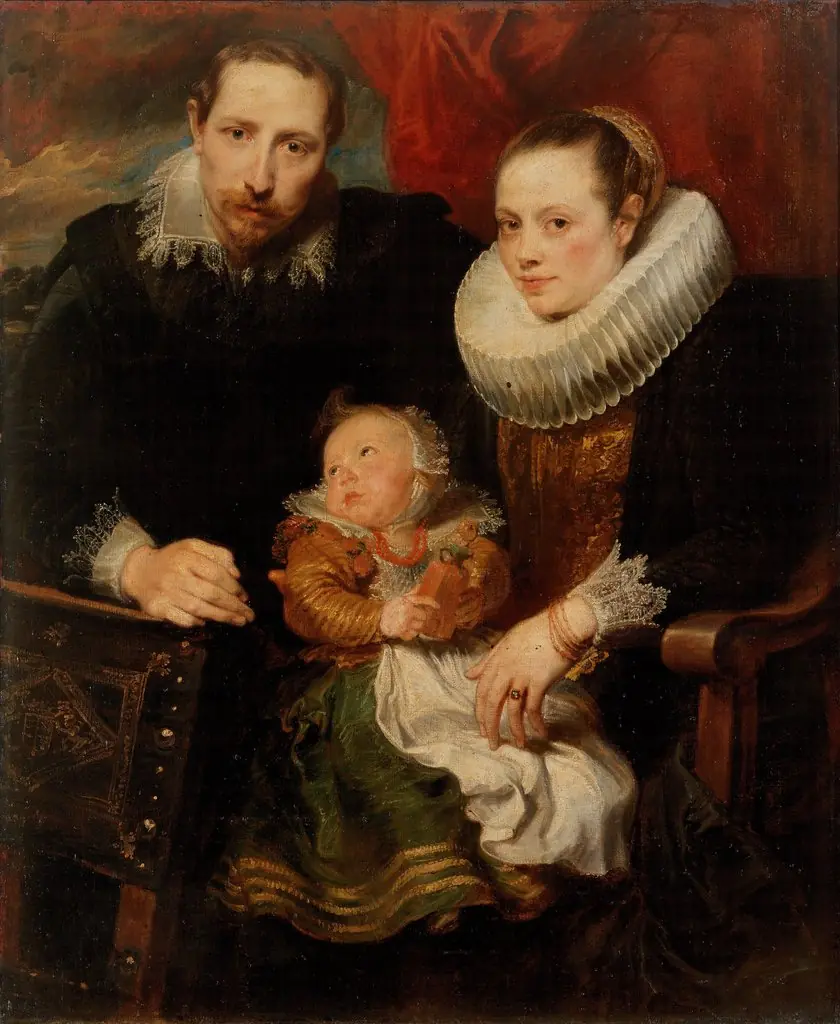
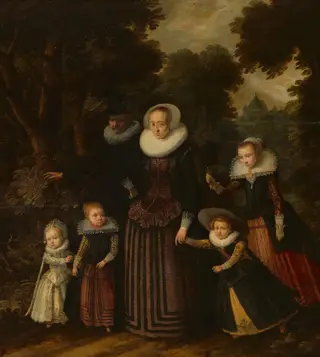
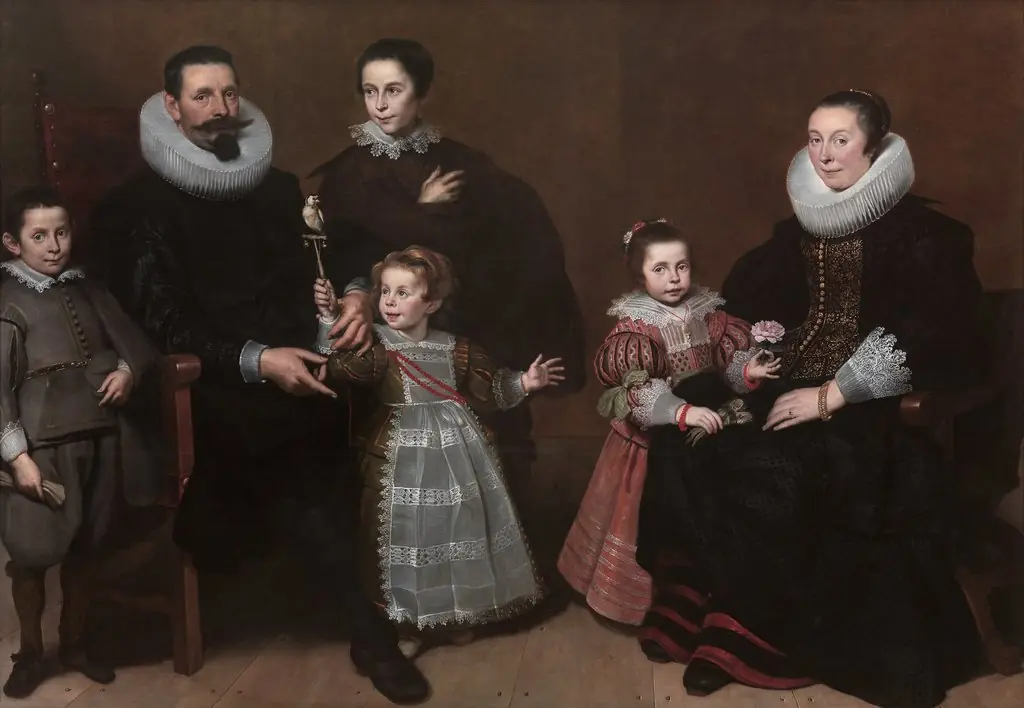
Portrait of a couple and four children is an oil painting. It dates from 1620 and is held in the collection of the Rijksmuseum. The work is an oil painting that depicts a family of five positioned within a wooded setting.
About this work
Subject & Meaning
The use of oil paint and panel support was typical of portraiture in the Low Countries during this period, underscoring technical conventions of the time.
The painting shows a married couple accompanied by their four children, forming a domestic scene that emphasizes familial unity and status. Symbolic elements include the couple's fine attire suggesting prosperity and the central placement of the children indicating lineage continuity. The work reflects 17th-century Dutch values of family cohesion and social standing, rendered in oil on panel.
The composition conveys themes of lineage and marital partnership, with the parents positioned prominently while the children are arranged around them, highlighting generational continuity. The use of oil paint and panel support was typical of portraiture in the Low Countries during this period, underscoring technical conventions of the time.
Technique & Style
Created in 1620 within the Low Countries, this anonymous portrait is executed in oil paint on a wooden panel. The work measures 51.2 cm in height and 46.3 cm in width. Stylistically, the composition functions as a group portrait, depicting a man and a woman accompanied by four children.
The piece is classified as a painting and represents the portrait genre, characterized by its depiction of specific family members on a rigid support typical of the region and period.
History & Provenance
The painting was created in 1620, executed in oil on panel in the Low Countries. It is classified as an anonymous portrait, with no documented commission, patron, or original owner recorded in the available sources.
The work is now held in the collection of the Rijksmuseum, the National Art Gallery of the Netherlands, where it is located. No intermediate ownership history, acquisition details, or earlier provenance entries are documented in the available sources.
The work is held in the Rijksmuseum, National Art Gallery of the Netherlands, where it is catalogued under an accession number recorded in the institution’s collection database. It was first exhibited publicly in the museum’s 19th‑century Dutch Golden Age display, and later featured in the 2015 retrospective of early Dutch portraiture at the same institution.
Overview
The work is an oil painting that depicts a family of five positioned within a wooded setting. Central to the composition is a woman in a dark, elaborately trimmed dress with a white ruff, holding a fan. Flanking her are four children, two boys and two girls, dressed in coordinated, richly ornamented garments.
A man in a dark coat and hat leans against a tree behind the group, completing the scene.
Context
Portraits of families in wooded or pastoral environments were common in the 17th‑century European tradition, often used to display lineage and social rank. The attire, with its ruffs and elaborate trims, aligns with fashion trends of the early modern period, indicating the sitters' wealth and adherence to contemporary dress codes.
Legacy
While the painting’s broader influence is not recorded, its preservation offers insight into period portraiture practices, material culture, and the visual strategies employed to convey status through composition and lighting.
Artist & collection