Artwork
Portrait of a Lady
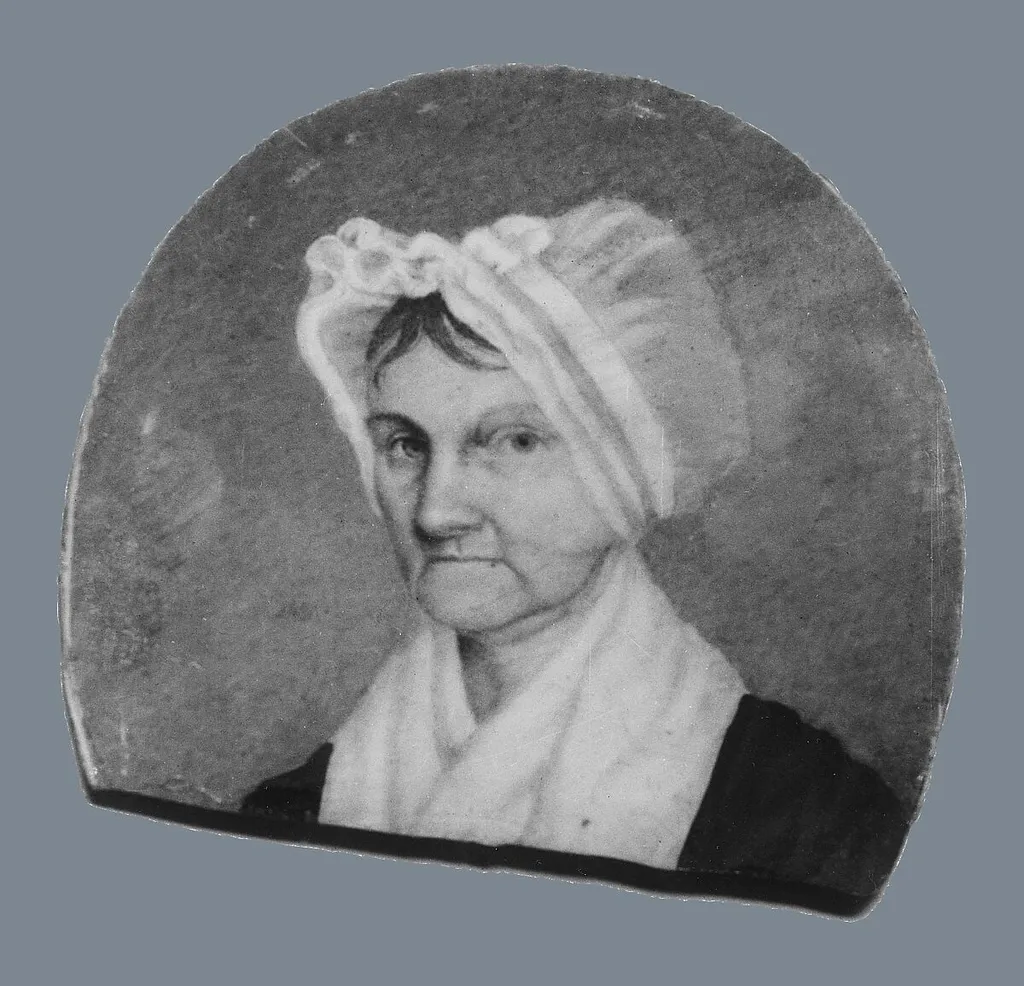
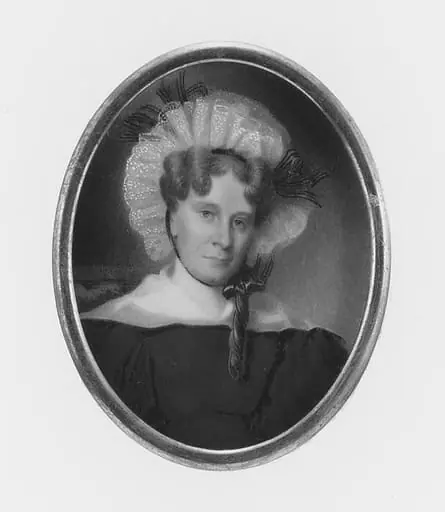
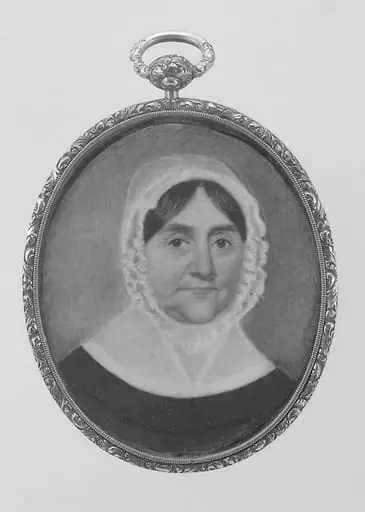
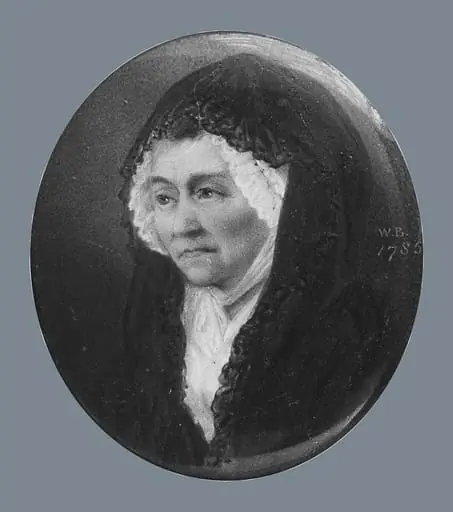
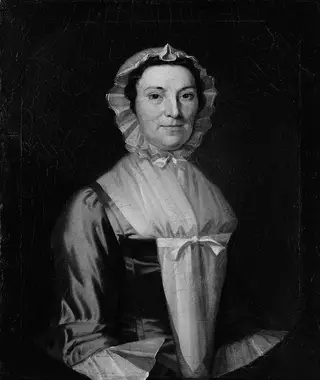
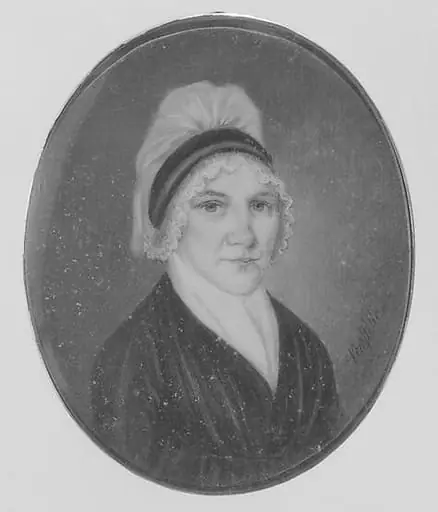
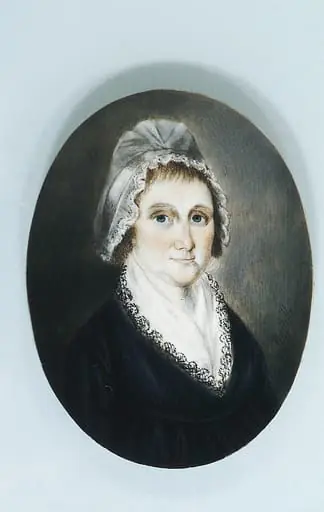
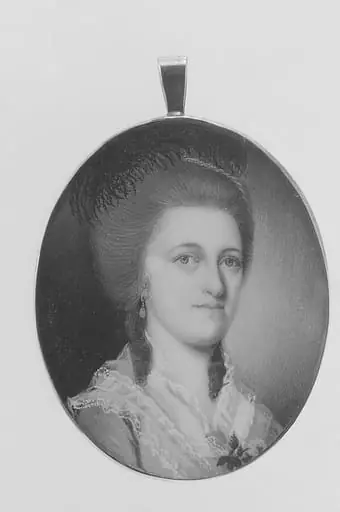
Portrait of a Lady is a watercolor painting. It dates from 1850 and is held in the collection of the Metropolitan Museum of Art.
- Accession no.
- 25.178.6
- Credit line
- Bequest of Mrs. Heinrich Meyn, for her friend, Anna Mary King, 1925
About this work
Subject & Meaning
The painting titled Portrait of a Lady is a watercolor on ivory created in 1850 and housed in The American Wing of the Metropolitan Museum of Art.
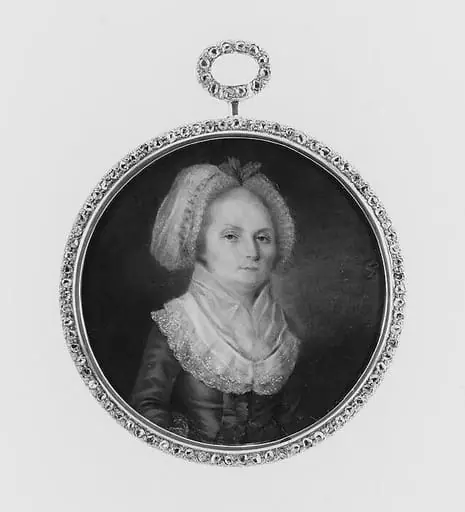
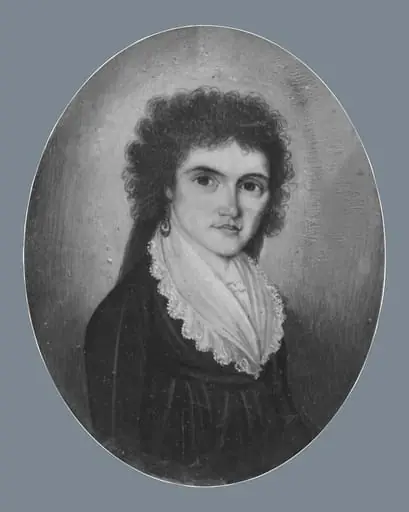
The painting titled Portrait of a Lady is a watercolor on ivory created in 1850 and housed in The American Wing of the Metropolitan Museum of Art. It portrays an unidentified woman, functioning as a conventional portrait that records her likeness. No additional iconographic elements, symbolic attributes, or documented meanings are provided in the available records, so the significance of the image rests on its role as a 19th-century portrait of a female sitter.
Technique & Style
The Portrait of a Lady is executed in watercolor on an ivory support, a medium characteristic of miniature portraiture from the mid-nineteenth century. Created in 1850 by an anonymous artist, the work measures 5.1 cm in height and 7.5 cm in width. The small scale and choice of materials suggest a delicate handling typical for intimate, personal commissions of the era, presenting a formal depiction of a woman in keeping with stylistic conventions of American portrait miniatures of the period.
History & Provenance
This anonymous watercolor on ivory, dated 1850, is held in the collection of the Metropolitan Museum of Art, where it is classified within the American Wing and assigned the accession number 25.178.6. The work measures 5.1 cm in height by 7.5 cm in width. The provided sources do not contain specific records regarding the painting's exhibition history.
Overview
This artwork, titled Portrait of a Lady, is a watercolor miniature painted on ivory. Housed in the American Wing, it exemplifies a popular form of personal portraiture from the 19th century. The small scale, roughly the size of a playing card, suggests it was intended for private contemplation rather than public display. Its intimate nature reflects a common practice of commissioning such works as cherished mementos.
Context
Created during the 1800s, this miniature belongs to a period when such portable portraits were widely popular. Before the advent of photography, these small, hand-painted images were the primary means for individuals to carry likenesses of their loved ones. They functioned as cherished personal objects, often exchanged between family members or kept as private mementos, offering a tangible connection in an age without instant visual communication.
Artist & collection