Artwork
Portrait of a Man
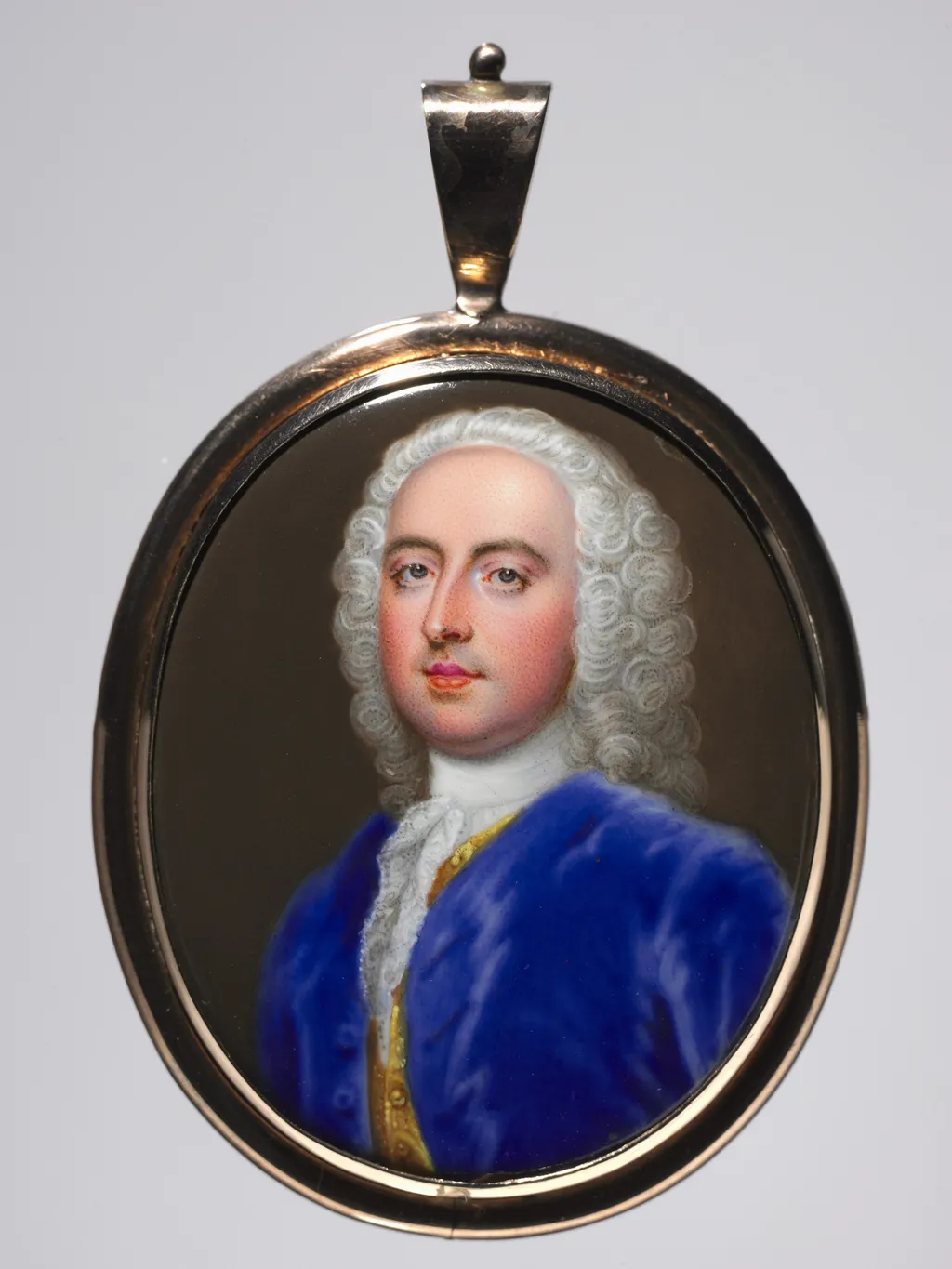
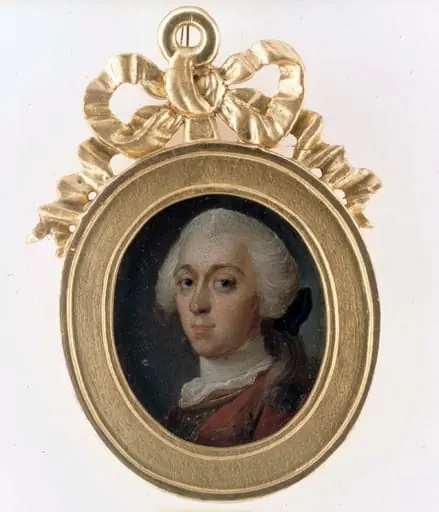
Portrait of a Man is an unspecified painting. It dates from 1735 and is held in the collection of the Cleveland Museum of Art.
About this work
Subject & Meaning
It was created in 1735 by the German miniaturist Christian Friedrich Zincke, as recorded in the Cleveland Museum of Art’s catalog (entry 1940.
The painting depicts an unidentified man rendered as a portrait miniature, a format popular in the early 18th century for capturing a sitter’s likeness in a compact format. It was created in 1735 by the German miniaturist Christian Friedrich Zincke, as recorded in the Cleveland Museum of Art’s catalog (entry 1940.1221), which lists the work in its collection. The composition consists solely of a half‑length figure without additional attributes, and the sources do not mention any symbolic objects or allegorical references; consequently the image’s meaning is understood as a straightforward record of the sitter’s appearance, typical of portrait miniatures used as personal mementos or status markers.
History & Provenance
Earlier records listed the artist as unknown, whereas later documentation attributes the work to Christian Friedrich Zincke. The painting, titled Portrait of a Man, is a portrait miniature dated 1735. It is part of the collection of the Cleveland Museum of Art, which records an inception date of 1735‑01‑01.
The work is classified as a portrait and was originally recorded as part of the museum’s holdings in 1940. This attribution reflects combined evidence from cataloguing sources.
Overview
This painting, titled Portrait of a Man, presents a circular depiction of an individual. Rendered within a metal frame, the artwork focuses on the man's head and shoulders. He is shown with a serious expression, his gaze directed forward.
The composition, characterized by its intimate scale and contained format, draws the viewer's attention directly to the subject's features and formal presentation.
Technique & Style
The artist employed a deliberate use of light and shadow to sculpt the sitter's face, creating subtle depth beneath the chin and nose. This careful illumination technique enhances the three-dimensional quality of the features. A plain, unadorned background ensures that the viewer's focus remains entirely on the man, isolating his form and expression. The small, round format further contributes to the concentrated intensity of the portrait.
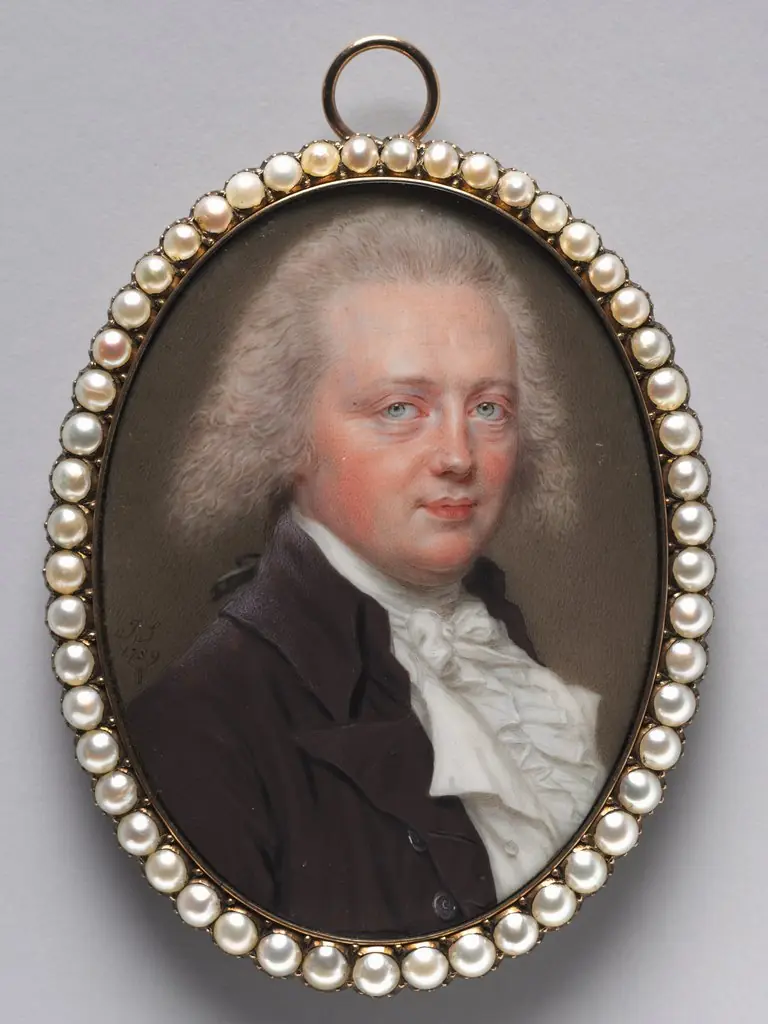
Artist & collection

- Portrait of a Man
 Portrait of a Man
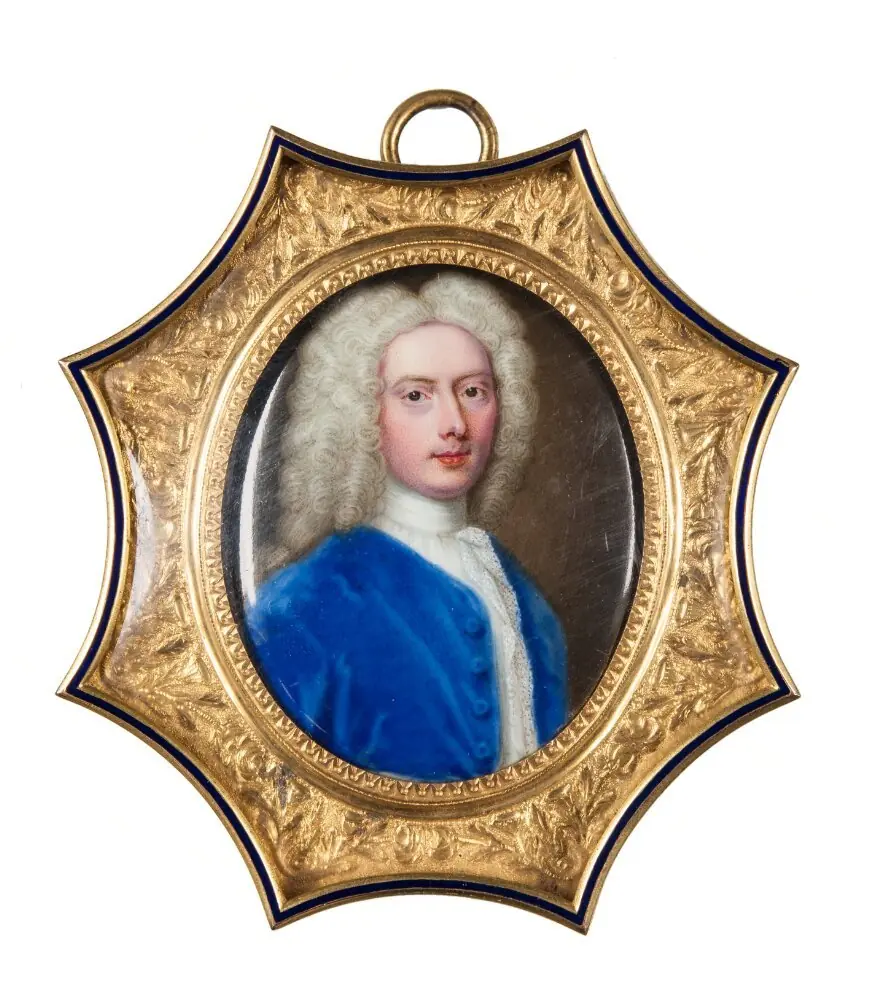 Unknown man, called Francis Dayrell, lord Ashley
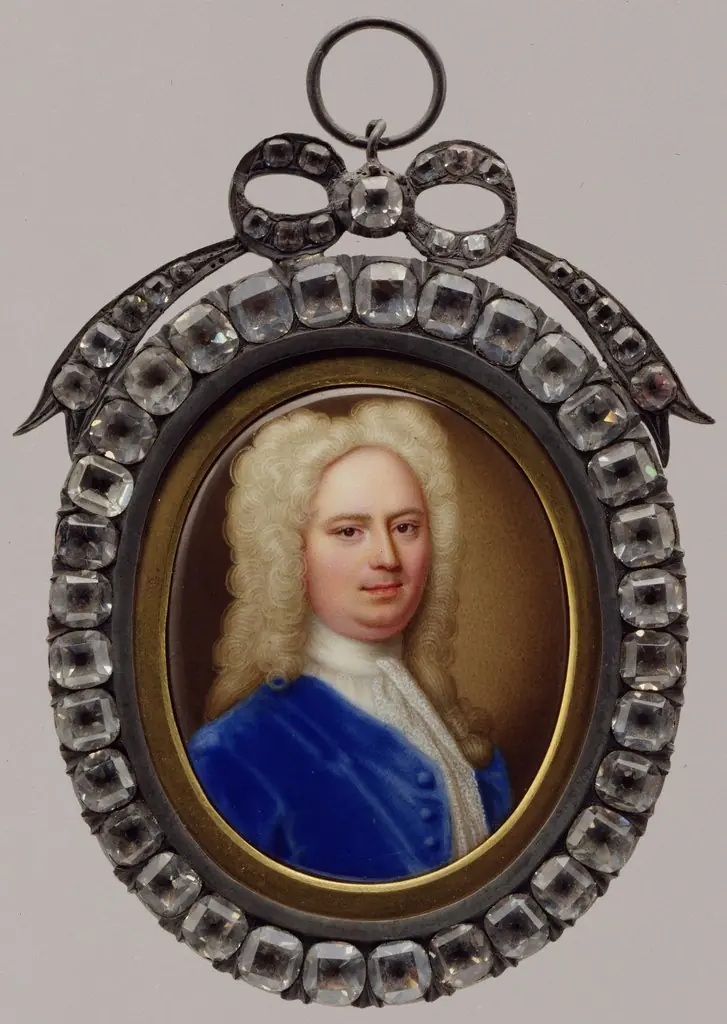 Richard Abell
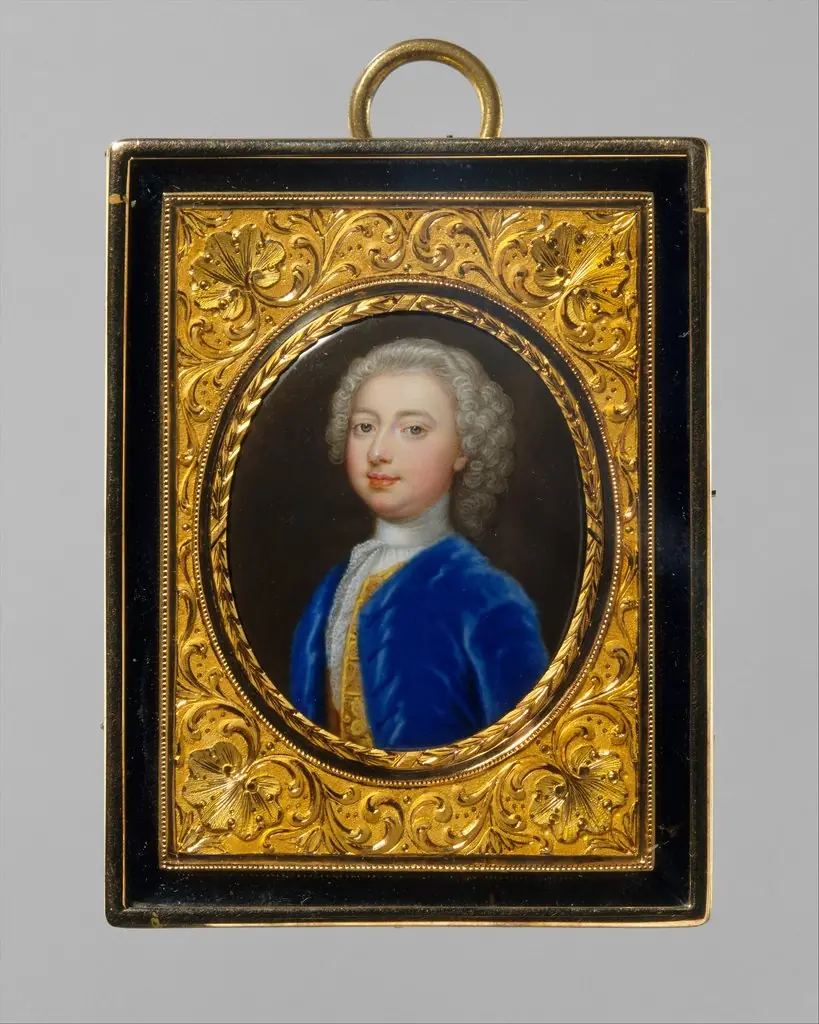 Portrait of a Young Man
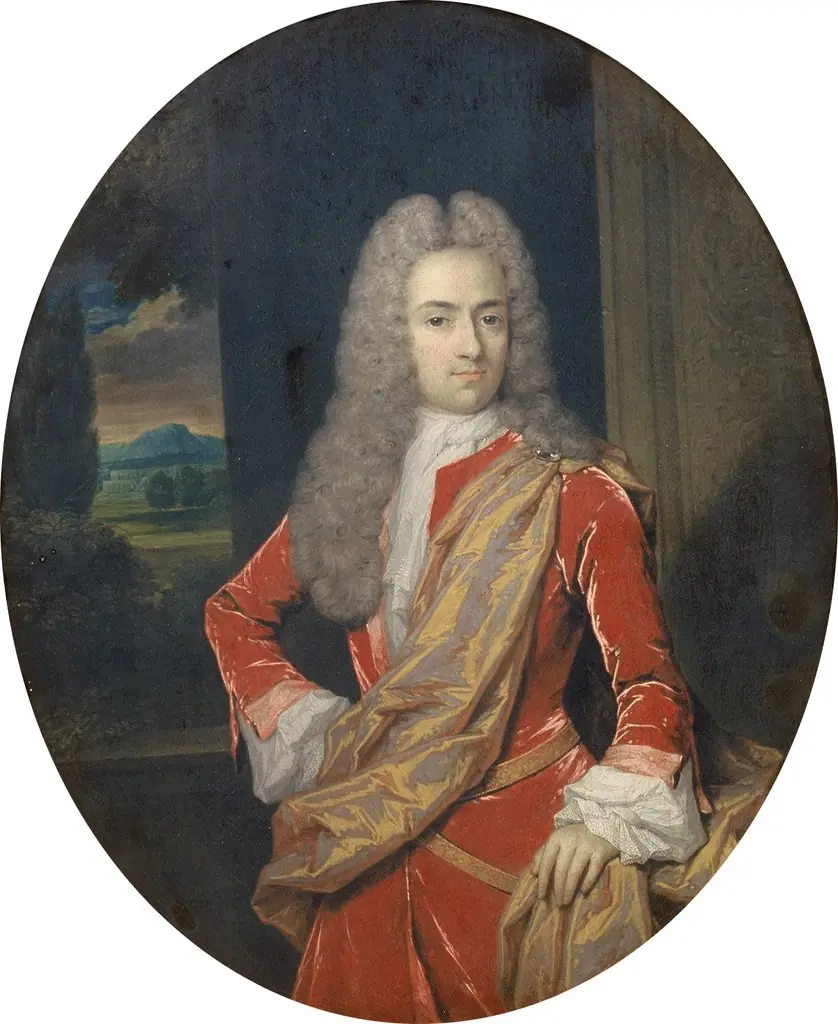 Portrait of a Man
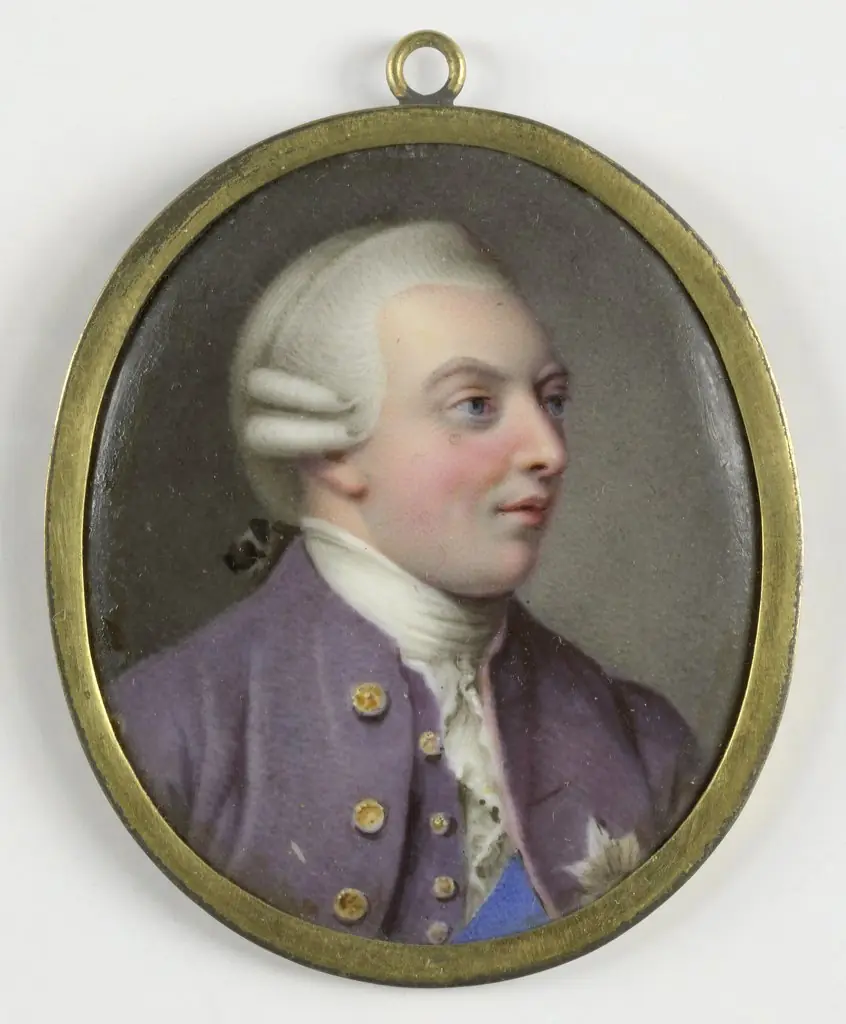 George III (1738-1820), koning van Engeland
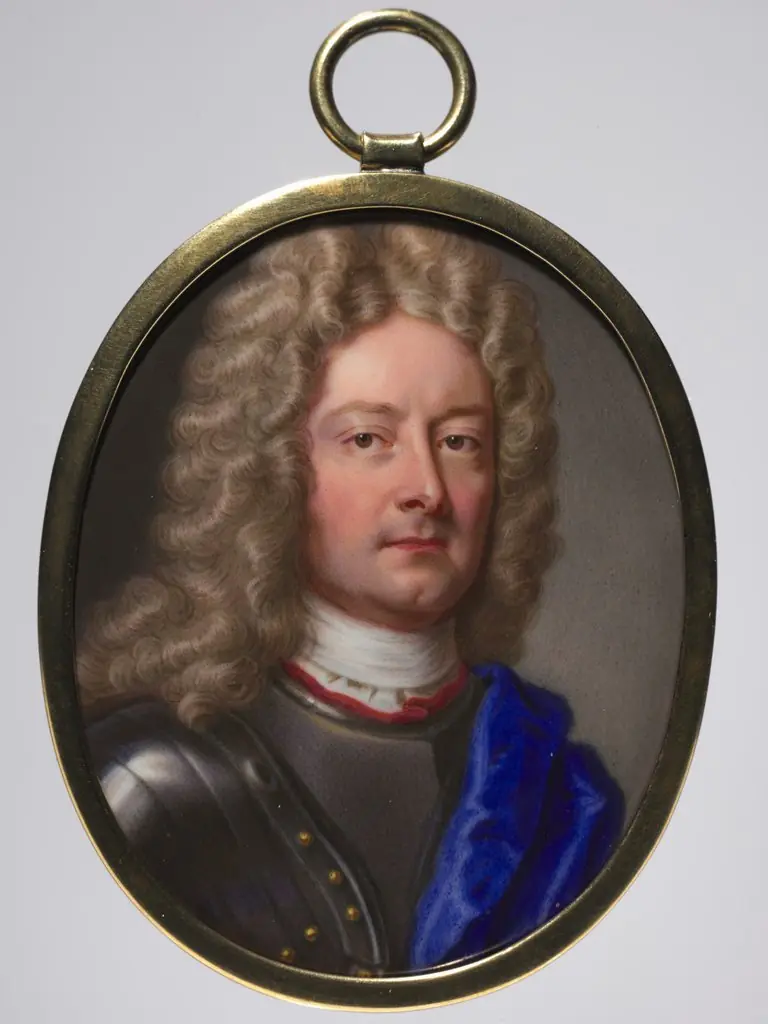 Portrait of John Churchill, 1st Duke of Marlborough
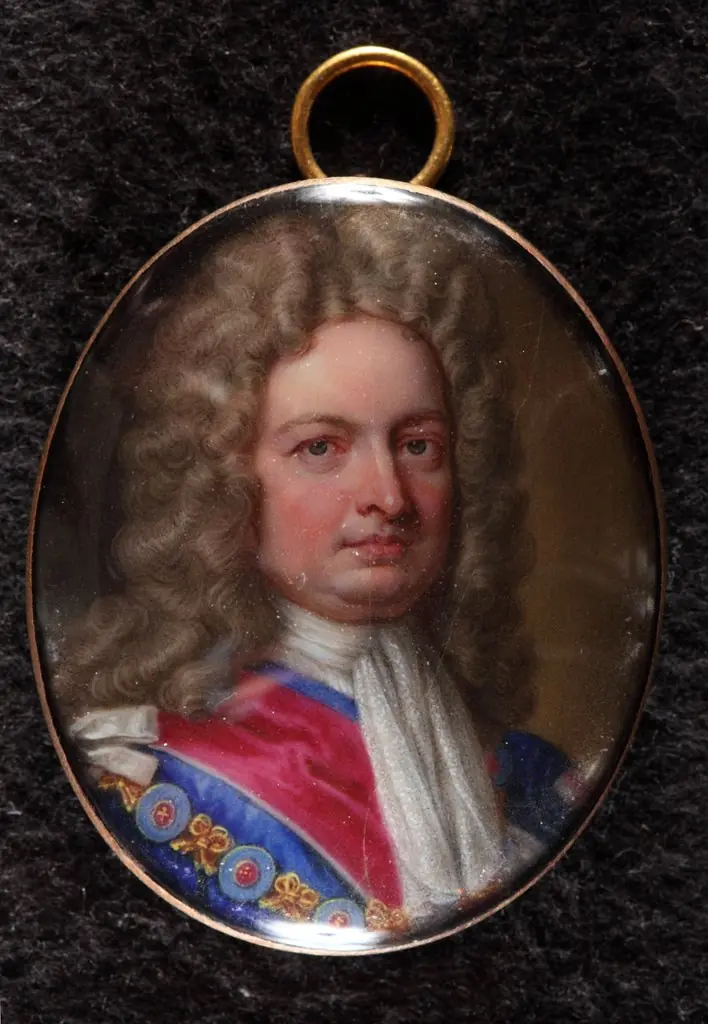 Robert Harley, Earl of Oxford
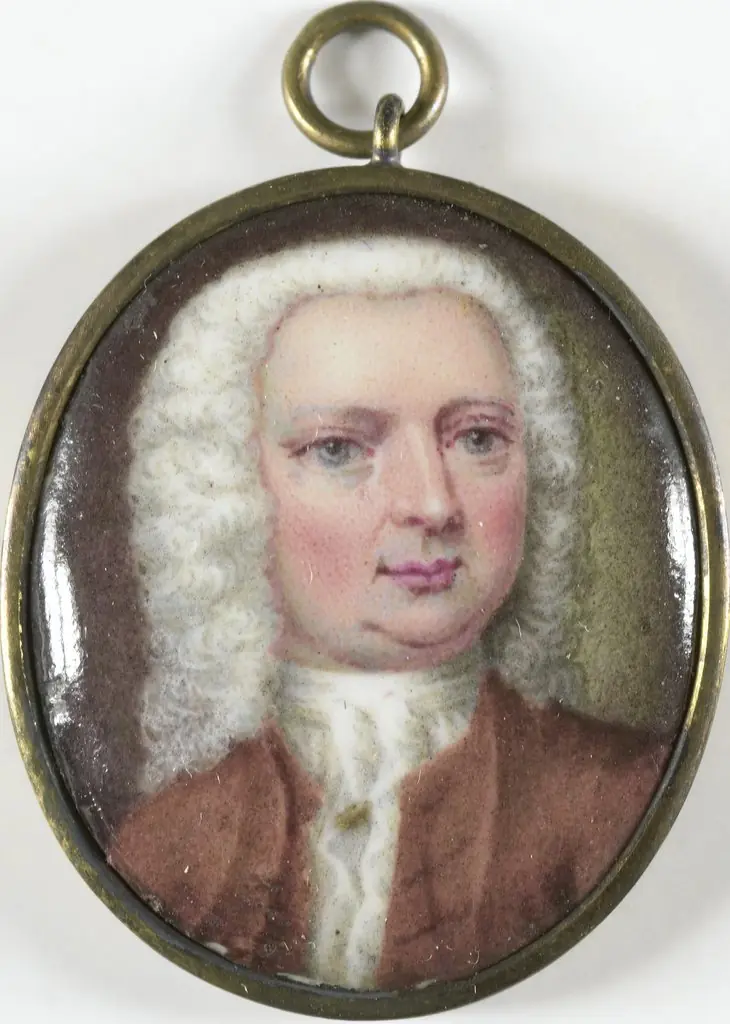 Portrait of an unknown man
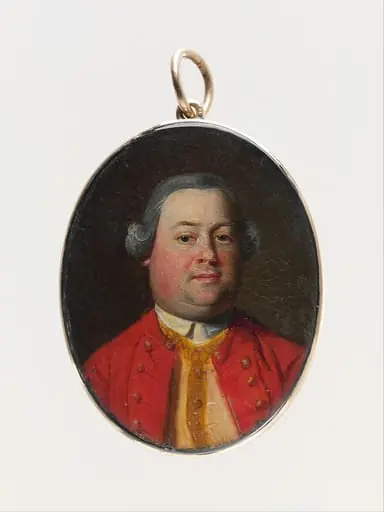 Moses Gill
 Valtaneuvos Clas Ekeblad