Artwork
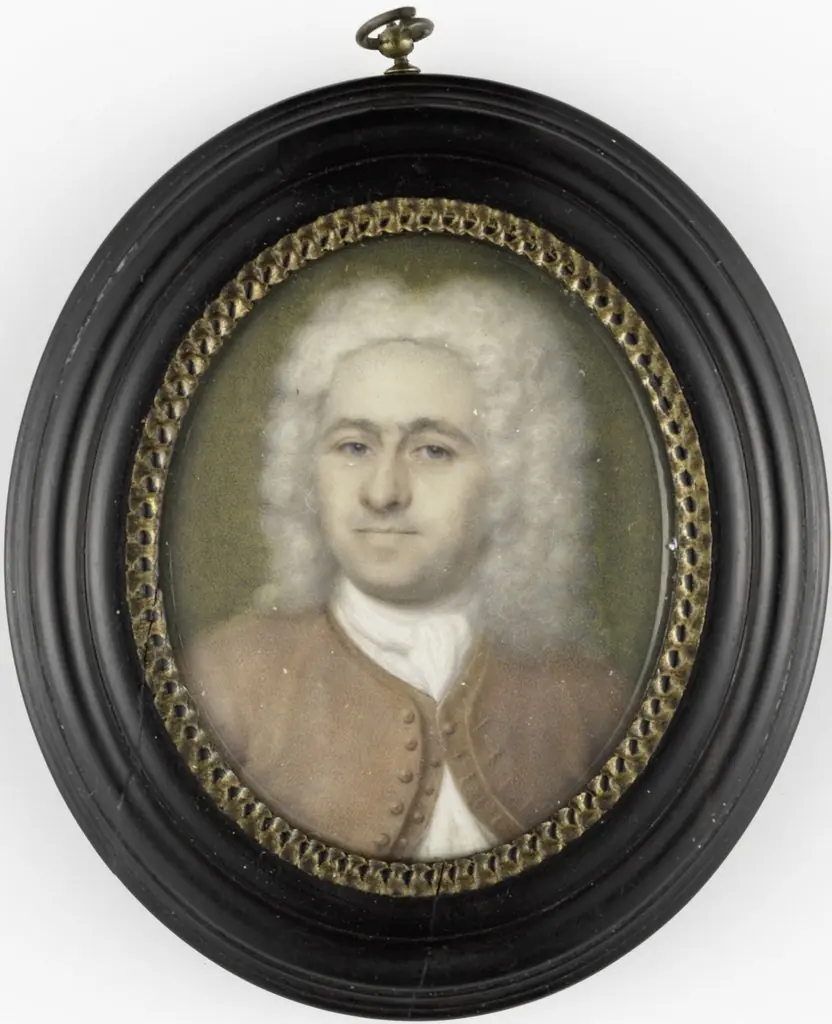
Portrait of an unknown man
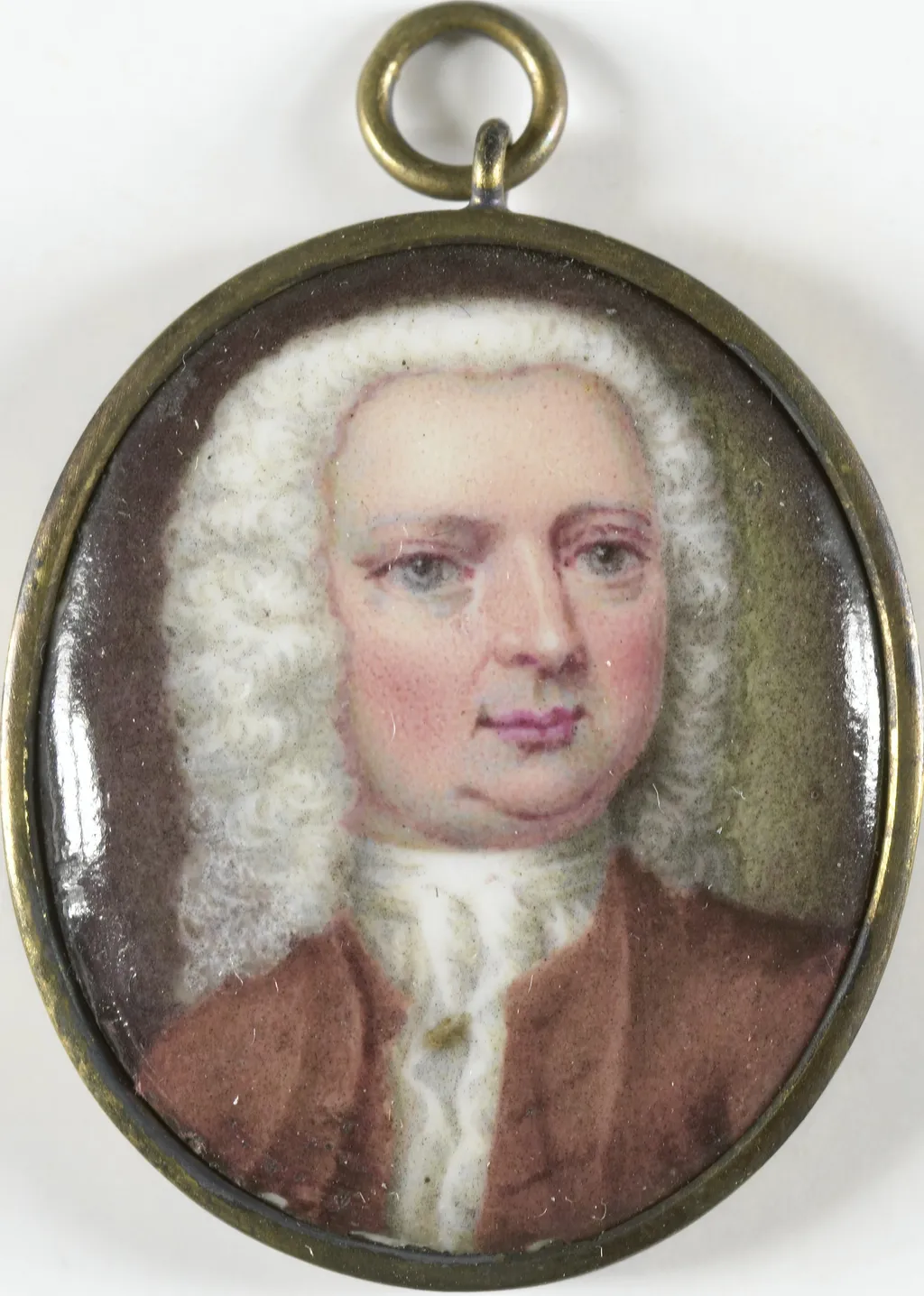
Portrait of an unknown man is a copper painting by the Rococo painting artist Johan Graham. It dates from 1737 and is held in the collection of the Rijksmuseum.
About this work
Subject & Meaning
" The painting belongs to the genre of portraiture, a category focused on depicting individual likenesses rather than narrative or allegorical scenes.
The work is a portrait of an unnamed male sitter, identified only as "an unknown man." The painting belongs to the genre of portraiture, a category focused on depicting individual likenesses rather than narrative or allegorical scenes. Because the sitter's identity is not recorded, the image functions as a study of a single figure rather than a commemorative or symbolic representation of a known person.
No attributes, objects, or emblems are documented that would carry specific iconographic meaning, and the sources do not attach any allegorical, religious, or emblematic symbolism to the figure. The painting is therefore understood primarily as a straightforward likeness of a man, executed on a small copper support typical of intimate portrait studies of the period.
Technique & Style
The portrait was painted in 1737 on a copper support, a medium that yields an exceptionally smooth surface ideal for fine detail. Johan Graham employed casein paint, a fast-drying, water-based medium bound with milk protein, which allows for precise handling and luminous, opaque layers. The small scale of the work, 3.1 by 2.5 cm, suggests an intimate, meticulously rendered image typical of miniature or pocket-sized portraits of the period.
The smooth copper plate would have enabled the crisp definition of facial features and textiles characteristic of Graham's formal portraiture.
History & Provenance
Portrait of an unknown man is held in the Rijksmuseum collection, with inventory number SK-A-3580. The work measures 3.1 cm in height and 2.5 cm in width. It has been exhibited at the Rijksmuseum in the 2011 exhibition "Nineteenth Century Art from the Rijksmuseum" and again in the 2015 exhibition "Dutch and Flemish Portraits from the Rijksmuseum".
Context
Portrait of an unknown man (1737) by Johan Graham exemplifies 18th-century European portraiture, reflecting the era's focus on individual representation through formal composition and material experimentation with copper supports. Its attribution to John (I) Graham situates it within a pivotal period of portrait painting's evolution, as documented in major institutional collections like the Rijksmuseum. Scholarship emphasizes its significance as a case study in early modern portrait genre conventions, where depictions of unnamed sitters reveal contemporary social dynamics and artistic techniques.
The work's material properties, casein paint on copper, demonstrate period-specific methods of support preparation and pigment application, contributing to understanding of technical innovations in painting practice. Its presence in a leading museum collection underscores its recognized importance in art historical narratives of the genre, though its unidentified subject remains a focal point for ongoing research into patronage and portraiture's role in Enlightenment-era visual culture.
Overview
Portrait of an unknown man is a small oval copper painting created by Johan Graham in 1737. It is currently part of the collection at the Rijksmuseum.
Own this work as a print
Artist & collection

- Herman Wolters (1682-1756). husband of the painter
 Richard Abell
 Portrait of a Man
 Robert Harley, Earl of Oxford
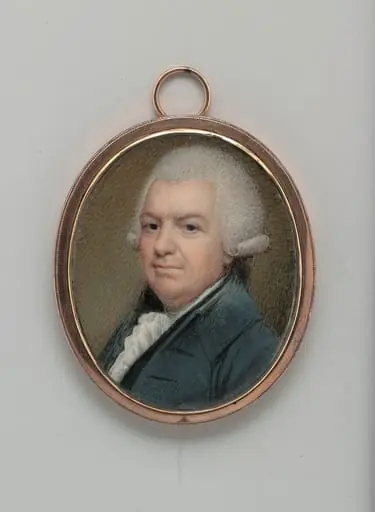 Stephen Hooper
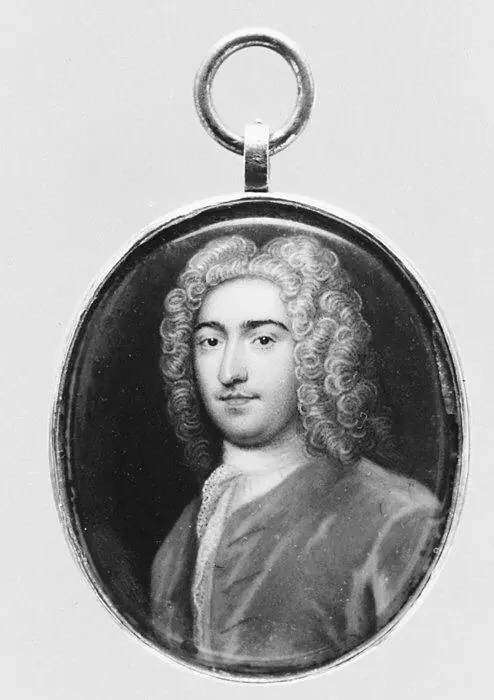 Portrait of a Man
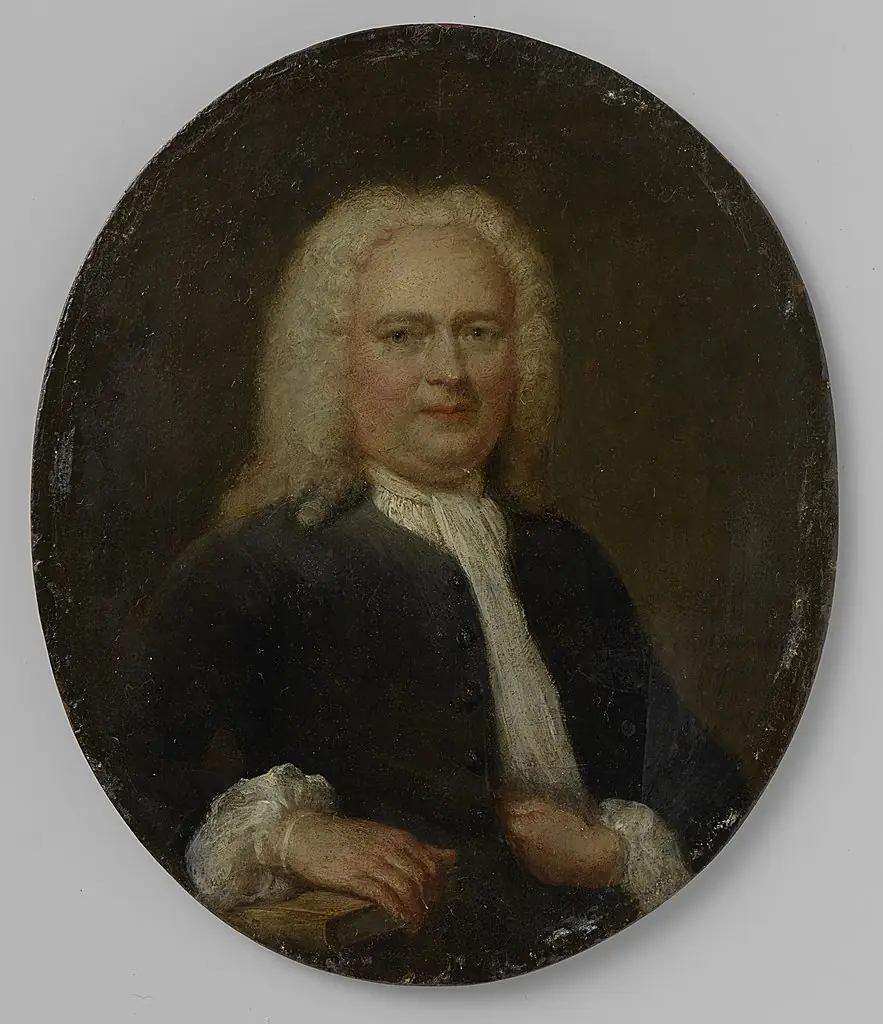 Portrait of a Man, perhaps a Member of the Klinkhamer Family
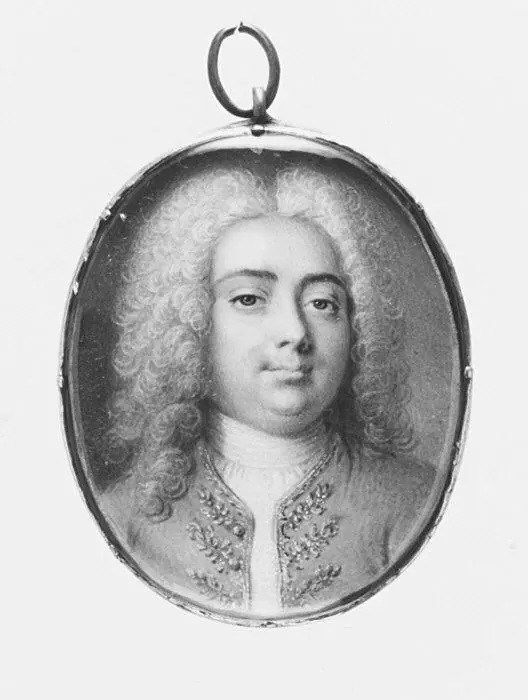 Portrait of a Man
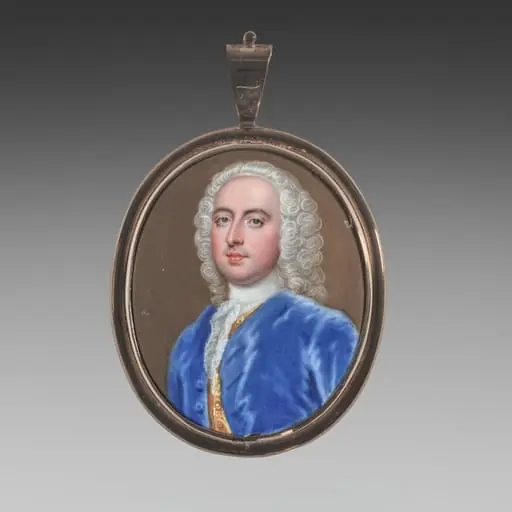 Portrait of a Man
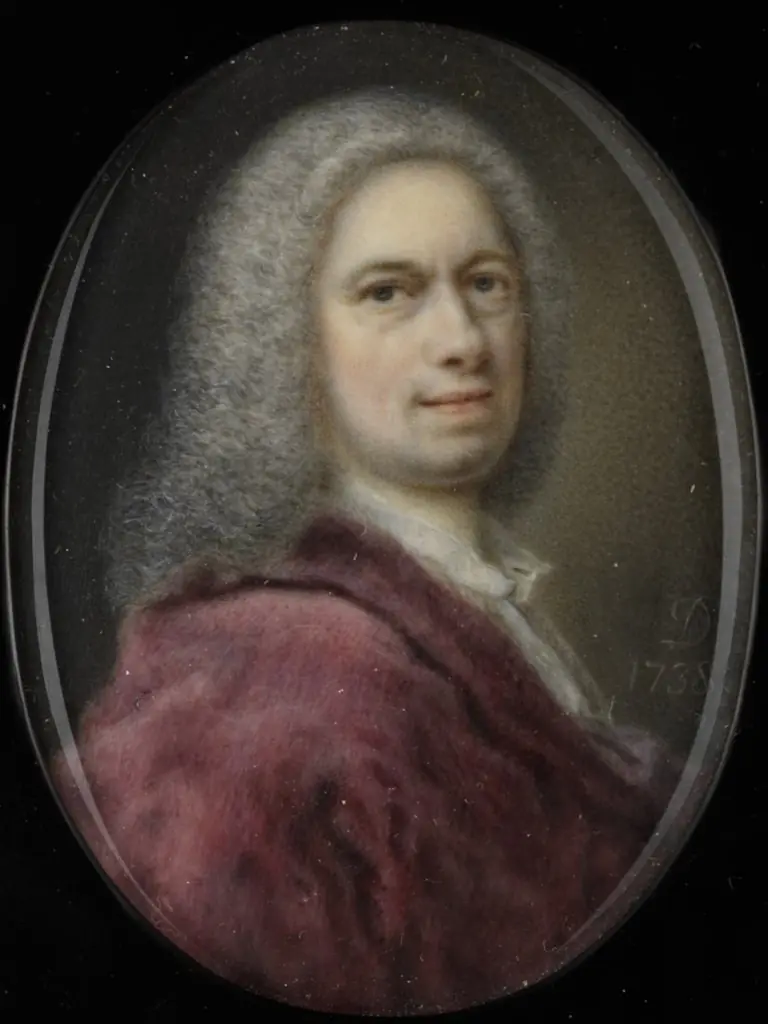 Self-portrait
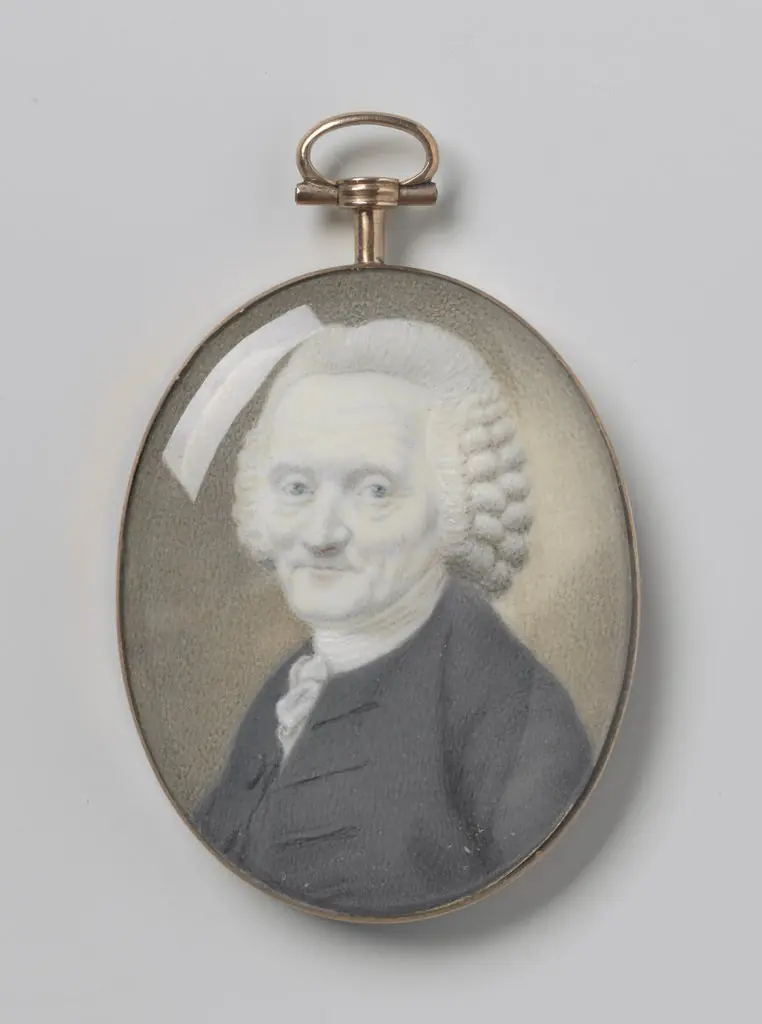 Portret van een 73-jarige man
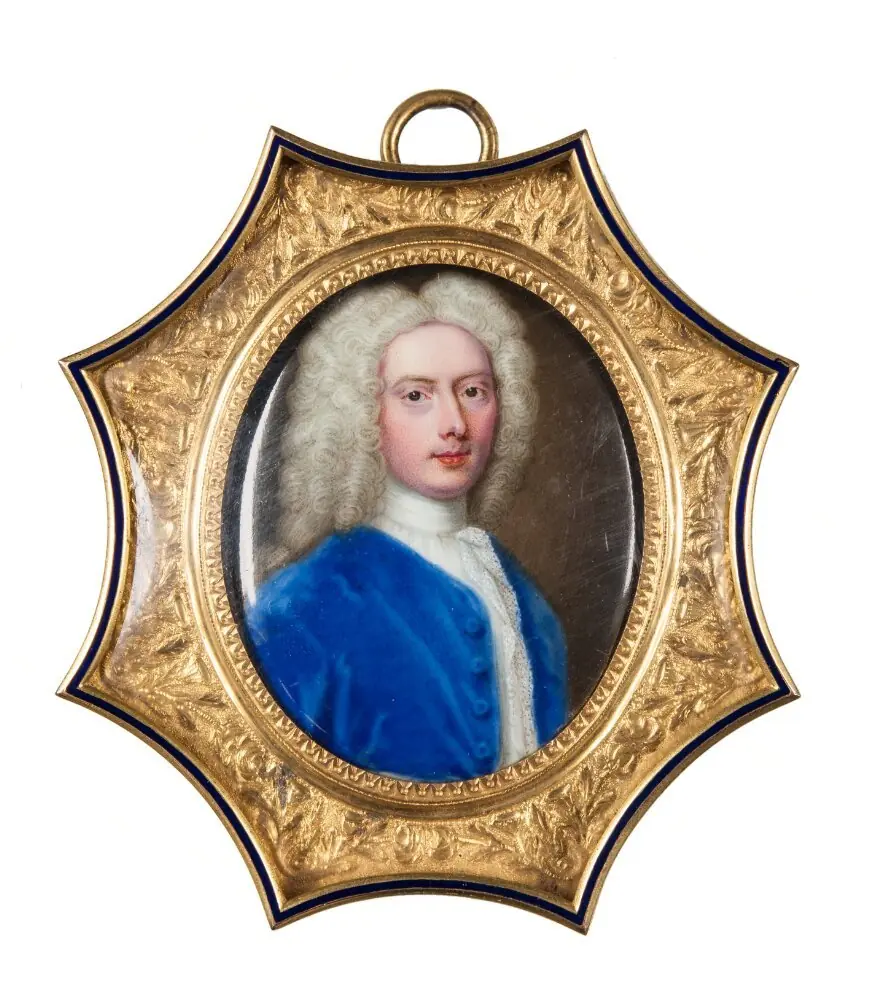 Unknown man, called Francis Dayrell, lord Ashley