Artwork
Portrait of a Man of the Moncheaux Family
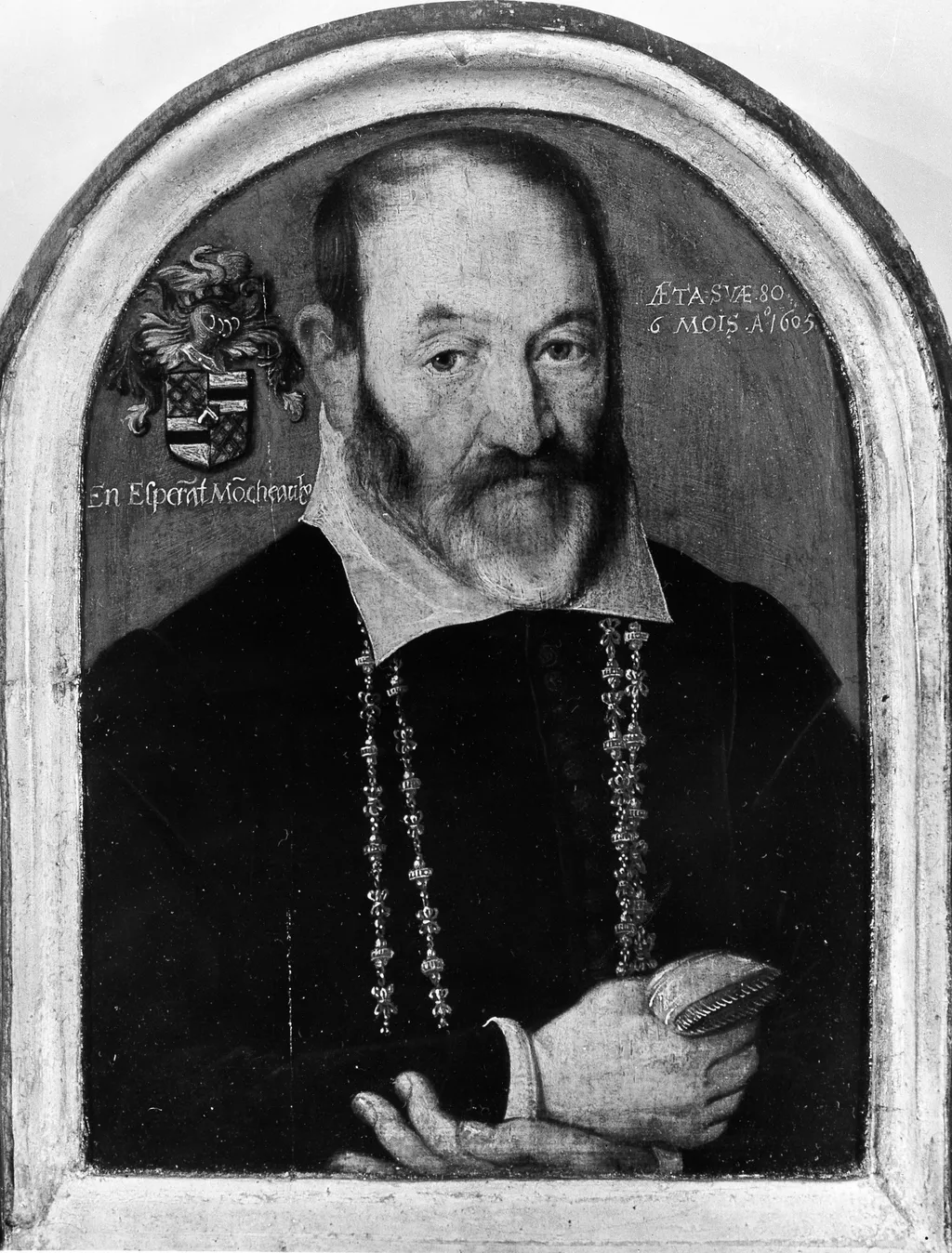
Portrait of a Man of the Moncheaux Family is an oil painting. It dates from 1605 and is held in the collection of the Metropolitan Museum of Art. This oil painting, created in 1605, presents a formal portrait of an older gentleman from the Moncheaux family.
About this work
A serious man in his 50s or 60s, in a dark high-collared coat and a beaded necklace, his right hand resting on a small object, maybe a glove or a ring. Behind his head sits a coat of arms with a shield and crown. Painted in 1605, the sitter is from the Moncheaux family, his face shaped by careful shading. For the technique, look up chiaroscuro.
Subject & Meaning
The work, executed in oil on panel in 1605, emphasizes lineage and social standing through the heraldic emblem displayed on his garment.
The painting portrays a male member of the Moncheaux family, a subject identified by his coat of arms and contemporary dress, indicating aristocratic affiliation. The work, executed in oil on panel in 1605, emphasizes lineage and social standing through the heraldic emblem displayed on his garment. Its iconography suggests a commemoration of family heritage, aligning with the portrait genre’s function of asserting status in early‑17th‑century northern France.
The depiction also reflects the sitter’s role within his household, as noted in the documented collection and exhibition history of the Metropolitan Museum of Art.
Technique & Style
The portrait is executed in oil paint on a wood panel support, measuring 22.9 cm in height and 17.1 cm in width. The handling reflects the restrained, linear precision characteristic of early 17th-century northern French portraiture, with fine detailing in the sitter’s facial features and costume, including the depiction of a coat of arms. The composition is tightly framed, focusing attention on the figure’s sober expression and the structured folds of his clothing.
The technique emphasizes smooth modeling and subtle tonal transitions rather than pronounced brushwork, aligning with contemporary conventions for individualized yet restrained portraiture.
History & Provenance
The painting was created circa 1605 by an anonymous Northern French artist, as indicated by its dating to the early 17th century. The work’s small panel support and heraldic details suggest it was commissioned as a private portrait, likely for a member of the Moncheaux family, whose coat of arms appears in the composition. The portrait entered the collection of the Metropolitan Museum of Art in New York, where it is held as part of the Michael Friedsam bequest.
Its exhibition history includes inclusion in the 1924 "Loan Exhibition of French Primitives and Objects of Art" at the museum, confirming its institutional provenance from at least that period onward.
The Portrait of a Man of the Moncheaux Family is held in the collection of the Metropolitan Museum of Art in New York. While the specific accession number is not detailed in the provided records, the work is attributed to the collection of the late Michael Friedsam. The painting, created circa 1605 by an anonymous northern French artist, has a documented exhibition history that includes its display in the Loan Exhibition of French Primitives and Objects of Art.
The artwork remains part of the museum's permanent holdings, where it is cataloged as an oil-on-panel portrait depicting a man and a coat of arms.
Legacy
The painting entered the Metropolitan Museum of Art and was featured in the museum’s Loan Exhibition of French Primitives and Objects of Art, signaling its acceptance among early‑20th‑century French decorative arts circles. Its inclusion in a prominent public collection and subsequent scholarly attention have positioned it as a reference point for studies of anonymous northern French portraiture, influencing discussions of artistic anonymity and regional style in the early Baroque period.
Overview
This oil painting, created in 1605, presents a formal portrait of an older gentleman from the Moncheaux family. The subject, likely in his fifties or sixties, gazes directly forward with a somber expression. He is depicted wearing a dark, high-collared coat and a distinctive beaded necklace, conveying a sense of decorum and social standing characteristic of the period.
Artist & collection

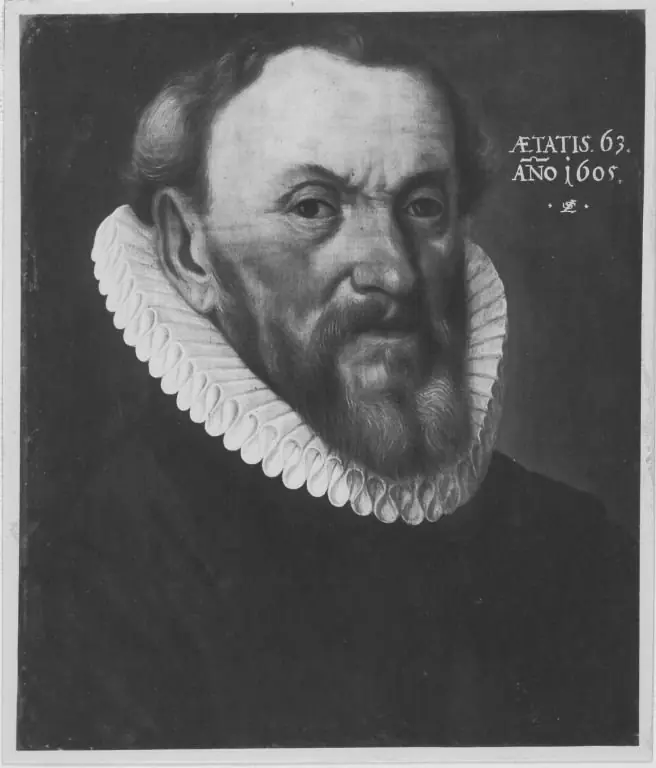
- Bildnis eines bärtigen Mannes
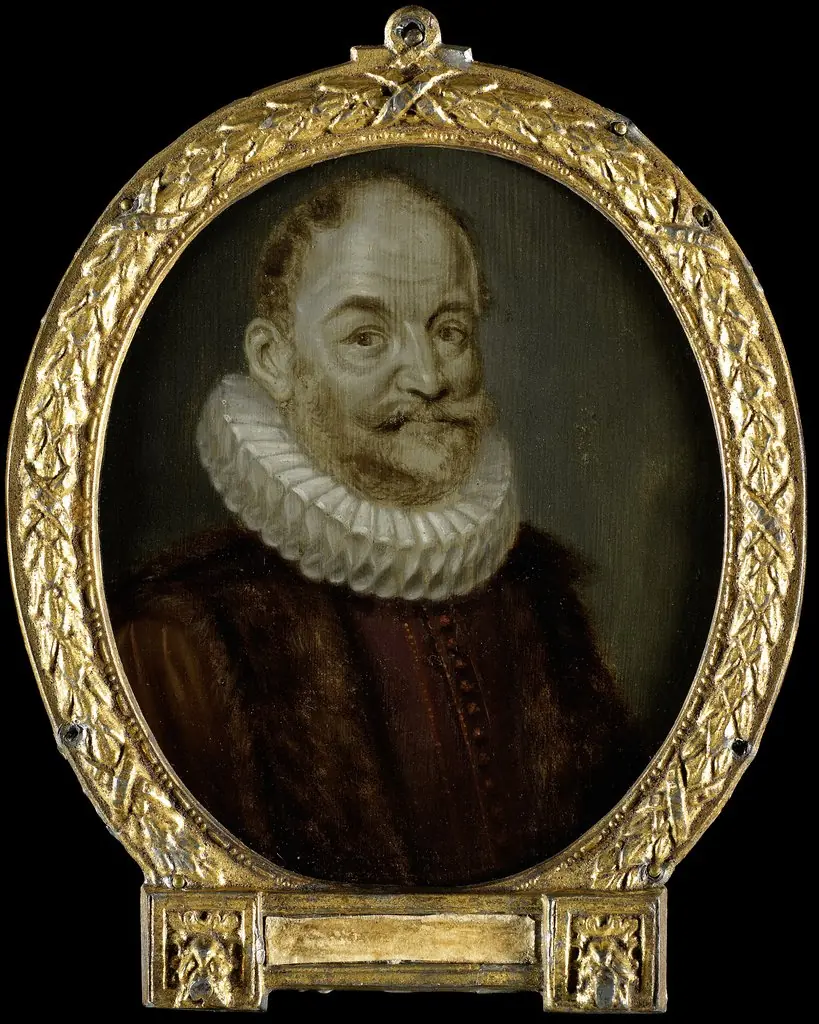 Portrait of Johannes Polyander à Kerckhoven, Professor of Theology in Leiden
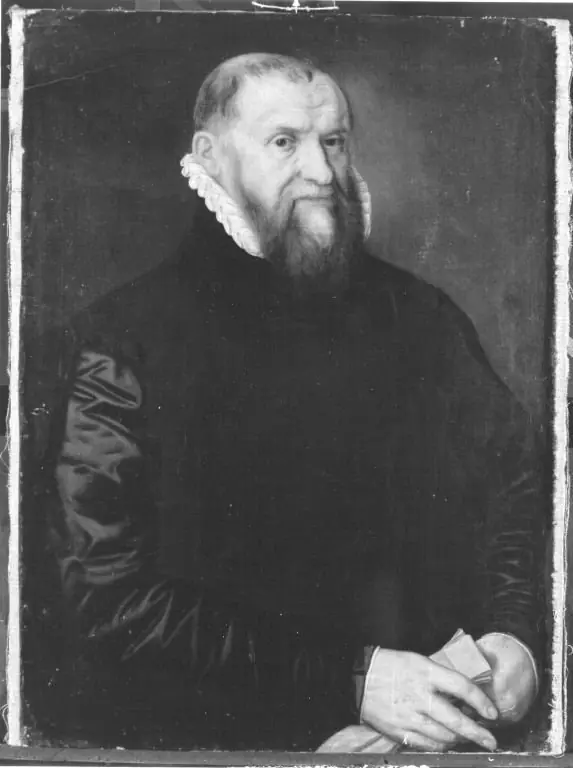 Bildnis eines Mannes (Art des)
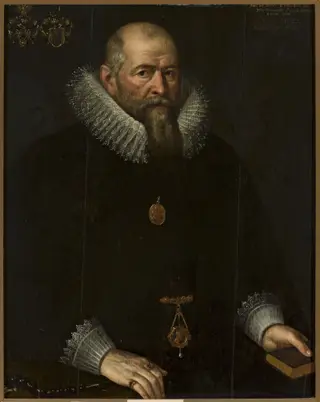 Portrait of Johan von Megen
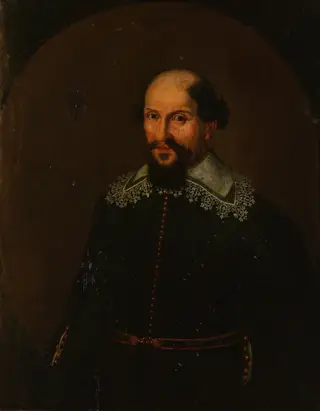 Portrait of Jacques Specx, Governor-General of the Dutch East Indies
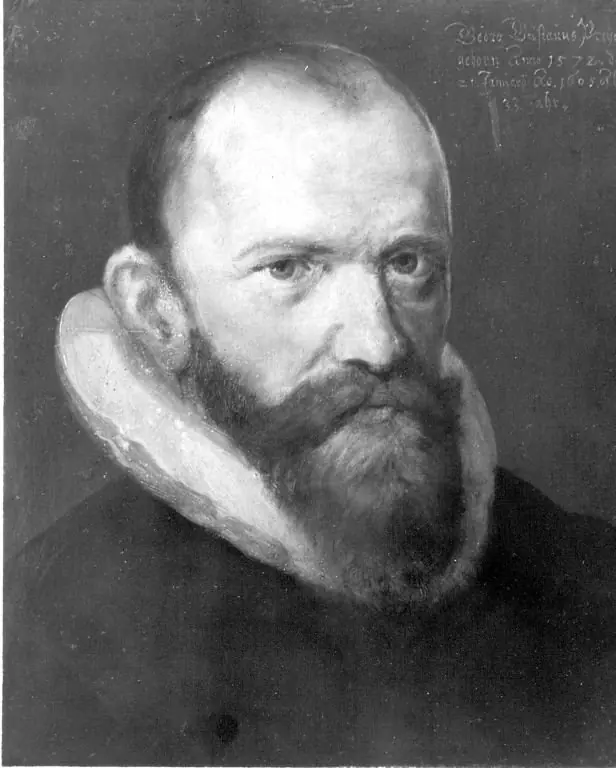 Bildnis des Georg Gustav Preyel
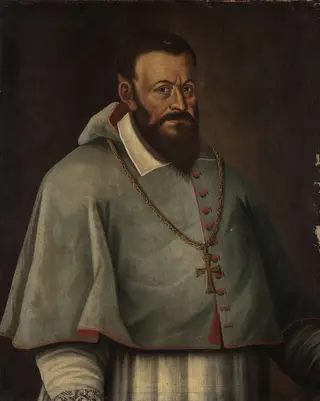 Portrait of Franciszek Krasiński (1525–1577), bishop of Kraków
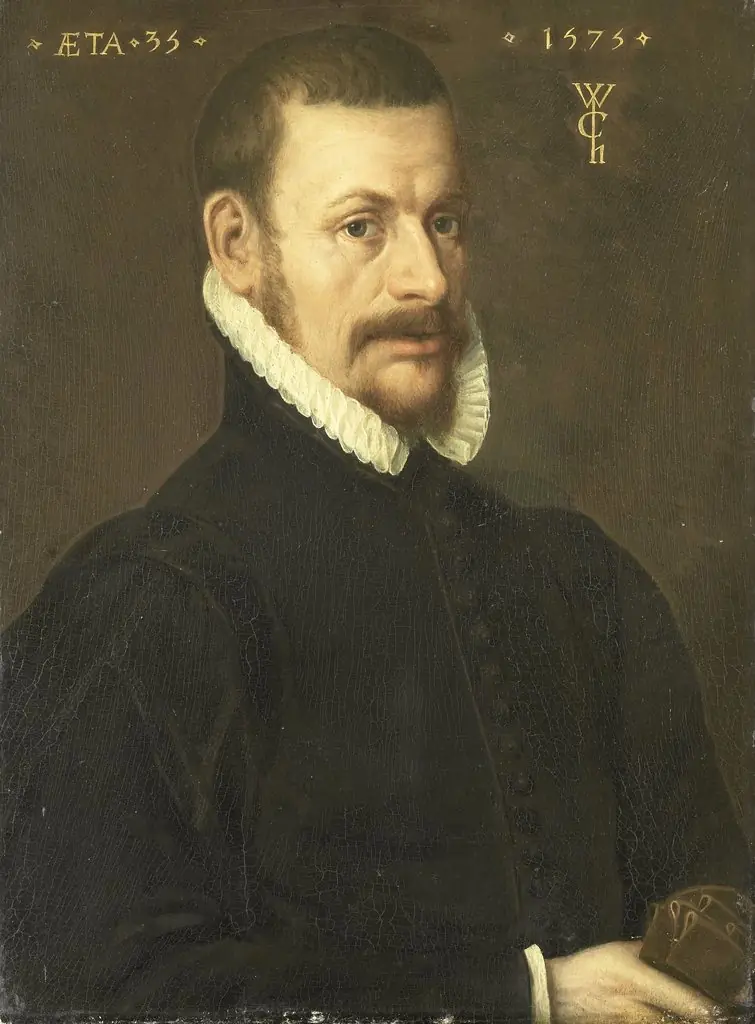 Portrait of Guilliam Courten, Husband of Margarita Cassier
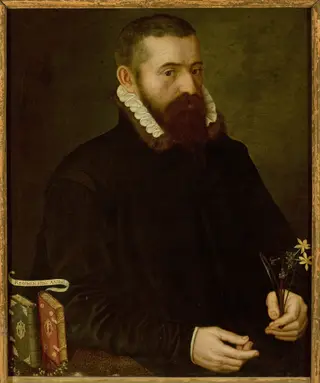 Portrait of a man
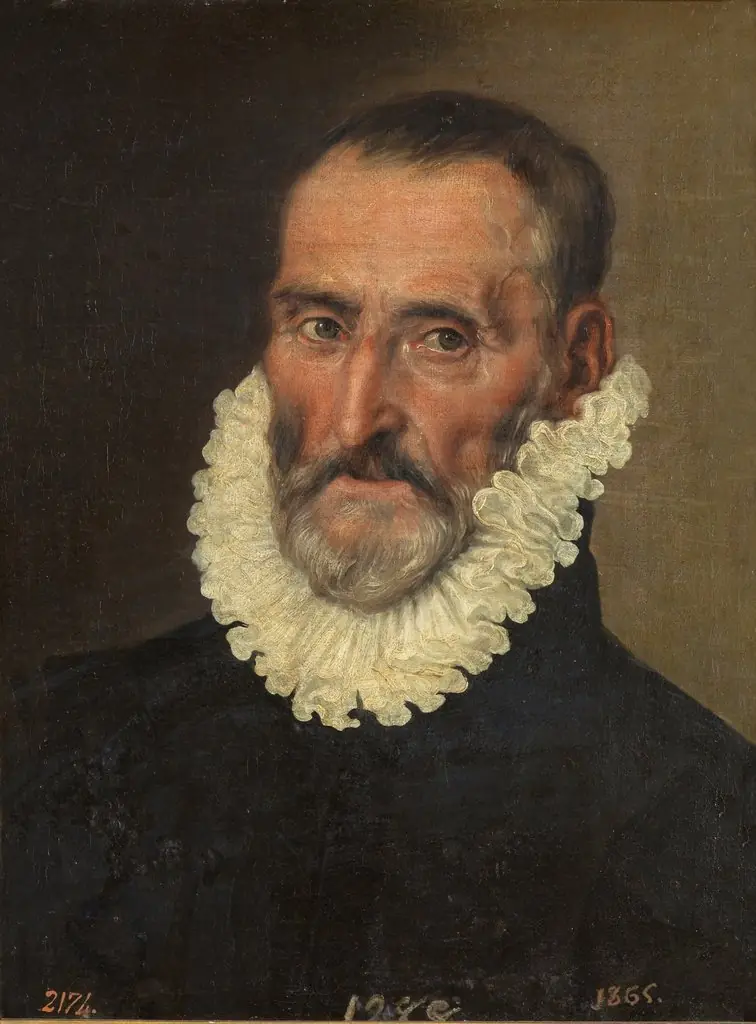 Portrait of an elderly Man
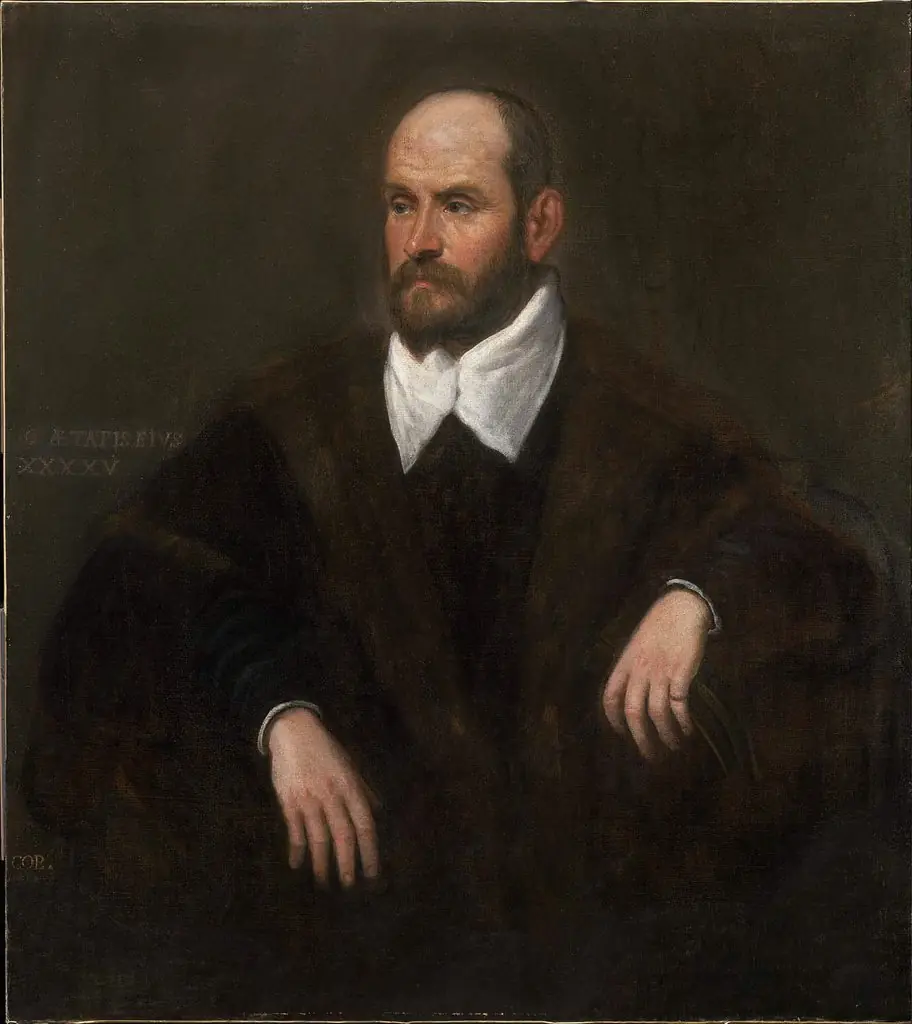 Portrait of a Man
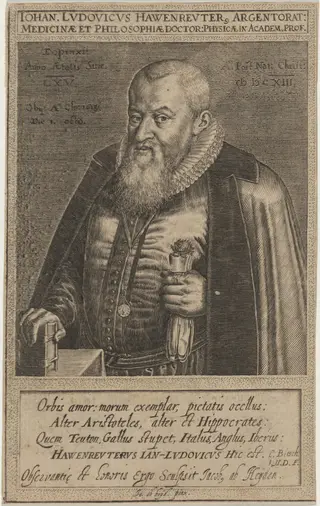 Johan Ludovicus Hawenrenter
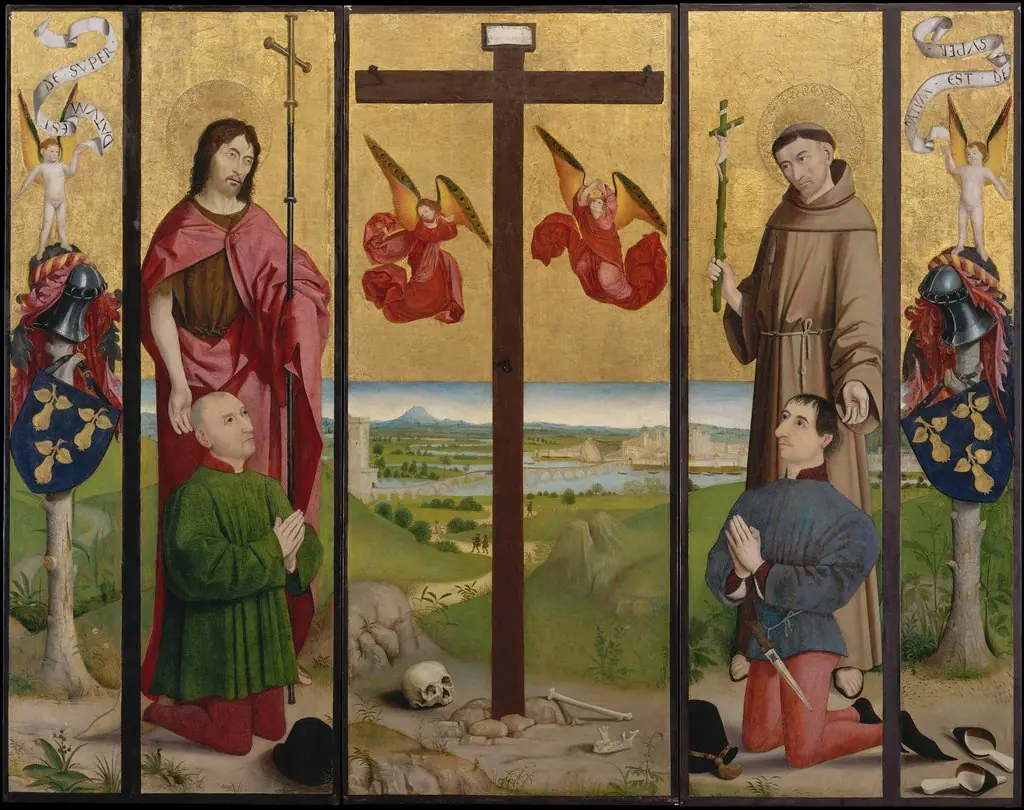 The Pérussis Altarpiece
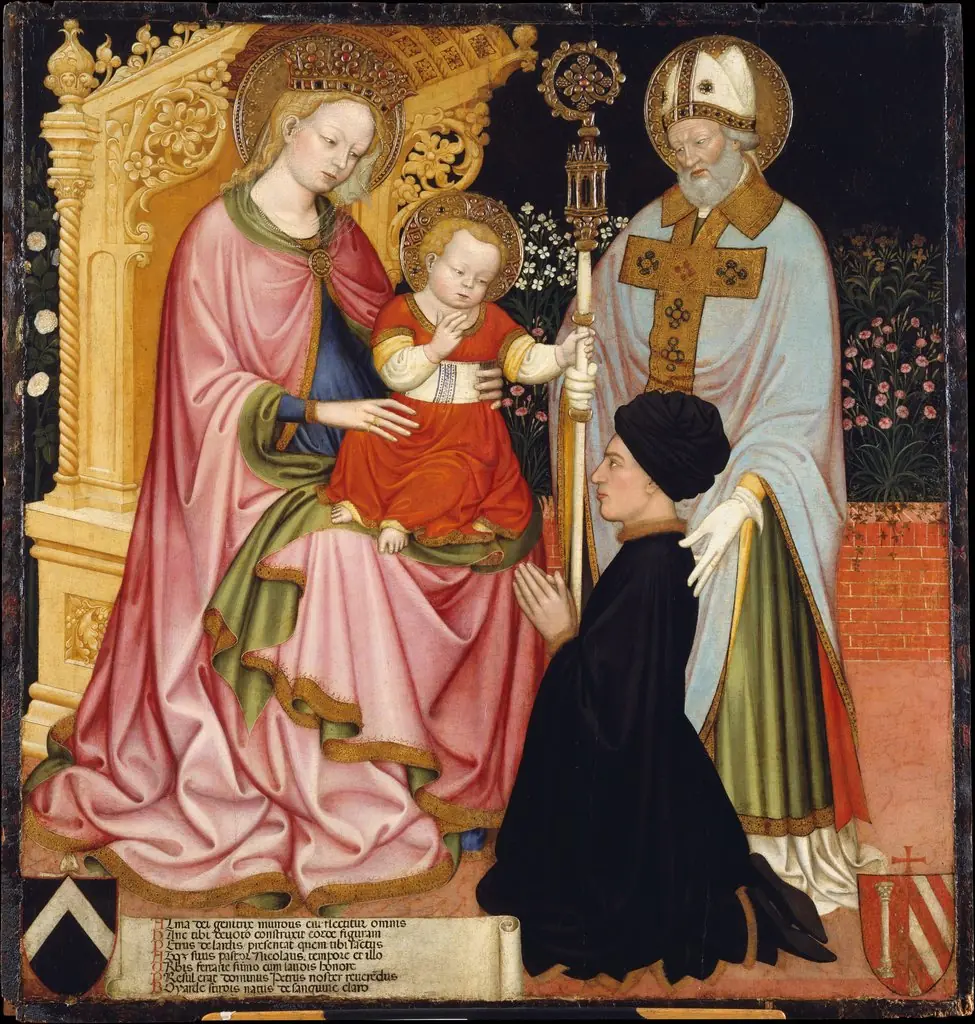 Madonna and Child with the Donor, Pietro de' Lardi, Presented by Saint Nicholas
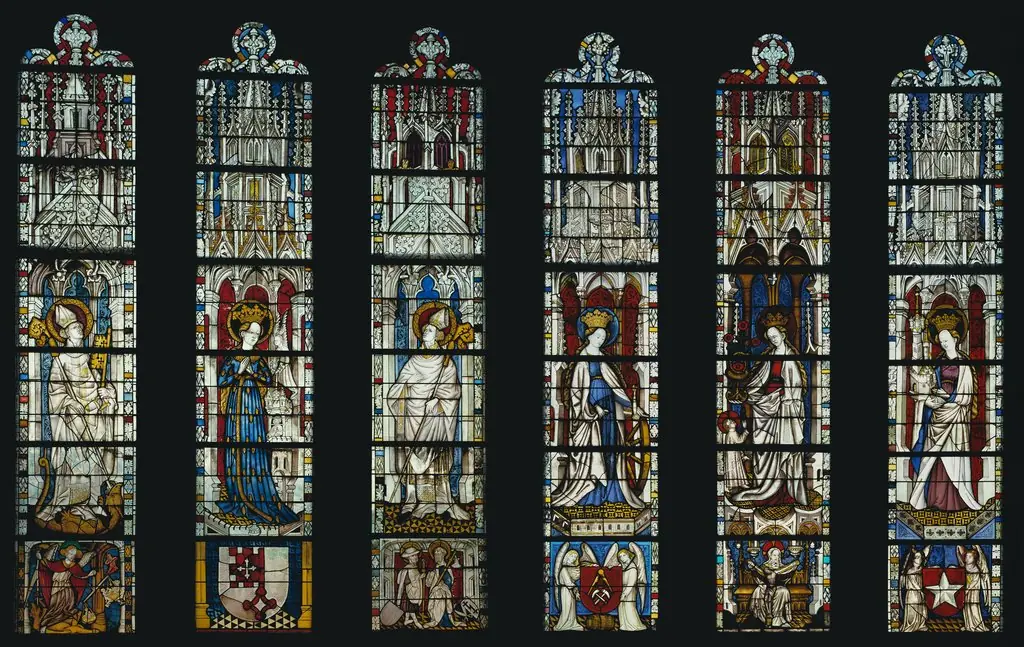 The Virgin Mary and Five Standing Saints above Predella Panels
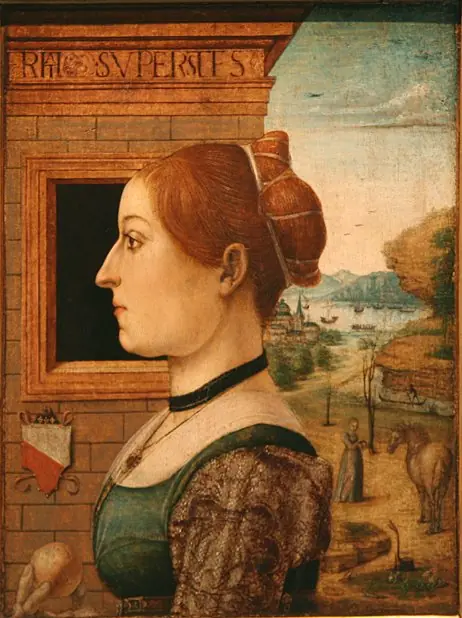 Portrait of a Woman, possibly Ginevra d'Antonio Lupari Gozzadini
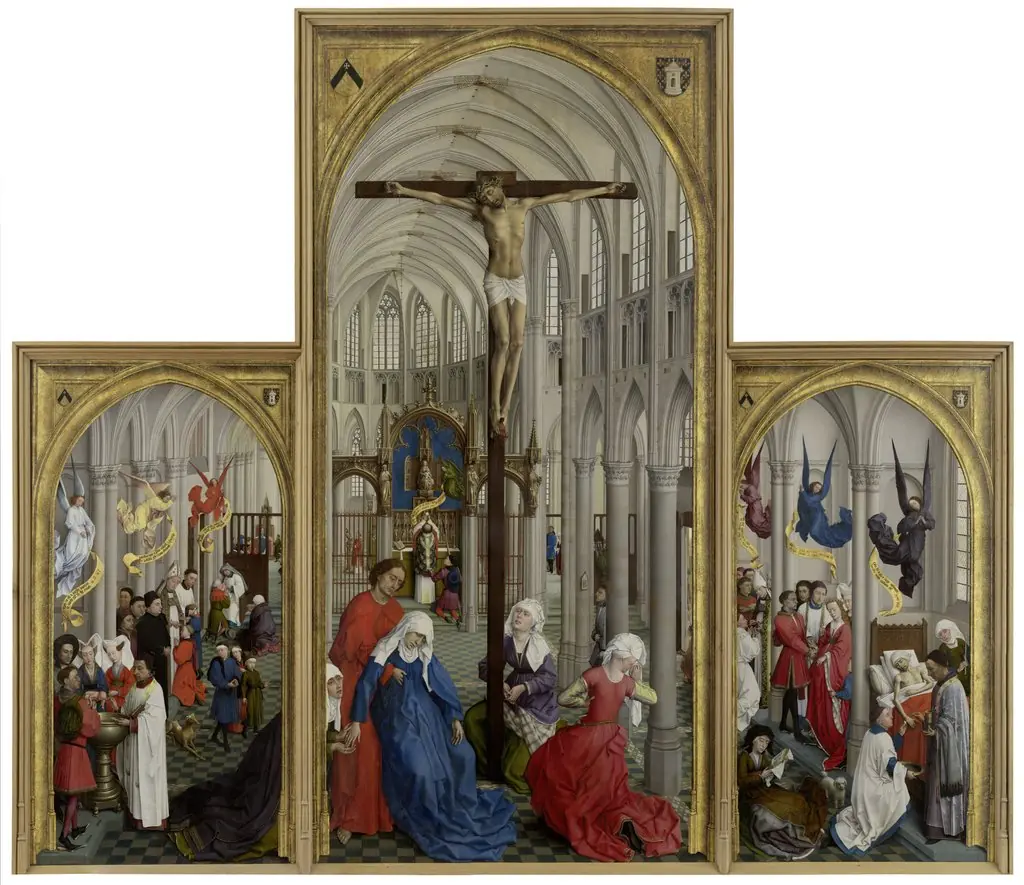 The Seven Sacraments
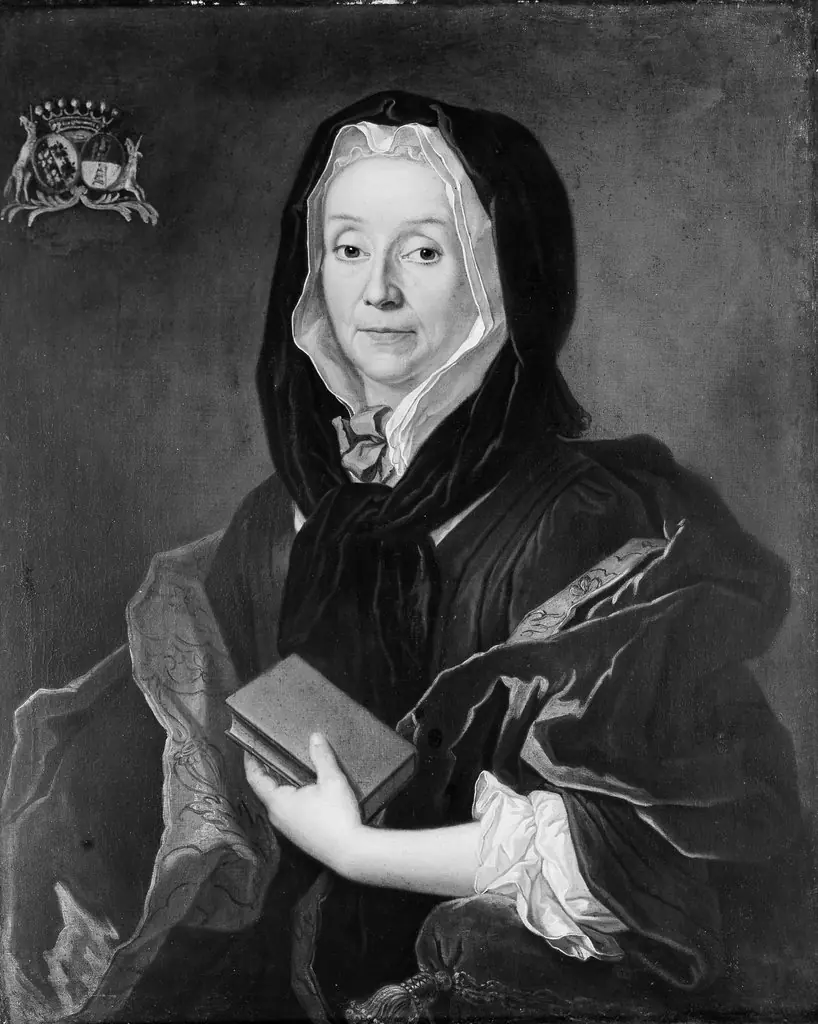 Portrait of a Woman Holding a Book
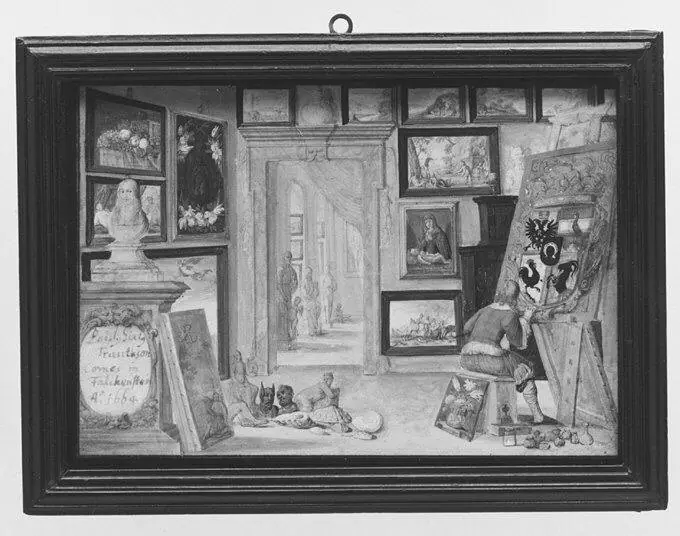 An Artist Painting a Heraldic Shield in a Cabinet of Curiosities
 Angel Supporting a Heraldic Shield