Artwork
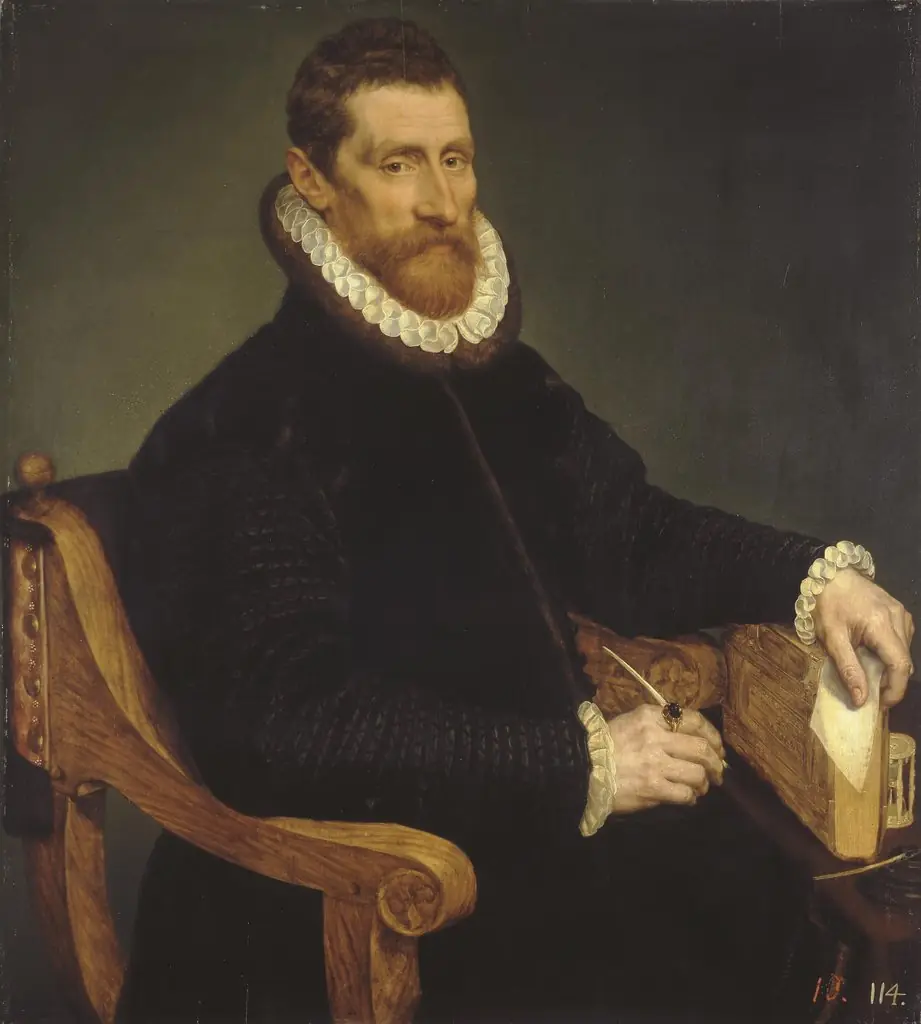
Portrait of an elderly Man
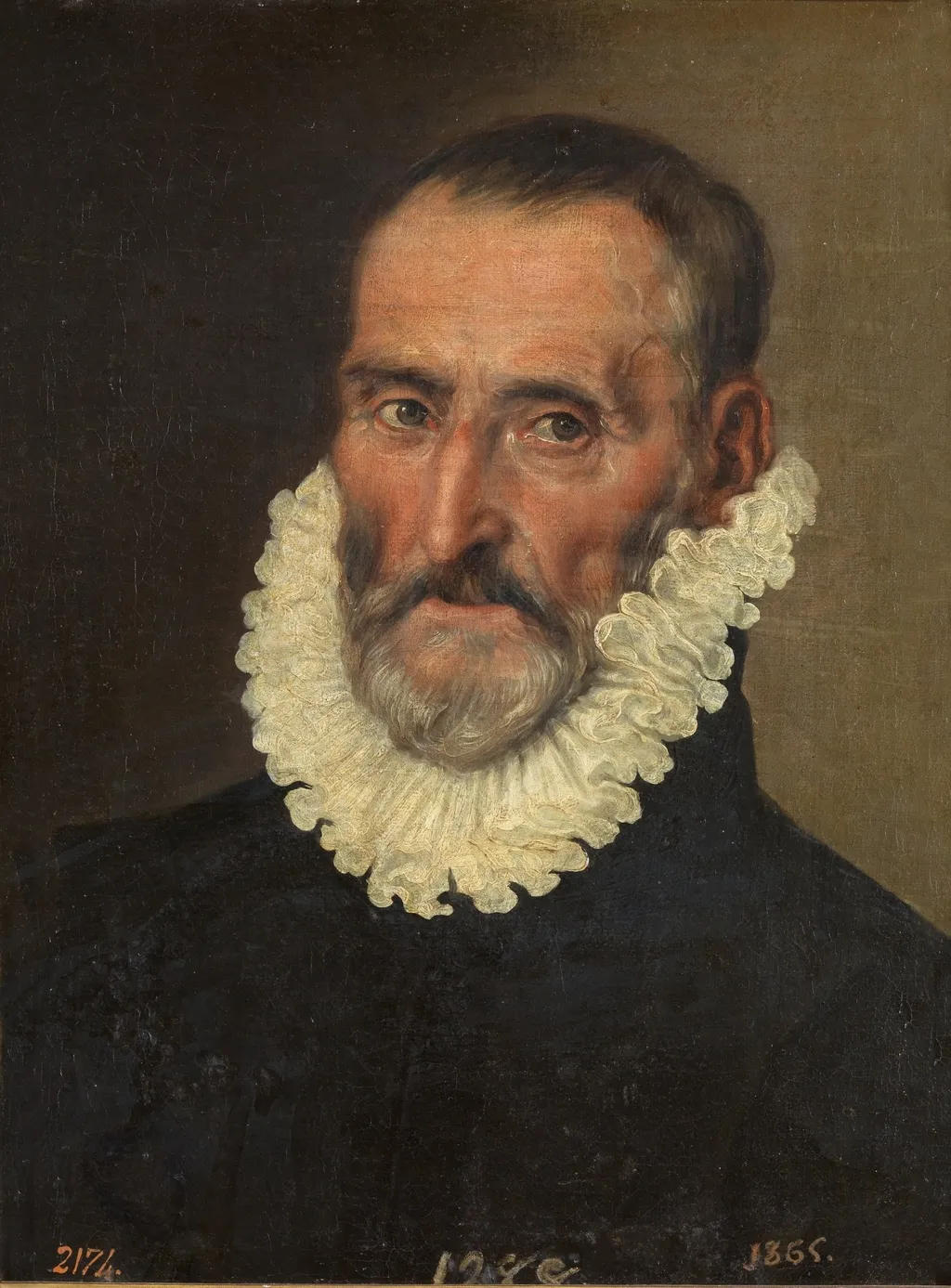
Portrait of an elderly Man is an oil painting by the Early Baroque Italian artist Luis Tristán. It dates from 1620 and is held in the collection of the Museo del Prado.
About this work
The artist used soft lighting to show depth in his face, especially around the beard and forehead.
This is a close-up portrait of a man with a thick white beard and ruff collar. His face is wrinkled, and his eyes look straight ahead. The background is plain and dark, focusing all attention on him.
The artist used soft lighting to show depth in his face, especially around the beard and forehead. The date "1625" is faintly written in the corner, but the painting is from around 1620.
Try looking up chiaroscuro to see how this lighting trick works in other paintings.
Subject & Meaning
The painting shows an elderly man rendered in oil on canvas, likely intended to capture the dignified presence of an older individual. Its iconography centers on the sitter’s age and bearing, suggesting contemplation and the passage of time rather than a narrative episode. Symbolic elements are subtle, focusing on the realistic portrayal of wrinkles and posture to convey wisdom and experience.
The work’s meaning is tied to its function as a portrait within the Baroque tradition, emphasizing personal identity and status in 17th‑century Spain.
The piece is housed in the Museo del Prado, where it remains part of the museum’s collection of Tristán’s portraits.
The subject is an old man, depicted with a focus on age-related features that convey maturity and reflection.
Technique & Style
Luis Tristán's Portrait of an elderly Man is executed in oil paint on canvas, a medium typical for early 17th-century Spanish portraiture. The work, dated to 1620, depicts an old man and measures 47 cm in height by 34 cm in width. As a portrait classified within the genre of portraiture, the painting relies on the direct representation of its subject, an elderly male figure. The piece is currently held in the collection of the Museo del Prado.
History & Provenance
Luis Tristán created the oil painting Portrait of an elderly Man in 1620. Executed on canvas, the work depicts an old man and measures 47 cm in height by 34 cm in width. The painting is currently held in the collection of the Museo del Prado, where it remains located.
Overview
Luis Tristán’s Portrait of an Elderly Man is an oil painting dated to around 1620. The work presents a close‑up view of an aged figure, his white beard and ruff collar rendered against a plain, dark backdrop that isolates the sitter. The painting is part of the collection of the Museo del Prado in Madrid.
Context
Created during a transitional period in Spanish art, the painting illustrates the shift from the decorative, artificial qualities of Mannerism toward the more naturalistic and dramatic approach of the Baroque. Tristán’s adoption of Italianate lighting techniques aligns him with contemporaneous developments in European portraiture, marking the work as a bridge between two stylistic eras.
Own this work as a print
Artist & collection
Artist
Luis Tristán de Escamilla, also known as Luis de Escamilla or Luis Rodríguez Tristán (c.1585, Toledo - 1624, Toledo), was a Spanish painter in the mannerist style.

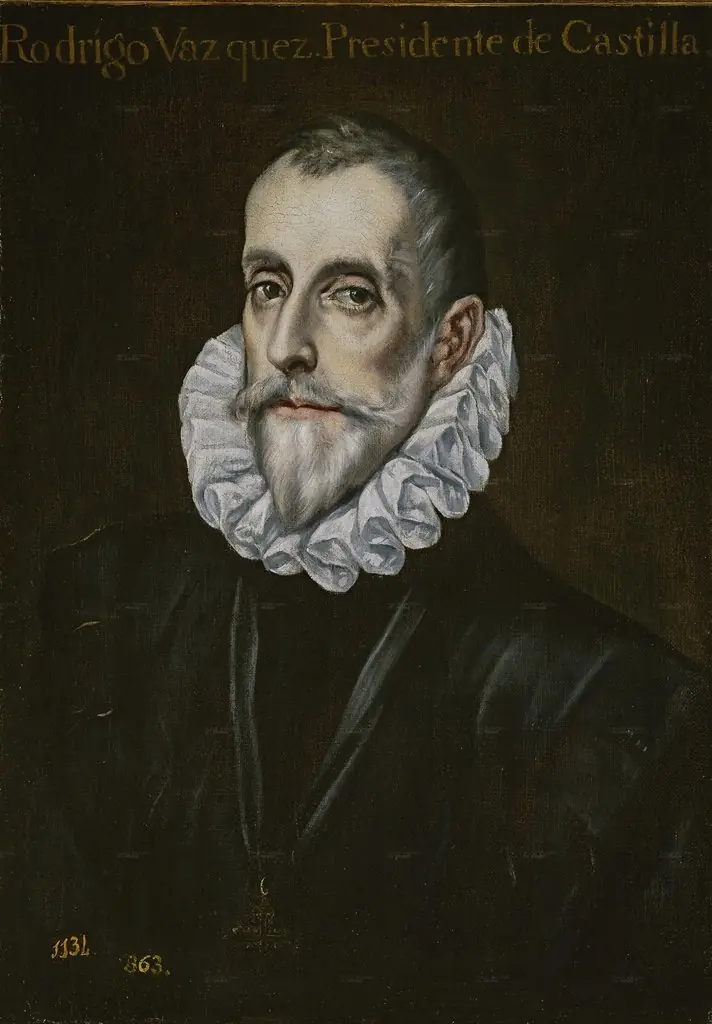 Portrait of Rodrigo Vázquez de Arce
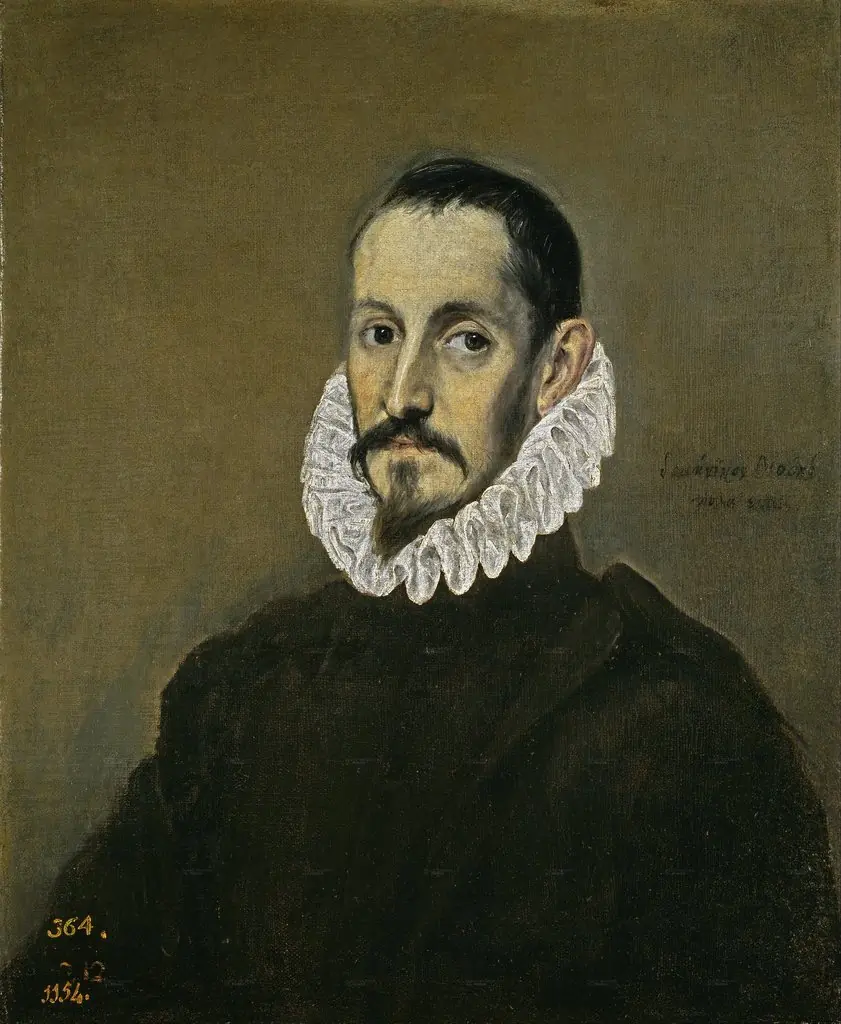 Portrait of a gentleman
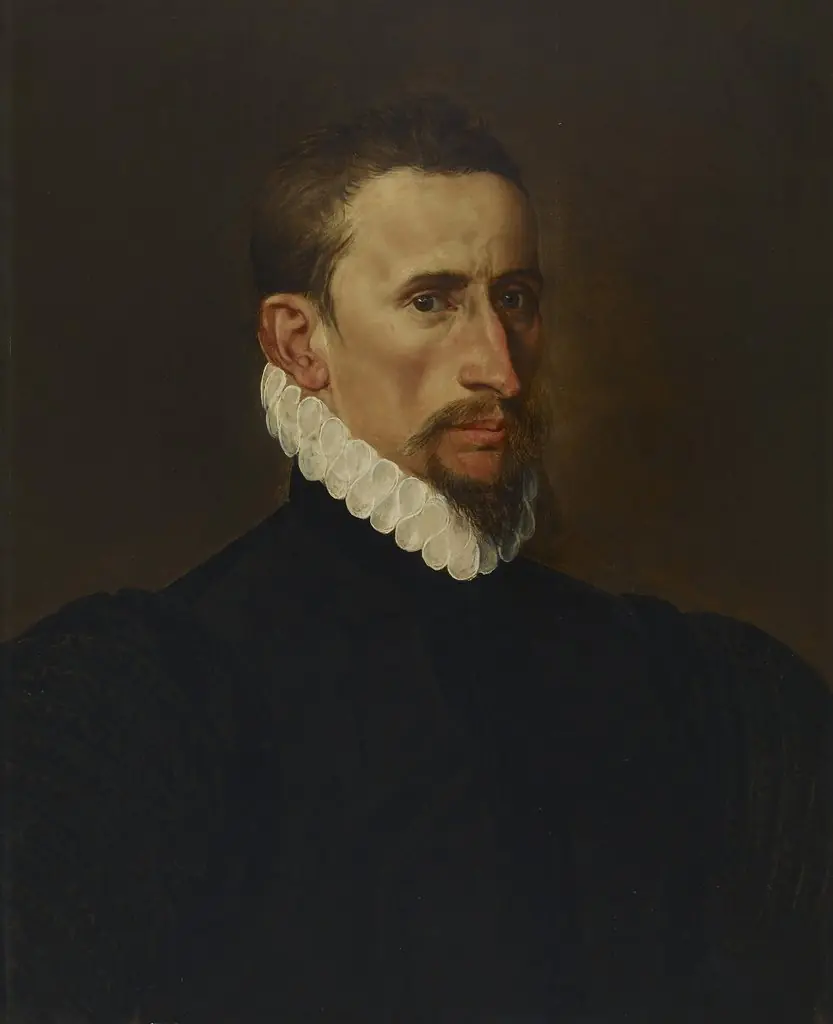 Portrait of a Gentleman
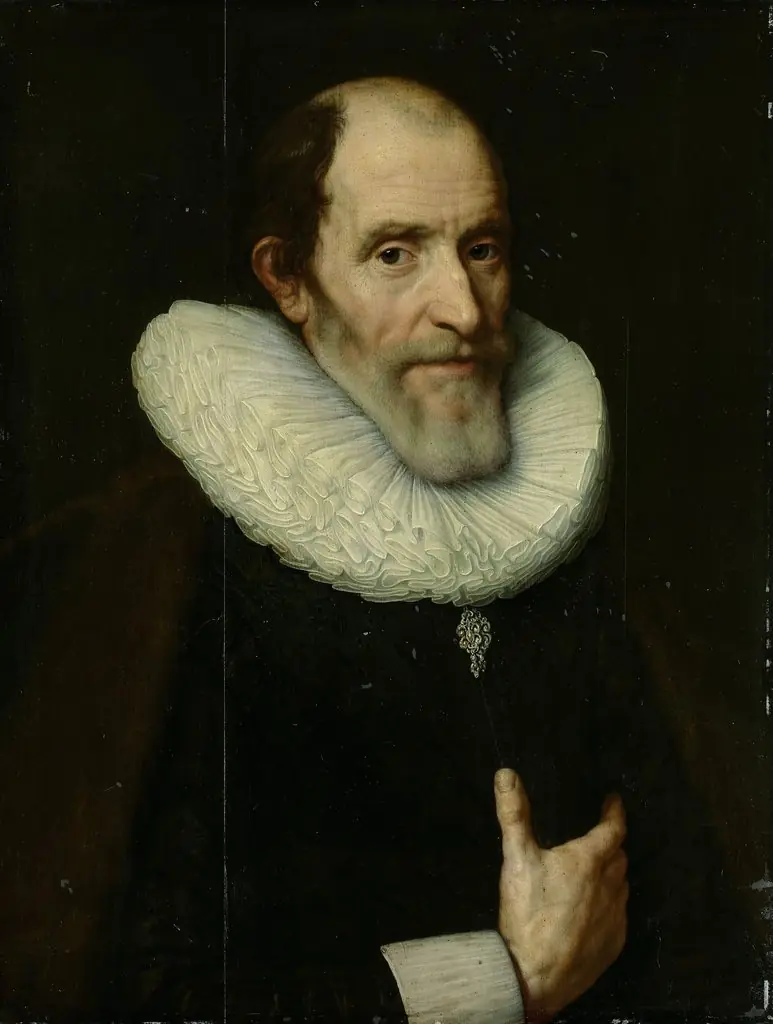 Portrait of a man
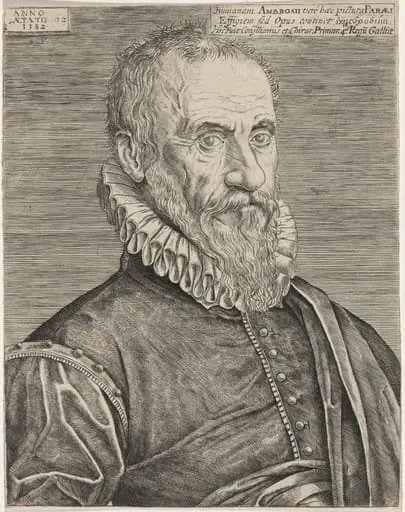 Ambrosius Parens
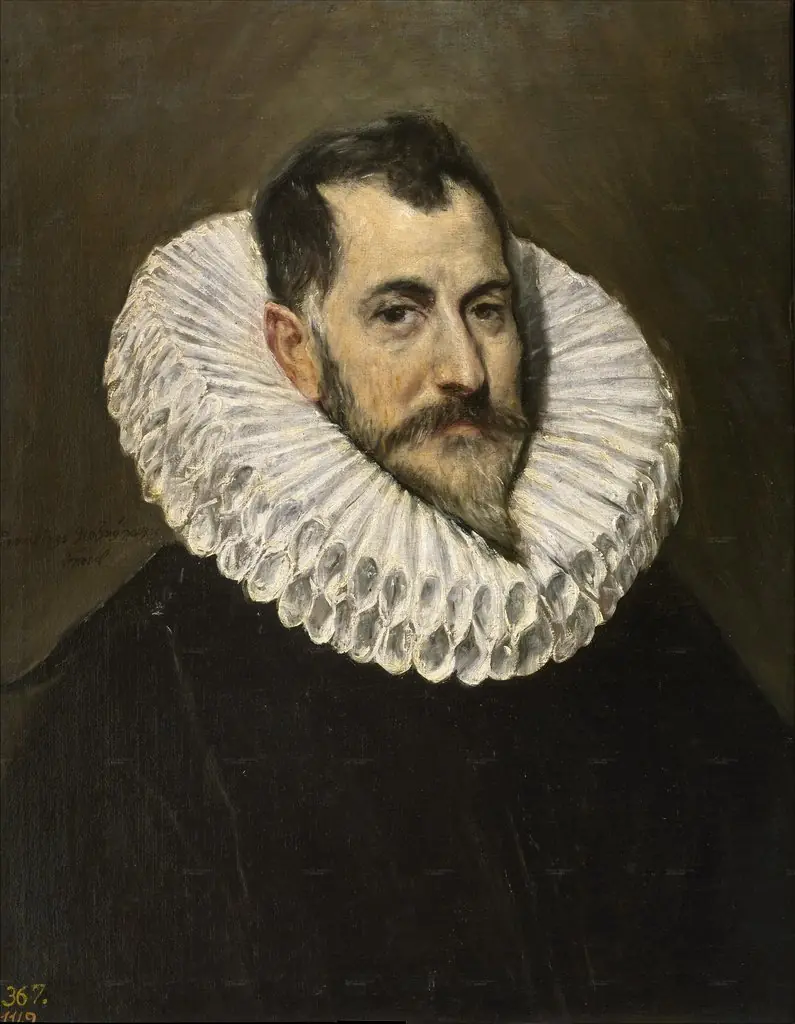 Retrato de un caballero desconocido
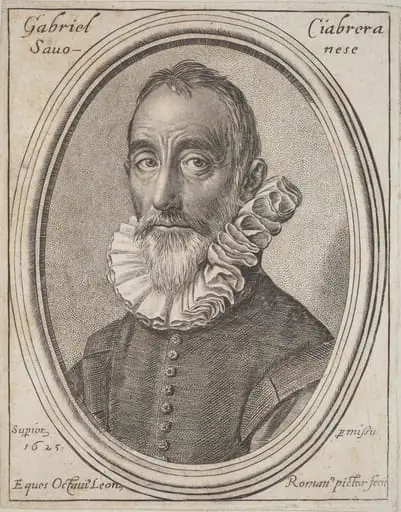 Gabriello Chiabrera
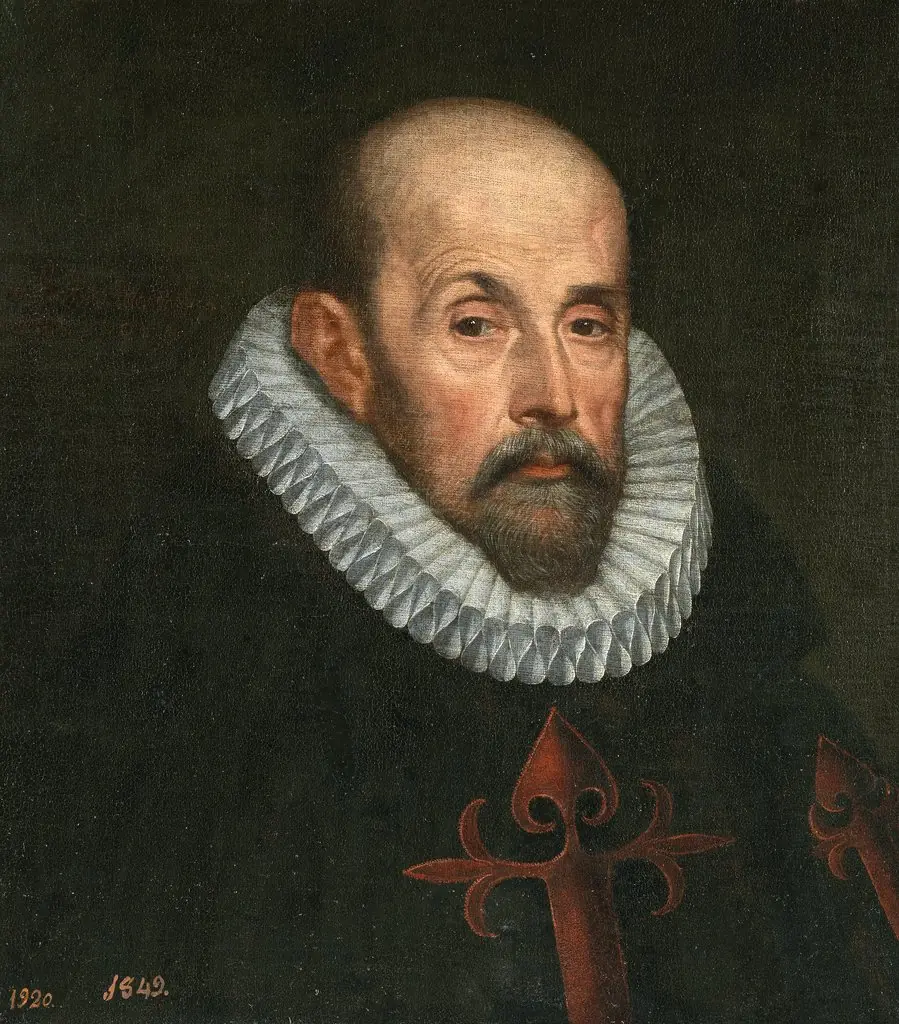 Portrait of a Knight of the Order of Santiago
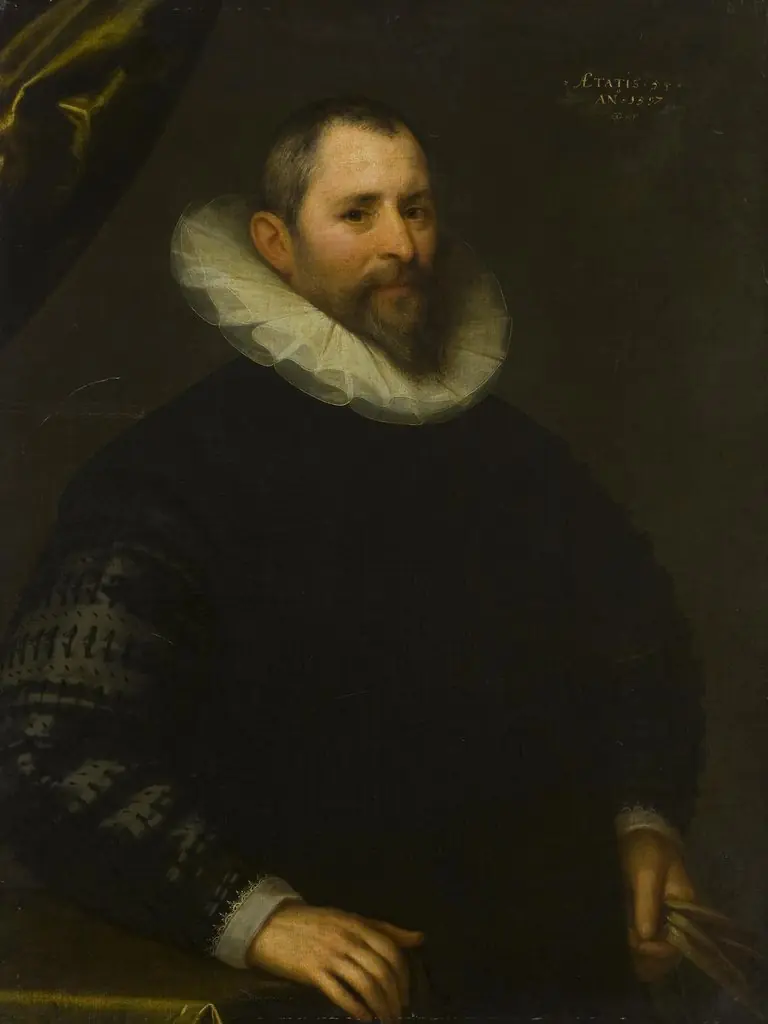 Portrait of Gottfried Hautappel
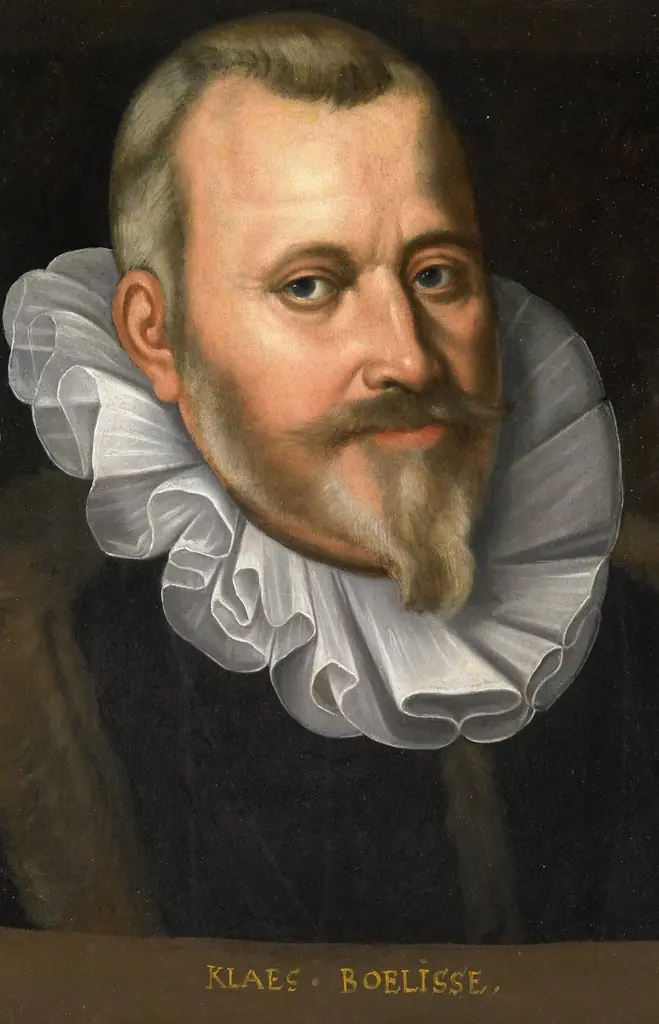 Portrait of Claes Allertsz Boelens (1550-1615)
 Portrait of a Man
- Portrait of an Elderly Man