Artwork
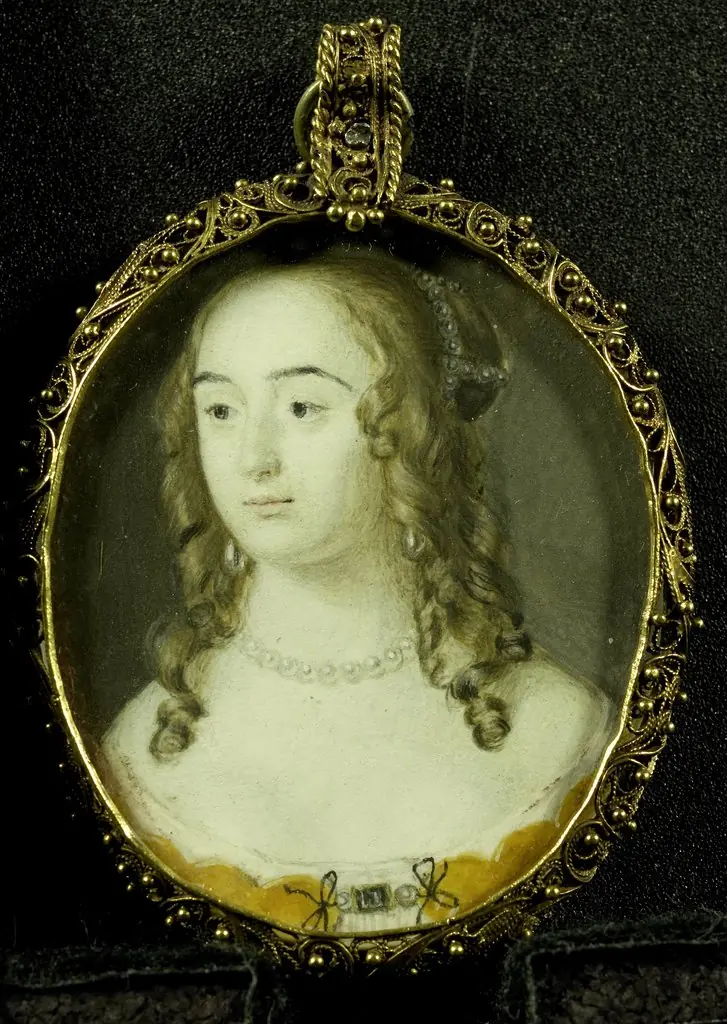
Portrait of Elizabeth Morrison, Lady Capell of Hadham
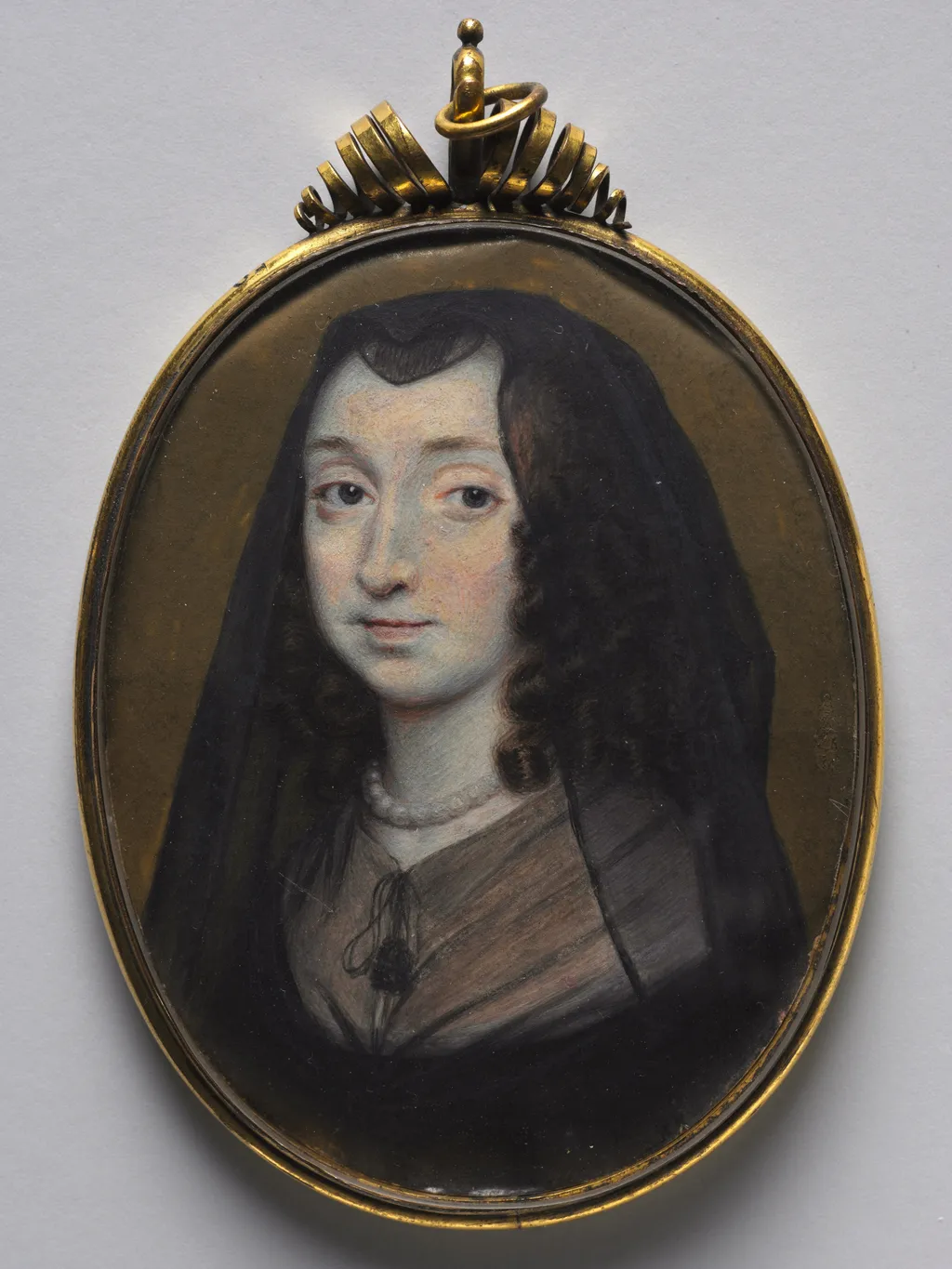
Portrait of Elizabeth Morrison, Lady Capell of Hadham is an unspecified painting. It dates from 1649 and is held in the collection of the Cleveland Museum of Art. The work is a modestly sized oval portrait depicting a woman with dark hair and a pale complexion.
About this work
History & Provenance
The portrait of Elizabeth Morrison, Lady Capell of Hadham, is dated to 1649, with the Cleveland Museum of Art recording an inception range of 1649–1650.
The portrait of Elizabeth Morrison, Lady Capell of Hadham, is dated to 1649, with the Cleveland Museum of Art recording an inception range of 1649–1650. Executed as a miniature, the work is attributed to the British artist Richard Gibson (c. 1615–1690). It has been in the collection of the Cleveland Museum of Art since at least the mid‑twentieth century, as indicated by its accession number 1941.555. No earlier ownership or commission details are provided in the available sources.
Context
The portrait miniature attributed to Richard Gibson depicts Elizabeth Morrison, Lady Capell of Hadham, painted circa 1649. It belongs to the miniature genre within portraiture and is part of the Cleveland Museum of Art's collection. This work reflects the artistic practice of 17th-century British portraitists, situating it within the broader context of courtly representation during the English Civil War era.
Scholarly attention has focused on the attribution debates surrounding miniature portraiture of this period, particularly regarding the identification of unsigned works through stylistic analysis and technical examination. The piece contributes to understanding the evolution of portrait miniatures as both intimate artworks and instruments of aristocratic identity in early modern England.
Legacy
Portrait of Elizabeth Morrison, Lady Capell of Hadham, painted in 1649, later attracted scholarly attention as an example of early English portraiture, influencing studies of 17th-century court attire and aristocratic representation. Its inclusion in the collection of the Cleveland Museum of Art has facilitated further research into the stylistic connections between miniature portraiture and contemporary full-scale portrait traditions, reinforcing its reputation as a significant artifact of the period.
The work is often cited in art historical literature for its role in shaping interpretations of elite female identity in Restoration England, contributing to broader discussions on gender and visual culture.
Overview
The work is a modestly sized oval portrait depicting a woman with dark hair and a pale complexion. She is dressed in a dark collar over a plain white garment, set against an unadorned dark background that concentrates attention on the sitter.
Subject & Meaning
The figure is identified as Elizabeth Morrison, Lady Capell of Hadham. The restrained attire and subdued setting suggest a focus on personal dignity rather than overt display of status, reflecting contemporary conventions of private portraiture.
Technique & Style
The artist employs a delicate chiaroscuro, using soft illumination to model the face. Light subtly defines the cheekbones and lips, while the hair edges dissolve into the surrounding darkness, creating a gradual transition that enhances the three‑dimensional effect.
Artist & collection

 Portrait of a Lady
 Portrait of a Woman
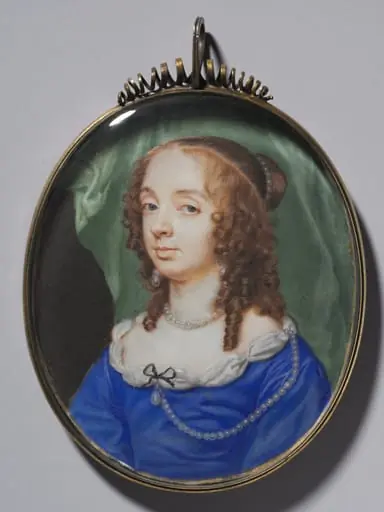 Portrait of a Woman
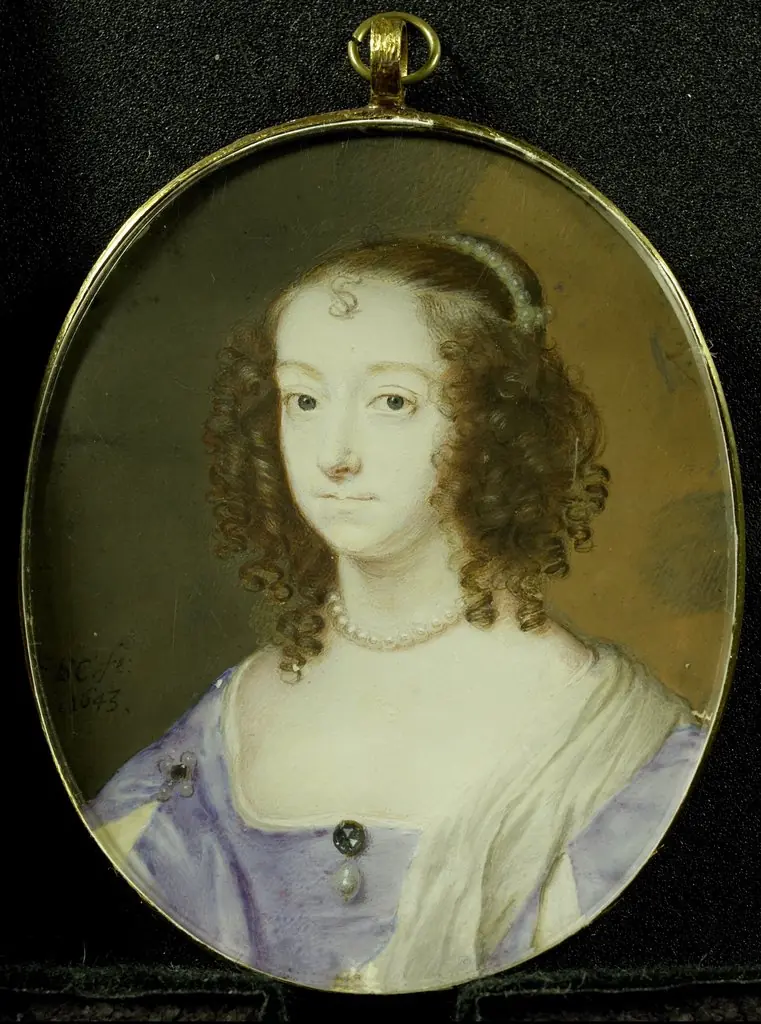 Portret van een vrouw
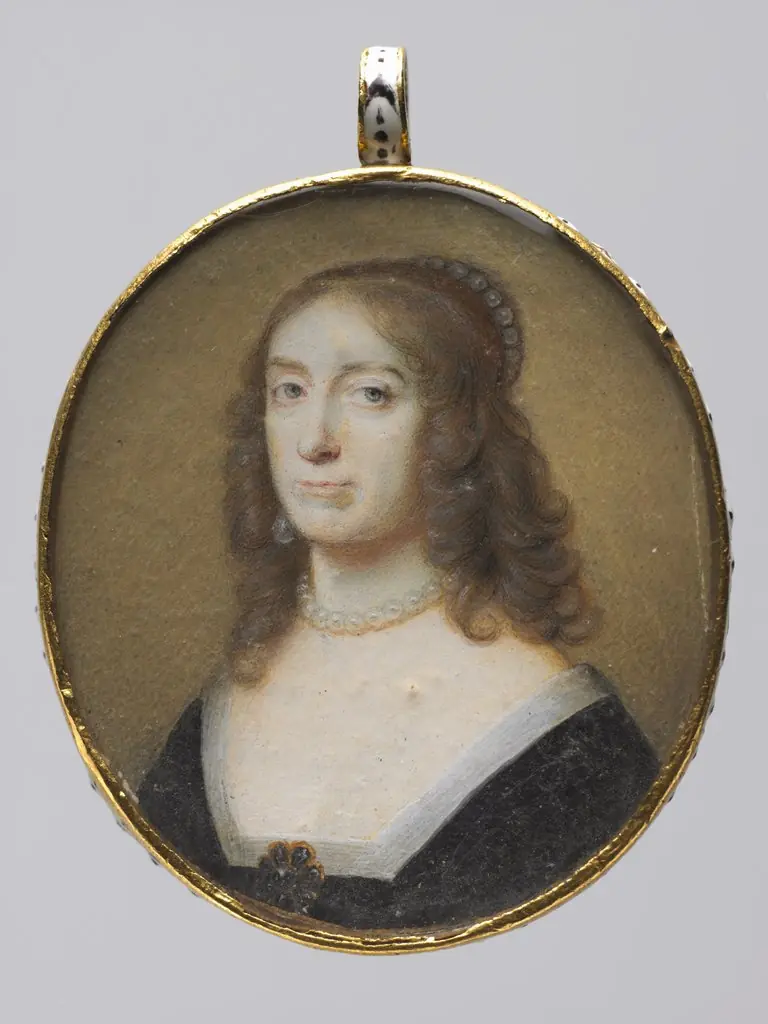 Portrait of Elizabeth Stuart, Electress Palatine and Queen of Bohemia
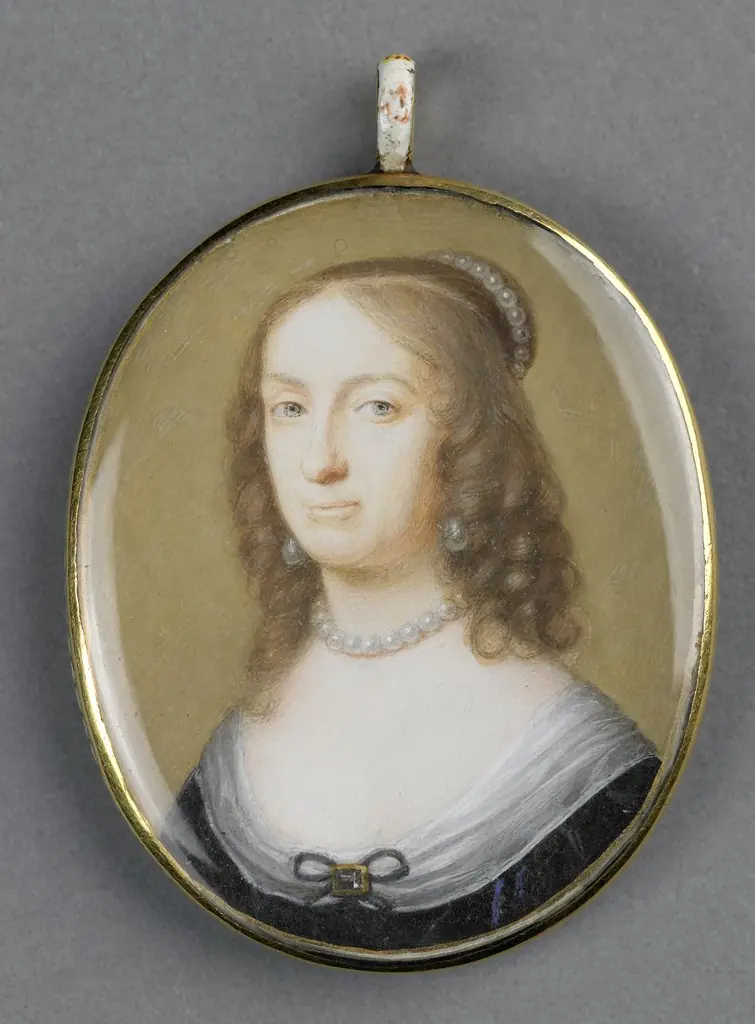 Portrait of Elizabeth, widow of Frederick V of the Palatinate
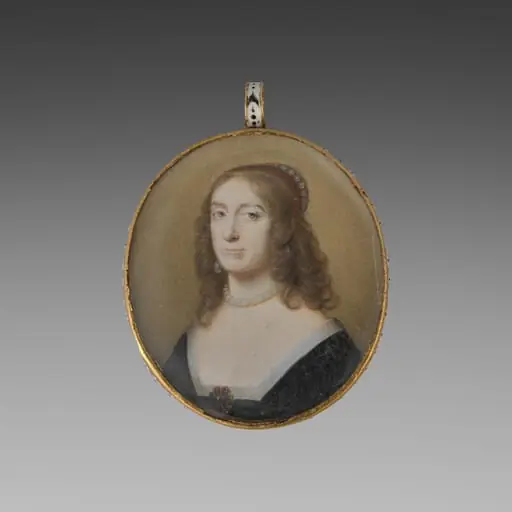 Portrait of Elizabeth Stuart, Electress Palatine and Queen of Bohemia
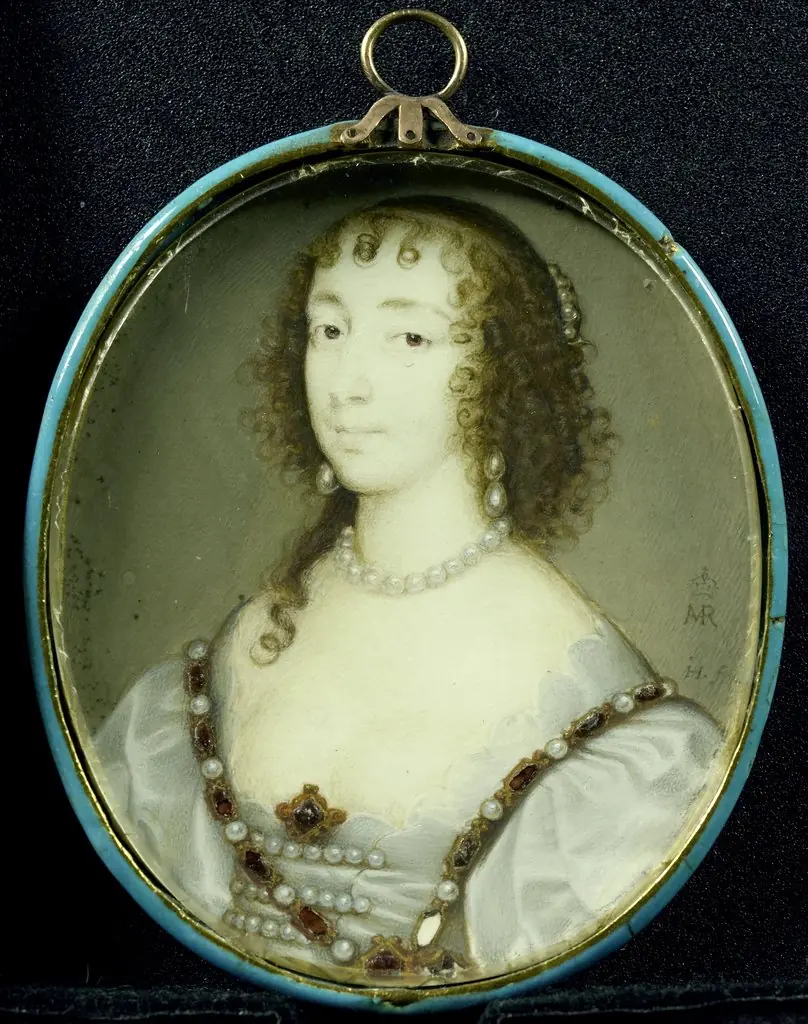 Portrait of Henriëtte Maria of France (1609-1669), wife of Charles I of England
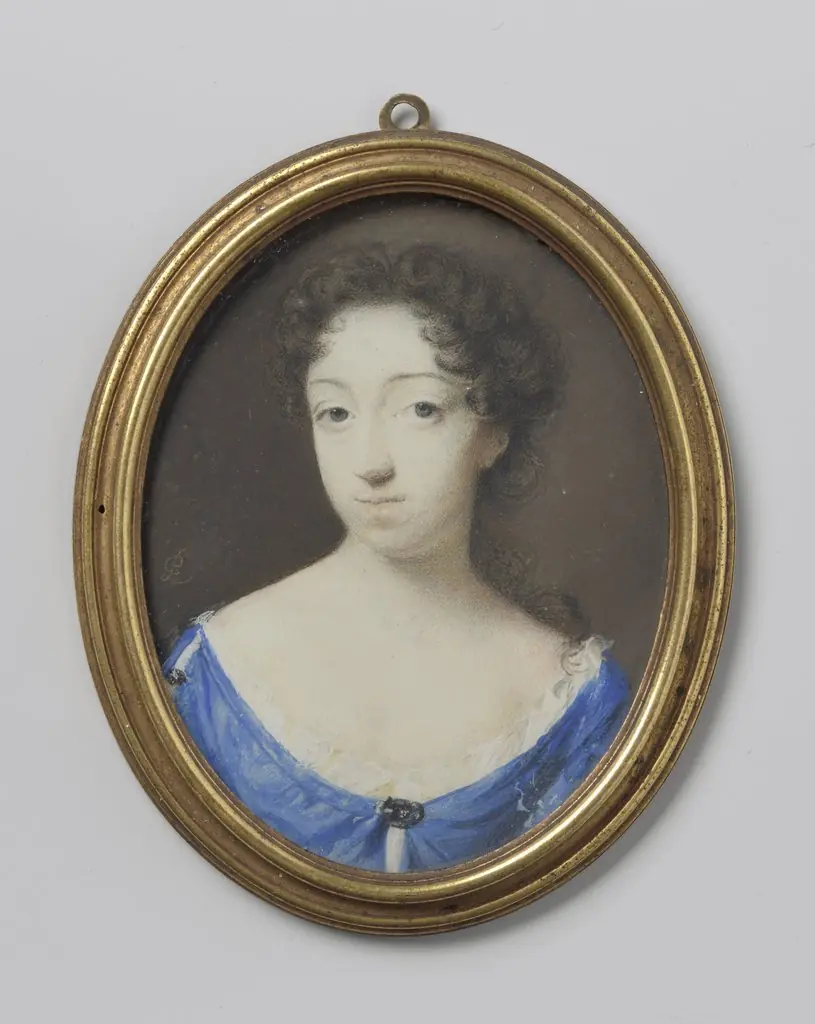 Portrait of a woman
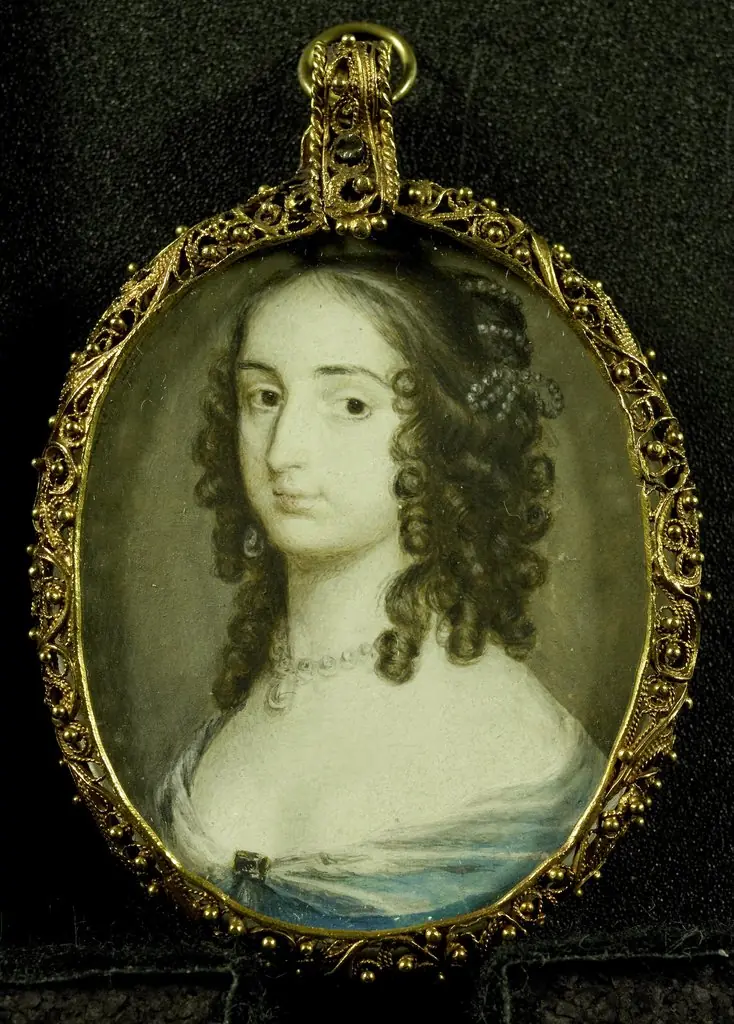 Portrait of Elisabeth of the Palatinate
 Henriette Marie (1626–51) of Paltz, daughter of Frederick V, King of Bohemia, nicknamed the 'Winter King'.
- Portrait of Elizabeth Morrison, Lady Capell of Hadham