Artwork
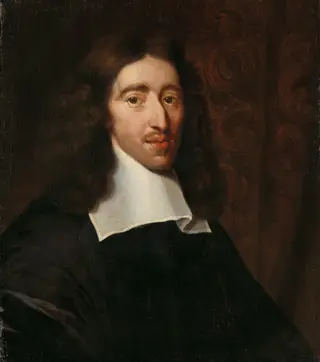
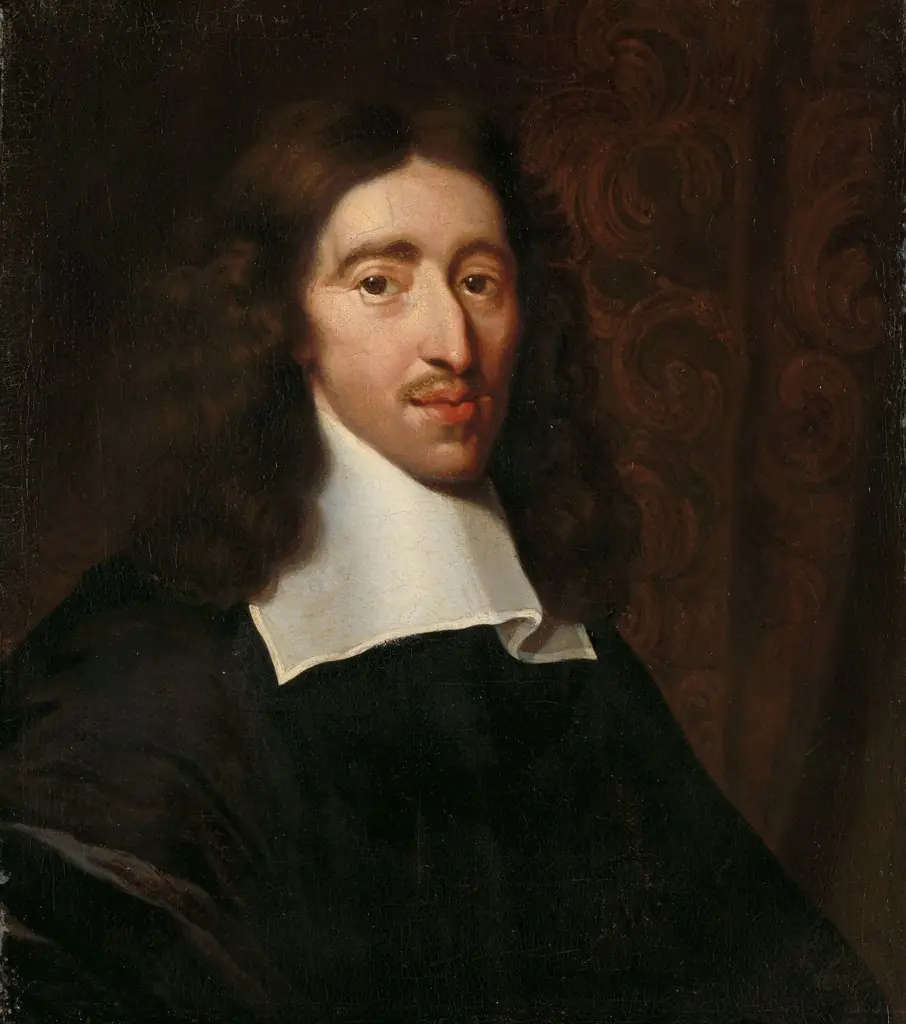
Portrait of Johan de Witt (1625-72), Grand Pensionary of Holland
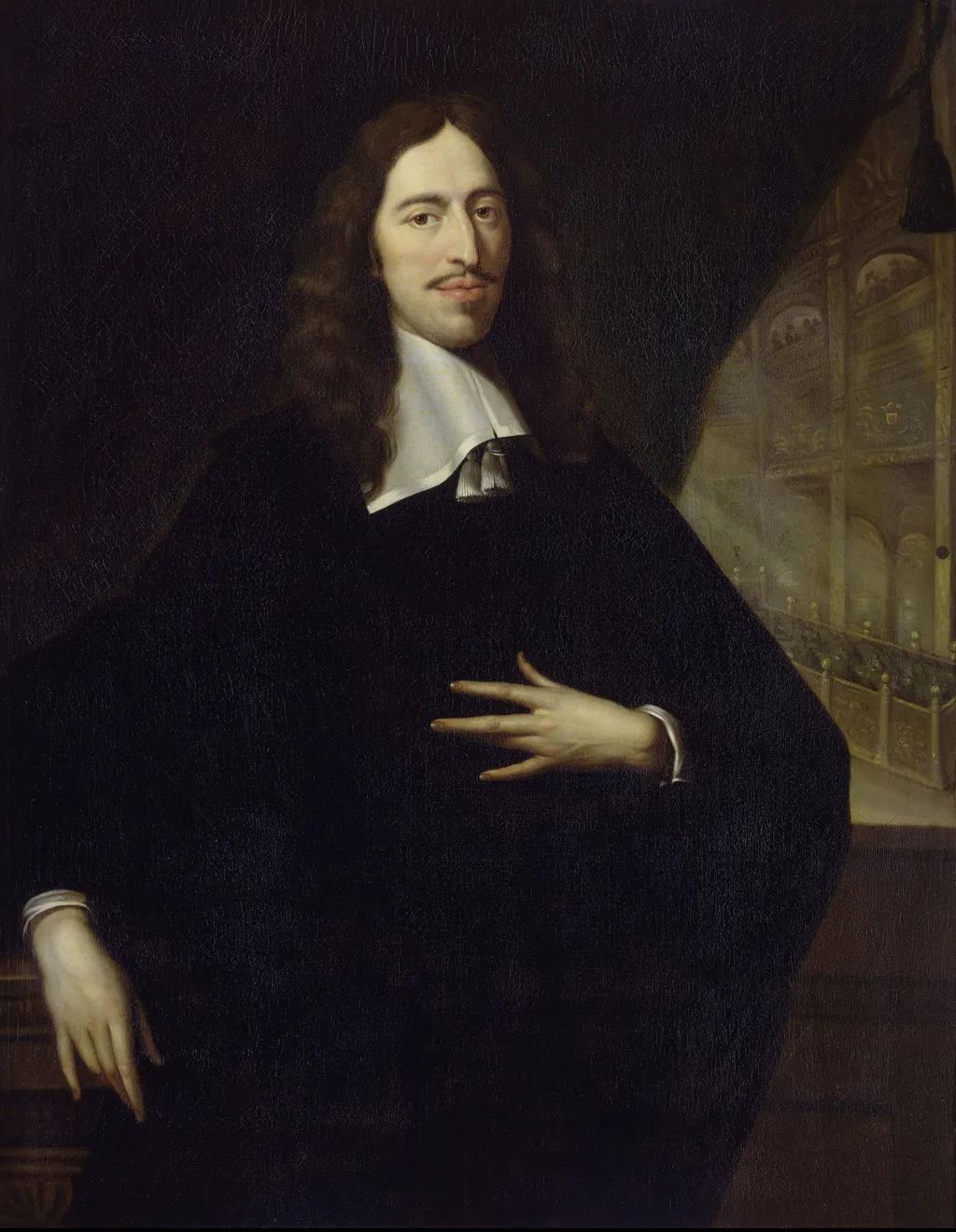
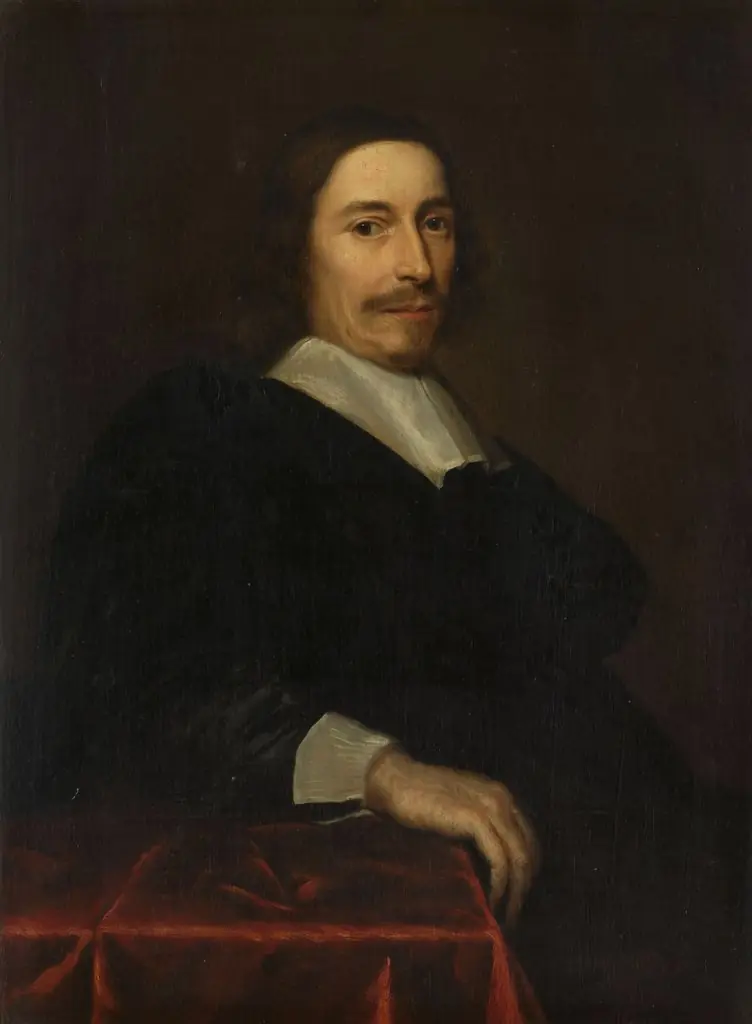
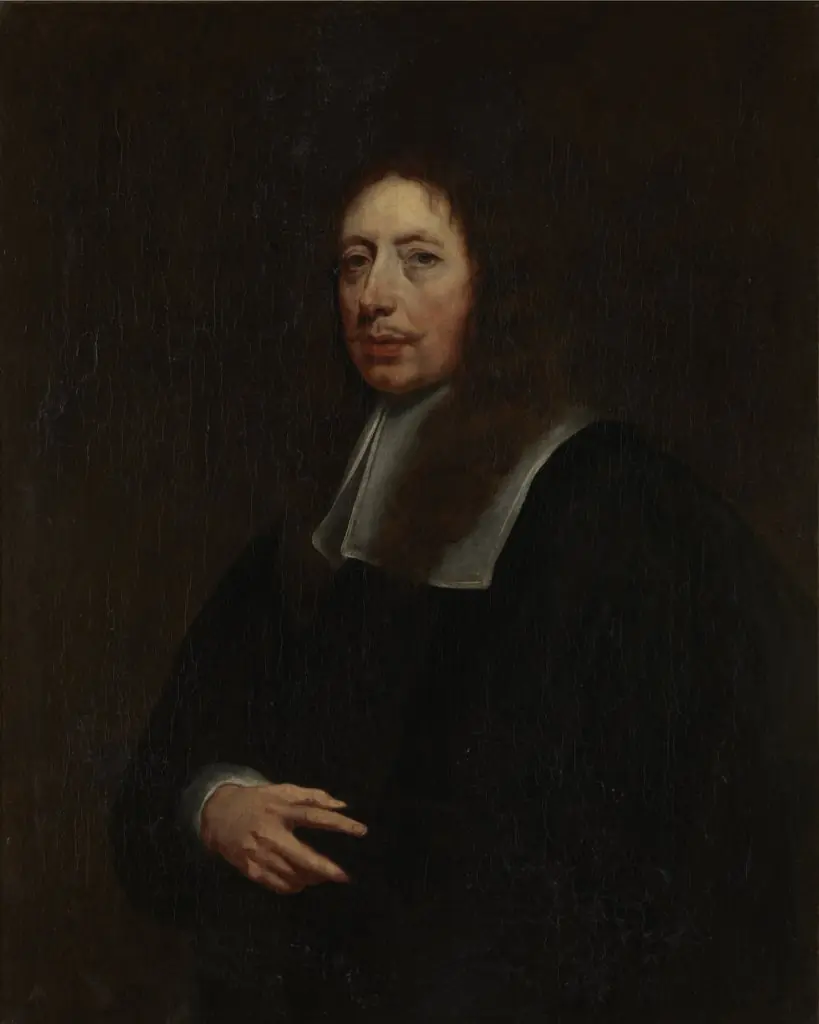
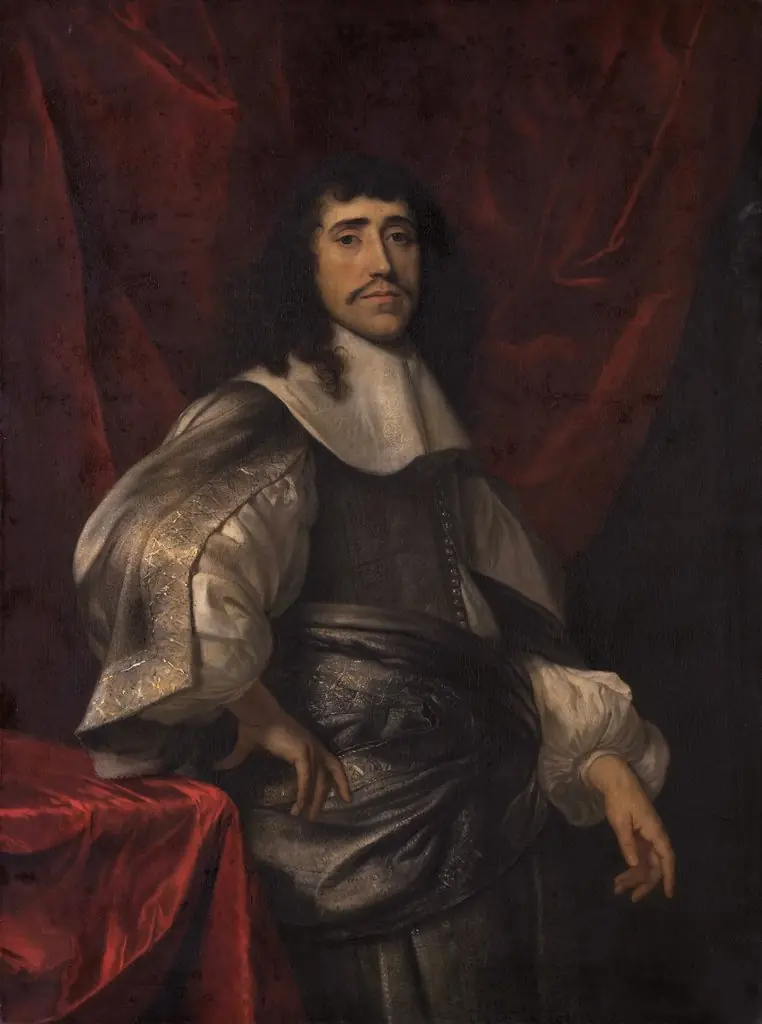
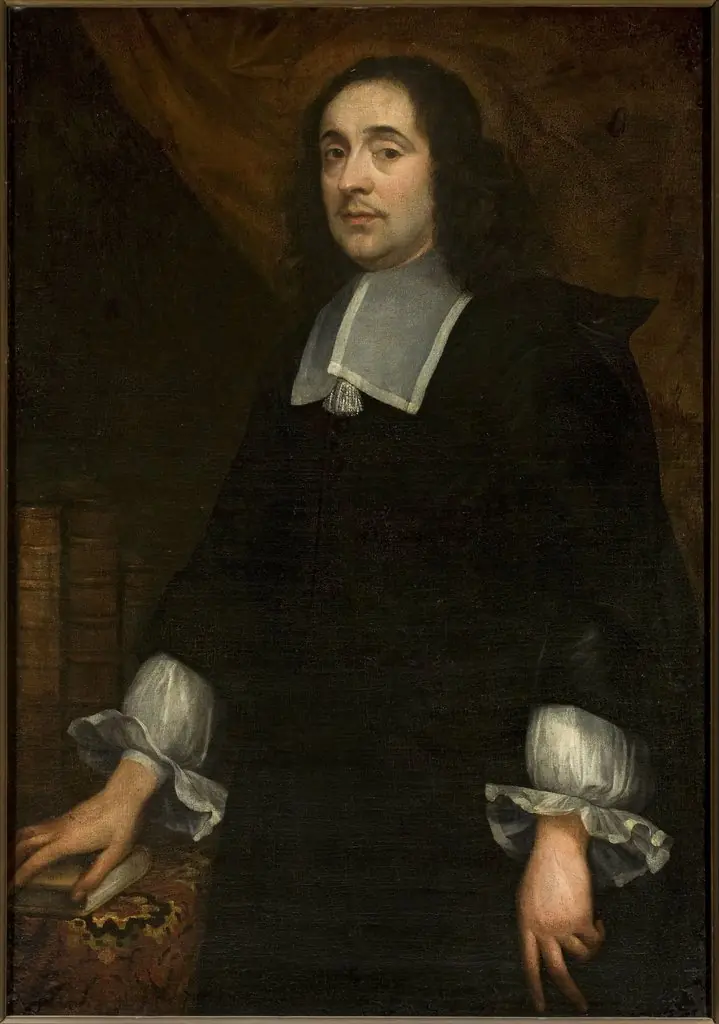
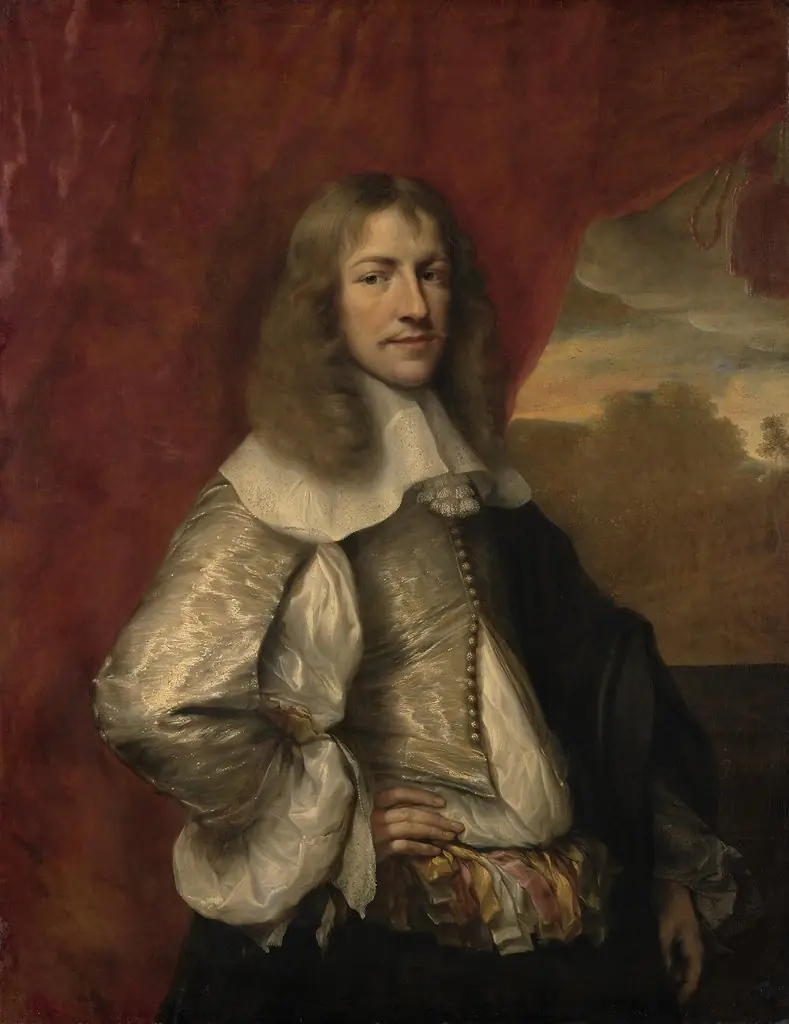
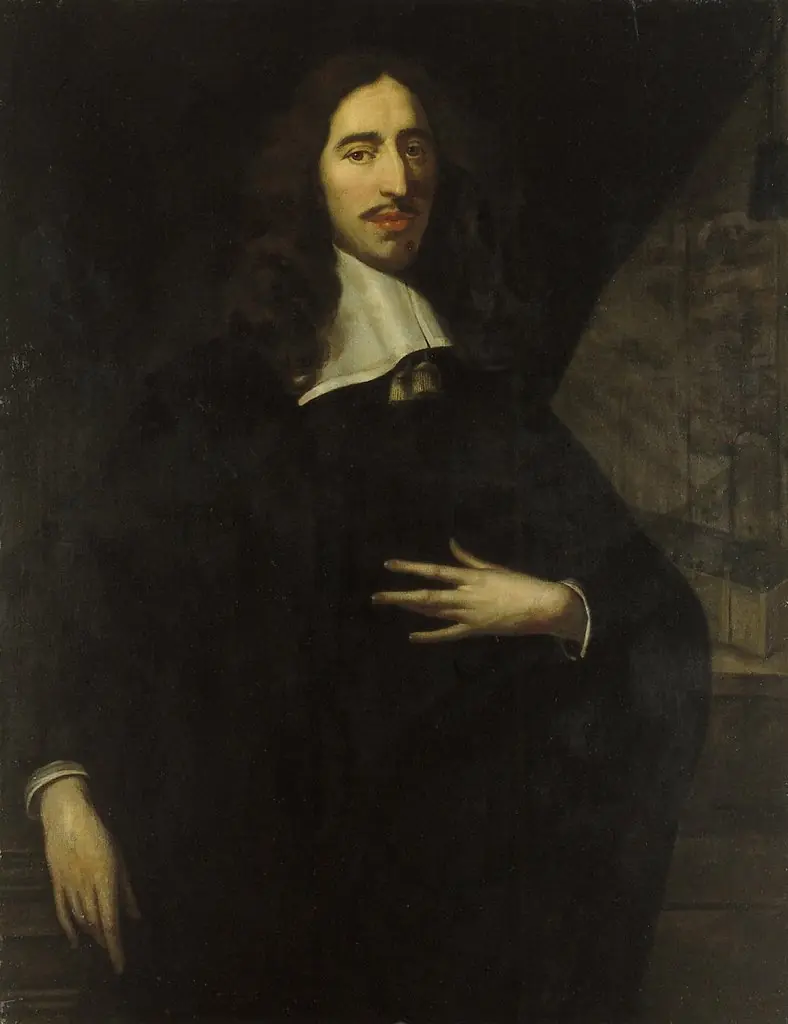
Portrait of Johan de Witt (1625-72), Grand Pensionary of Holland is an oil painting. It dates from 1700 and is held in the collection of the Rijksmuseum. The work is an oil painting portraying Johan de Witt, who served as Grand Pensionary of Holland in the mid‑seventeenth century.
About this work
Subject & Meaning
Commissioned around 1700 and attributed to a follower of Jan de Baen, the work portrays de Witt in a formal portrait format, emphasizing his political stature.
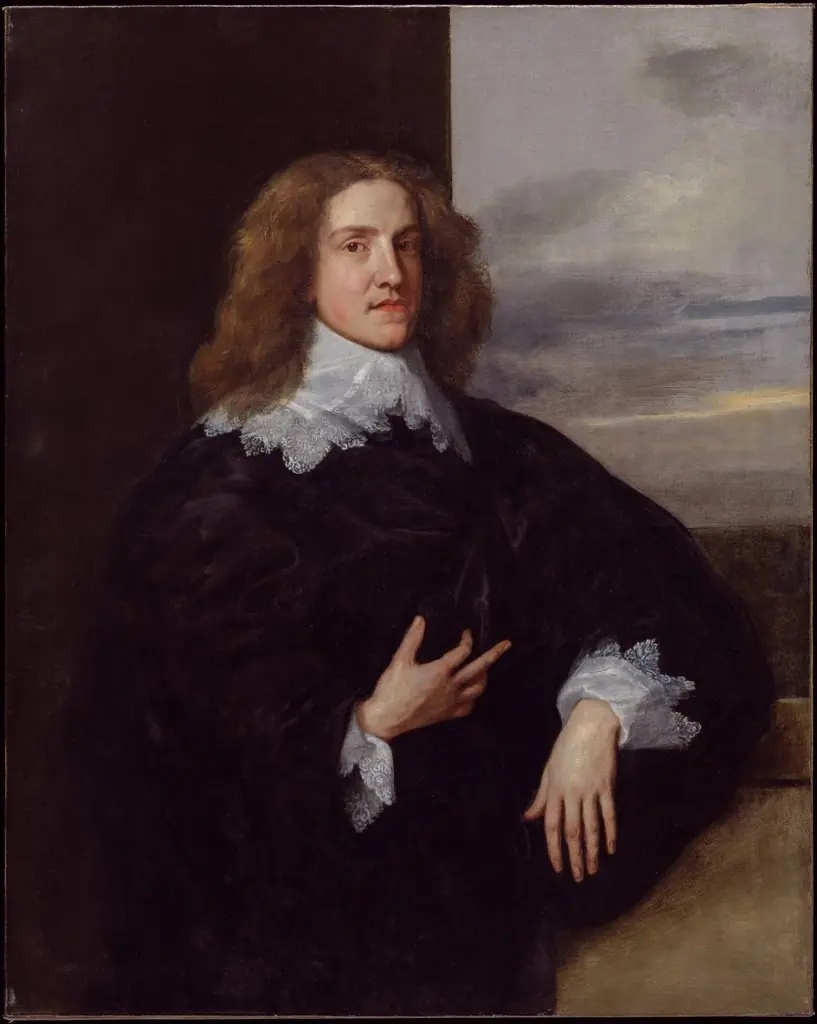
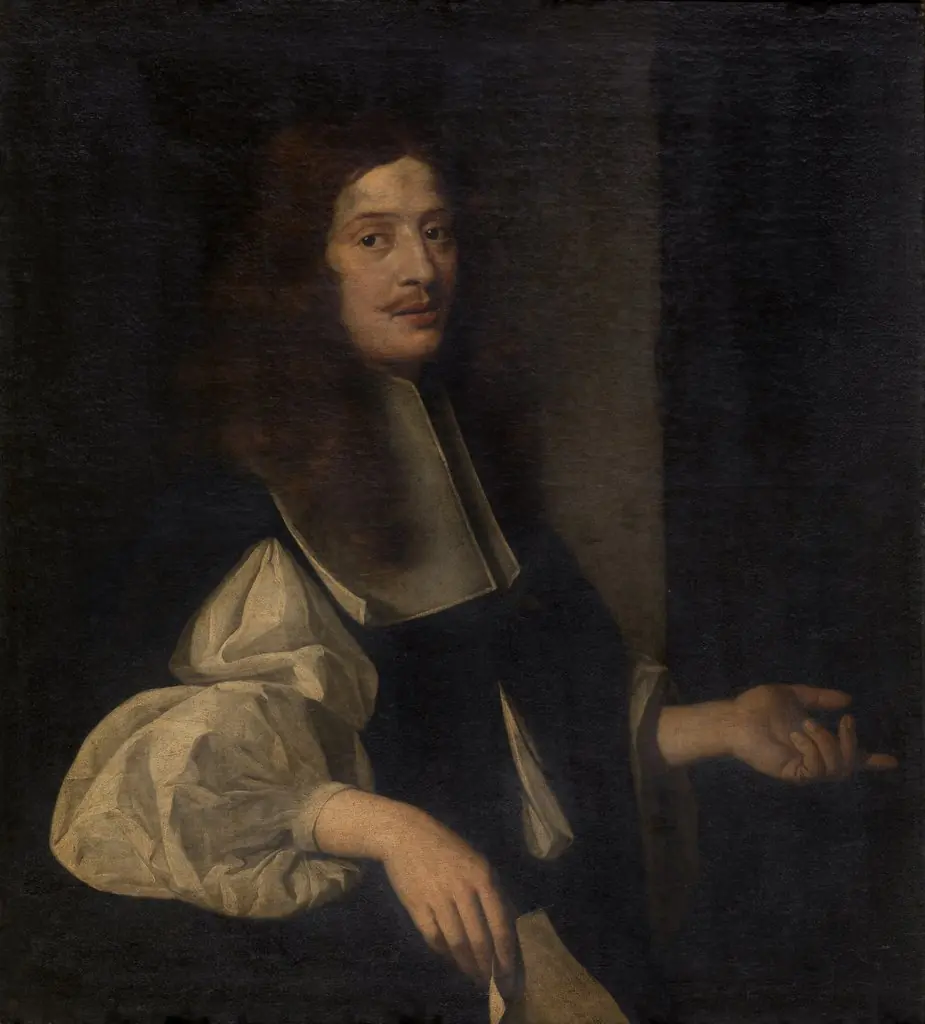
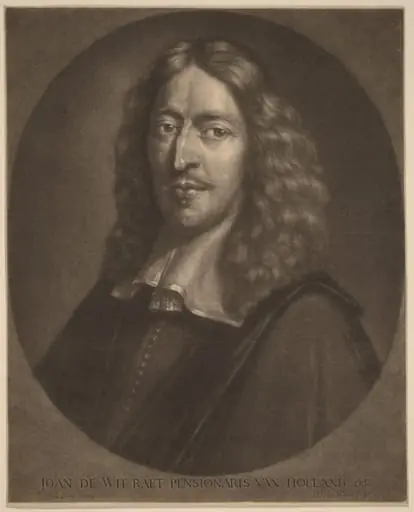
The painting depicts Johan de Witt (1625–1672), a prominent Dutch statesman who served as Grand Pensionary of Holland during the mid-17th century. Commissioned around 1700 and attributed to a follower of Jan de Baen, the work portrays de Witt in a formal portrait format, emphasizing his political stature. The composition aligns with 17th-century Dutch portraiture conventions, where sober attire and direct gaze conveyed authority and civic virtue.
As a posthumous representation, the painting likely aimed to memorialize de Witt’s legacy within the Dutch Republic’s historical narrative, particularly his role during the Golden Age. The inclusion of de Witt in the 2010 exhibition Treasures of the Golden Age underscores his enduring significance in Dutch national history.
Technique & Style
The painting is executed in oil on canvas, a medium typical of Dutch portraiture of the period. Its dimensions are 125 cm in height and 98 cm in width. The handling aligns with the restrained, precise style associated with Jan de Baen, emphasizing clear modeling of the sitter’s features and a subdued palette.
The composition centers on Johan de Witt, rendered in three-quarter view against a neutral background that directs focus to the subject’s expression and attire. The work adheres to the formal conventions of late 17th-century Dutch portraiture, characterized by clarity, restraint, and an emphasis on individual likeness.
The condition and structural details are not specified in the available sources, though the medium and support indicate a work intended for stable presentation.
History & Provenance
The painting was created around 1700 as a posthumous portrait of Johan de Witt, who served as Grand Pensionary of Holland from 1653 to 1672. It is attributed to an artist following Jan de Baen, a Dutch portrait painter active in the late seventeenth century. The work entered the collection of the Rijksmuseum, the National Art Gallery of the Netherlands, where it remains held.
The painting was included in the exhibition Treasures of the Golden Age: Masterpieces of National History, organized to highlight key works from Dutch heritage.
The painting is held in the collection of the Rijksmuseum, the National Art Gallery of the Netherlands. It is cataloged as a work depicting Johan de Witt, created in 1700 on canvas with oil paint. The artwork measures 125 cm in height and 98 cm in width.
Historically, the piece was owned by P.C. Huybrechts before entering the museum's holdings. It has been featured in exhibitions, including a display titled "Treasures of the Golden Age, masterpieces of national history."
Context
Created in 1700, this oil-on-canvas portrait of Johan de Witt is a later work by Jan de Baen, executed a generation after the Grand Pensionary's death. The painting is held in the collection of the Rijksmuseum in the Netherlands, where it serves as a key visual record of the 17th-century statesman. Its inclusion in the exhibition "Treasures of the Golden Age, masterpieces of national history" underscores its significance within the canon of Dutch Golden Age portraiture.
As a posthumous depiction, the work reflects the enduring historical memory of de Witt rather than a contemporary likeness, situating it within the broader tradition of commemorative portraiture in the Dutch Republic.
Overview
The work is an oil painting portraying Johan de Witt, who served as Grand Pensionary of Holland in the mid‑seventeenth century. Rendered from the waist up, the figure is seated, his right hand resting on the back of a chair, while a dark coat, white ruff and neatly curled hair define his appearance. A draped fabric behind him partially obscures a faint secondary image, adding depth to the composition.
Artist & collection