Artwork
旧山宗英像|Portrait of Kyūzan Sōei
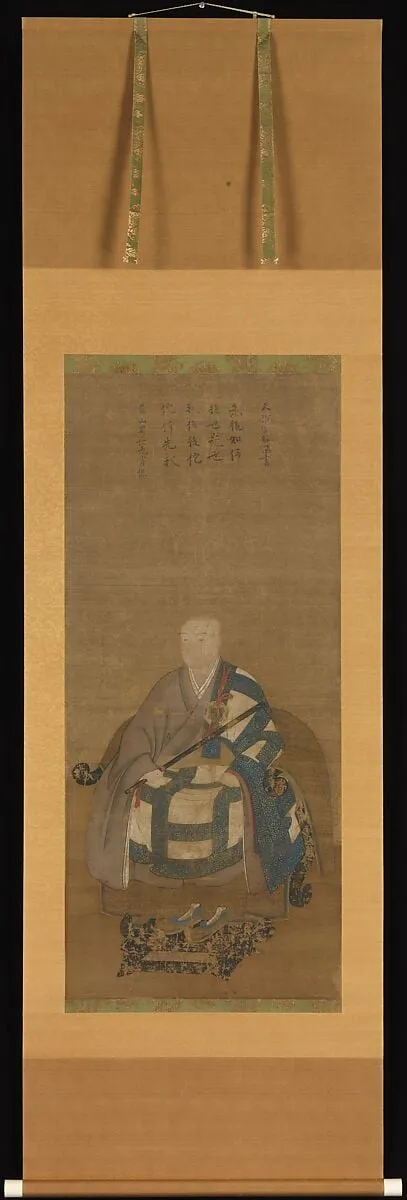
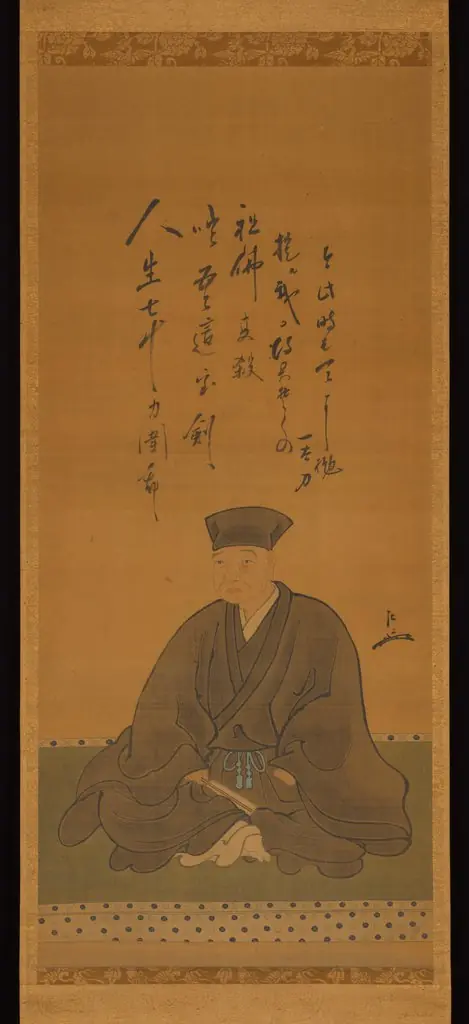
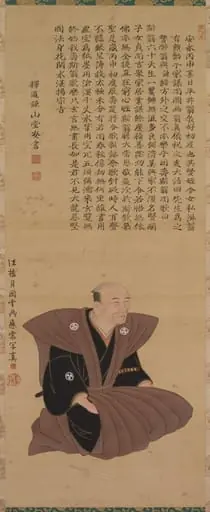
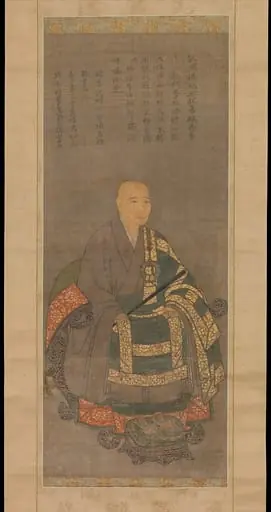
旧山宗英像|Portrait of Kyūzan Sōei is an ink painting. It dates from 1623 and is held in the collection of the Metropolitan Museum of Art. This hanging scroll depicts Kyūzan Sōei, a prominent Zen teacher from 17th-century Japan.
About this work
Subject & Meaning
The imagery emphasizes the subject's connection to the Buddhist faith, establishing the portrait as both a likeness and a symbol of religious devotion.
The work depicts Kyūzan Sōei, a Buddhist man, presented within the tradition of Japanese portraiture from 1623. Created as a hanging scroll using ink and color on silk, the piece functions as a formal representation of a religious figure, aligning with the genre of Buddhist portraiture. The subject is identified specifically as a man associated with Buddhism, reflecting the iconographic conventions used to honor clerical or lay figures within that spiritual context.
While the artist remains anonymous, the composition serves to memorialize Kyūzan Sōei, capturing his identity through the visual language of early 17th-century Japan. The imagery emphasizes the subject's connection to the Buddhist faith, establishing the portrait as both a likeness and a symbol of religious devotion.
History & Provenance
The Portrait of Kyūzan Sōei was created in 1623 in Japan as a hanging scroll executed in ink and color on silk. The work is attributed to an anonymous painter, with no specific artist identified in historical records. Commissioned during the early Edo period, the portrait depicts a Buddhist figure and reflects the artistic conventions of Japanese religious portraiture from that era.
It is currently held in the collection of the Metropolitan Museum of Art, where it has been cataloged as a significant example of early 17th-century Buddhist art. The precise circumstances of its commission and original ownership remain undocumented, though its survival and inclusion in a major Western museum collection underscore its enduring cultural and historical value.
Portrait of Kyún Sōei (dated 1623) is housed in the Metropolitan Museum of Art in New York. The painting, an ink and color work on silk, is listed in the museum’s collection records but does not disclose a specific accession number in the publicly available documentation. The work is classified as a portrait within the broader genre of Buddhist portraiture.
No exhibition history is noted in the sources consulted, indicating that the piece has not been part of documented temporary exhibitions to date.
Overview
This hanging scroll depicts Kyūzan Sōei, a prominent Zen teacher from 17th-century Japan. Rendered in ink and color on silk, the painting serves as a commemorative portrait. It presents the monk seated in a cross-legged posture, enveloped by a dark robe, with a subdued background that emphasizes his presence. The work exemplifies the tradition of spiritual portraiture within Japanese art.
Technique & Style
The artist employed ink and subtle color washes on silk to create this portrait. The monk's black robe is delineated with kesho-sen, a technique characterized by thin, uniform lines that define the fabric's folds and suggest three-dimensional volume without relying on chiaroscuro. This method contributes to the painting's understated elegance and focuses attention on the figure's form and posture against a plain, softly washed background.
Artist & collection