Artwork
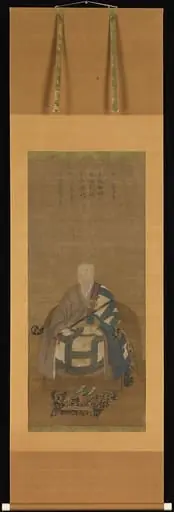
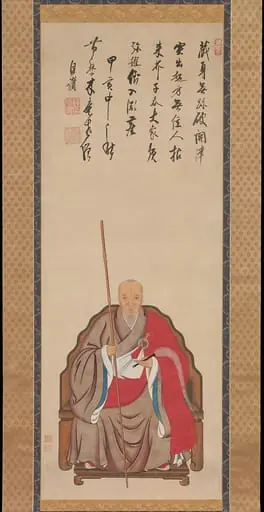
景南英文像|Portrait of Keinan Eibun
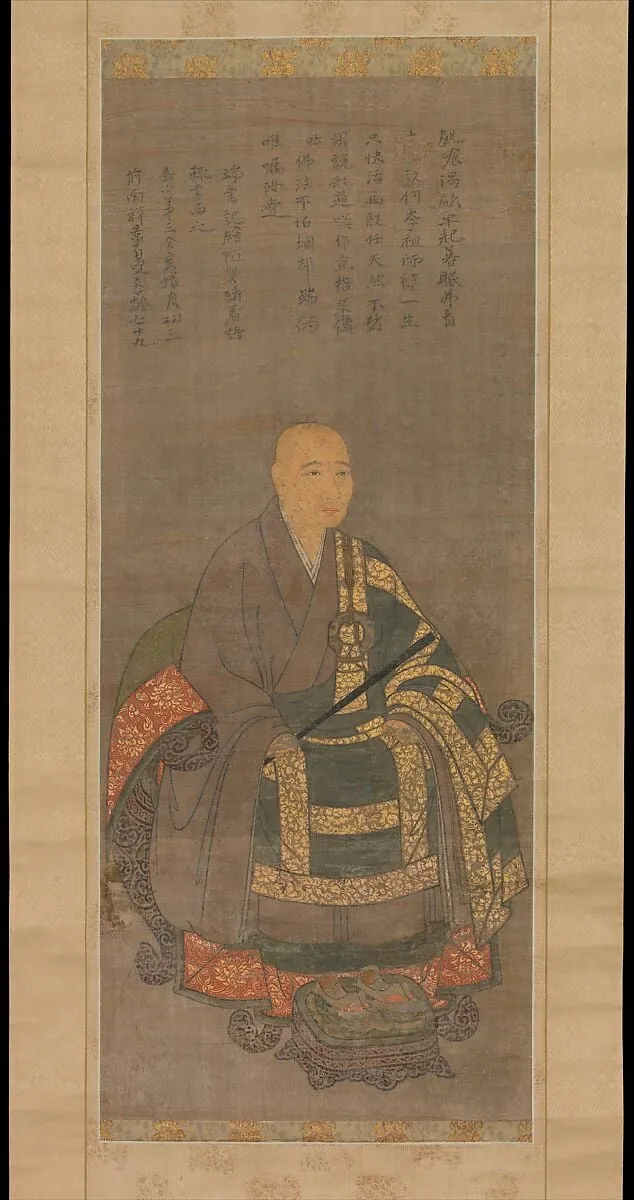
景南英文像|Portrait of Keinan Eibun is an ink painting. It dates from 1449 and is held in the collection of the Metropolitan Museum of Art. This hanging scroll, titled Portrait of Keinan Eibun, is rendered in ink, color, and gold on silk.
About this work
Subject & Meaning
The painting depicts a man, identified by the title as Keinan Eibun, rendered in the formal conventions of Japanese portraiture from the mid-15th century.
The painting depicts a man, identified by the title as Keinan Eibun, rendered in the formal conventions of Japanese portraiture from the mid-15th century. The work's genre classification as a portrait and its medium, ink, color, and gold on silk, suggest a commemorative or reverential function, typical of elite portraiture from this period. The use of gold and silk indicates the subject's high status and the work's likely purpose for ceremonial display or veneration.
As a hanging scroll, the format would have facilitated private contemplation or ritual use. The specific identity of Keinan Eibun is not further elaborated in available sources, though the formal presentation implies a figure of sufficient significance to warrant such a lavish commissioned portrait.
Technique & Style
Created in 1449, this Japanese portrait is executed as a hanging scroll. The artist utilized ink and mineral pigments enhanced with gold, applying these materials onto a silk support. Stylistically, the work functions as a formal depiction of a male subject, consistent with portrait genres of the period.
The combination of ink, color, and gold on silk indicates a refined handling of materials typical for high-status commissions of the era. While the specific artist remains unidentified, the technical choices reflect established conventions for representing individuals in fifteenth-century Japan. The integration of gold suggests an emphasis on status or spiritual significance within the composition.
History & Provenance
Created in Japan in 1449, this hanging scroll portrait depicts Keinan Eibun. The work was executed by an anonymous artist using ink, color, and gold on silk. While the specific circumstances of its commission and the identity of the original patron remain unrecorded in available documentation, the piece has entered the collection of the Metropolitan Museum of Art.
The museum currently holds the painting, where it is classified as a portrait genre work. No further details regarding intermediate ownership chains or exhibition history prior to its acquisition by the Metropolitan Museum are provided in the current records.
The Portrait of Keinan Eibun, dated 1449, is held in the collection of the Metropolitan Museum of Art. The hanging scroll, executed in ink, color, and gold on silk, is classified as a painting within the museum's holdings. No specific inventory or accession number is recorded in the available sources. Likewise, no exhibition history is documented in the provided references.
Overview
This hanging scroll, titled Portrait of Keinan Eibun, is rendered in ink, color, and gold on silk. It represents one of the earliest extant examples of portraiture from Japan's Muromachi period. The artwork depicts a seated figure, whose identity and the artist's name remain unrecorded, yet the piece offers insight into the period's artistic conventions and social hierarchy.
Artist & collection

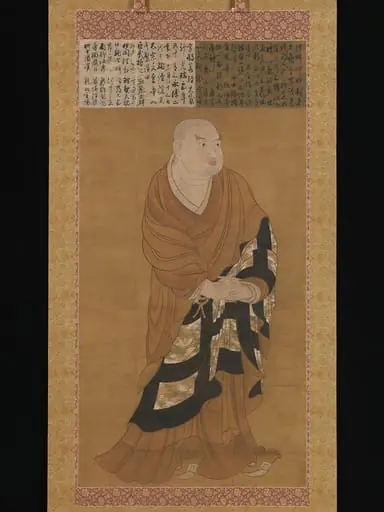 慈恩大師像|Portrait of Jion Daishi (Guiji)
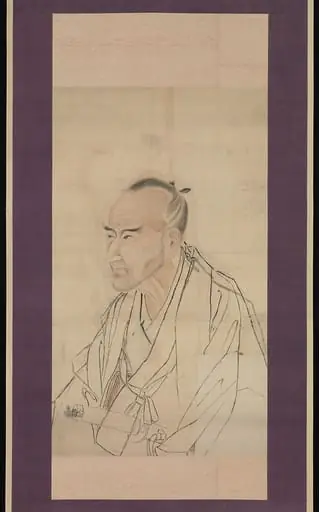 Untitled
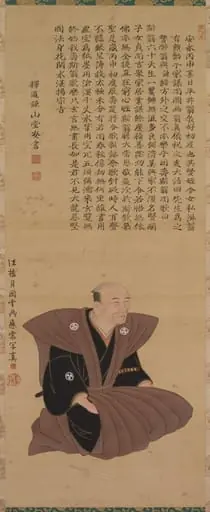 Portrait of Samurai-Official: Hirai KyoseiHirai Kyosei
 Untitled
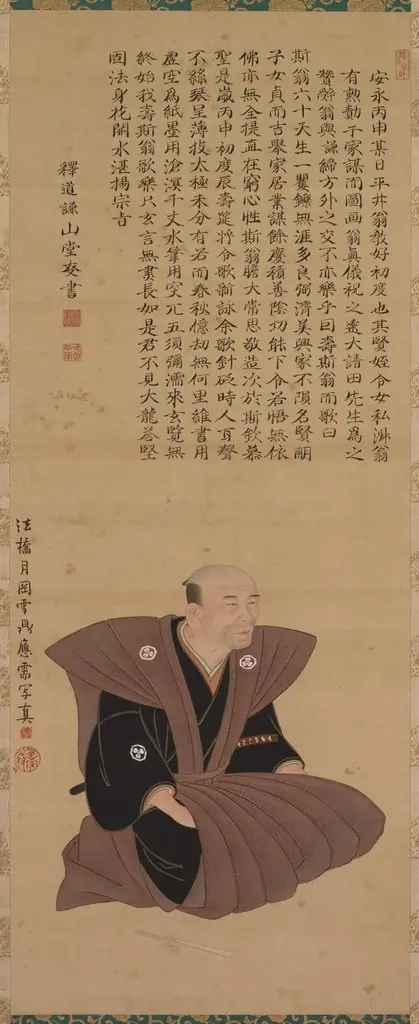 Pair of Portraits of Samurai-Officials: Hirai Kyosei and Hirai Rinsei
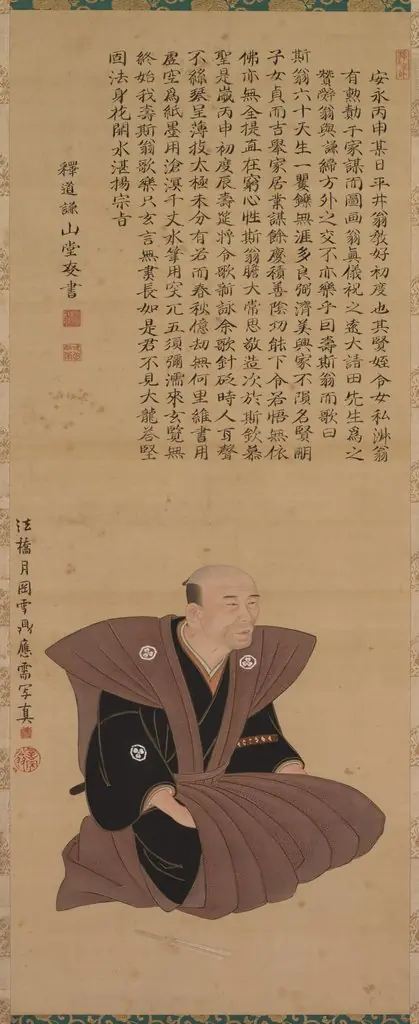 Portrait of Samurai-Official: Hirai KyoseiHirai Kyosei
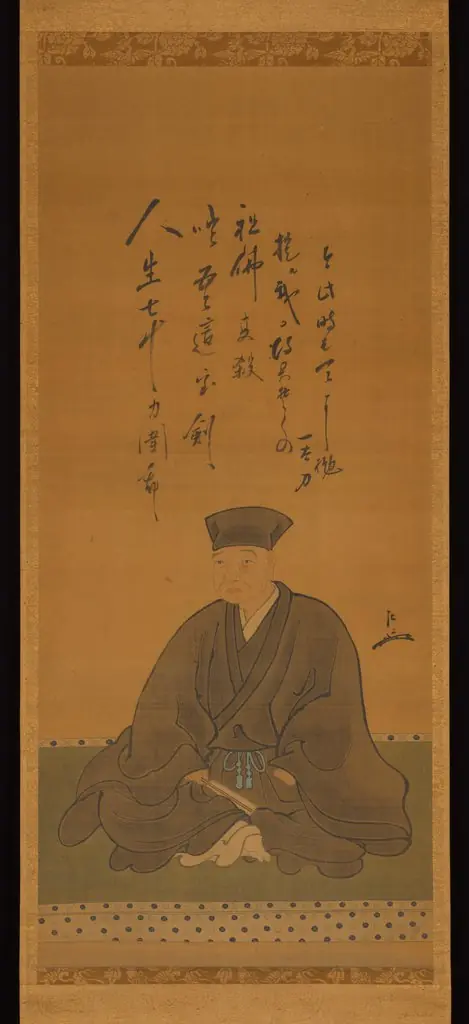 Portrait of Sen no Rikyū with his Death Poem
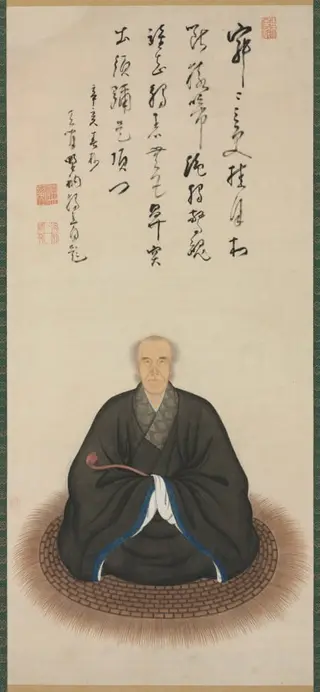 Portrait of Duli Xingyi
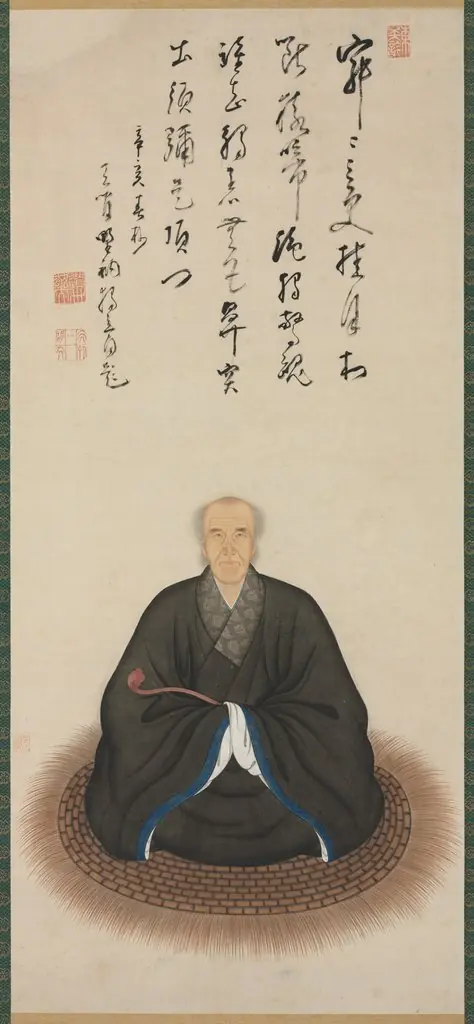 Portrait of Duli Xingyi
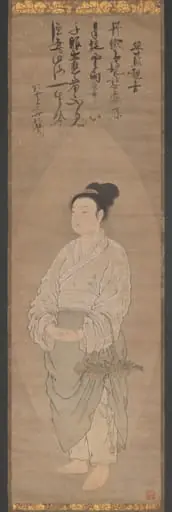 Fish Basket Kannon (Gyoran Kannon)