Artwork
Portrait of Frederick Henry, Prince of Orange
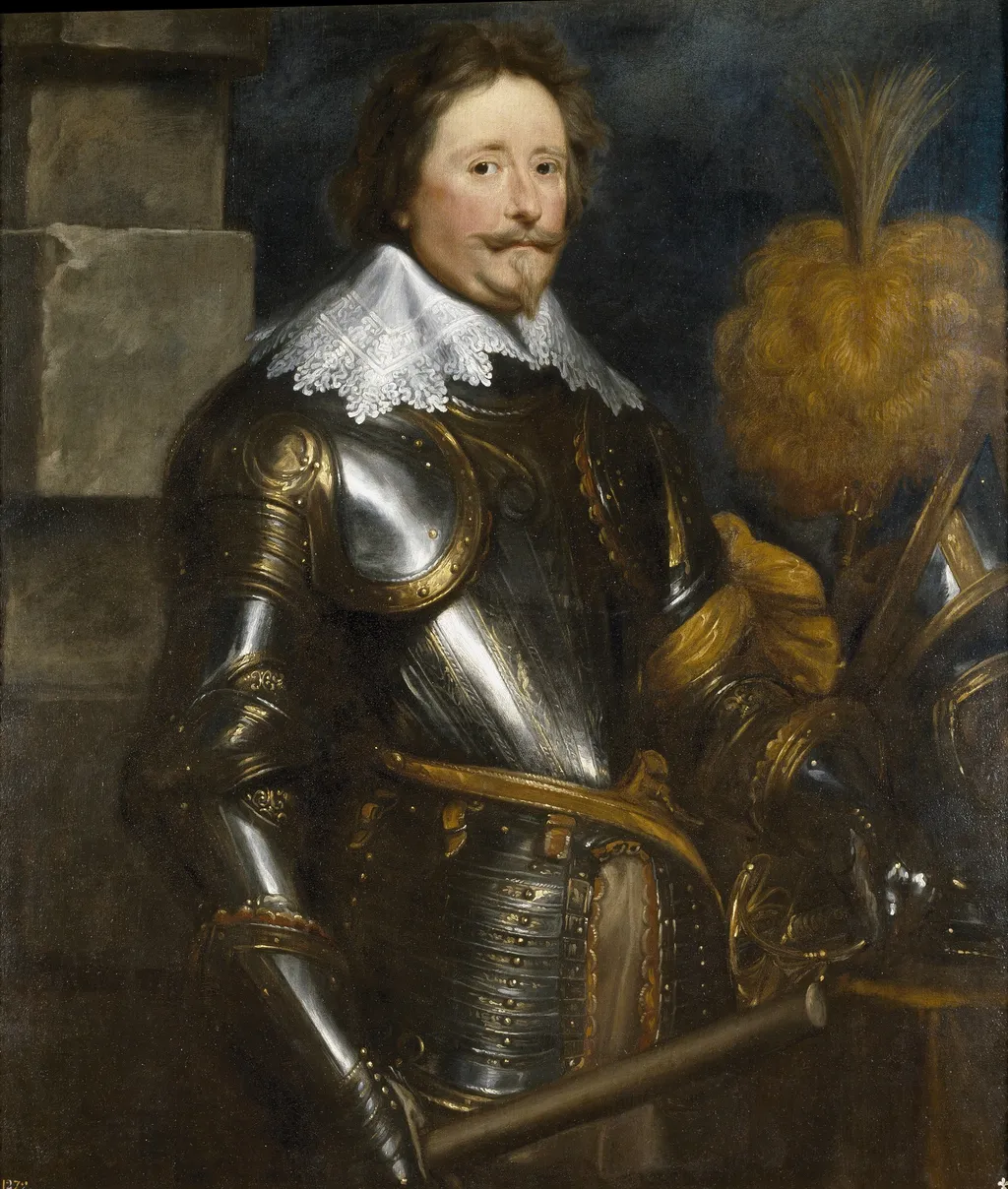
Portrait of Frederick Henry, Prince of Orange is an oil painting by the Flemish Baroque painting artist Anthony van Dyck. It dates from 1632 and is held in the collection of the Museo del Prado. Created in 1632, this oil on canvas depicts Frederick Henry, Prince of Orange, in elaborate 17th‑century armor.
About this work
Subject & Meaning
The work depicts Frederick Henry of Orange-Nassau, identified as the main subject of the 1632 oil painting by Anthony van Dyck.
The work depicts Frederick Henry of Orange-Nassau, identified as the main subject of the 1632 oil painting by Anthony van Dyck. As a formal portrait, the piece serves to represent the Prince of Orange through the conventions of royal portraiture established by the artist during that period. The depiction focuses on the individual identity of the Dutch ruler, capturing his likeness without additional narrative elements or specific symbolic attributes mentioned in the available records.
Technique & Style
The work is an oil painting on canvas, measuring 110 cm by 95 cm, created in 1632. It depicts Frederick Henry of Orange-Nassau and exemplifies Van Dyck’s characteristic use of restrained brushwork and a luminous palette that conveys both the sitter’s authority and a refined sense of space.
History & Provenance
The portrait was painted by Anthony van Dyck in 1632. It later entered the Spanish royal collections, passing through the hands of Philip V of Spain, Elisabeth Farnese, and Charles III of Spain before being held by Ferdinand VII of Spain. The work is now in the collection of the Museo del Prado, with associated locations at the Royal Palace of Aranjuez and the Royal Palace of La Granja de San Ildefonso.
The portrait is held by the Museo del Prado in Madrid, where it is catalogued as P001482. According to provenance records, the painting passed through the Spanish royal collections, having been owned successively by Philip V of Spain, Elisabeth Farnese, Charles III of Spain, and Ferdinand VII of Spain.
Associated holdings linked to the work also include the Royal Palace of Aranjuez and the Royal Palace of La Granja de San Ildefonso, suggesting the painting was at times displayed within these royal residences in addition to the Prado.
Overview
Created in 1632, this oil on canvas depicts Frederick Henry, Prince of Orange, in elaborate 17th‑century armor. The sitter holds a feathered hat in his left hand while his right rests on a sword, set against a muted wall with a narrow window opening. The composition balances the dark background with the luminous details of the armor and lace collar, emphasizing the figure’s stature.
Context
At the time of its creation, van Dyck was consolidating his reputation as a portraitist for European aristocracy. The painting reflects the Baroque fascination with power and splendor, aligning with contemporary diplomatic portraiture that aimed to convey both personal virtue and political legitimacy through lavish attire and controlled theatricality.
Own this work as a print
Artist & collection
Artist
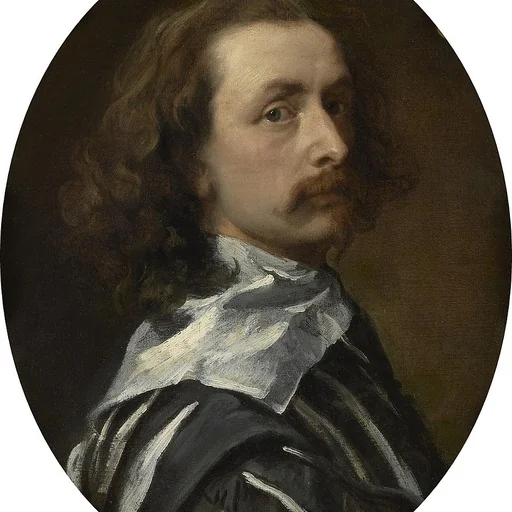
Sir Anthony van Dyck (; Dutch: Antoon van Dijck; 22 March 1599 – 9 December 1641) was a Flemish Baroque artist, who became the leading court painter in England after success in the Spanish Netherlands and Italy.

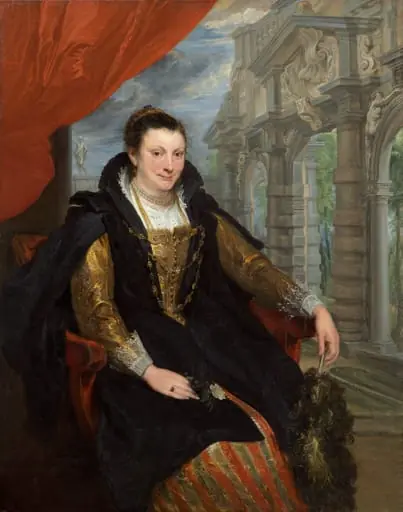
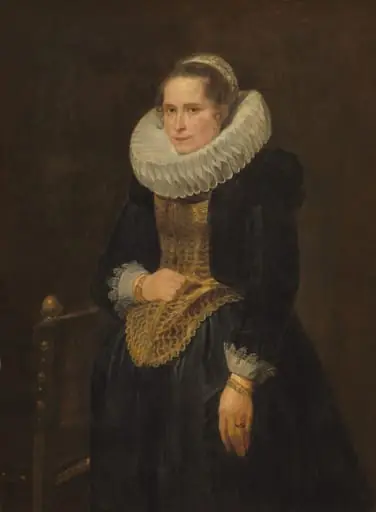
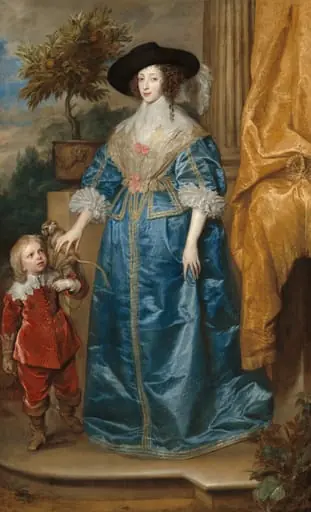
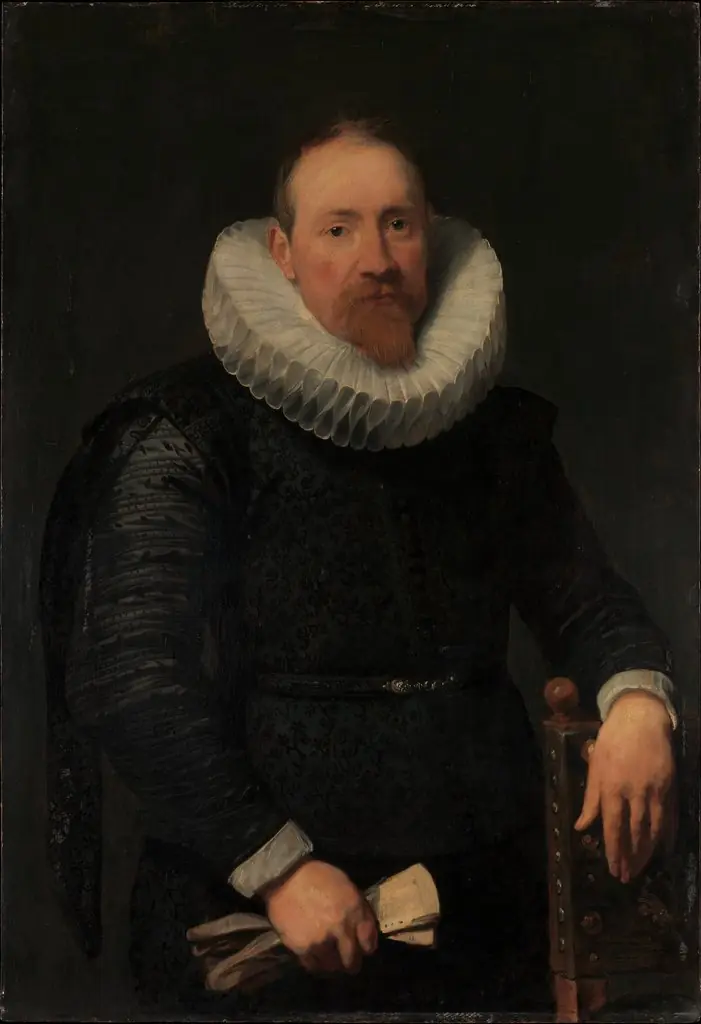
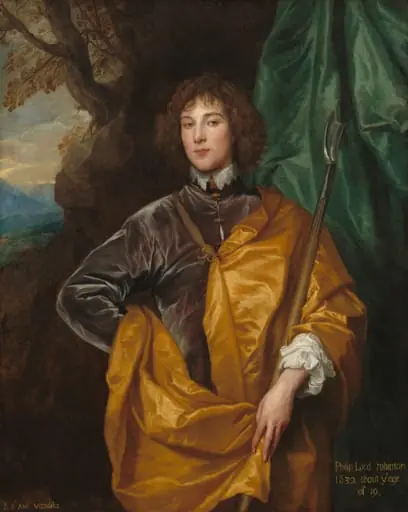
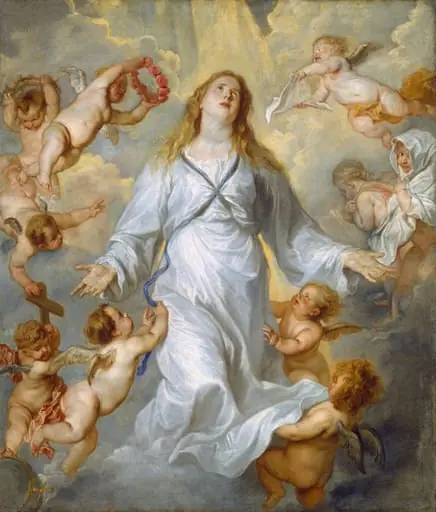
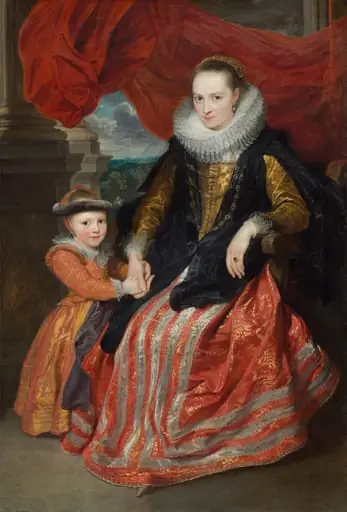
- Portrait of Frederick Henry, Prince of Orange
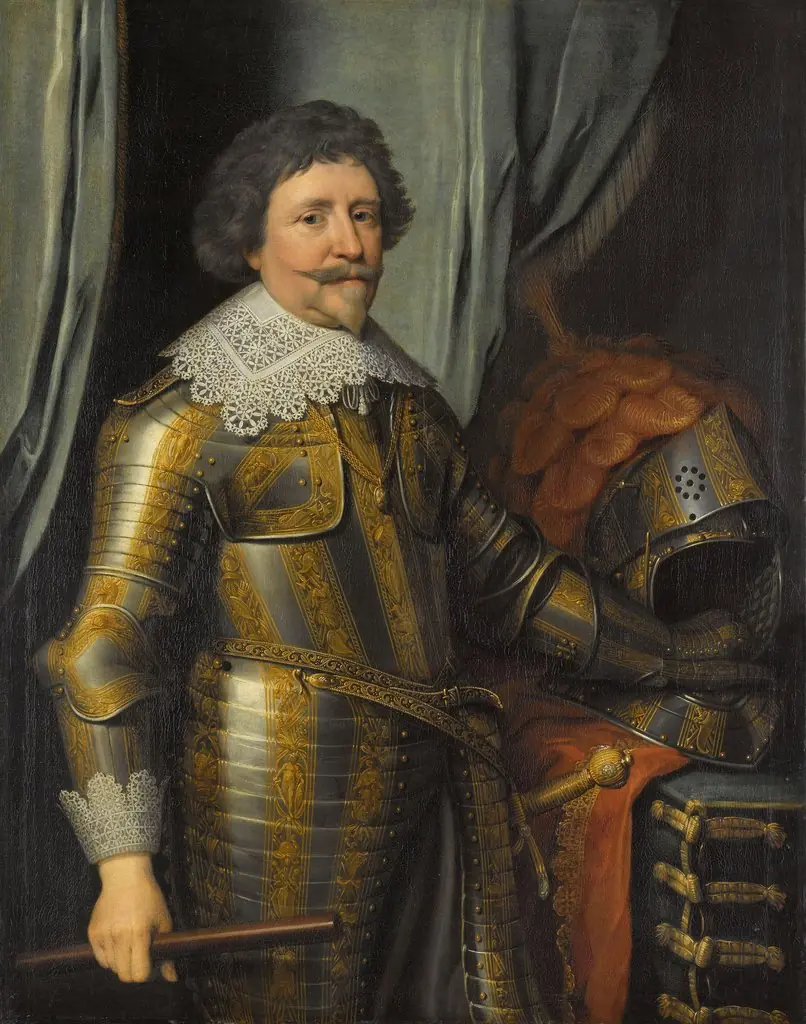
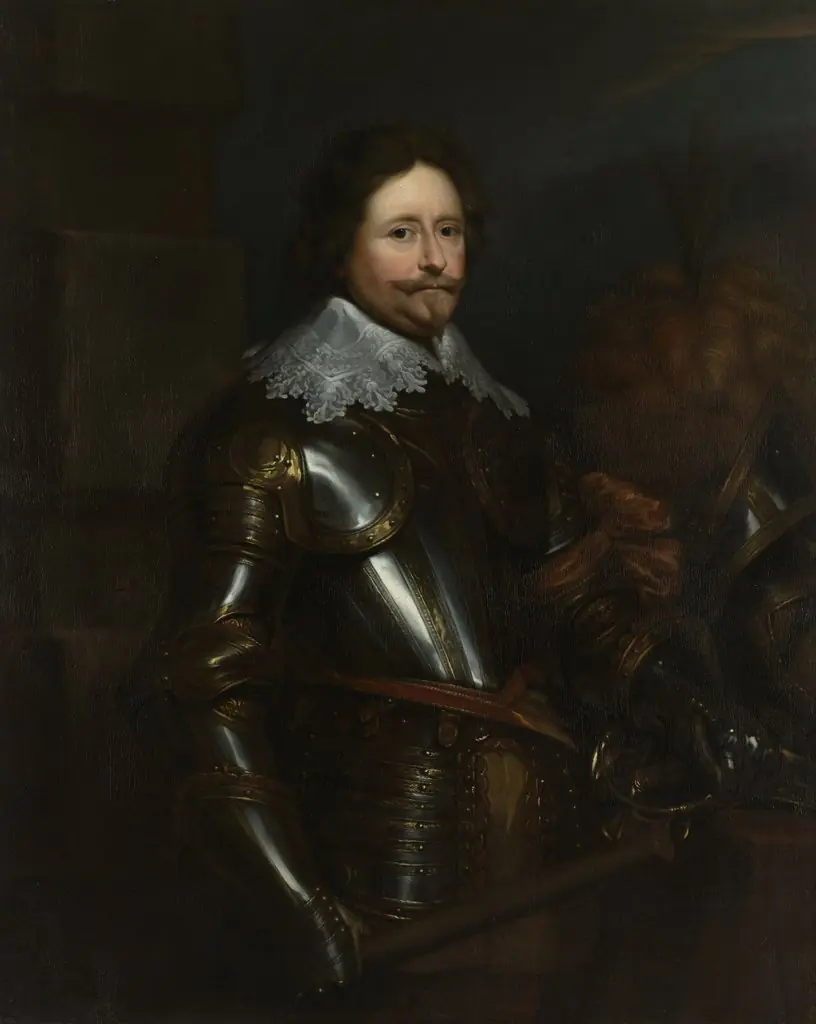 Portrait of Frederik Hendrik (1584-1647), prince of Orange
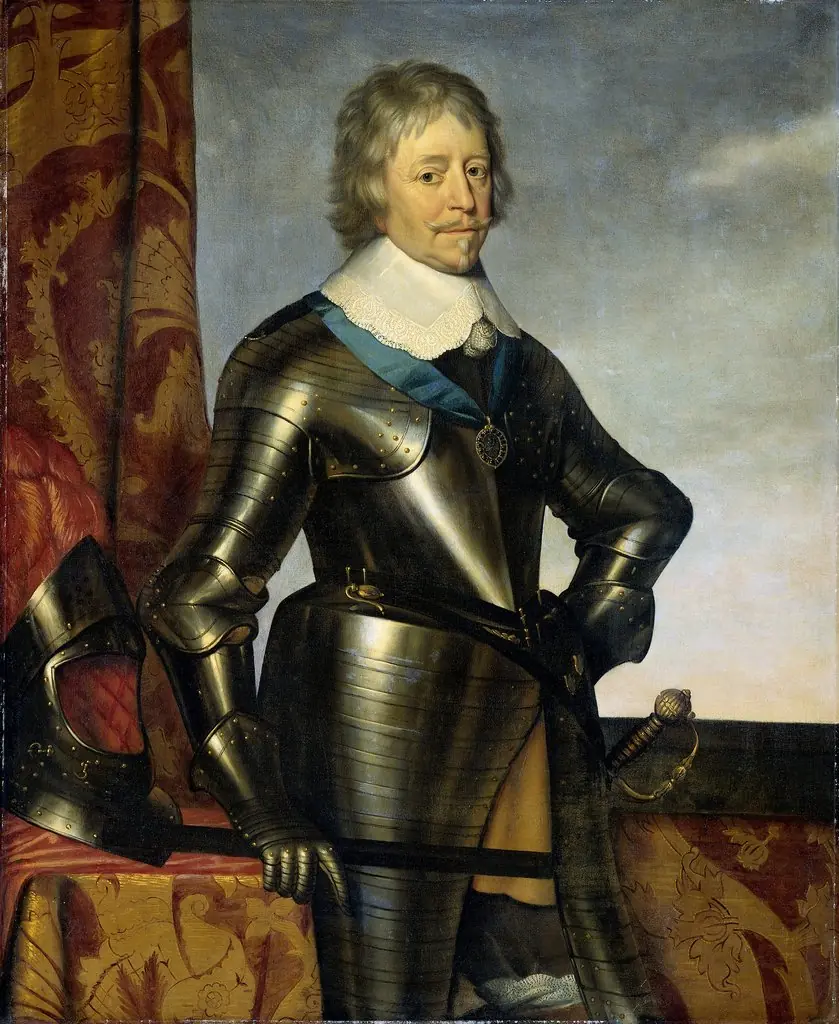 Portrait of Frederik Hendrik (1584 - 1647), Prince of Orange
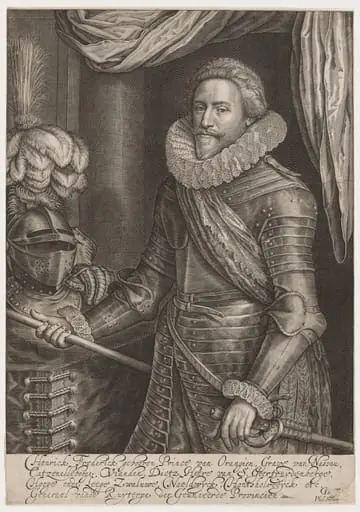 Frederick Henry, Prince of Orange
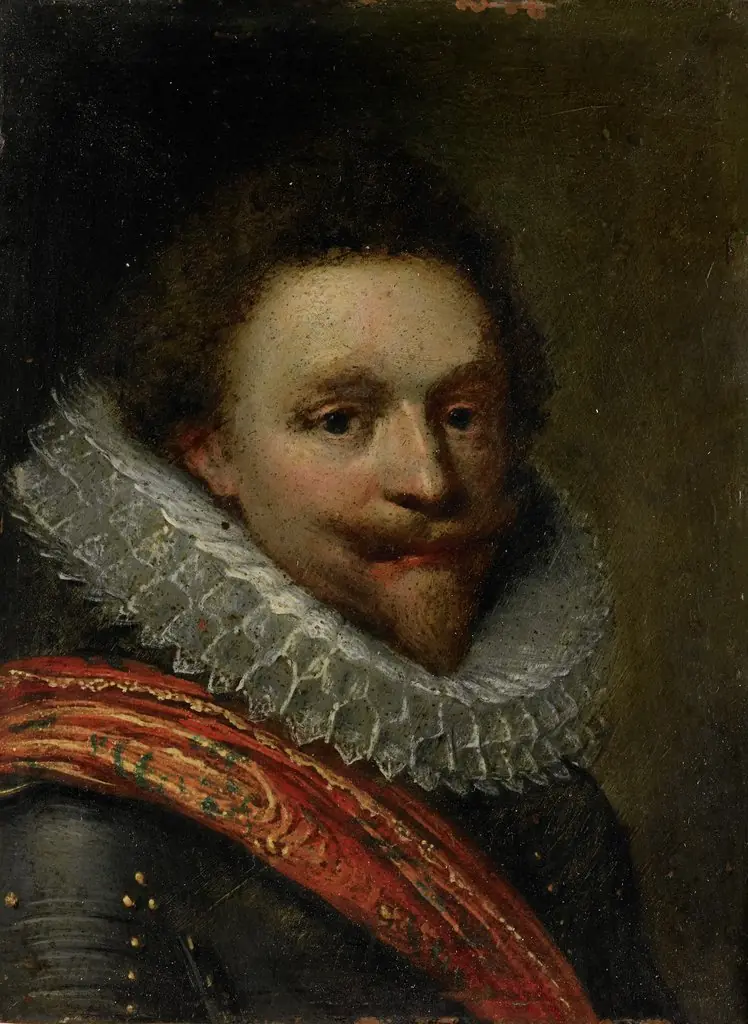 Portrait of Frederik Hendrik (1584-1647), Prince of Orange
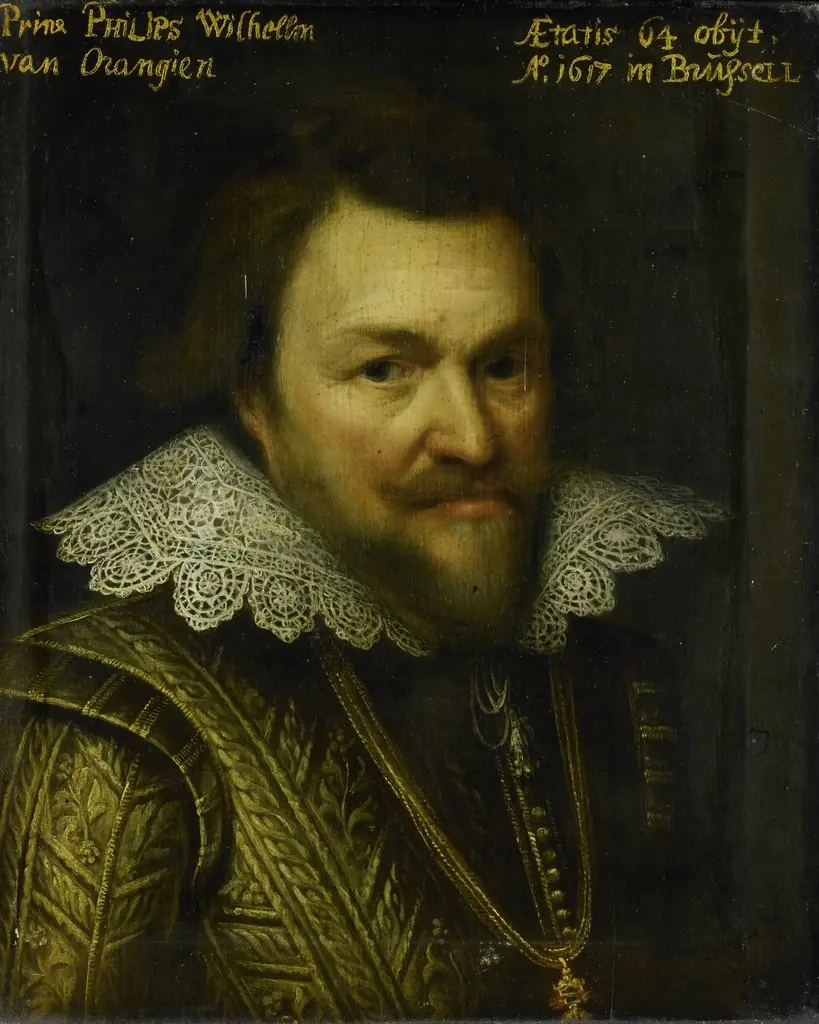 Portrait of Philips Willem (1554-1618), Prince of Orange
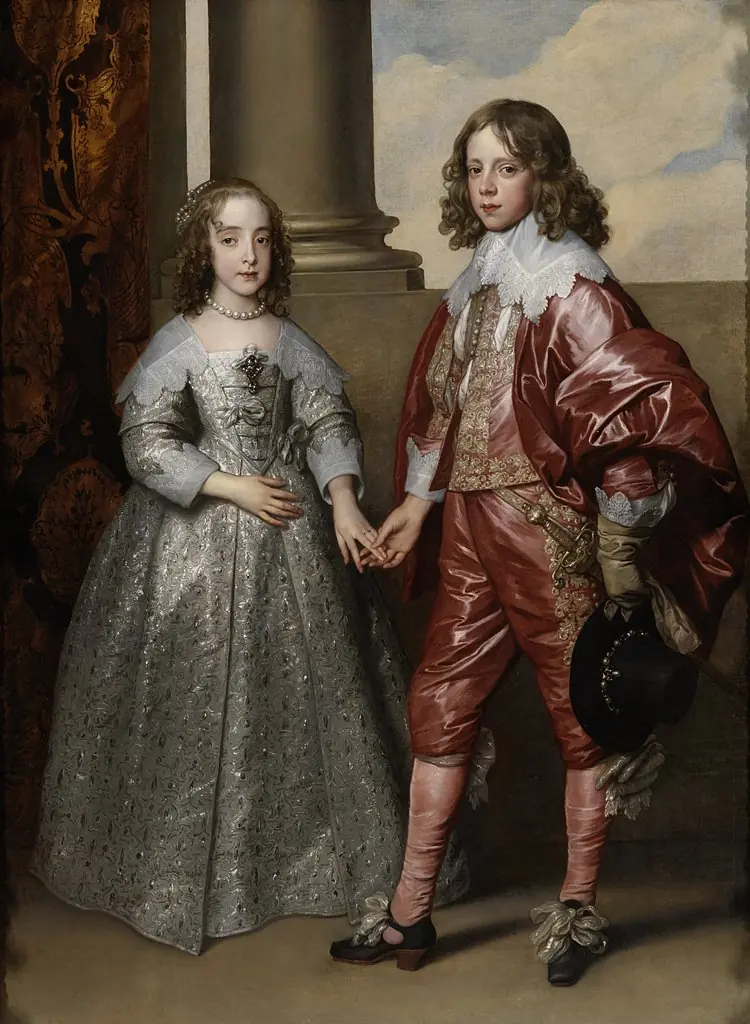
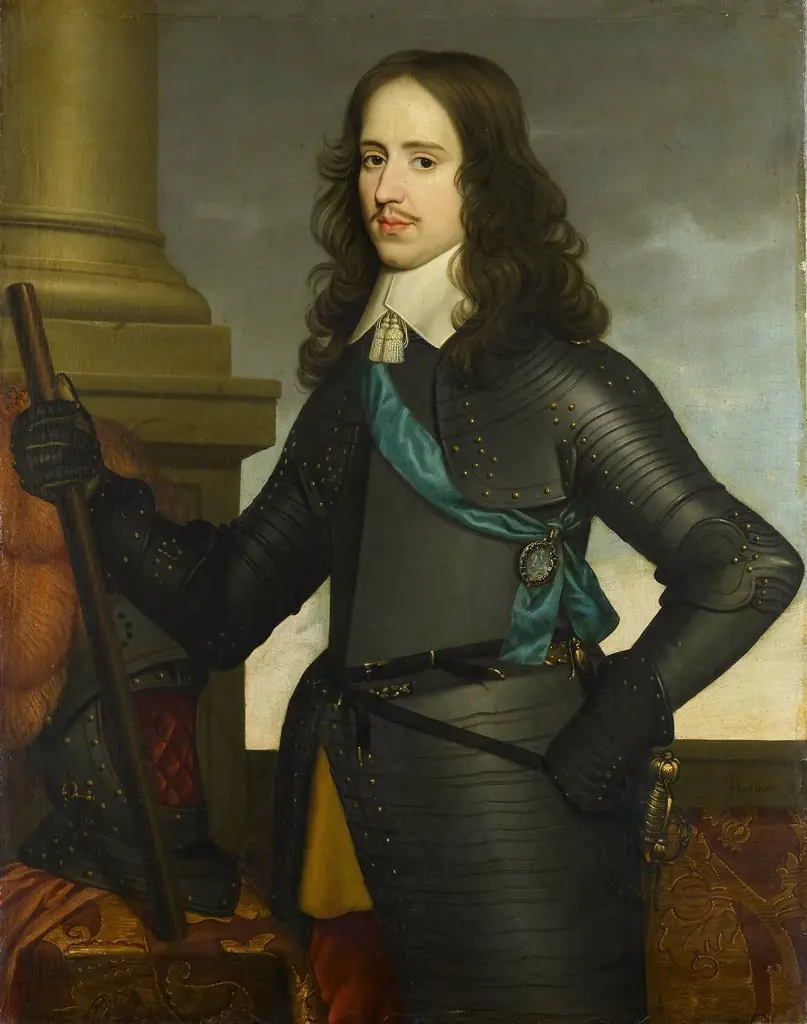 Portrait of Willem II (1626-50), Prince of Orange