Artwork
Portrait of Sandford Peacocke
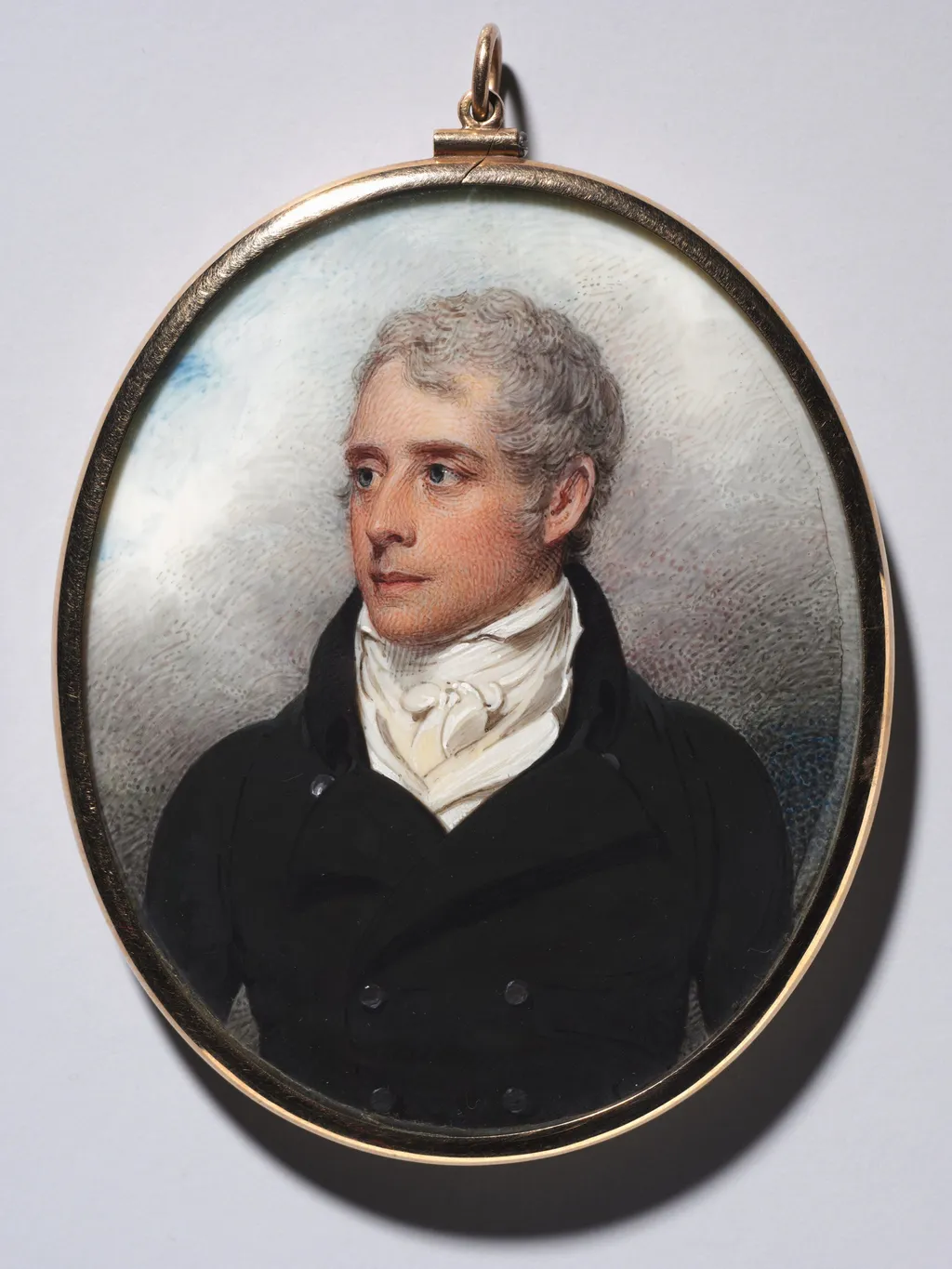
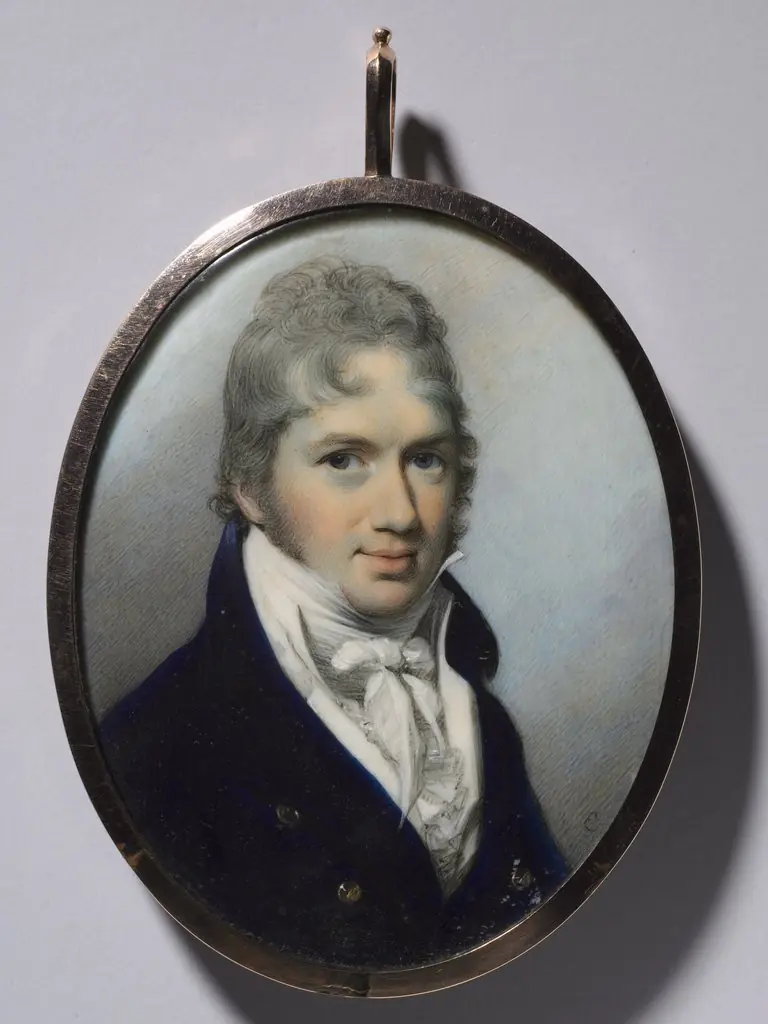
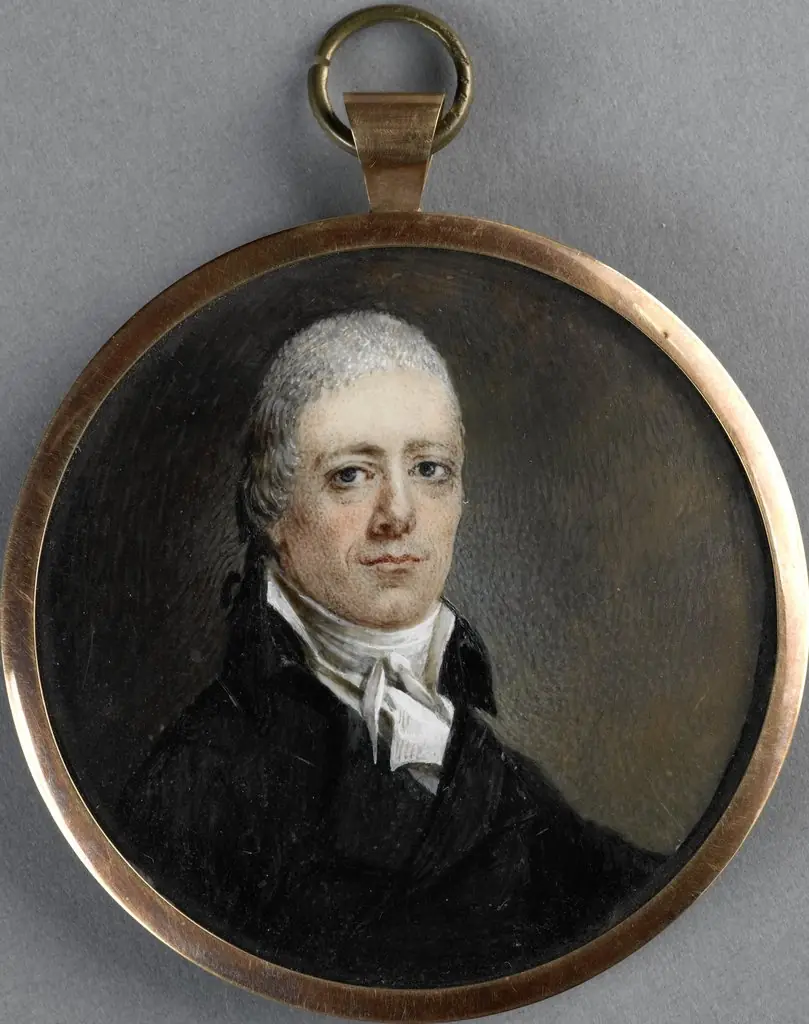
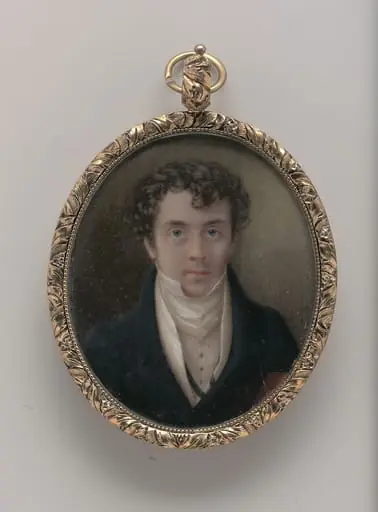
Portrait of Sandford Peacocke is an unspecified painting. It dates from 1801 and is held in the collection of the Cleveland Museum of Art. The work is a modestly sized oval portrait depicting a seated gentleman with greying hair and a solemn demeanor.
About this work
Technique & Style
The Portrait of Sandford Peacocke is described as a portrait miniature, a small-scale painting executed in 1801.
The Portrait of Sandford Peacocke is described as a portrait miniature, a small-scale painting executed in 1801. Sources identify it as a painting (portrait genre) and note its classification as a miniature, indicating a finely detailed, diminutive format typical of early nineteenth‑century portraiture. While the artist is listed as unknown in one record, another attributes the work to William Wood. The medium and support are not specified in the available sources.
History & Provenance
The Portrait of Sandford Peacocke is a portrait miniature painted in 1801 by William Wood, a British artist active circa 1768–1809. The work is held in the collection of the Cleveland Museum of Art, where it is catalogued under the accession number 1942.1159.
Portrait of Sandford Peacocke is held at the Cleveland Museum of Art, where it is accessioned under the identifier 1942.1159. The work was included in the exhibition "British Portrait Miniatures, 1730-1850," displayed at the Cleveland Museum of Art in 1942.
Overview
The work is a modestly sized oval portrait depicting a seated gentleman with greying hair and a solemn demeanor. He is dressed in a dark coat and a white cravat that is neatly tied at the throat. The composition is set against an unadorned, muted background that directs attention to the sitter’s face.
Subject & Meaning
The figure appears to be a man of some standing, suggested by his formal attire and composed expression. The restrained palette and plain backdrop emphasize his personal presence rather than any narrative or allegorical content, inviting viewers to consider his individuality and status.
Context
Oval portrait formats with metal edging were common in the 17th and 18th centuries for intimate, personal likenesses. The subdued background and focus on facial features align with the period’s conventions for private commissions intended for domestic display.
Artist & collection

- Portrait of a Young Man
 Portrait of Sandford Peacocke
 Portrait of a Young Man
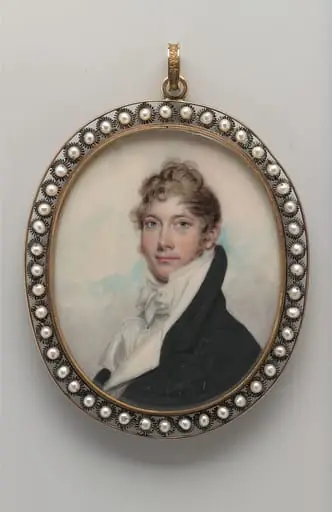 Benjamin Kintzing
 Portrait of Sir Thomas Baring, 2nd Baronet
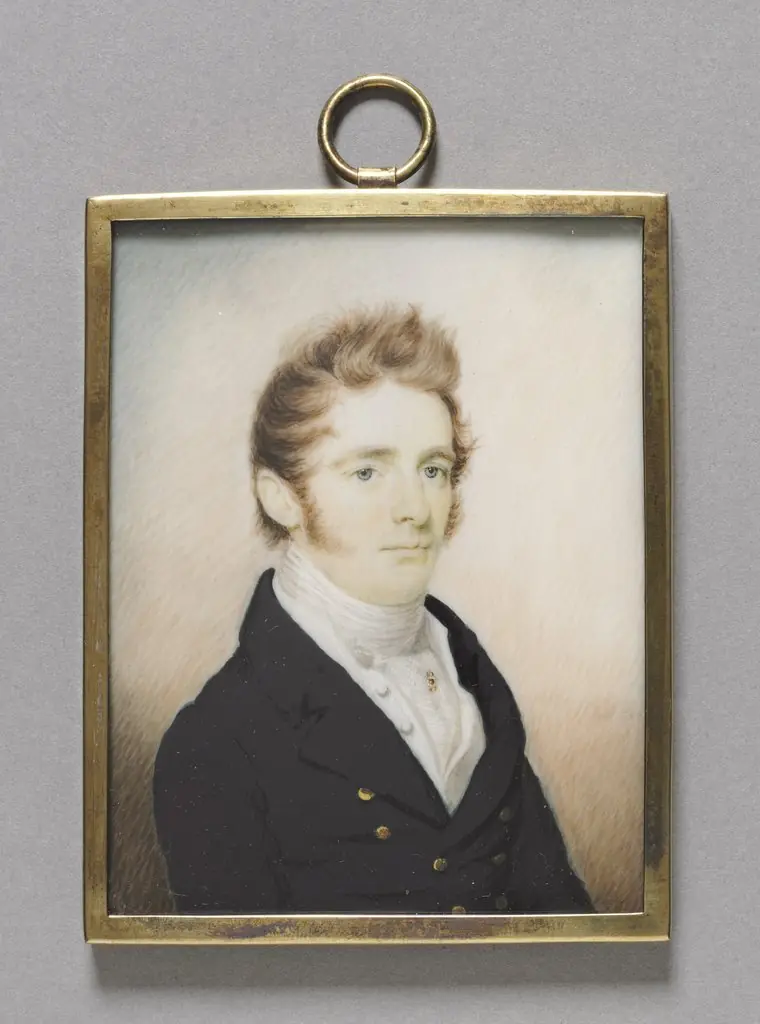 Portrait of a Man with a Hairlip
 Portrait of a Man with a Cleft Lip
 Portret van een man
 Portrait of a Gentleman
 Portrait of a Gentleman
 Dr. Henry Nicolls Kitchin
 Self-Portrait