Artwork
Portrait of Willem V van Oranje-Nassau (1748-1806)
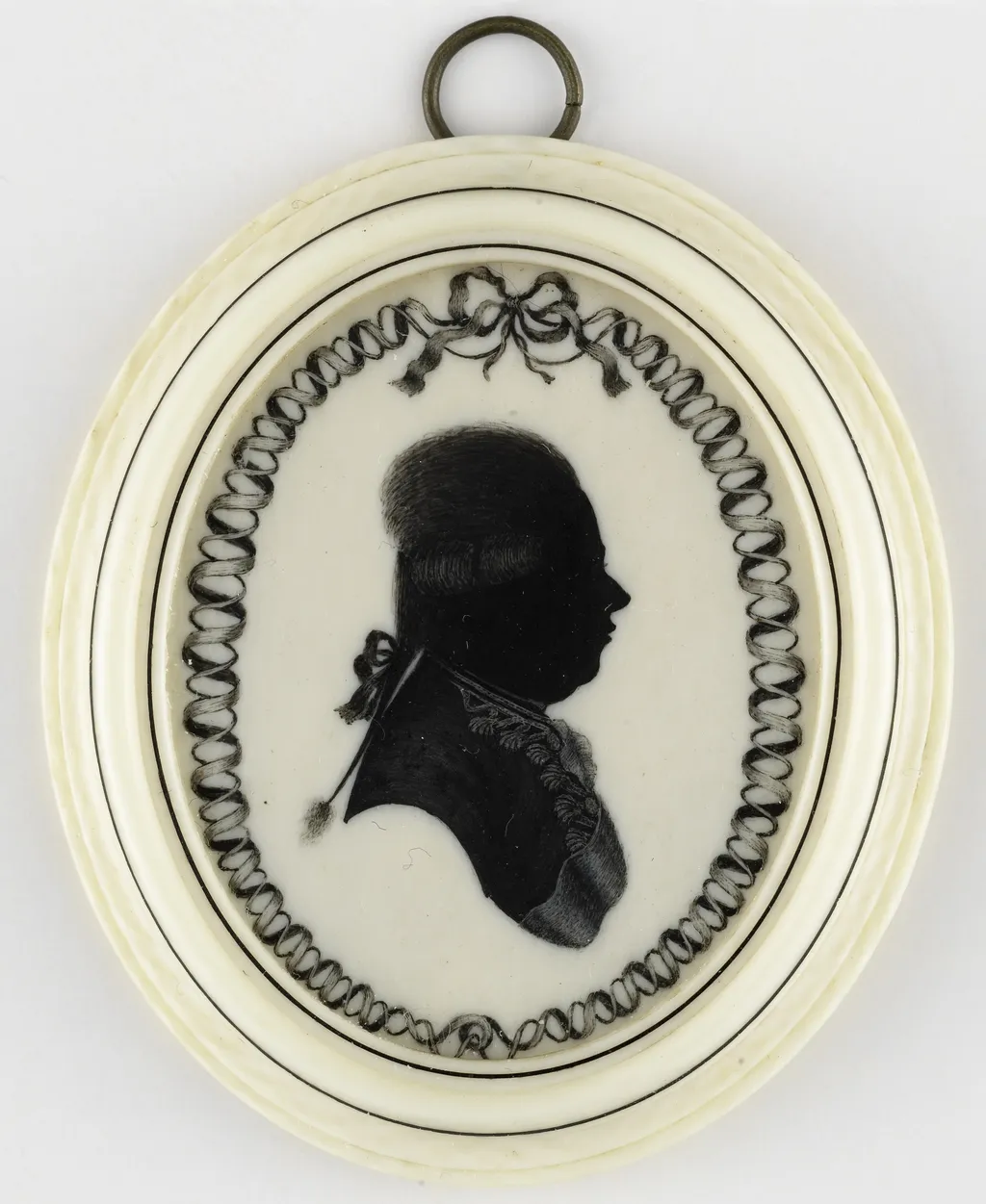
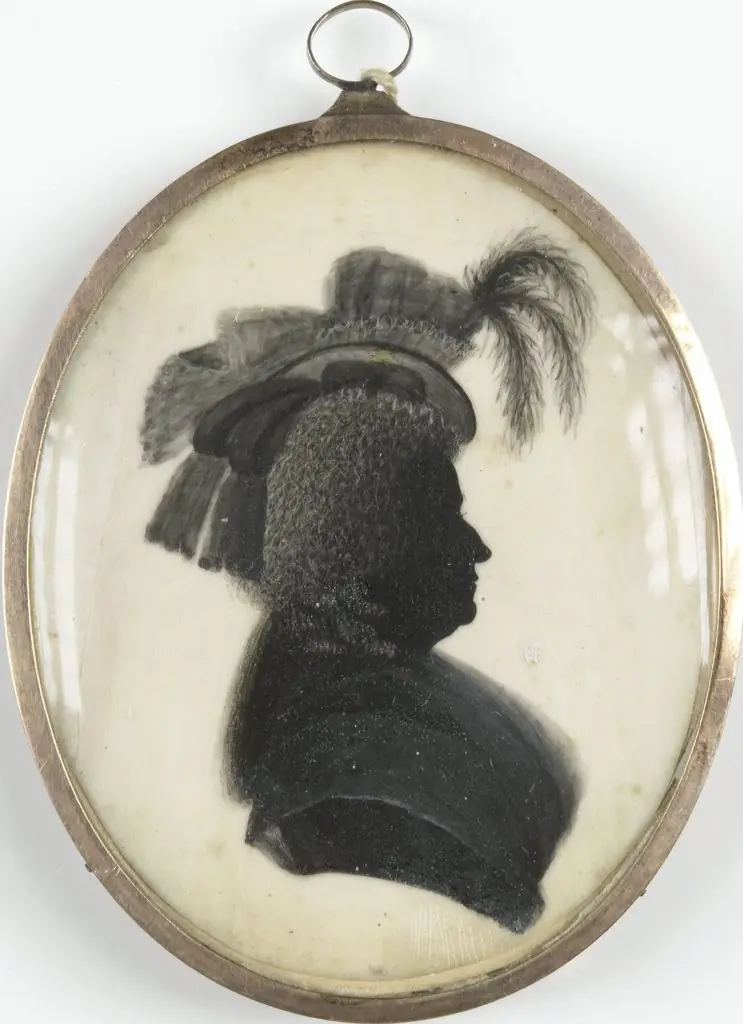
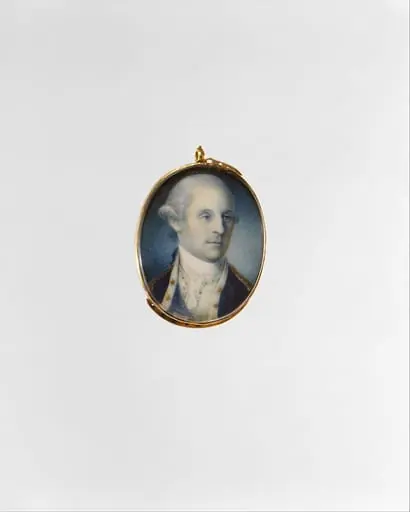
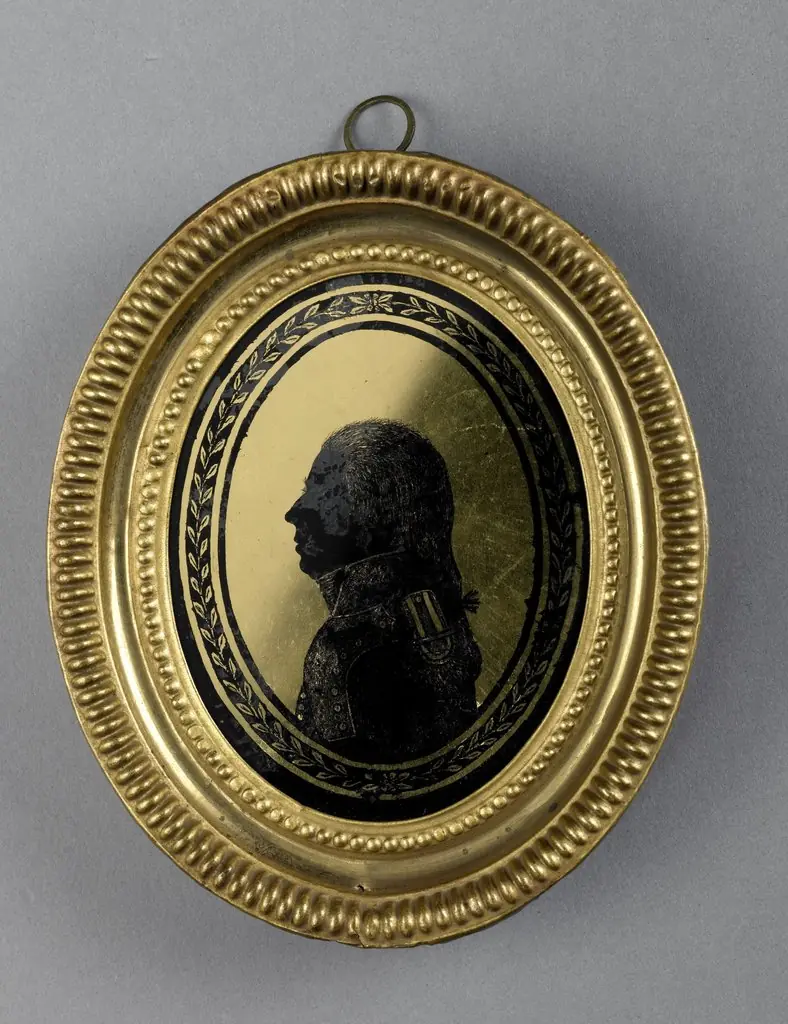
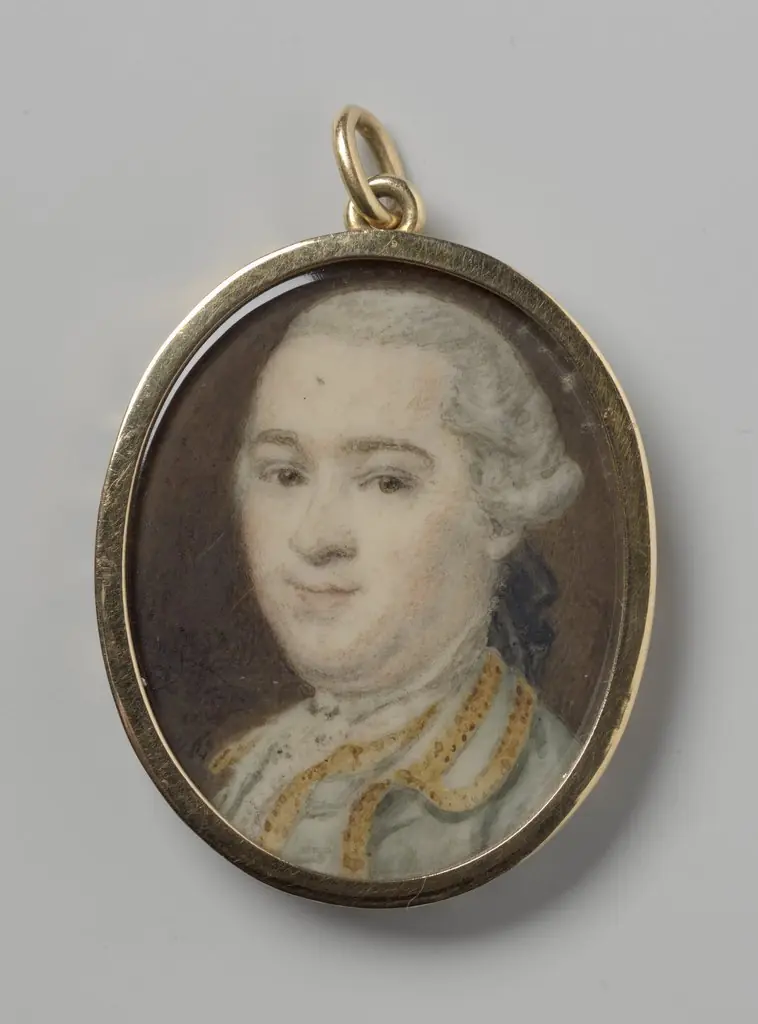
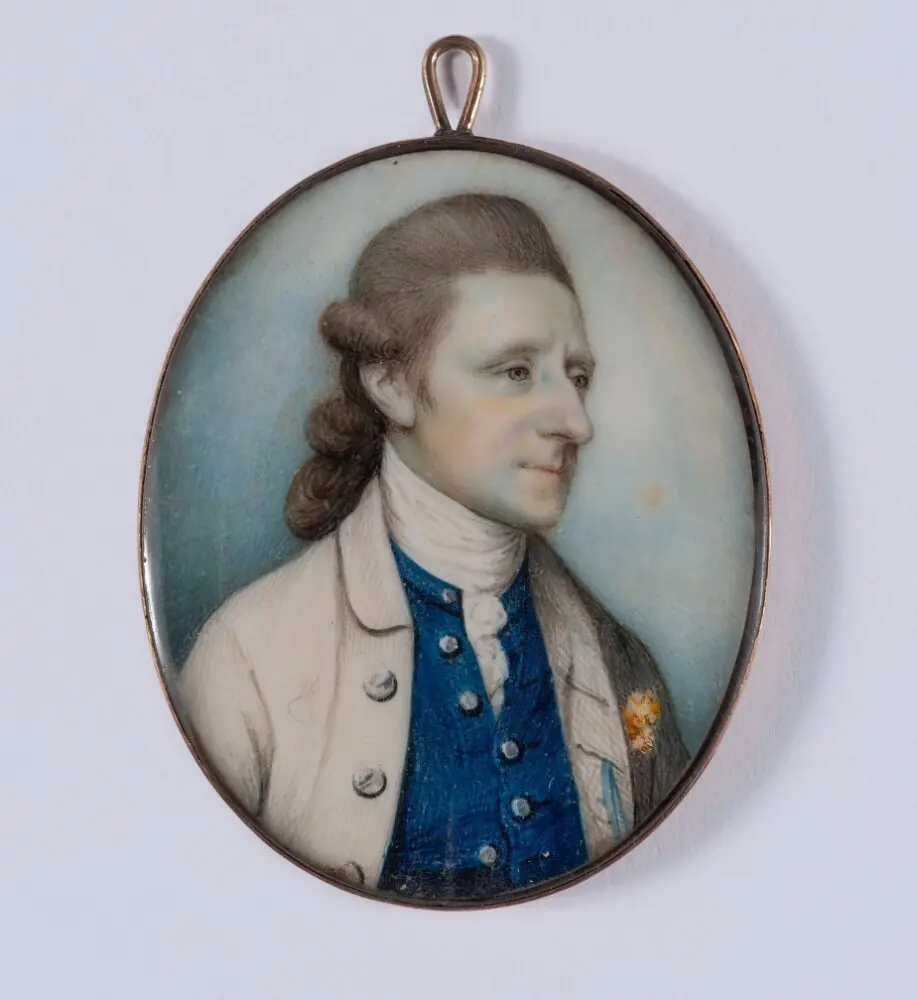
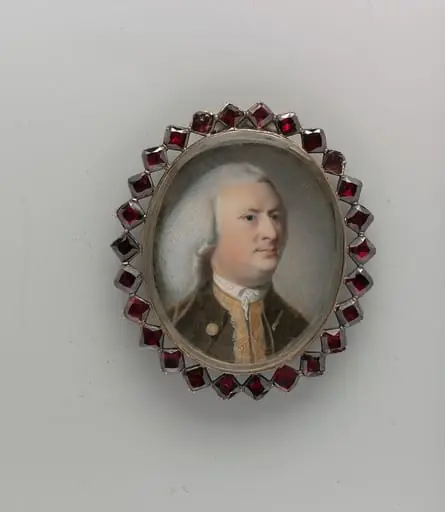
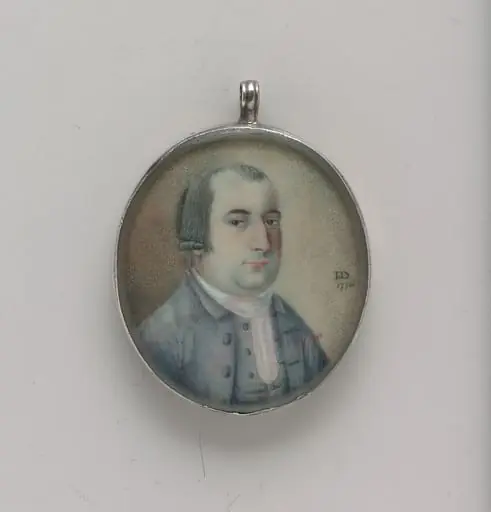
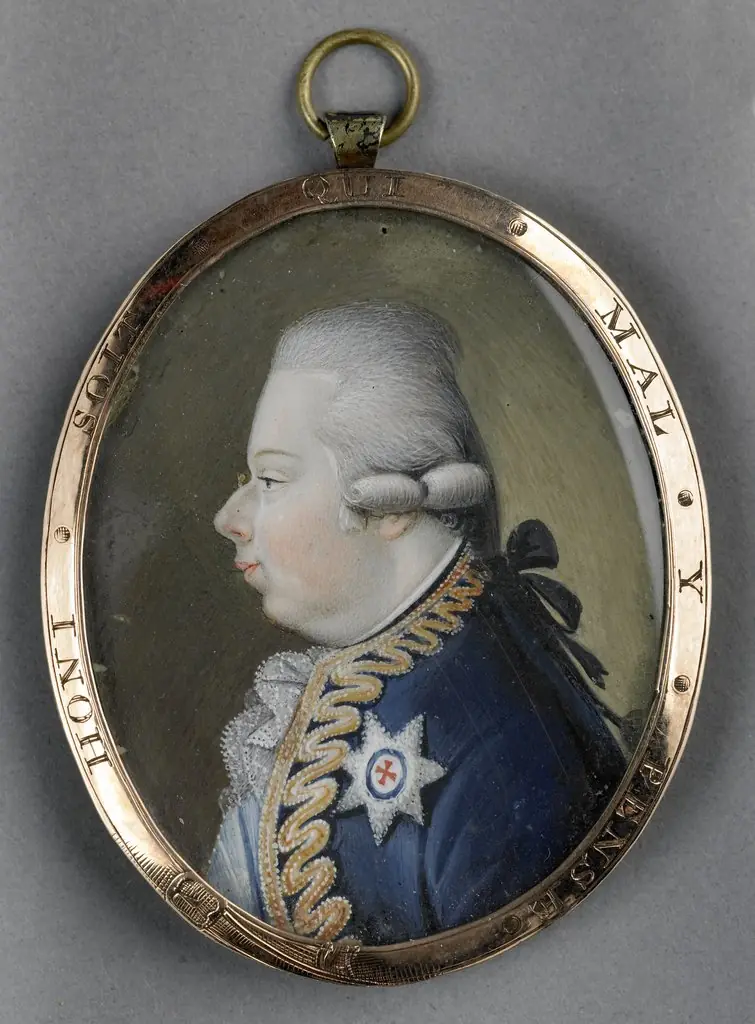
Portrait of Willem V van Oranje-Nassau (1748-1806) is an ivory painting. It dates from 1790 and is held in the collection of the Rijksmuseum. The work is a modestly sized, oval ivory relief portraying a single figure.
About this work
Subject & Meaning
Created in 1780, the piece identifies its main subject explicitly as the prince, capturing his likeness during his tenure as the head of state.
The work depicts William V, Prince of Orange, serving as a formal portrait of the Dutch stadtholder. Created in 1780, the piece identifies its main subject explicitly as the prince, capturing his likeness during his tenure as the head of state. As a small-scale ivory painting, the object functions as an intimate representation of the ruling figure, likely intended for personal or courtly circulation rather than public display.
The attribution of the work to an anonymous artist suggests the primary value lies in the depiction of the prince himself rather than the specific hand of the creator. The portrait stands as a visual record of the House of Orange-Nassau during the late eighteenth century.
Technique & Style
Executed in 1780, this portrait of William V, Prince of Orange, is a painting rendered on an ivory support. The work measures 5.6 cm in height and 4.7 cm in width, indicating a miniature scale typical for such personal devotional or commemorative objects. Created in Holland, the piece utilizes the smooth, luminous surface of the ivory to achieve the delicate finish characteristic of portraiture from this period.
The composition focuses strictly on the likeness of the sitter, adhering to the conventions of the portrait genre without extraneous background elements.
History & Provenance
The portrait dates to 1780, when William V served as Stadtholder of the Dutch Republic. Its small ivory support (5.6 × 4.7 cm) aligns with the intimate cabinet format favored for private circulation among elite patrons. The work entered the collection of the Rijksmuseum, where it remains located, catalogued as an anonymous Dutch portrait within the national holdings.
Legacy
The portrait of Willem V van Oranje-Nassau was created in 1780 and later entered the collection of the Rijksmuseum, where it is catalogued as an anonymous painting of William V, Prince of Orange. Its depiction on ivory and its provenance have contributed to scholarly discussions of Dutch portraiture in the late 18th century, influencing interpretations of royal iconography during that period.
Overview
The work is a modestly sized, oval ivory relief portraying a single figure. Carved in monochrome, the composition is set against an unadorned background and bordered by a fine rope‑like motif. The subject is shown in half‑profile, with one hand concealed within a coat and the other grasping a small object, possibly a glove or baton.
Context
Ivory relief portraits were common among European aristocracy as personal keepsakes or diplomatic gifts. The restrained composition and lack of background ornamentation reflect the neoclassical taste for clarity and emphasis on the sitter’s character rather than elaborate scenery.
Artist & collection