Artwork
Portret van een officier
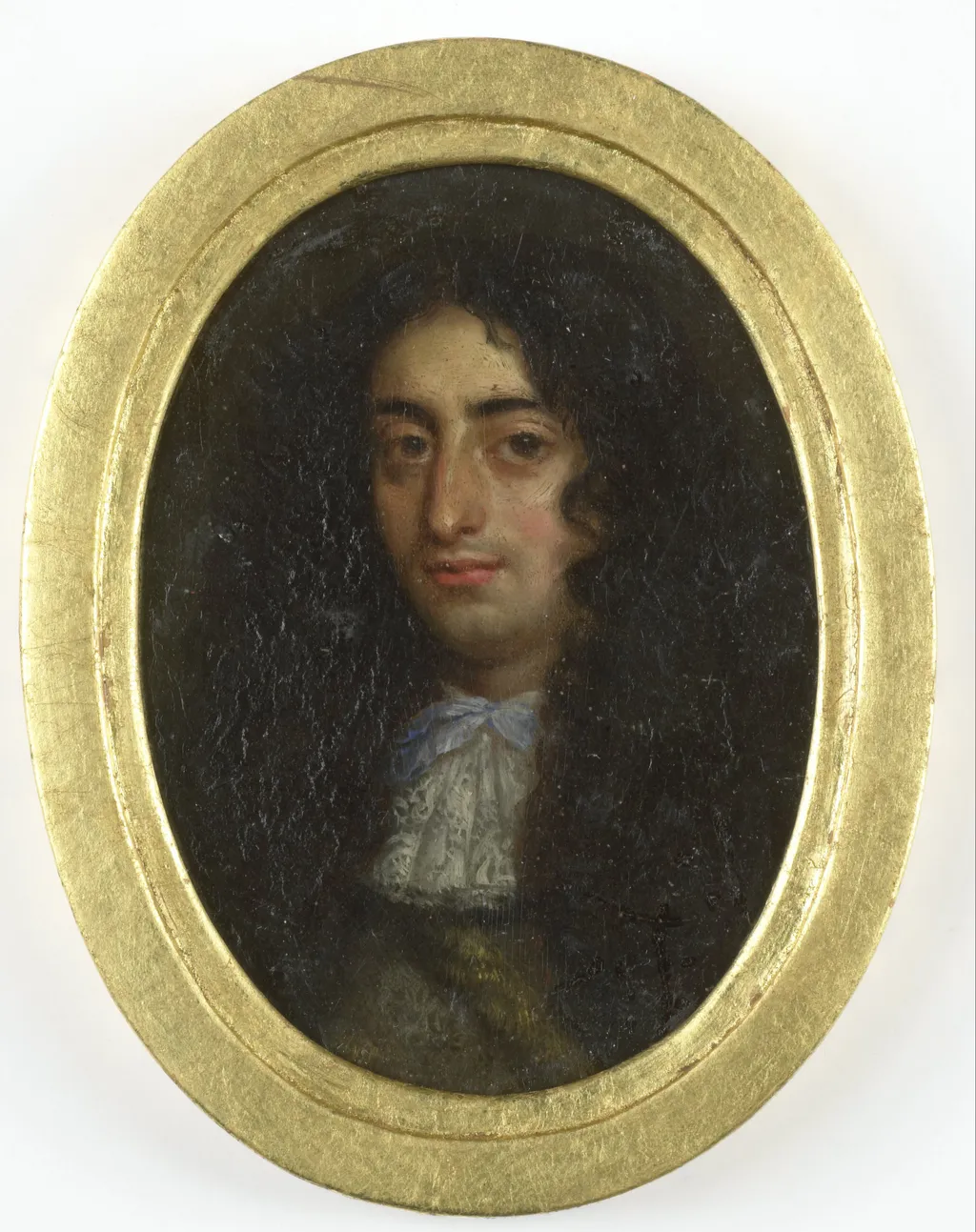
Portret van een officier is an oil painting. It dates from 1675 and is held in the collection of the Rijksmuseum. The work is an oval portrait executed on a copper plate, measuring modestly and set within a gilded frame.
About this work
Subject & Meaning
Created on copper in 1675, the work belongs to the genre of portraiture and is identified as an anonymous painting held in the Rijksmuseum.
The painting depicts a military officer, as indicated by its subject classification. Created on copper in 1675, the work belongs to the genre of portraiture and is identified as an anonymous painting held in the Rijksmuseum. The small format, 7.1 by 5.3, is characteristic of finely detailed seventeenth-century Dutch portrait miniatures on copper, a support favored for its smooth surface that allowed precise rendering of facial features and uniform details.
The subject's depiction as a military officer situates the work within the Northern Low Countries' tradition of commissioning individual likenesses of armed forces personnel, reflecting the era's emphasis on civic and martial identity. As an anonymous production, the portrait functions less as a record of a specific named individual and more as a representative study of a soldier's bearing, attire, and status during the late seventeenth century.
Technique & Style
Created in 1675, the portrait of an officer is executed in oil paint on a copper support. This small-scale work measures 7.1 cm in height and 5.3 cm in width. The choice of copper as a ground material was a deliberate technical decision common in the Northern Low Countries during the late 17th century, offering a smooth, non-absorbent surface that allows for fine detail and a luminous finish.
The painting depicts a military officer, reflecting the genre's focus on individual characterization within the constraints of a miniature format.
History & Provenance
Created in 1675 within the Northern Low Countries, this portrait depicts a military officer. The work was executed using oil paint on a copper support. While the specific commissioner and early ownership history remain undocumented in the available records, the piece is currently held in the collection of the Rijksmuseum.
Overview
The work is an oval portrait executed on a copper plate, measuring modestly and set within a gilded frame. The composition presents a solitary figure against a dark, unadorned background, allowing the sitter’s face to dominate the visual field. The overall effect is formal and restrained, characteristic of private portraiture in the early modern period.
Context
Copper portraiture was relatively uncommon, often reserved for works intended for durability and a refined visual quality. The use of a dark, neutral background aligns with contemporary conventions that isolate the sitter, a practice seen in Dutch and Flemish portraiture of the 17th century. The officer’s attire and insignia reflect the military fashion of the period, situating the piece within a broader tradition of elite portrait commissions.
Artist & collection

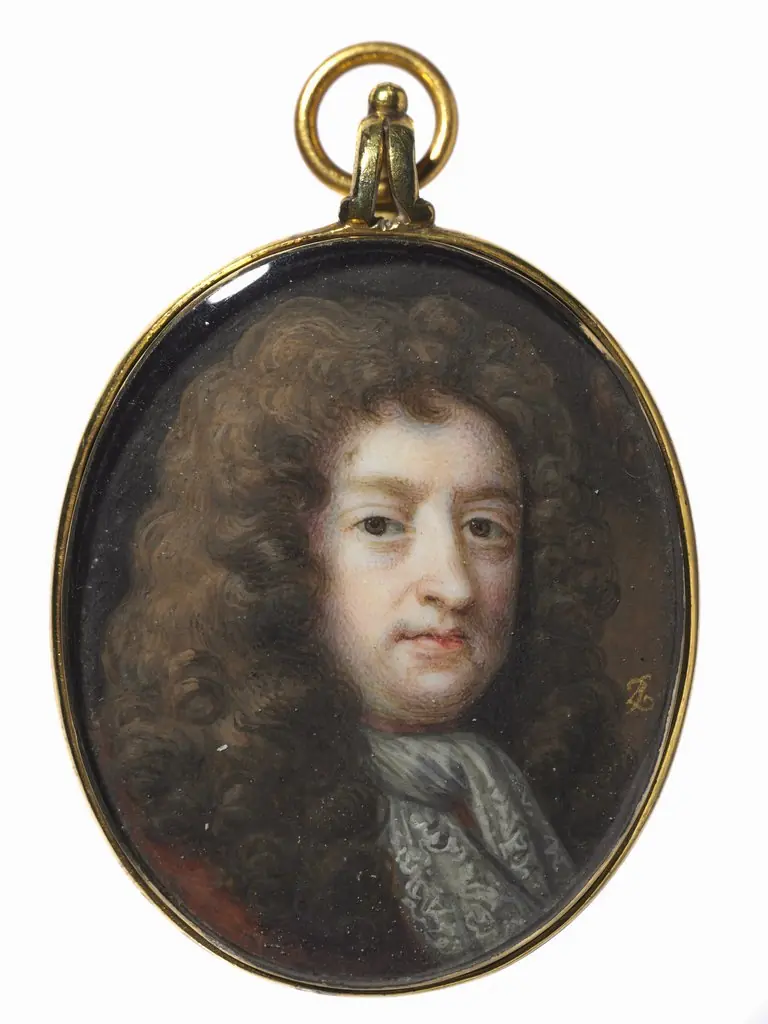 Portrait of Samuel Butler
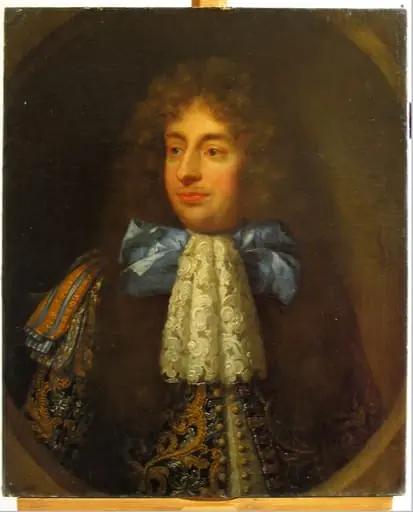 Portretul unui necunoscut
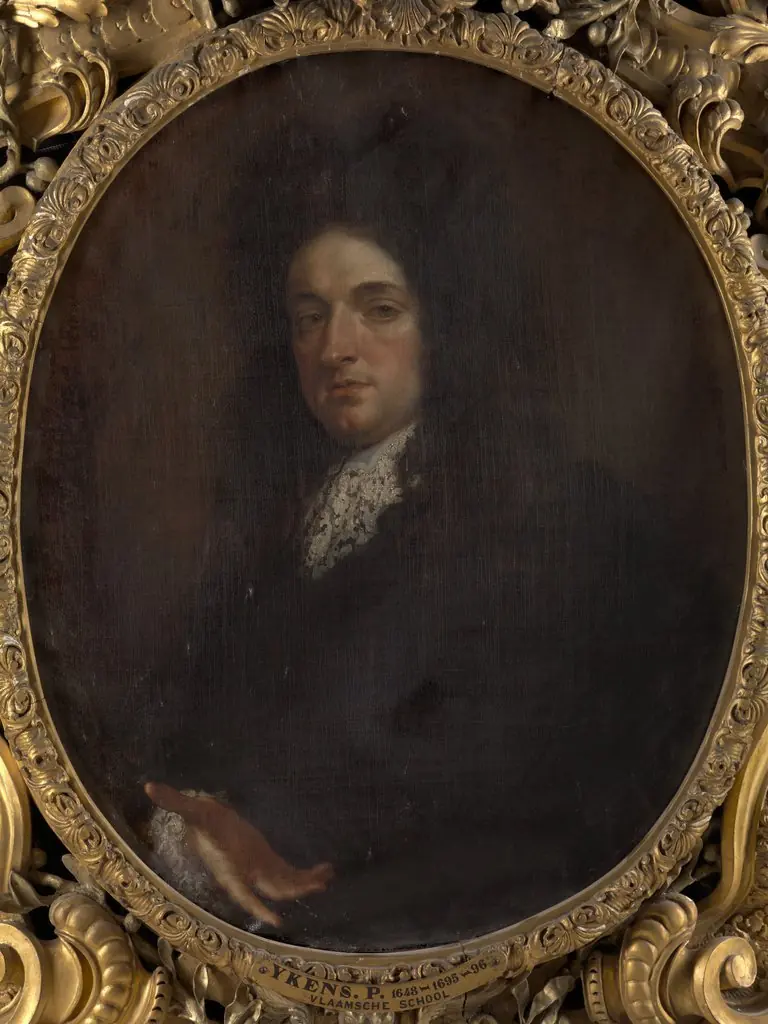 Steven Cornelis Janssens van Hujoel, Dean of the Guild of St. Luke and of the Chamber of Rhetoric De Olijftak
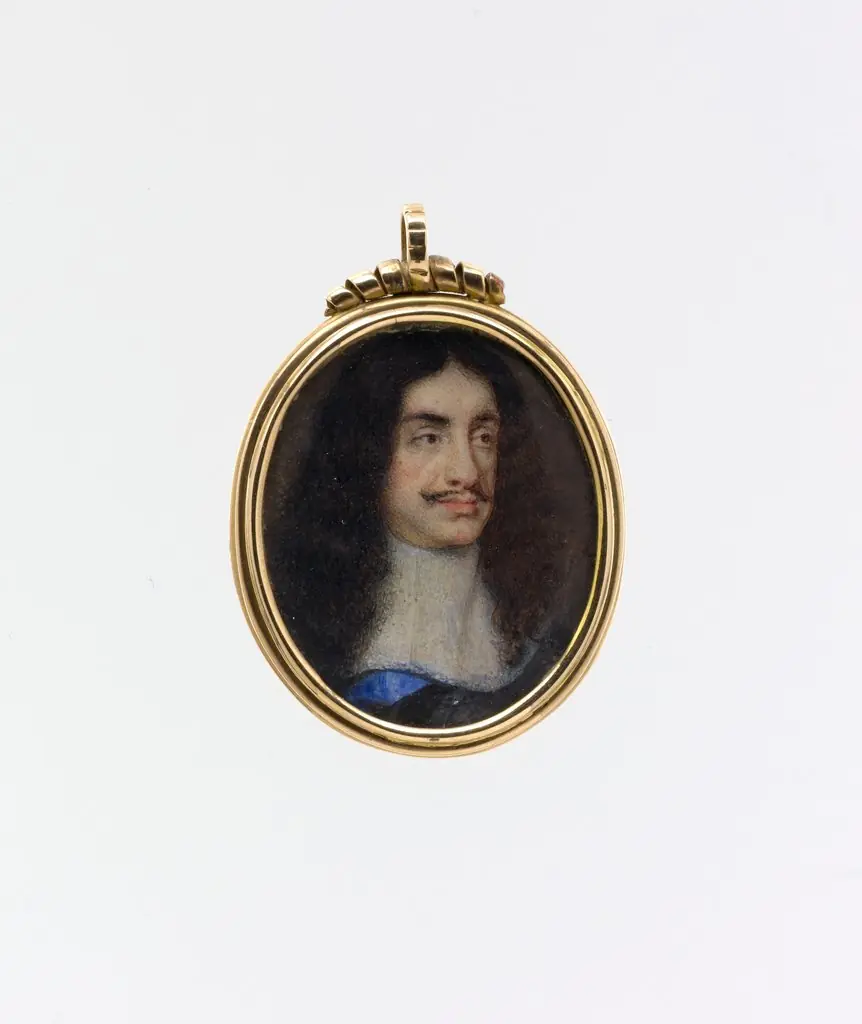 Charles II (1630–1685), King of England
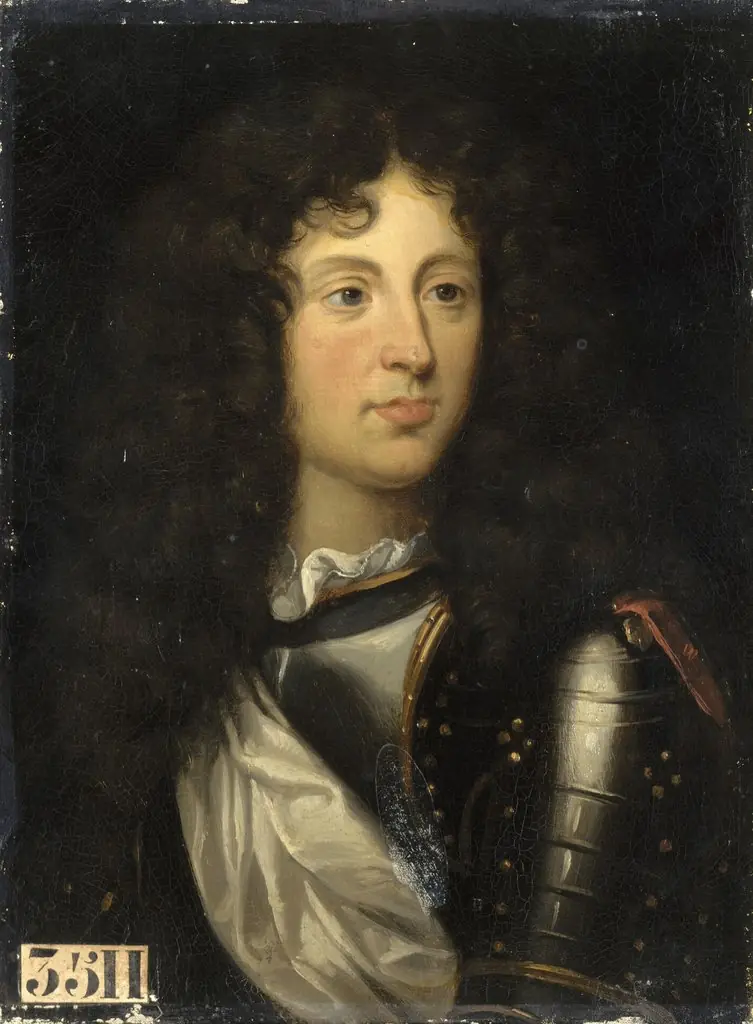 Louis de Lorraine, Count of Armagnac (1641-1718)
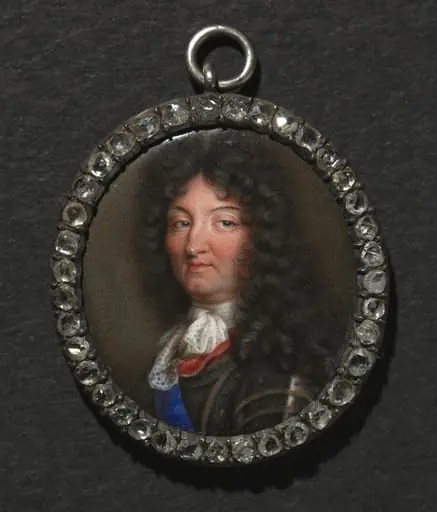 Portrait of King Louis XIV
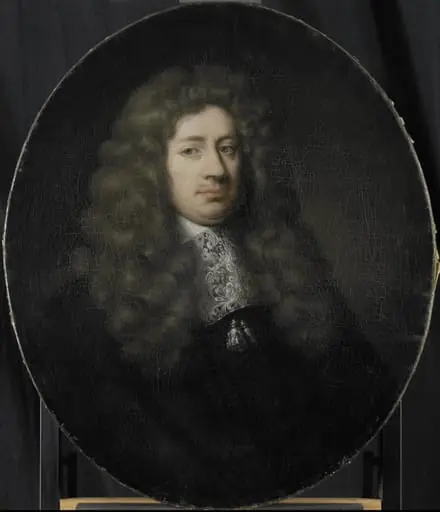 Portrait of Dominicus Rosmale, Director of the Rotterdam Chamber of the Dutch East India Company, elected 1677
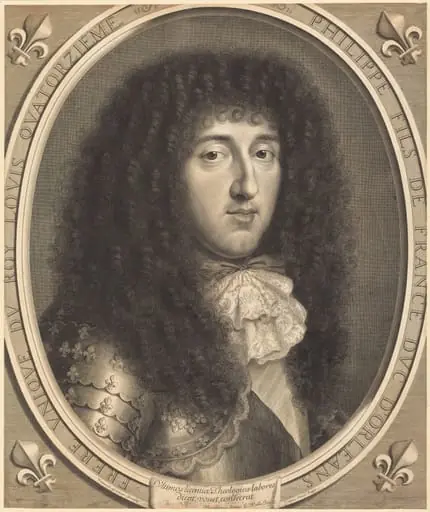 Philippe, Duc d'Orléans
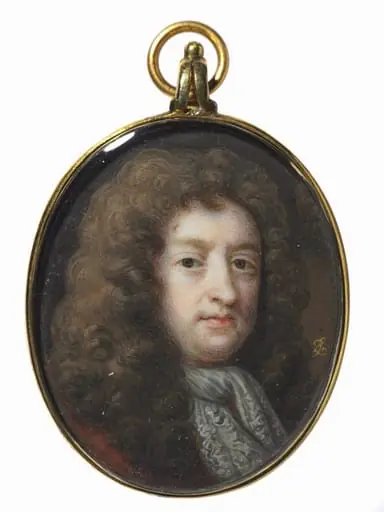 Portrait of Samuel Butler
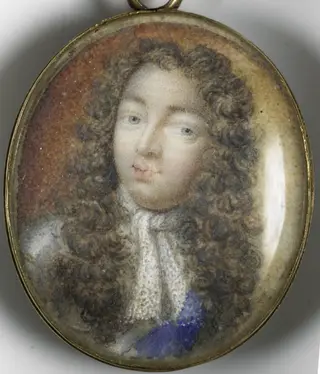 Portret van een man en een vrouw (keerzijde) vermoedelijk Willem Frederik Markgraaf van Brandenburg-Anspach (1686-1723) en zijn vrouw Christiane Charlotte van Württemberg (1694-1723)
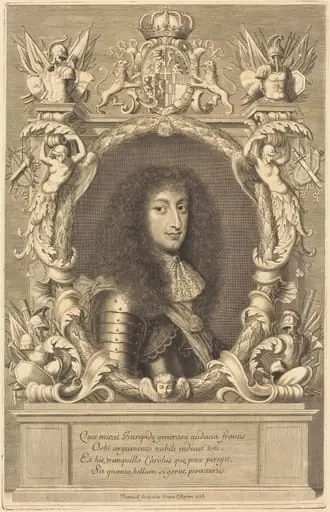 Charles-Emmanuel, Duc de Savoie
- Portret van een man