Artwork
김홍도 필 추성부도
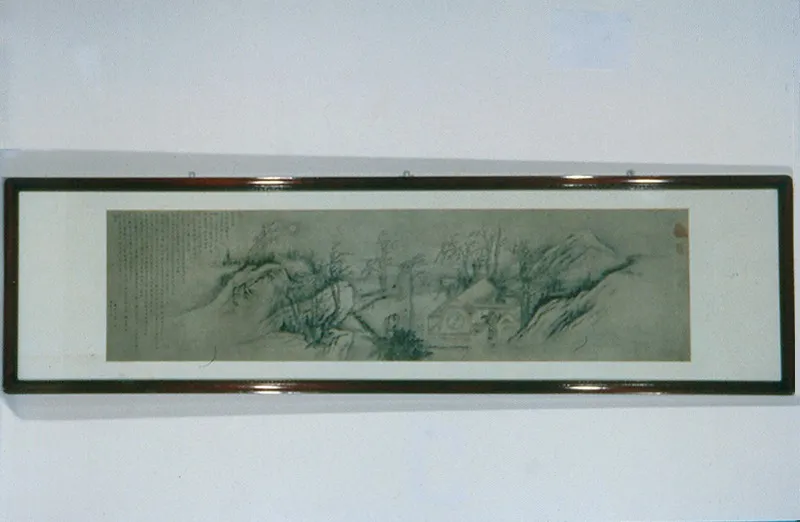
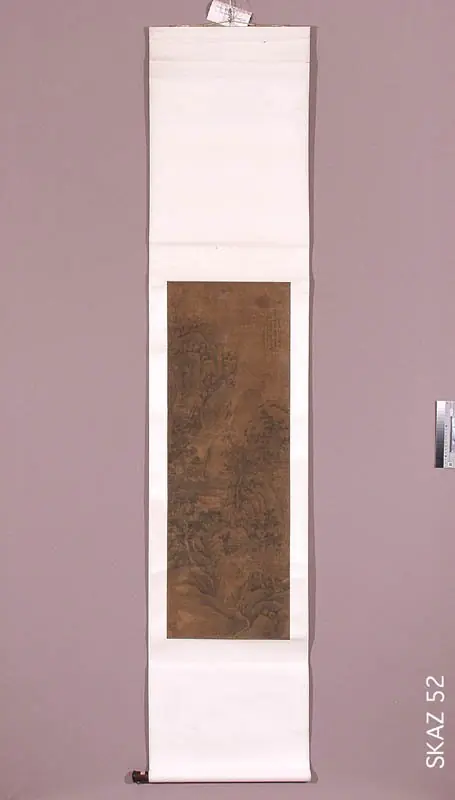
김홍도 필 추성부도 is an unspecified painting by Unknown. It dates from 1850 and is held in the collection of the National Museum of Korea. This vertical scroll painting, attributed to Kim Hong-do, presents a quiet landscape of rolling mountains and dense foliage.
About this work
Overview
The composition is elongated, typical of traditional Korean hanging scrolls, and rendered with fine, precise brushwork that emphasizes texture over color.
This vertical scroll painting, attributed to Kim Hong-do, presents a quiet landscape of rolling mountains and dense foliage. A modest structure sits nestled among the trees, suggesting a hermitage or retreat. The composition is elongated, typical of traditional Korean hanging scrolls, and rendered with fine, precise brushwork that emphasizes texture over color. Calligraphic inscriptions appear along the left margin, though their legibility is limited.
Subject & Meaning
The scene evokes a contemplative solitude, common in East Asian literati traditions. The isolated building, surrounded by nature, implies a retreat from worldly affairs, possibly reflecting Confucian or Daoist ideals of withdrawal and harmony with the environment. No figures are present, reinforcing the theme of quiet introspection rather than human activity.
Technique & Style
Brushstrokes are meticulous and controlled, with layered ink washes defining mountain contours and delicate lines suggesting individual leaves and branches. The palette is monochromatic, relying on tonal variation rather than color. The composition follows the vertical format favored in Korean and Chinese scroll painting, guiding the viewer’s eye upward through the landscape.
History & Provenance
The work is held in the collection of the National Museum of Korea, though its exact origin and early ownership remain undocumented. Attribution to Kim Hong-do is based on stylistic parallels with his known works, particularly in the precision of natural elements and compositional balance. It likely dates to the late 18th century, during the height of his career.
Context
Created during the Joseon dynasty, this piece reflects the influence of Chinese literati painting traditions adapted to Korean sensibilities. While court painters often depicted grand scenes, artists like Kim Hong-do also explored intimate, personal landscapes. Such works were valued by scholar-officials for their restraint and spiritual resonance.
Legacy
Though not among Kim Hong-do’s most widely recognized pieces, this painting exemplifies his ability to convey depth and mood through minimal means. It contributes to the broader understanding of Joseon-era landscape painting as a vehicle for philosophical reflection, rather than mere topographical representation.
Artist & collection

 Domestic Scene
 Giacomo and Cardinal Marco, investing Andrea, Abbot of San Zeno, with his Benefice
 The Nymph of Fontainebleau
 Portrait of a Woman
 Madonna and Child with Saints in the Enclosed Garden
 Venus and Minerva
 Family Group of Four on Sofa
 Wall painting from Room H of the Villa of P. Fannius Synistor at Boscoreale
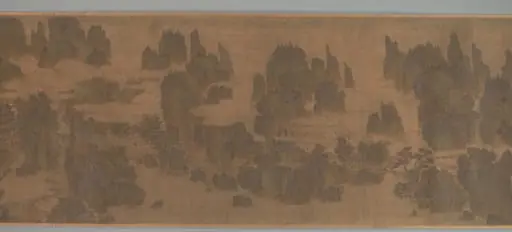 南宋 佚名 別苑春山圖 卷|Retreats in the Spring Hills
 Plum Viewing at Tsukigase
 Landscape
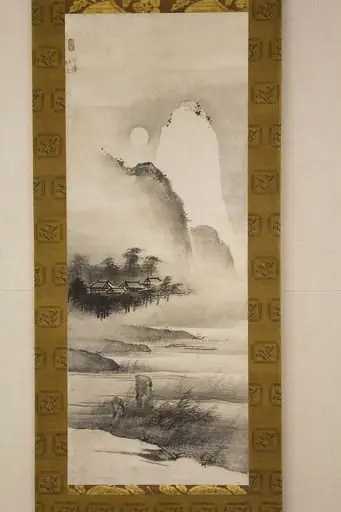 Untitled
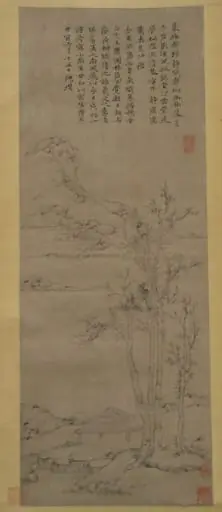 明/清 佚名 倣倪瓚 樂圃林居圖 軸|Landscape after Ni Zan (1306–1374)
 Pejzaż w stylu generała Li
 Rybak ze służącym na tle skał i kwitnącego starego drzewa
 Przeprawa przez górski potok - pejzaż w stylu niebiesko-zielonym
 明 佚名 朱德潤 怡樂堂圖 卷|Hall of Harmony and Joy
 Seven Jeweled Mountain
 Bird in Snow
 Untitled