Artwork
Ragini Patamanjari
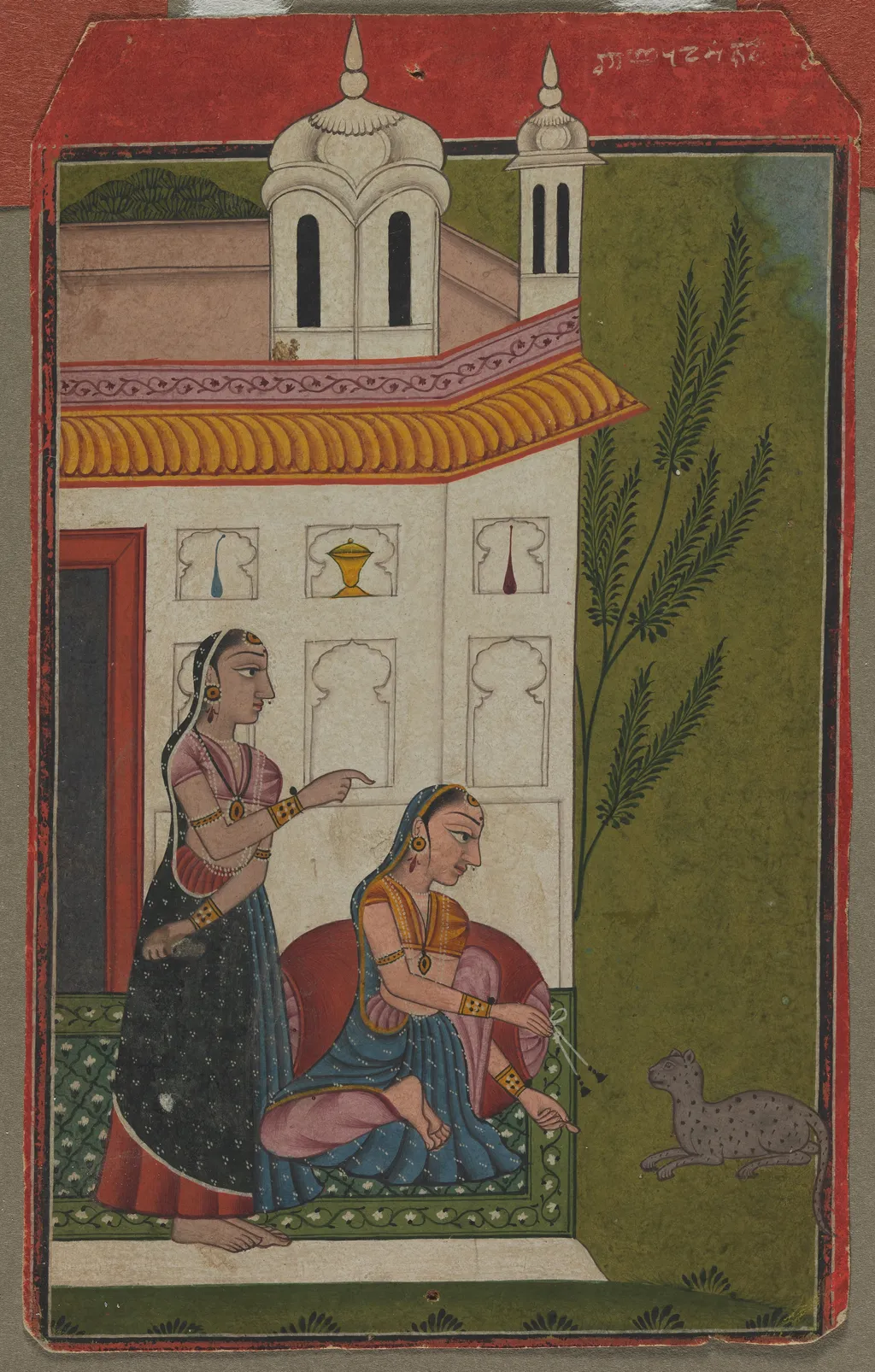
Ragini Patamanjari is an unspecified painting. It dates from 1745 and is held in the collection of the Cleveland Museum of Art.
About this work
Subject & Meaning
This synthesis draws on the artwork’s classification as a painting from 1745 and its presence in the Cleveland Museum of Art collection.
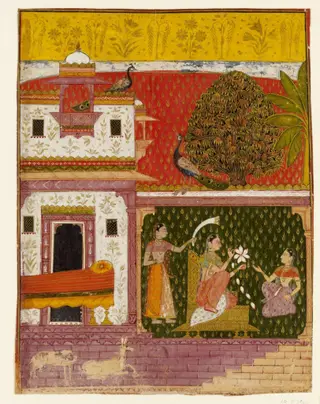
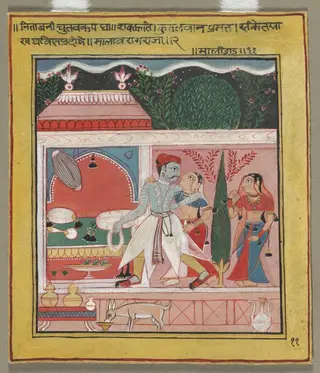
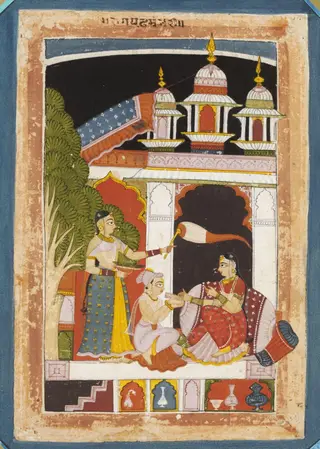
Ragini Patamanjari depicts a woman engaged in a devotional dance, her figure adorned with symbolic ornaments that signify both earthly grace and spiritual devotion. The composition emphasizes rhythmic movement through flowing drapery and a poised stance, reflecting the cultural practice of offering performance as an act of worship. The work’s meaning is tied to its role within a devotional context, where the dancer’s gestures convey narrative elements of divine love and auspicious celebration.
This synthesis draws on the artwork’s classification as a painting from 1745 and its presence in the Cleveland Museum of Art collection.
History & Provenance
The painting was created in 1745 as a work of the Ragini Patamanjari series. It entered the collection of the Cleveland Museum of Art at an unspecified date, where it remains on view. The work is attributed to an unknown artist and is classified as a painting.
Ragini Patamanjari is held by the Cleveland Museum of Art. Its inventory number within the museum's collection is 1990.39. The painting entered the collection in 1990, as indicated by that accession number. No exhibition history is documented in the available sources.
Overview
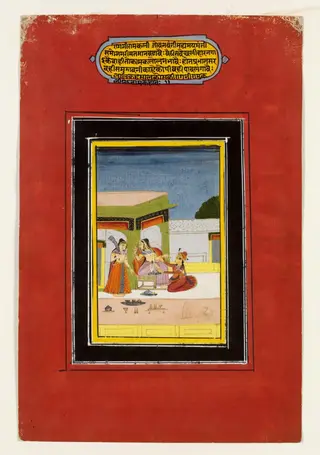
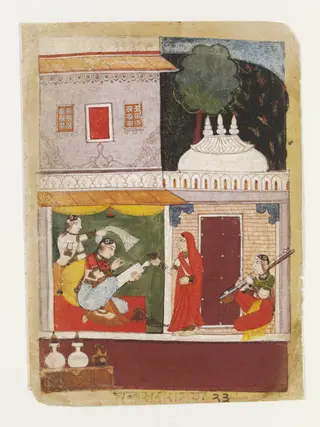
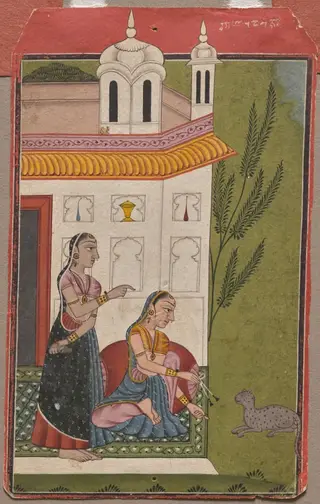
Ragini Patamanjari is a painted composition that presents a domestic interior populated by two female figures and a leopard. The setting is rendered with vivid hues, particularly blues, reds and golds, and includes architectural elements such as arched windows and domed towers set against a green wall. The work’s decorative richness and narrative pose suggest a scene drawn from a literary or mythological source.
Technique & Style
Executed in a highly detailed manner, the painting employs bold, saturated colors and intricate patterning on both clothing and architectural surfaces. Fine brushwork captures the texture of fabrics, jewelry and the leopard’s fur, while the composition balances flat decorative planes with a sense of depth created by the receding arches and towers.
Context
The visual vocabulary, luxurious dress, gold ornaments, and a predatory cat, aligns with artistic traditions that blend courtly elegance with narrative illustration, common in South Asian manuscript painting and later in colonial-era works that catered to a market for exotic storytelling.
Artist & collection