Artwork
Roundel with the Hanging of Haman
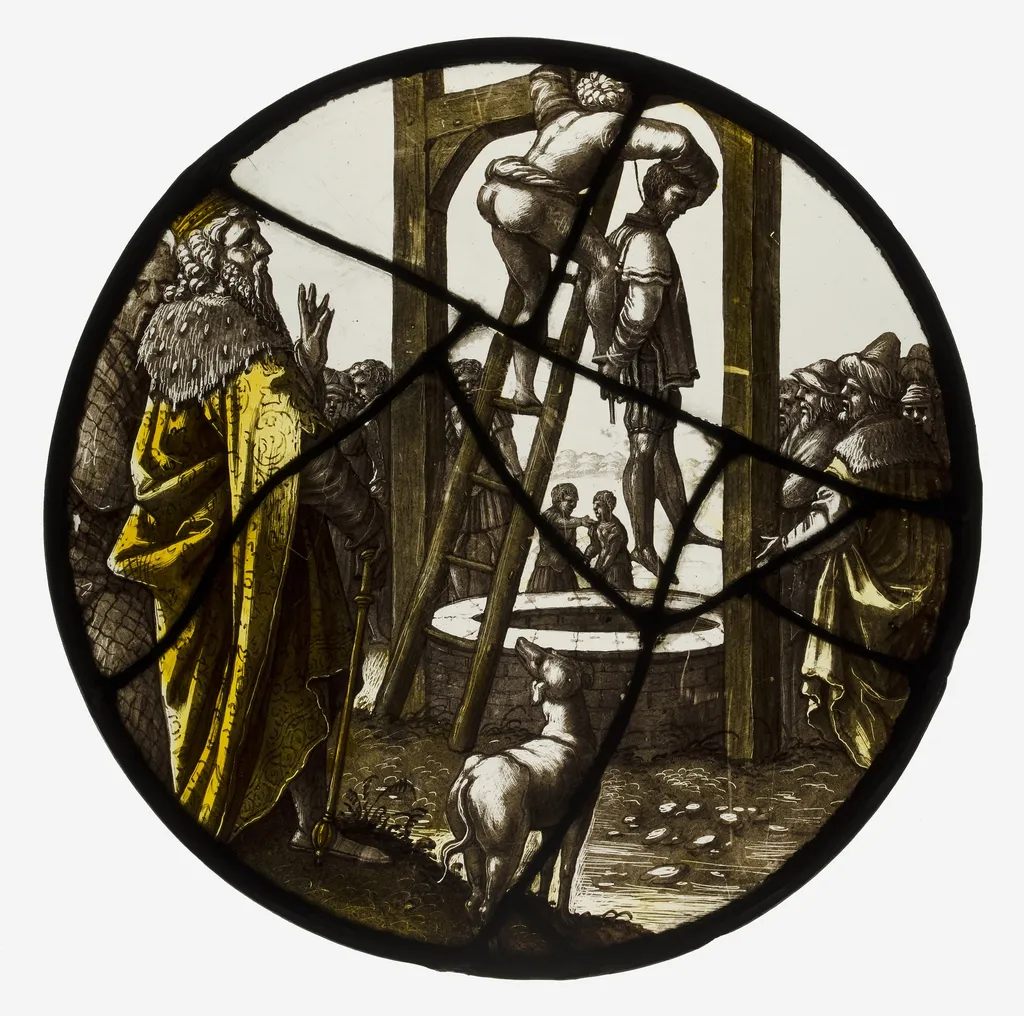
Roundel with the Hanging of Haman is an unspecified painting. It dates from 1530 and is held in the collection of the Metropolitan Museum of Art.
About this work
Technique & Style
The panel retains its original surface with minimal abrasion, and the paint layer remains largely intact, showing no significant flaking or loss.
The work is a painted roundel on wood panel, created using tempera and oil pigments in the early sixteenth century. Executed in the style of Jan Swart van Groningen, the composition depicts a man in a hanging scene with precise linear drawing and flat, vivid color application characteristic of Dutch Renaissance decorative painting. The panel retains its original surface with minimal abrasion, and the paint layer remains largely intact, showing no significant flaking or loss.
The stylistic handling emphasizes strong outlines and a somewhat naive spatial arrangement, reflecting the workshop tradition of the period.
History & Provenance
The roundel titled Hanging of Haman was created in 1530. It is attributed to the style of Jan Swart van Groningen and is part of the Metropolitan Museum of Art's collection. The work entered the museum's holdings as documented in its provenance.
The Roundel with the Hanging of Haman is held in the collection of the Metropolitan Museum of Art. According to the Wikidata record for the work, its location is the Metropolitan Museum of Art, and the painting forms part of that institution's holdings. The sources provided do not specify an inventory or accession number for the roundel, nor do they document any exhibition history.
No further provenance details, such as prior owners, acquisition date, or loans to other institutions, are recorded in the available references.
Legacy
The roundel depicting the hanging of Haman, dated to 1530, has been studied for its role in shaping narrative cycles in Northern European art, particularly in the depiction of moral retribution. Its attribution to the style of Jan Swart van Groningen, as recorded in the Metropolitan Museum of Art’s collection, has informed scholarly discussions of workshop practices in the early 16th century. The work’s presence in a major institutional collection has contributed to its visibility in exhibitions and academic discourse on biblical storytelling in Renaissance painting.
Overview
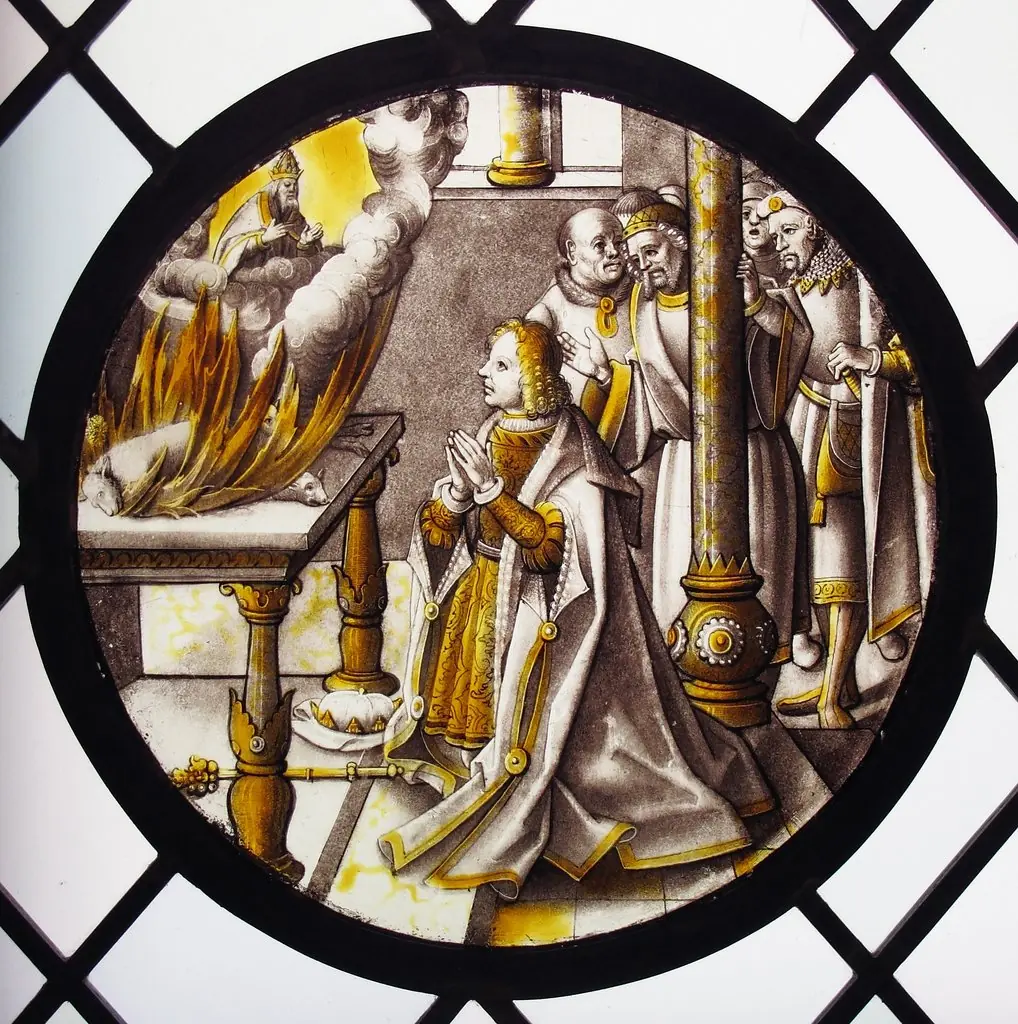
The work is a circular painted panel, commonly called a roundel, depicting the execution of Haman as narrated in the biblical Book of Esther. The composition is divided into two zones: on the left an elder figure in a long robe and a golden headdress gestures authoritatively, while on the right a group of men hoist a body on a gallows, observed by onlookers below. The palette is dominated by deep browns and gold, punctuated with touches of white and yellow.
Subject & Meaning
The scene illustrates the moment of Haman’s punishment, a pivotal episode in the Esther narrative that symbolizes the triumph of justice over treachery. The commanding elder likely represents King Ahasuerus, whose decree leads to Haman’s downfall. The juxtaposition of the ruler’s gesture with the public execution underscores themes of divine retribution and the restoration of order within the community.
Context
During the Renaissance, biblical episodes such as the hanging of Haman were frequently employed to convey moral instruction. The roundel’s format allowed it to be set within architectural frameworks, often above altar screens or as part of a larger decorative scheme. Its iconography aligns with contemporary textual interpretations that emphasized the vindication of the Jewish people and the moral authority of the monarch.
Artist & collection

- Roundel with Adoration of the Magi
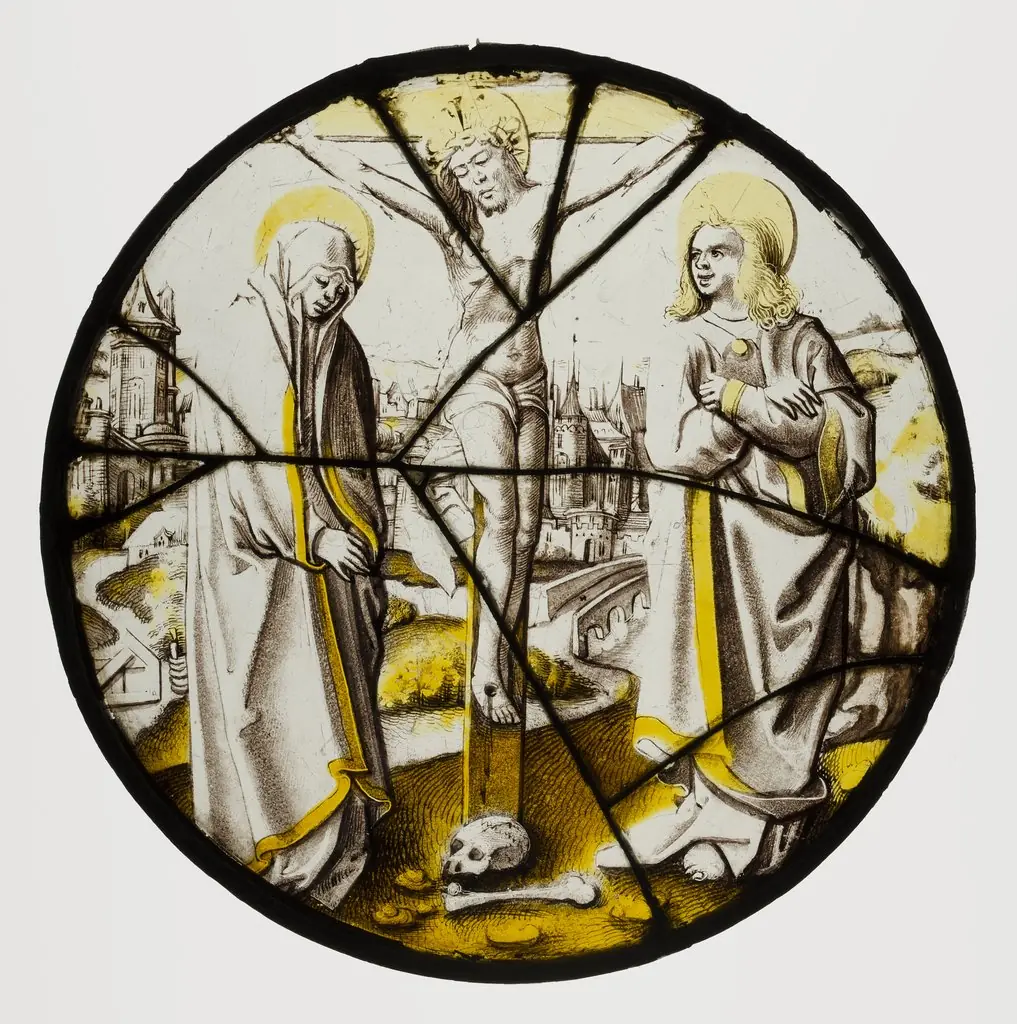
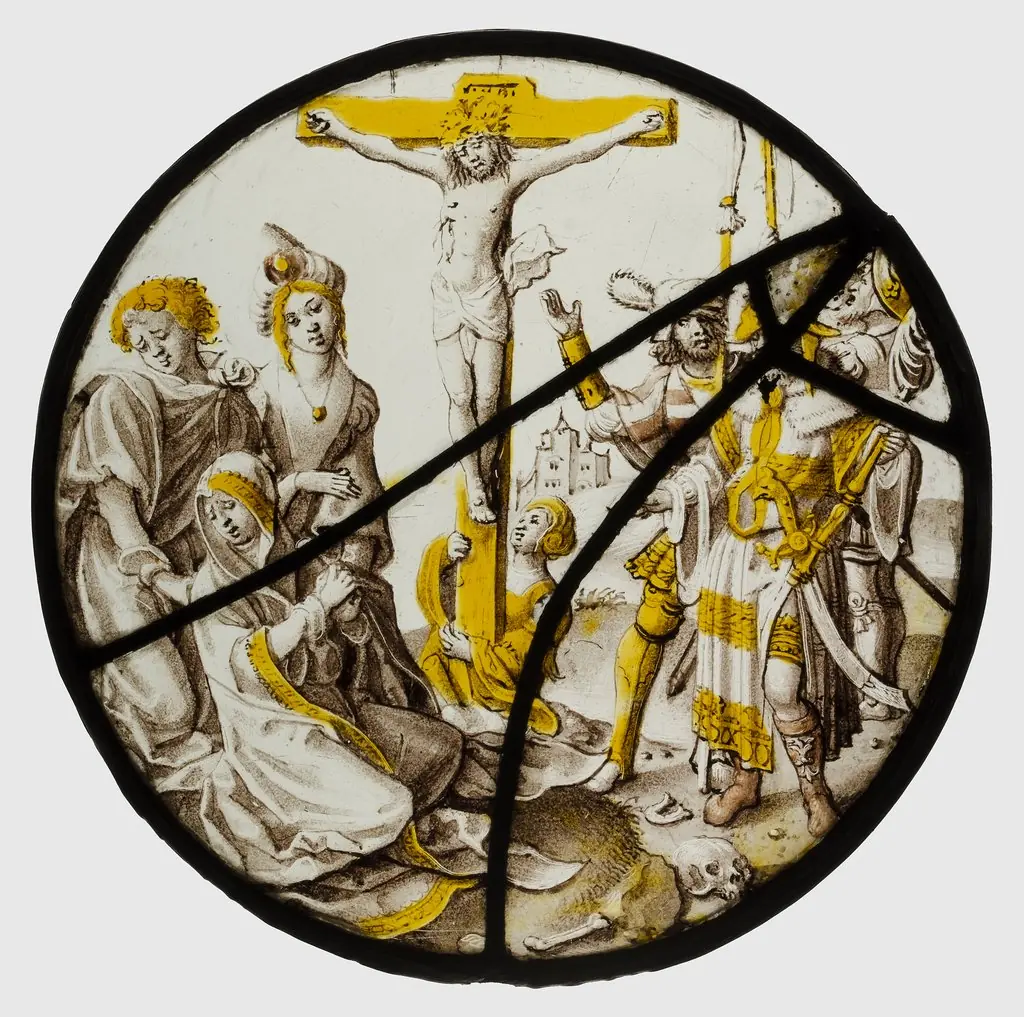 Roundel with the Crucifixion
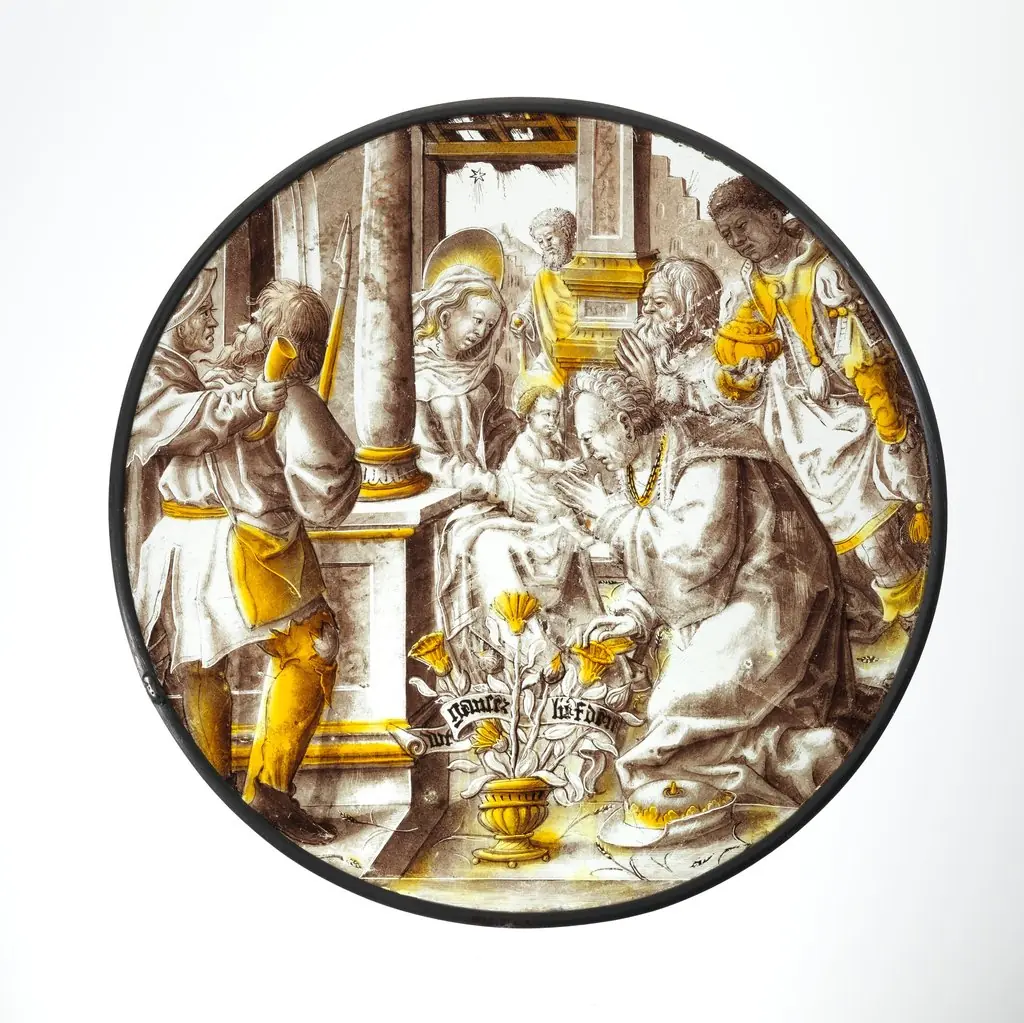 Roundel with Adoration of the Kings
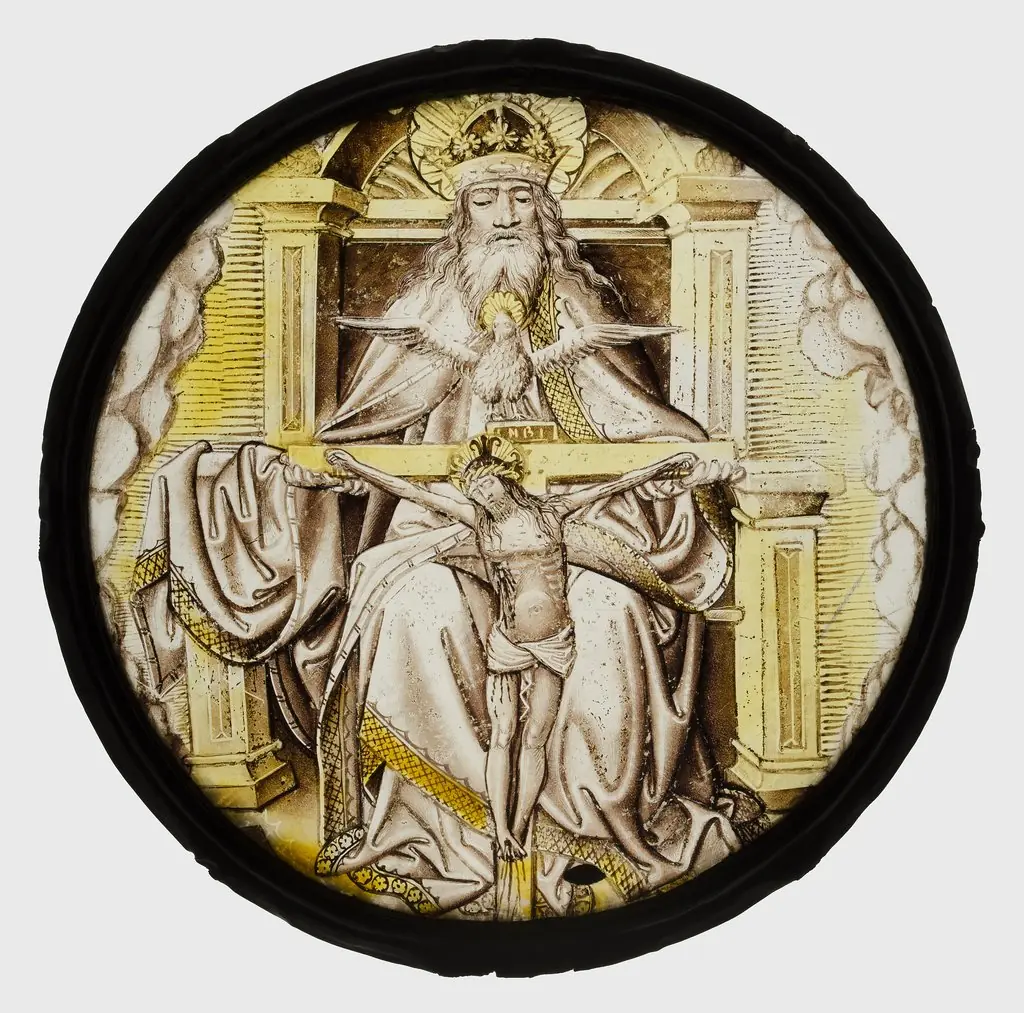 Roundel with the Holy Trinity
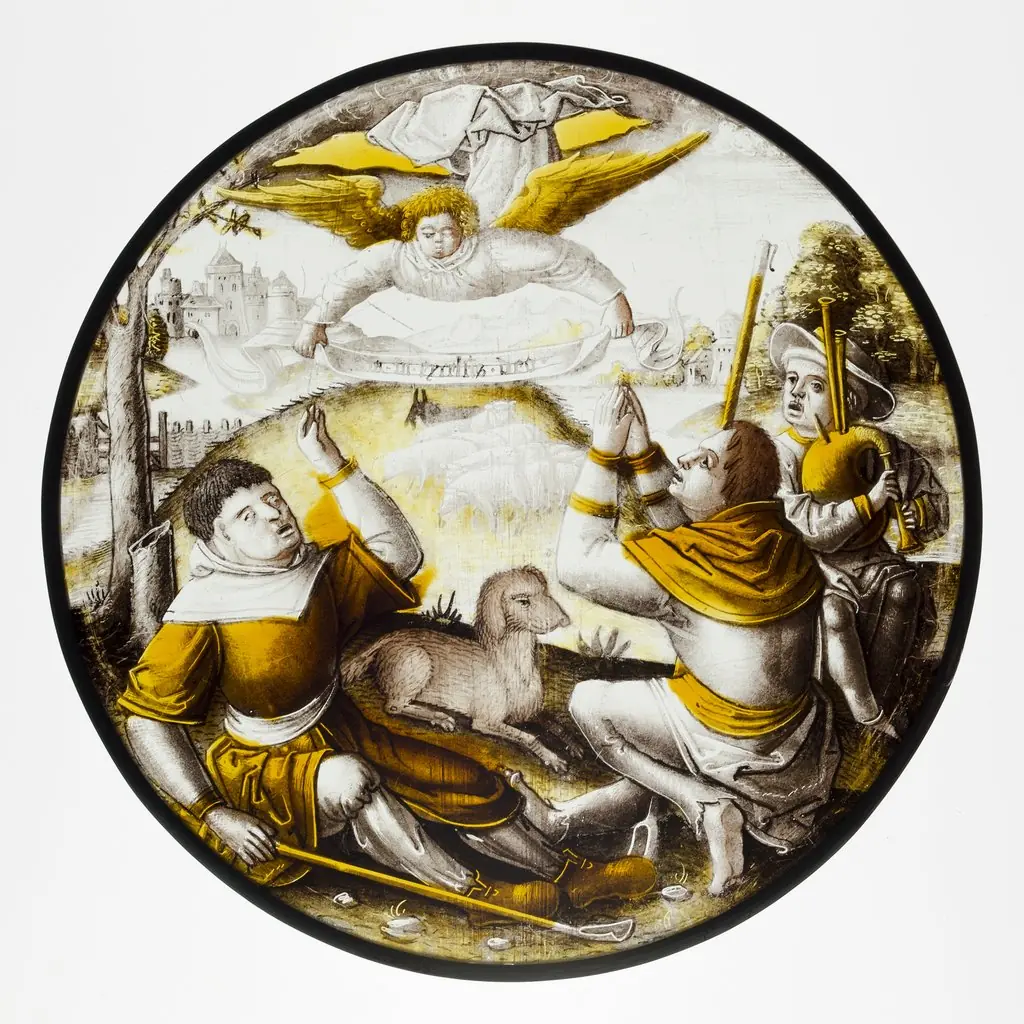 Roundel with Annunciation to the Shepherds
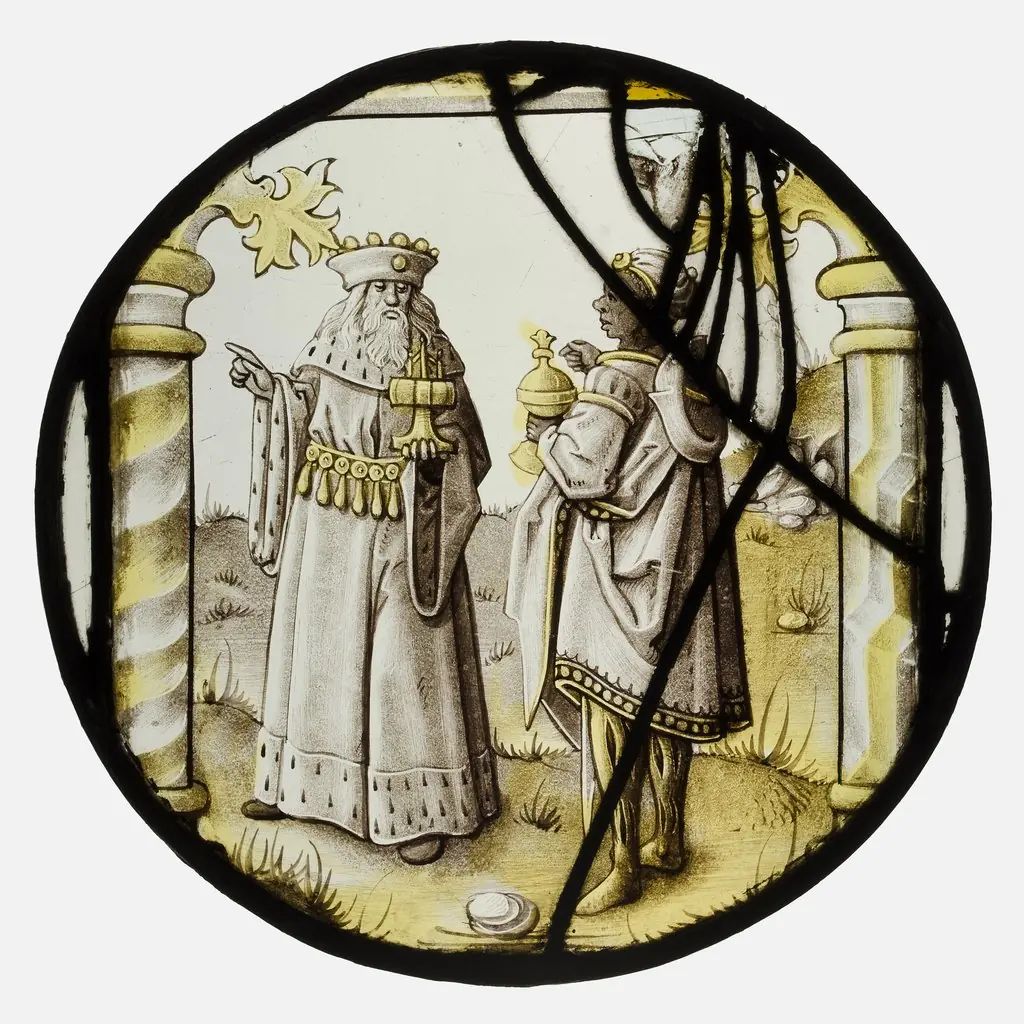 Roundel with two Kings from an Adoration Group
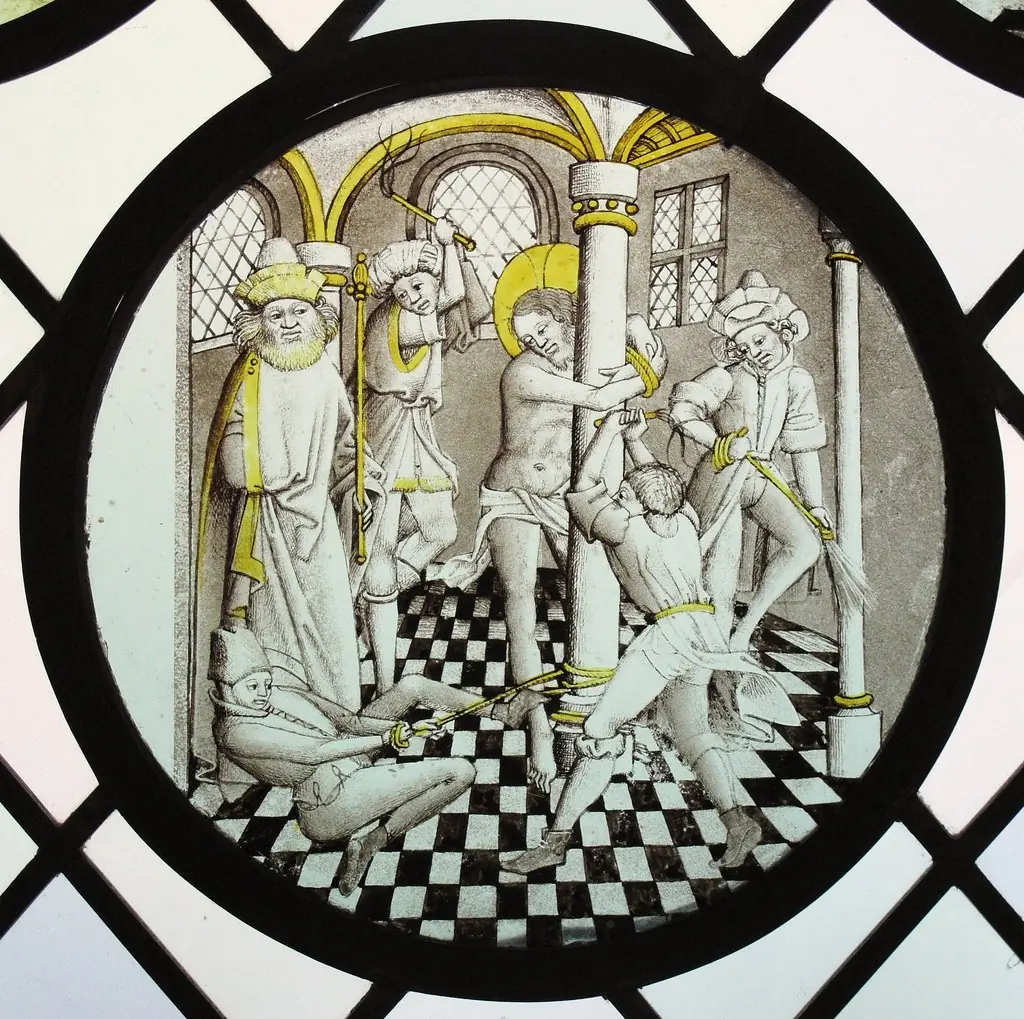 Roundel with the Flagellation
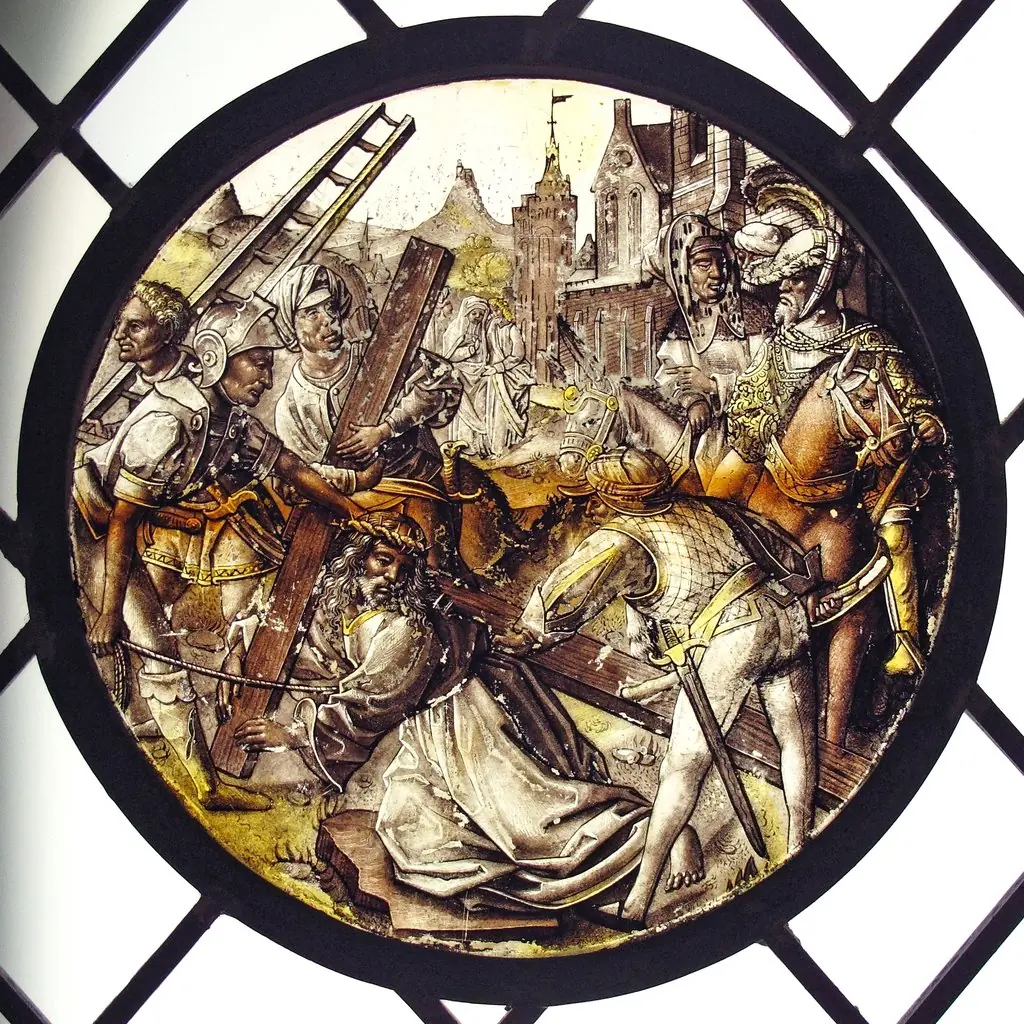 Roundel with Christ Bearing the Cross
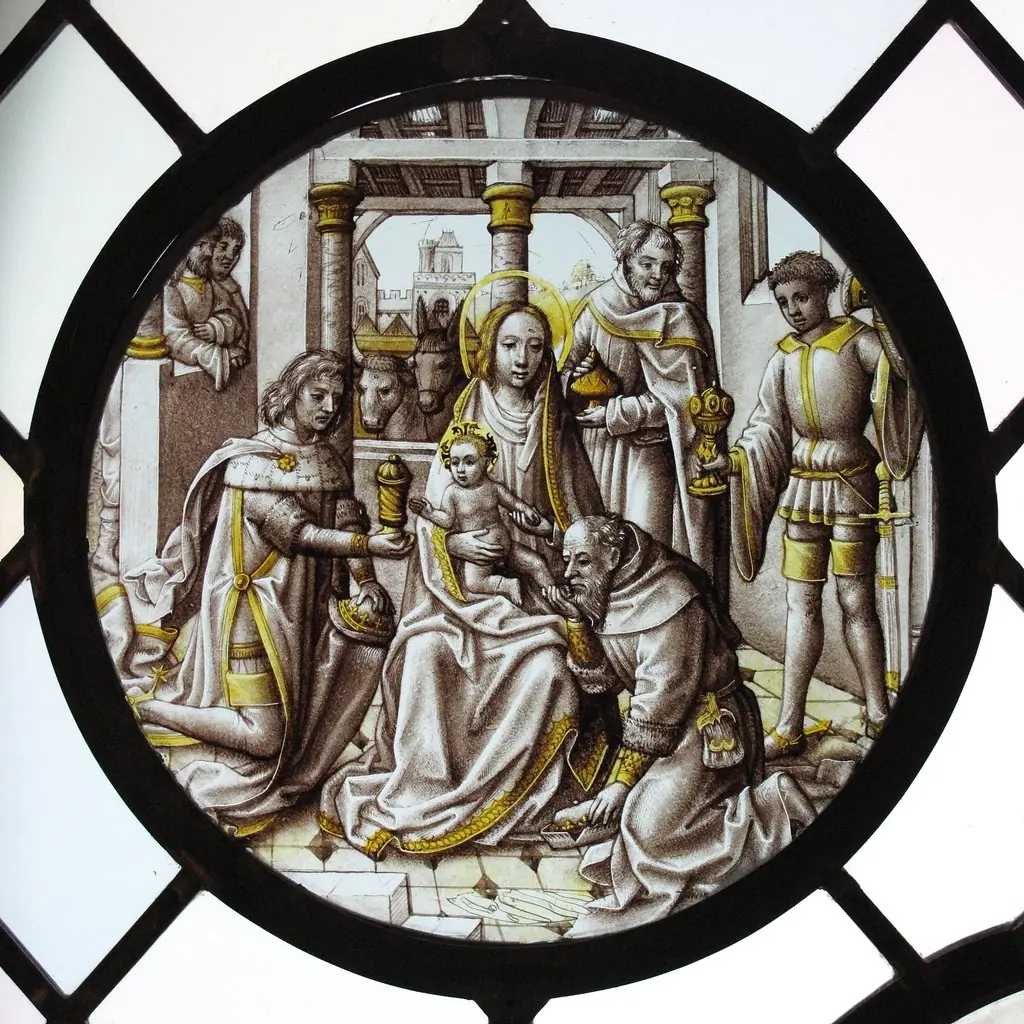 Roundel with the Adoration of the Magi
 Roundel with Sacrifice in the Temple