Artwork
Standing Courtesan
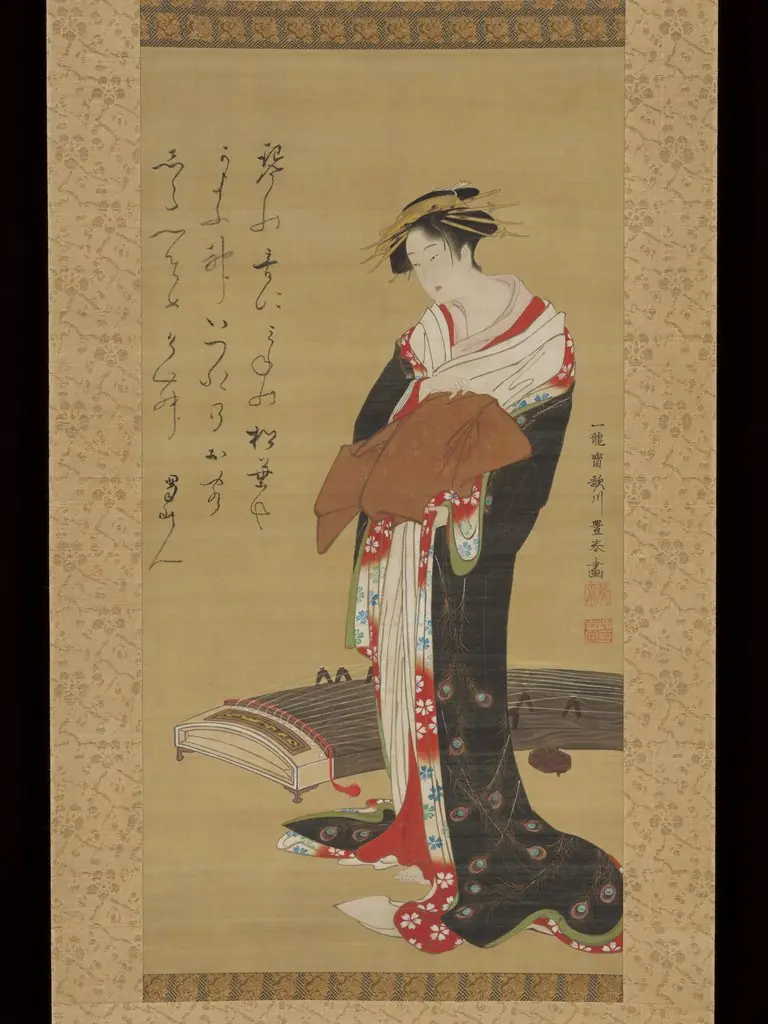
Standing Courtesan is an unspecified painting. It dates from 1720 and is held in the collection of the Metropolitan Museum of Art.
About this work
Subject & Meaning
Courtesans in such artworks often symbolize transient beauty, luxury, and the ephemeral nature of human desires, themes recurrent in ukiyo-e imagery.
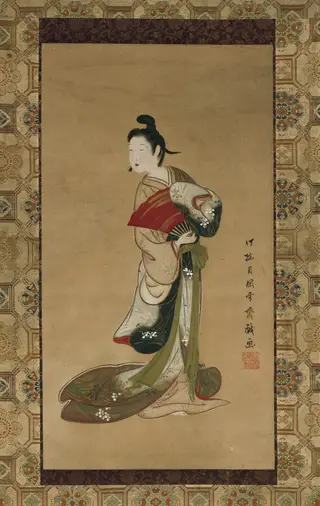
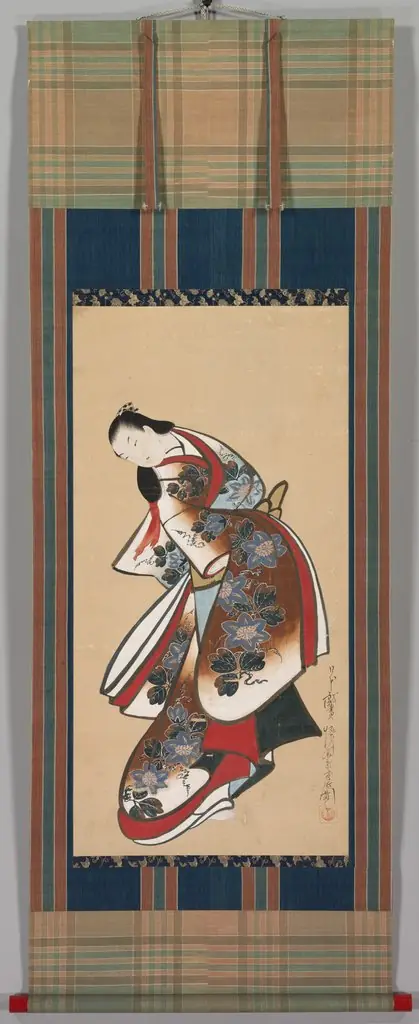
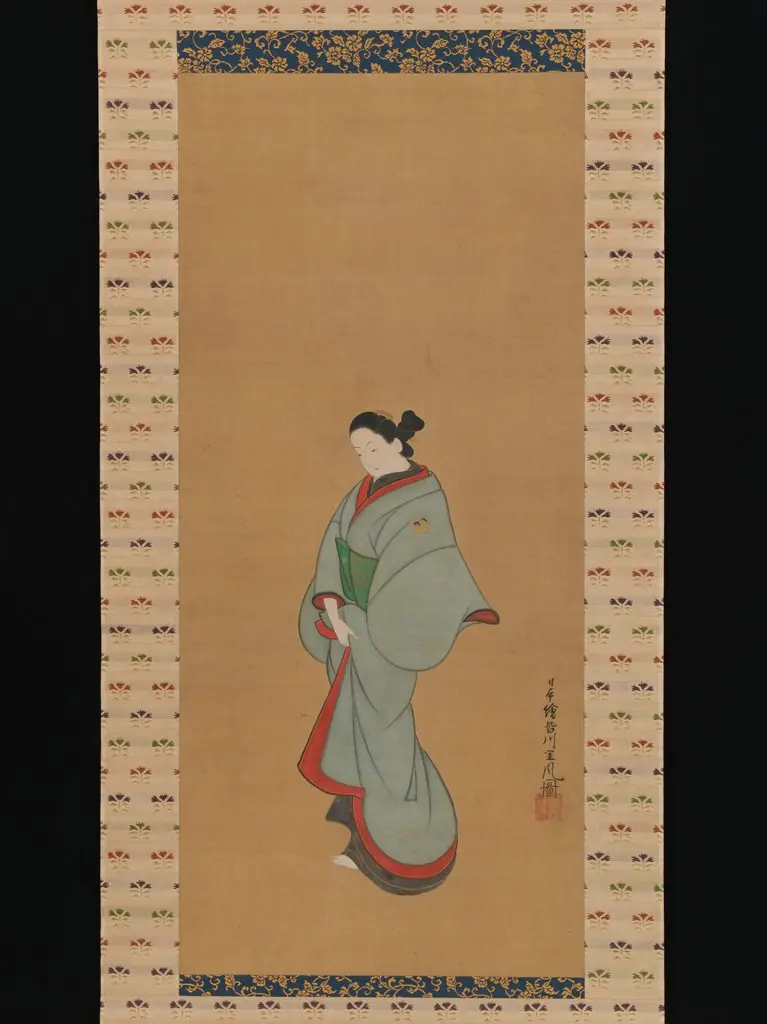
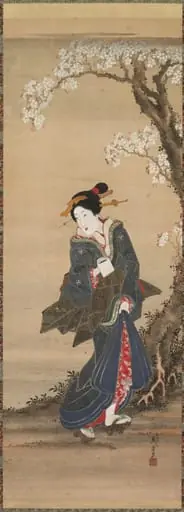
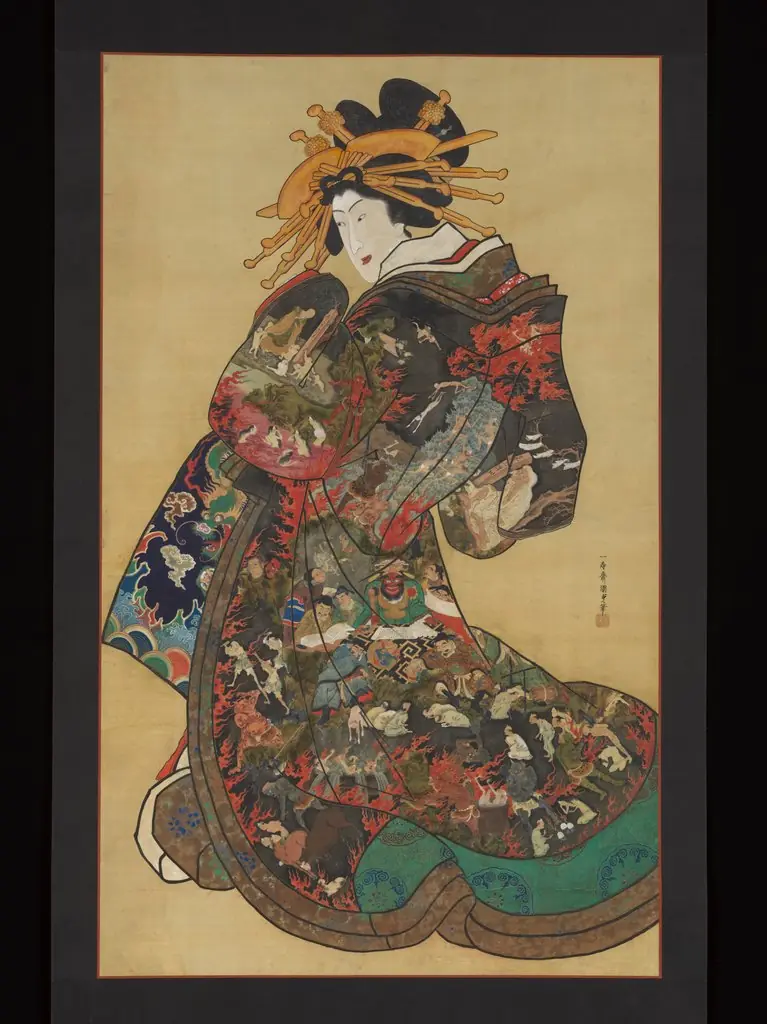
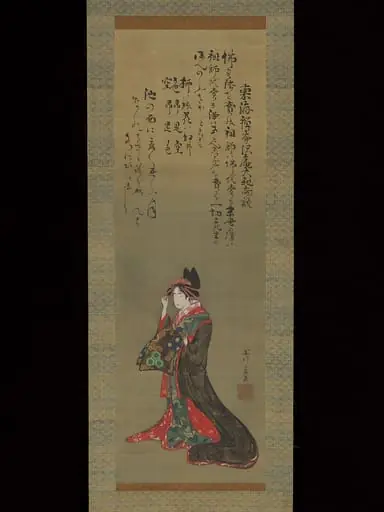
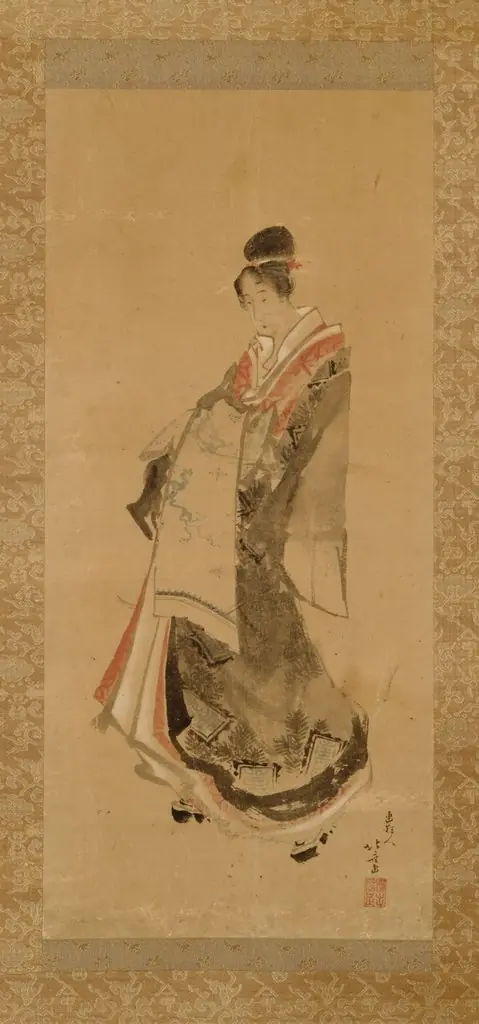
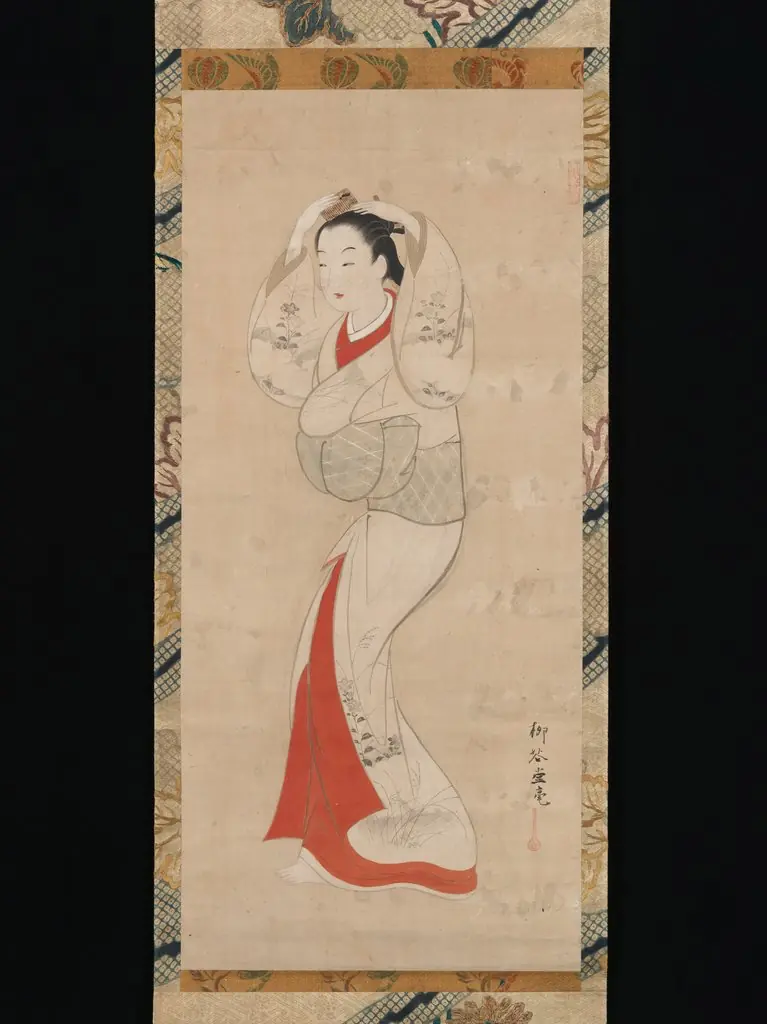
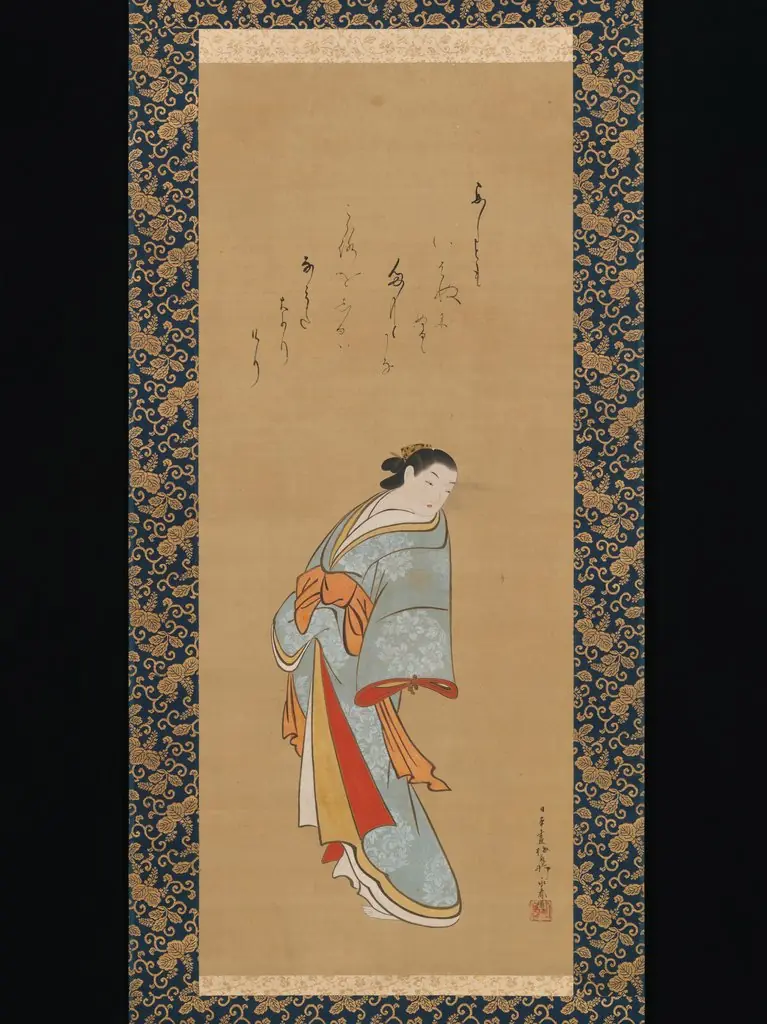
The painting Standing Courtesan depicts a woman identified as a courtesan, a figure central to the pleasure quarters of Edo-period Japan. Rendered in the portrait genre, the work captures her standing posture, likely emphasizing both her elegance and social role within the ukiyo (floating world) culture. Courtesans in such artworks often symbolize transient beauty, luxury, and the ephemeral nature of human desires, themes recurrent in ukiyo-e imagery.
The iconography aligns with conventions of the period, where courtesans were portrayed with elaborate attire and poised demeanor, reflecting their status as both entertainers and objects of fascination. While the painting lacks overt symbolic motifs, its representation of the courtesan underscores the broader cultural preoccupation with fleeting pleasures and the aestheticized world of the pleasure districts.
History & Provenance
The Standing Courtesan is dated to 1720, aligning with the early eighteenth century within the Edo period in Japan. The painting entered the collection of the Metropolitan Museum of Art, where it is currently held.
It was included in the exhibition "Women of the pleasure quarters: Japanese courtesans in the Floating World," held at the Metropolitan Museum of Art from April 29 to August 17, 2003.
Overview
This painting, titled Standing Courtesan, presents a solitary female figure. She is depicted with her head gently inclined and her hands brought together at the front of her body. The woman is adorned in an elaborate, floor-length robe, and her dark hair is arranged in an elevated style. The artwork's overall impression emphasizes a sense of refined composure and grace.
Technique & Style
The artist employs a sophisticated approach to form and presentation. The flowing lines of the courtesan's robe are rendered to imply dynamic movement, contrasting with her static pose. Through careful application of color and considered compositional choices, the painting achieves a notable sense of spatial depth.
This visual strategy effectively guides the viewer's attention toward the central subject, enhancing the overall immersive quality of the depiction.
Artist & collection