Artwork
Standing Virgin and Child
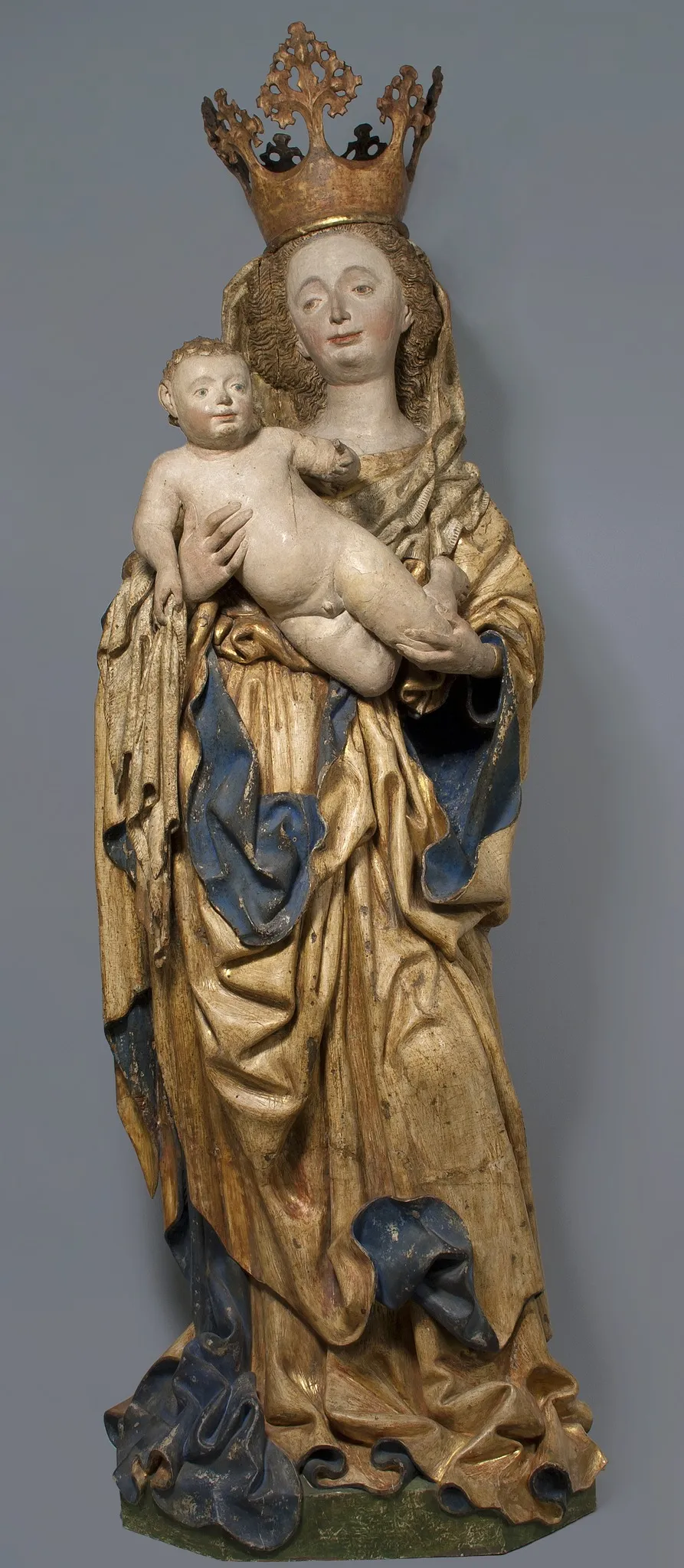
Standing Virgin and Child is an unspecified painting. It dates from 1440 and is held in the collection of the Metropolitan Museum of Art.
About this work
Subject & Meaning
Its iconography aligns with contemporary understandings of Mary as the pure, protective mother of Christ.
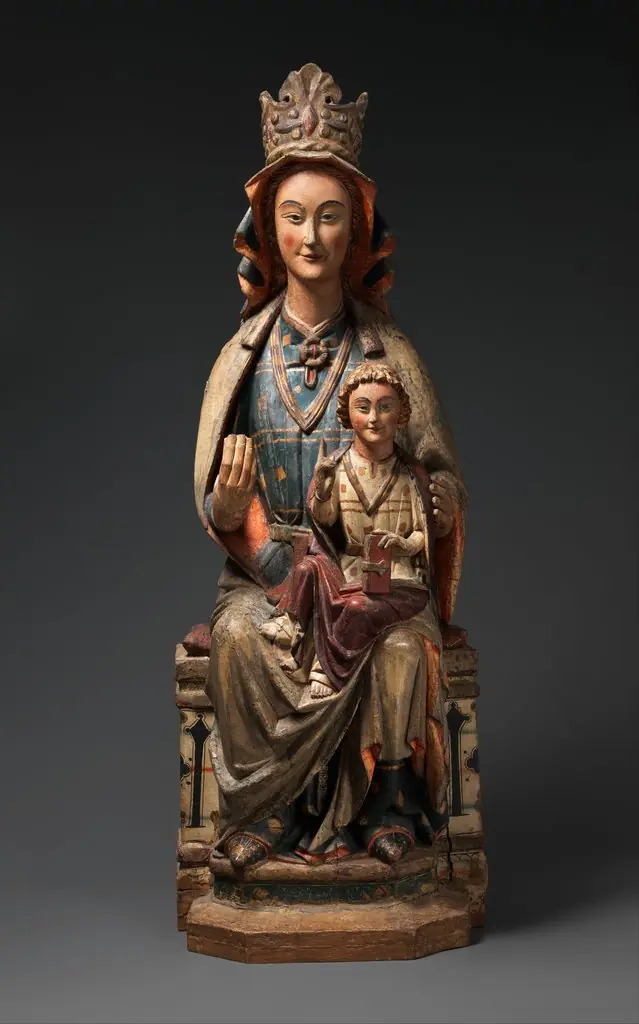
The work depicts the Virgin Mary holding the infant Jesus, the traditional Madonna and Child formula that dominated Western religious art in the fifteenth century. By placing the figures in a standing pose, the composition emphasizes both celestial authority and intimate human connection, reinforcing doctrines of the Incarnation and maternal intercession. As a 1440 painting attributed to the Circle of Jakob Kaschauer and housed in the Metropolitan Museum of Art, the piece reflects the devotional practices of the period, where such images served as focal points for private prayer and communal worship. Its iconography aligns with contemporary understandings of Mary as the pure, protective mother of Christ.
History & Provenance
The work titled Standing Virgin and Child, attributed to the Circle of Jakob Kaschauer, was painted around 1440. It portrays the Madonna and Child in a religious composition and is classified as a painting within the genre of religious art. The painting is part of the collection of the Metropolitan Museum of Art in New York, where it is documented in the museum’s catalogue.
Creation and attribution details are recorded in reference sources that date the work to 1440 and link it to the workshop of Jakob Kaschauer.
Overview
This devotional sculpture, titled Standing Virgin and Child, presents a depiction of the Virgin Mary cradling the infant Jesus. The work emphasizes a tender connection between mother and child, with Mary's serene expression complementing the baby's dynamic pose. Crafted from a solid material like wood or stone, the piece showcases detailed carving that brings the figures to life.
Technique & Style
The sculptor employed a refined approach, evident in the smooth finish of the material, which appears to be either wood or stone. Intricate carving defines the elaborate folds and creases of the Virgin's robe, creating a sense of volume and movement. The delicate features of both figures, from Mary's tranquil face to the detailed anatomy of the infant, demonstrate a skilled hand in rendering human form and expression.
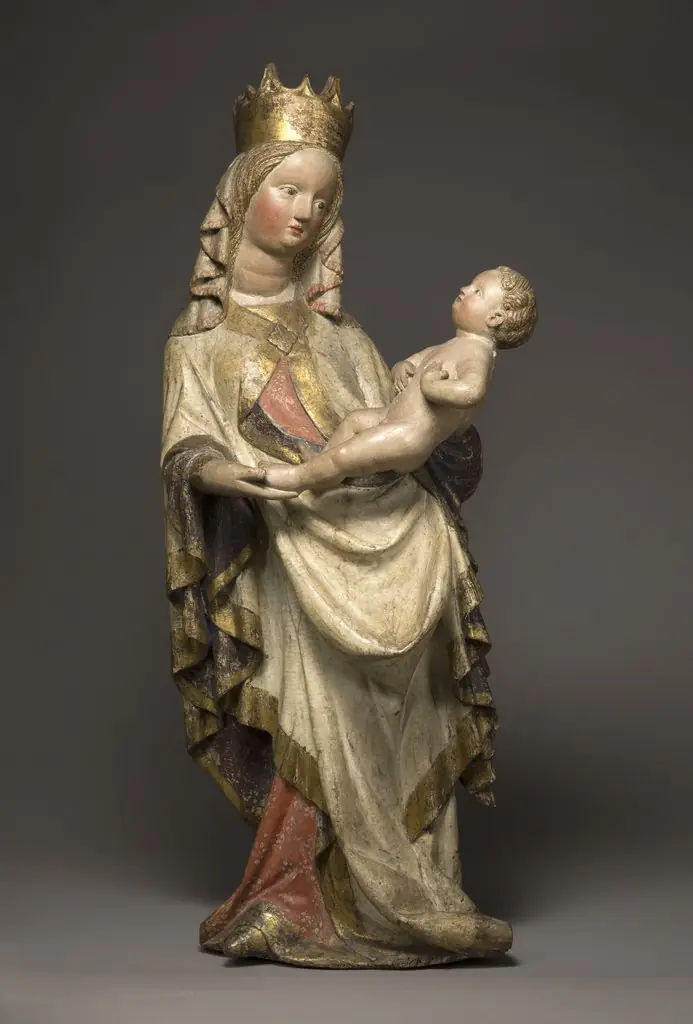
Artist & collection

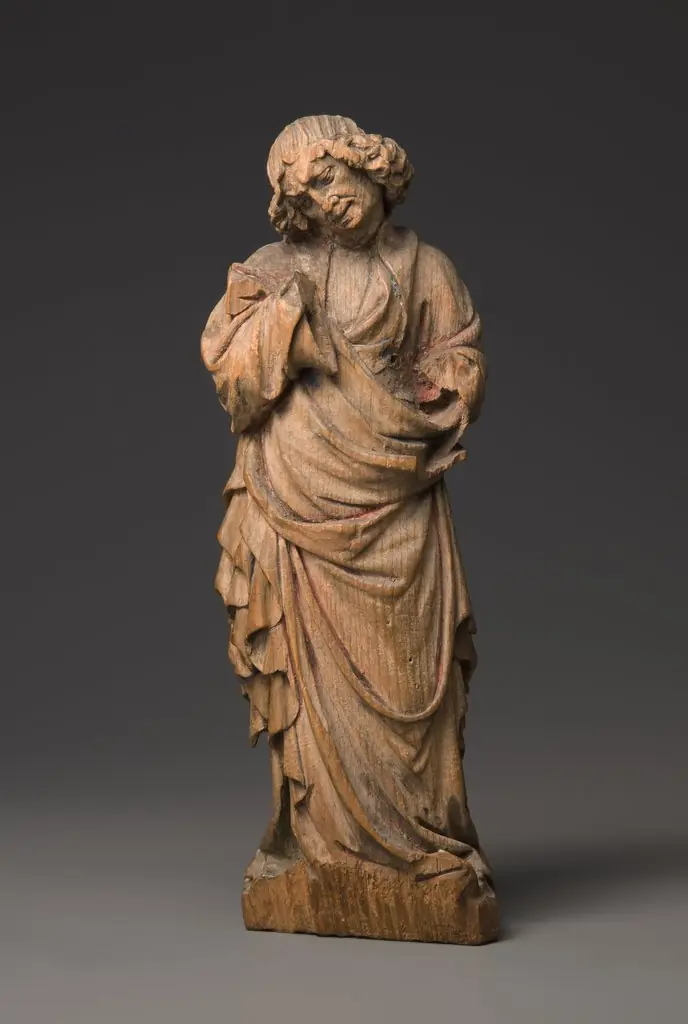 St. John the Evangelist, probably from a Crucifixion Group
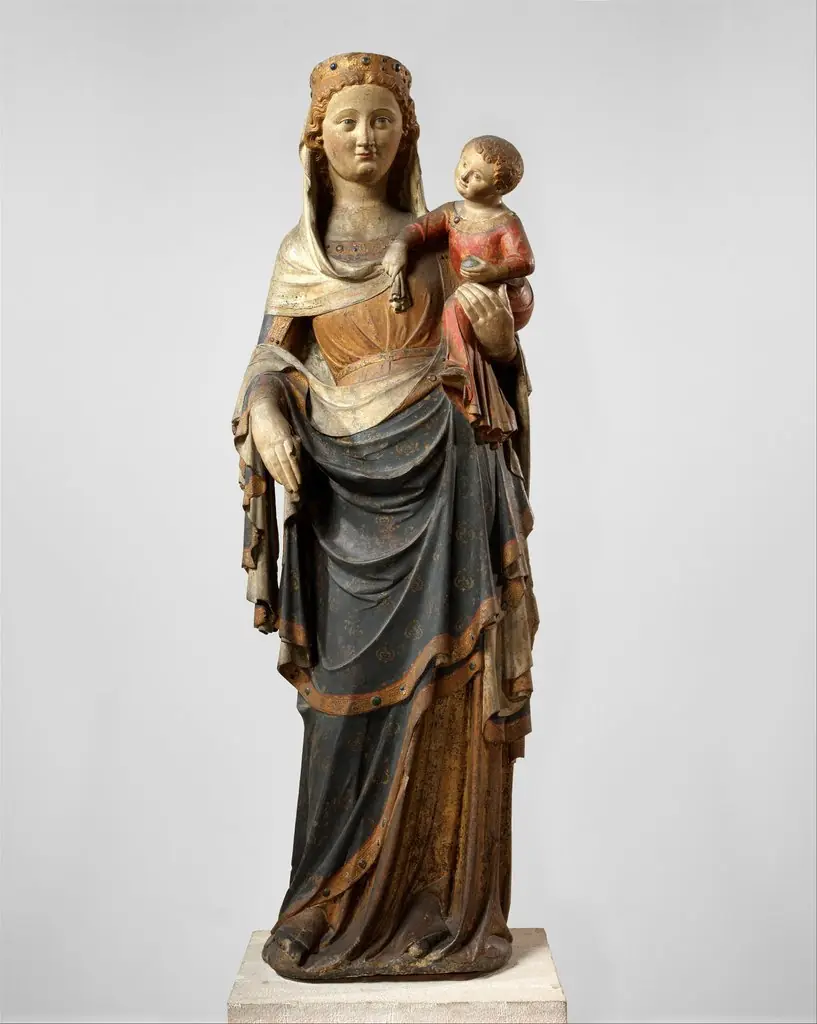 Virgin and Child
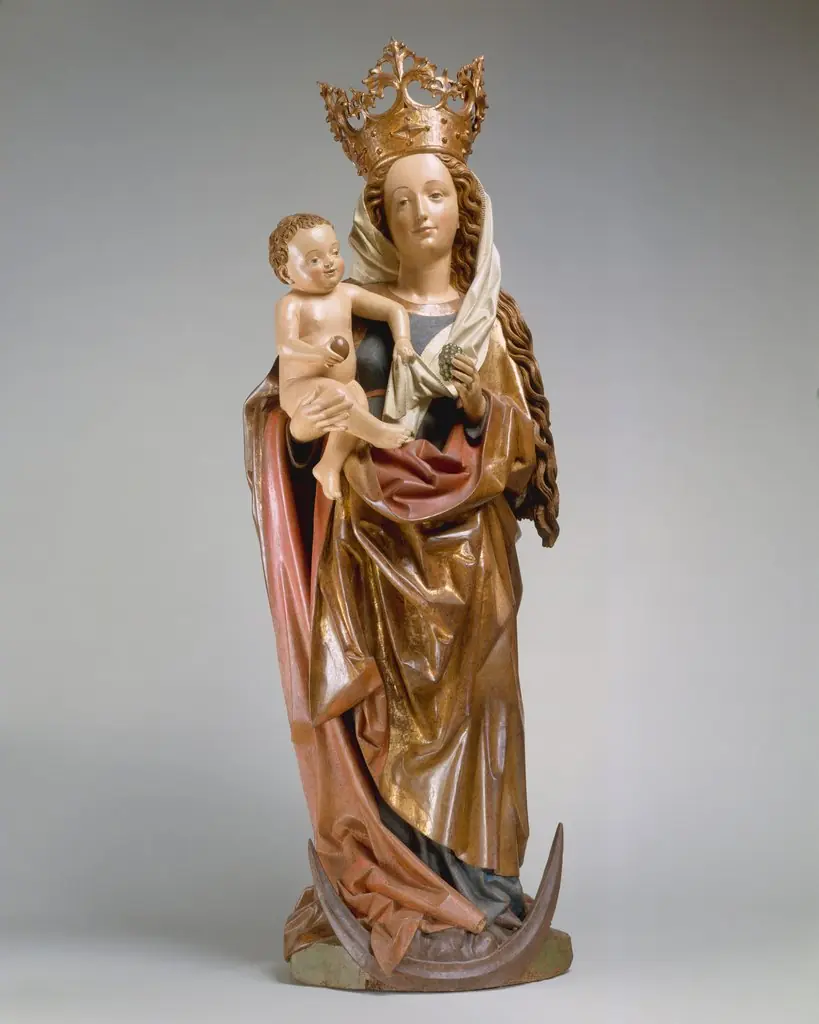 Virgin and Child on a Crescent Moon
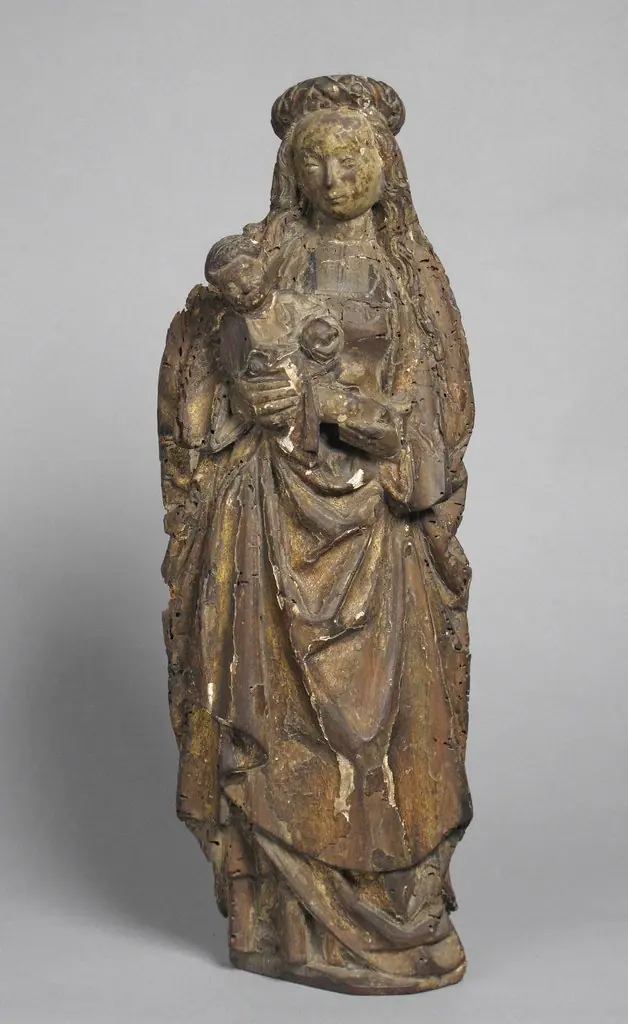 Virgin and Child
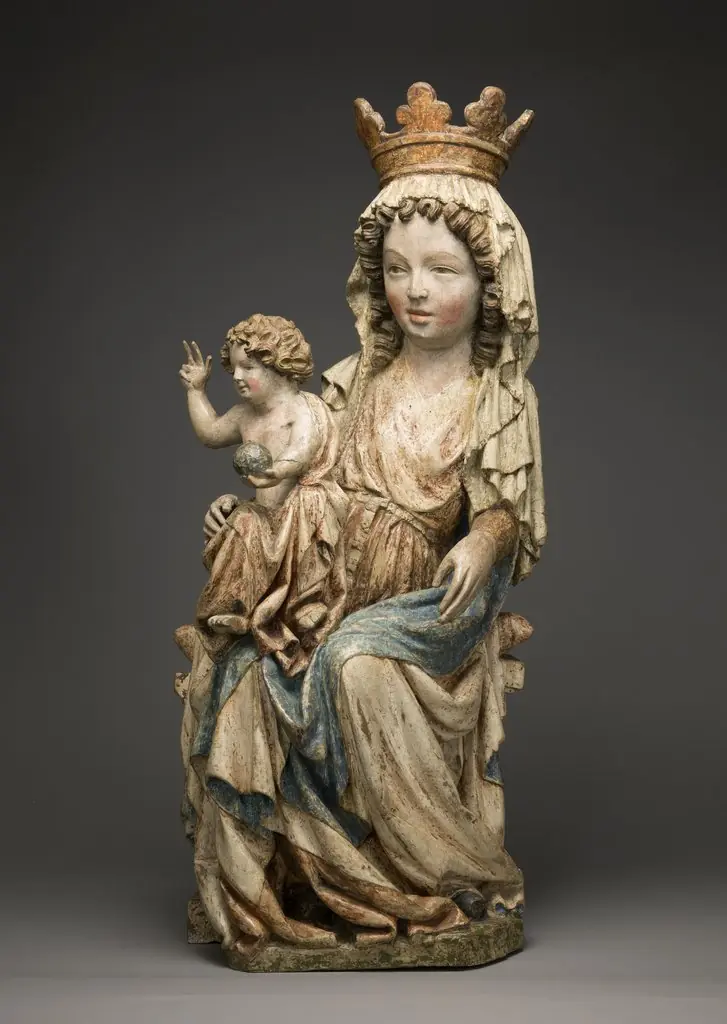 Enthroned Virgin and Child
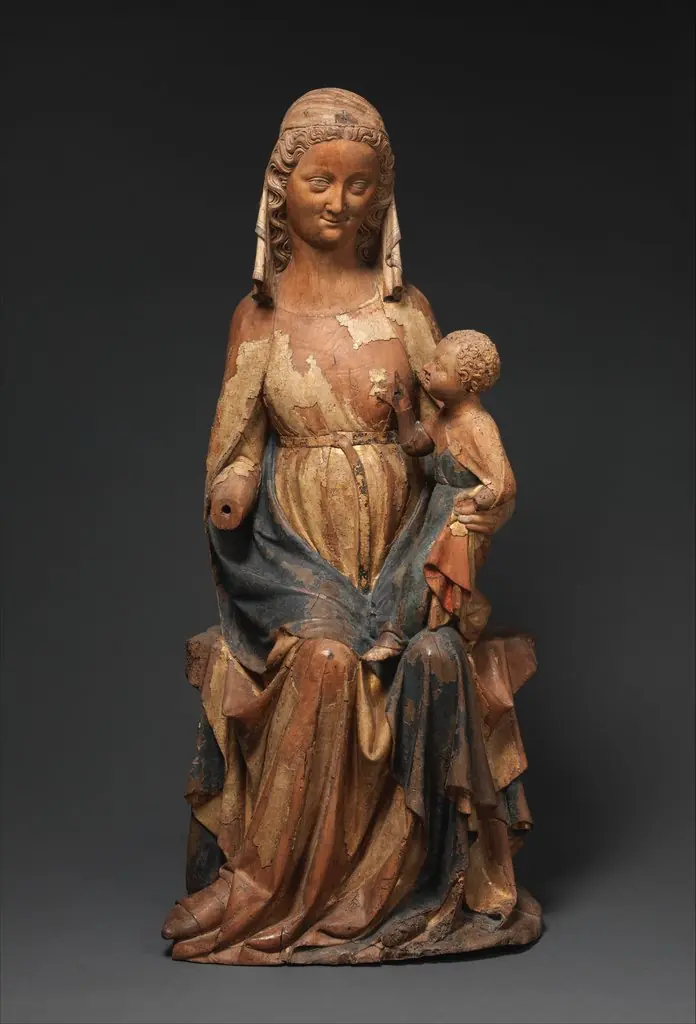 Seated Virgin and Child
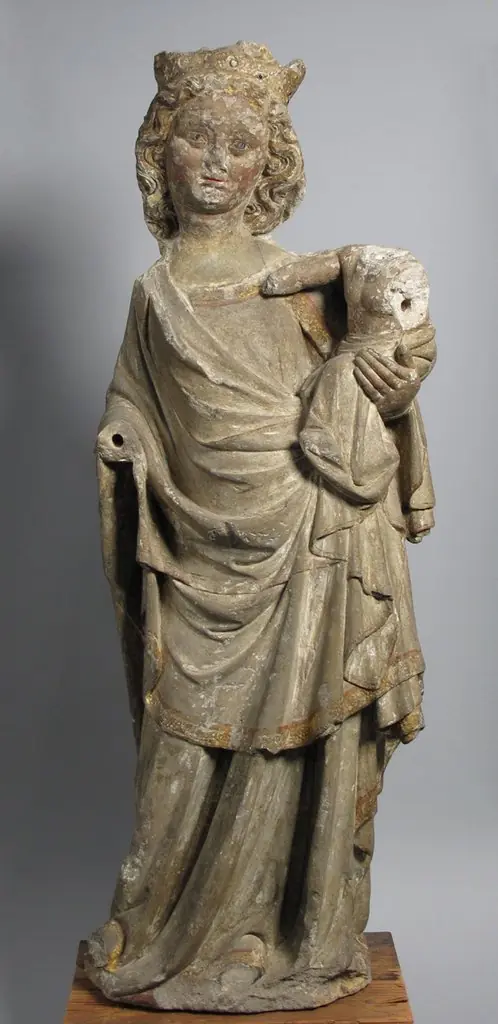 Virgin and Child
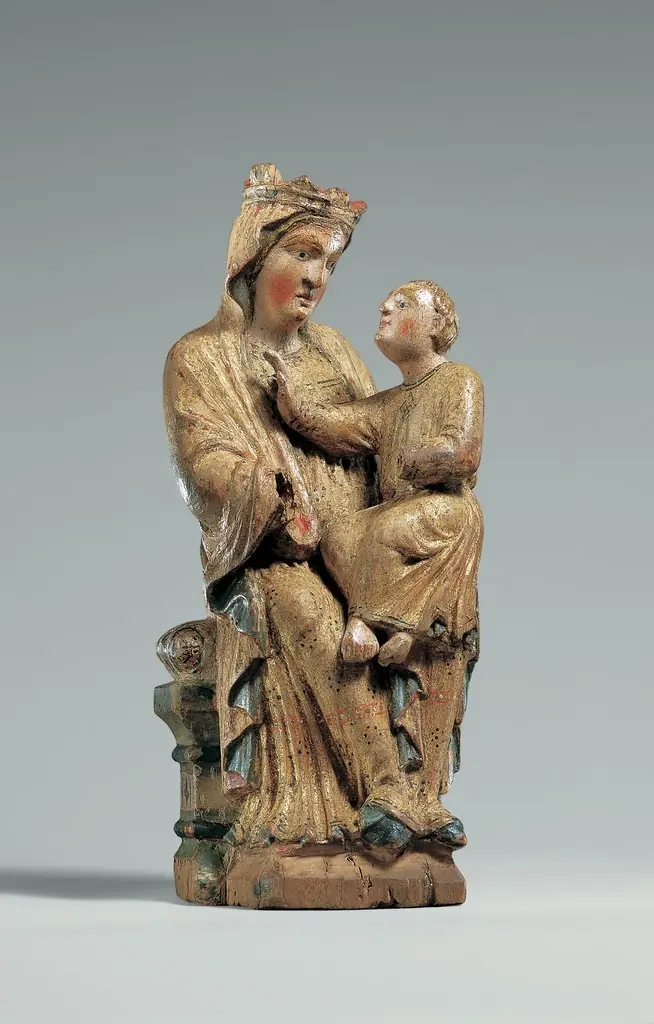 Enthroned Virgin and Child
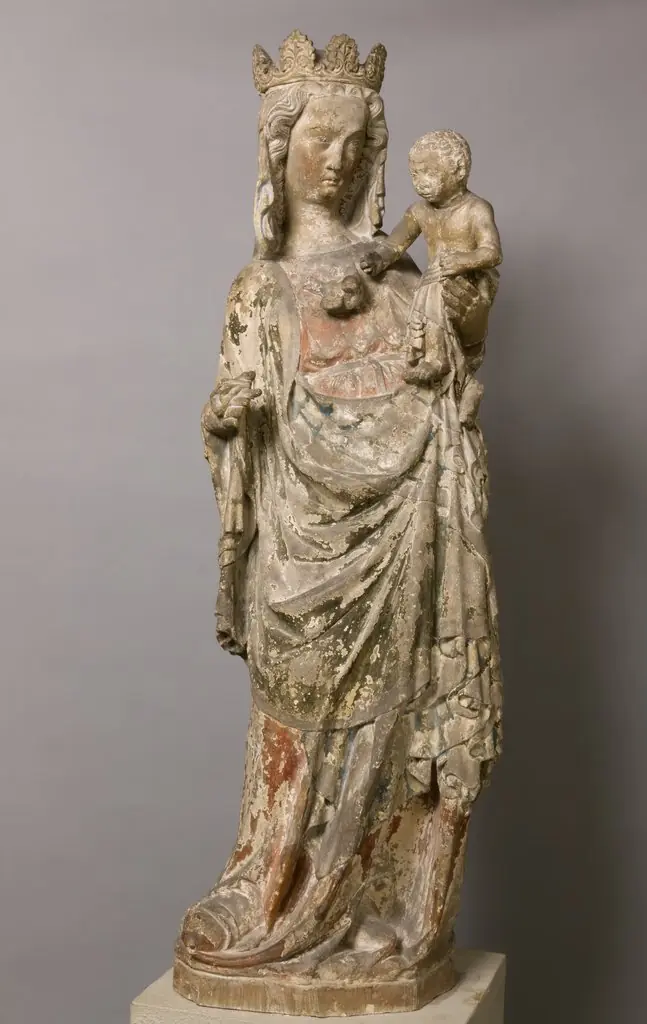 Virgin and Child
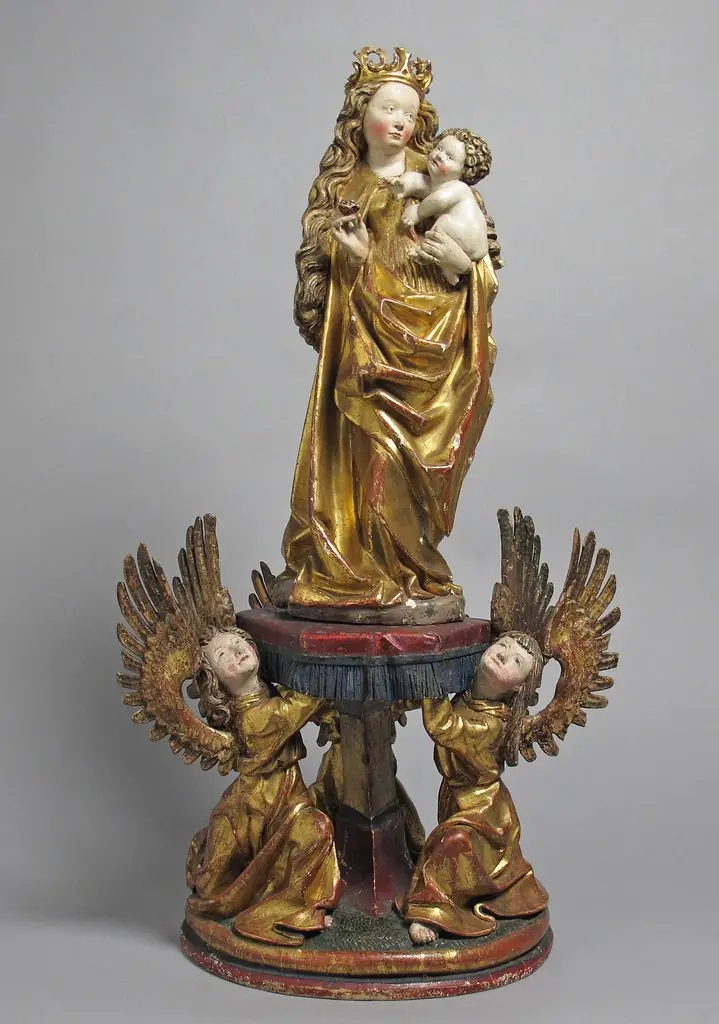 Virgin and Child Supported by Angels
 Enthroned Virgin and Child
- Standing Virgin and Child