Artwork
Virgin and Child
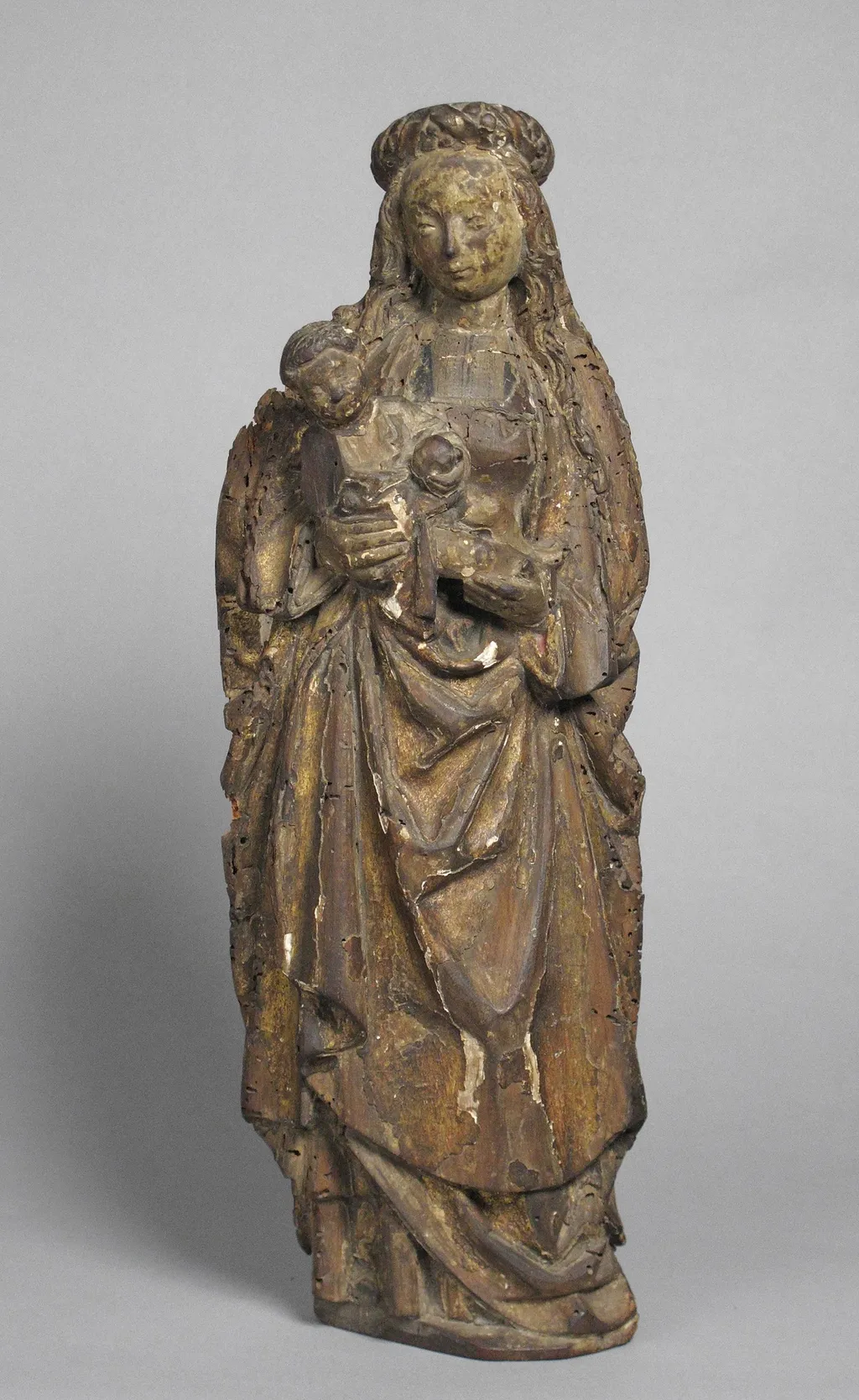
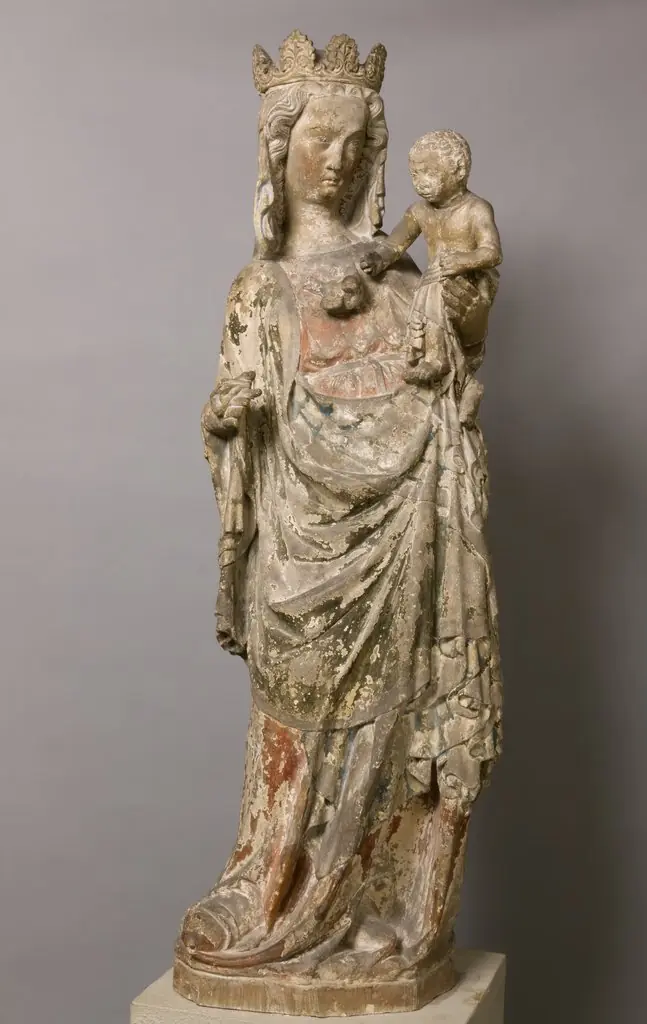
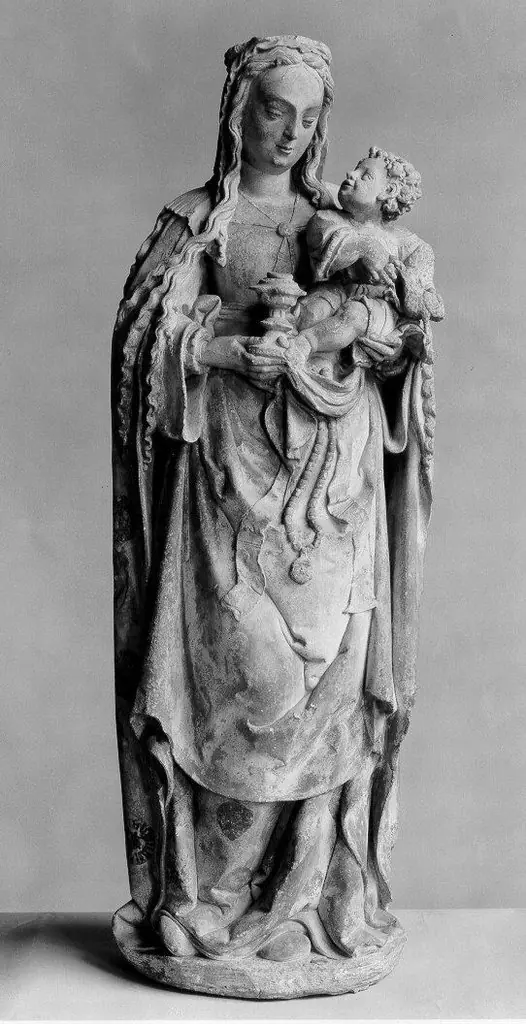
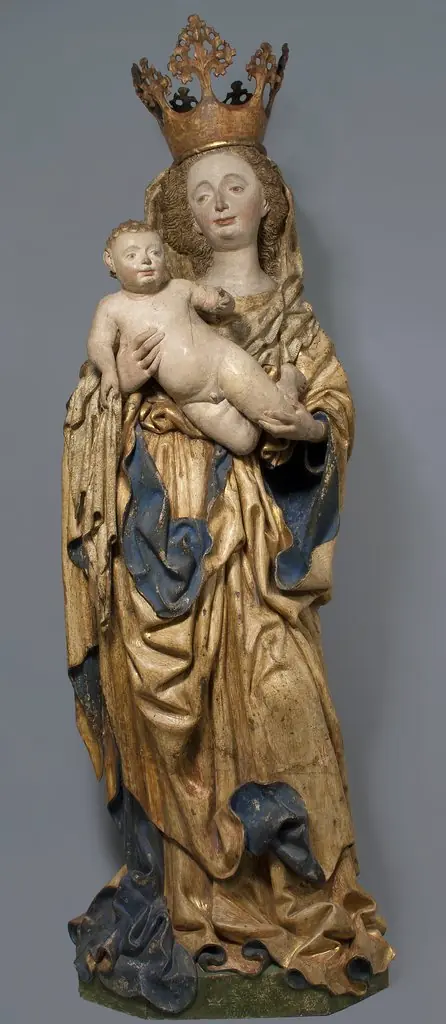
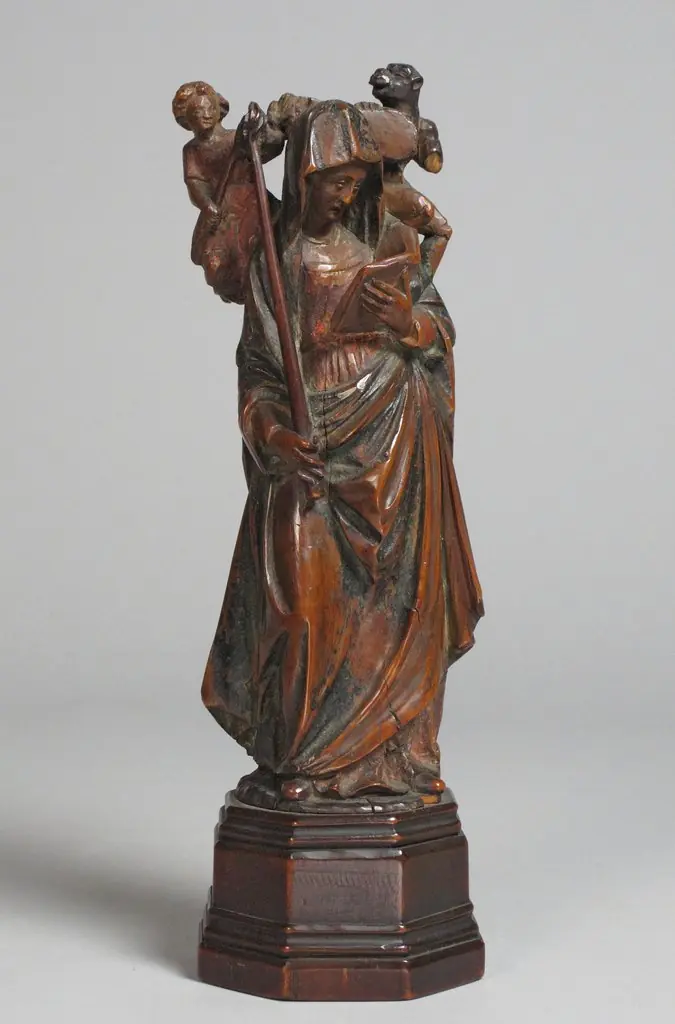
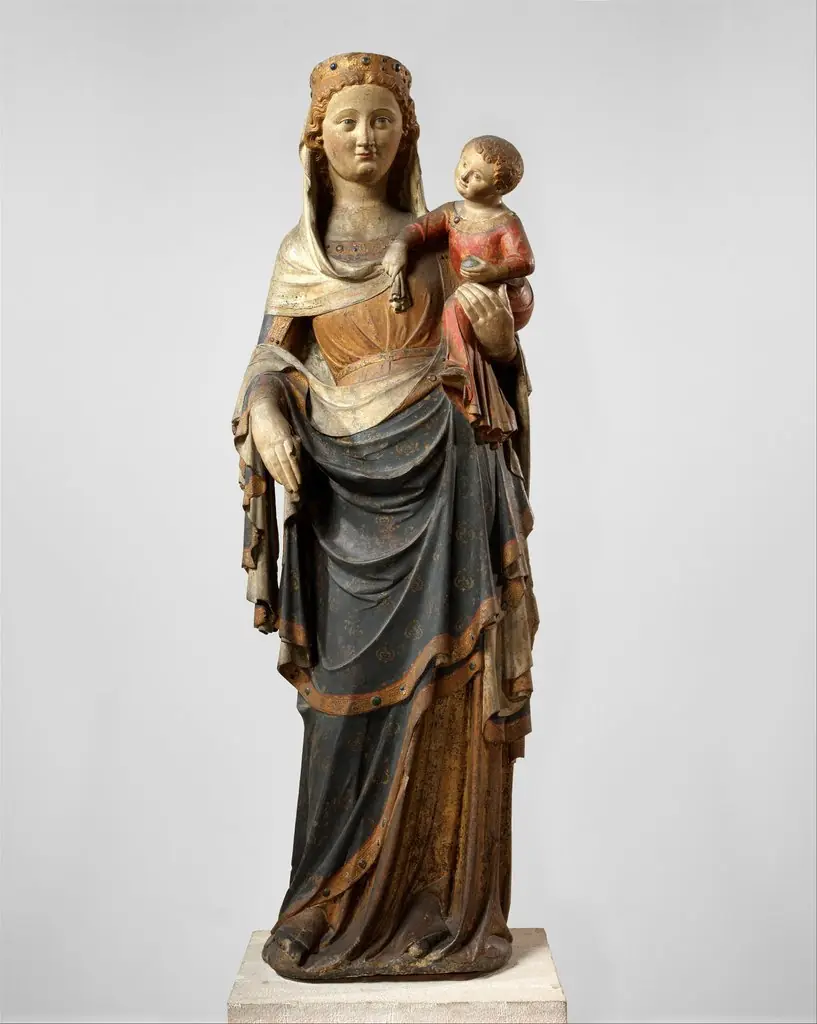
Virgin and Child is an unspecified painting. It dates from 1550 and is held in the collection of the Metropolitan Museum of Art. This wooden sculpture depicts the Virgin Mary cradling the Christ Child.
About this work
Subject & Meaning
The composition focuses solely on the two figures, reinforcing their theological significance as the human and divine natures united in Christ.
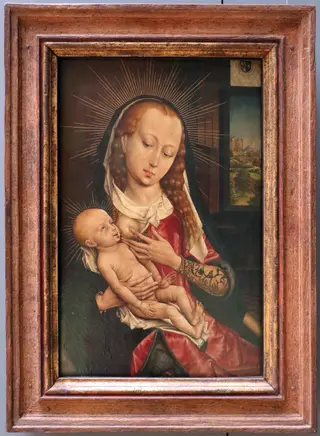
Virgin and Child portrays the Virgin Mary tenderly holding the infant Jesus, a depiction known as the Madonna and Child. As a religious painting dated to circa 1550 and attributed to an anonymous artist in the Metropolitan Museum of Art’s collection, the work emphasizes the sacred bond between mother and divine son, embodying themes of maternal love, incarnation, and intercessory grace central to Christian devotion. The composition focuses solely on the two figures, reinforcing their theological significance as the human and divine natures united in Christ.
History & Provenance
The painting known as Virgin and Child was created in 1550 as a religious work depicting the Madonna and Christ Child. The piece is attributed to an anonymous artist, with no specific creator identified in available records. Currently, the artwork resides in the collection of the Metropolitan Museum of Art, where it is cataloged under the accession number 25.120.265.
While the date of inception is firmly established as 1550, details regarding the original commission, early ownership history, or the specific circumstances of its creation remain unrecorded in the provided documentation. The work's provenance prior to its acquisition by the Metropolitan Museum is not detailed in the current sources.
The painting titled Virgin and Child, created circa 1550, is held in the collection of the Metropolitan Museum of Art in New York. Its official accession number is 25.120.265. The work is classified as a religious painting depicting the Madonna and Child, attributed to an anonymous artist.
While the sources confirm its current location and inventory details within the museum, they do not provide specific records regarding its exhibition history or previous provenance prior to its acquisition by the institution.
Context
An anonymous mid‑16th‑century canvas portrays the Virgin and Child, a motif that dominated devotional painting in Italy during the 1500s. Dated to 1550 and classified as a religious work, the piece reflects the persistent popularity of the Madonna and Child iconography in both private and public contexts. Its inclusion in the collection of the Metropolitan Museum of Art underscores its significance within the museum’s assemblage of European religious art and has prompted scholarly attention to the stylistic traits of anonymous workshops active in that period. The painting’s provenance and attribution remain subjects of ongoing research, highlighting the challenges of studying unattributed works.
Overview
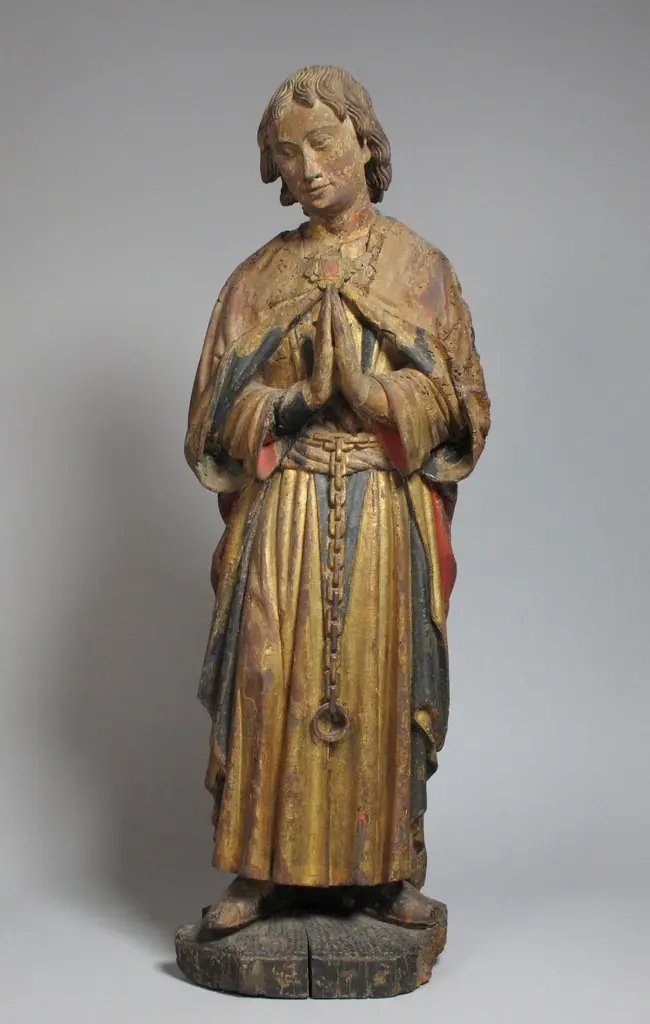
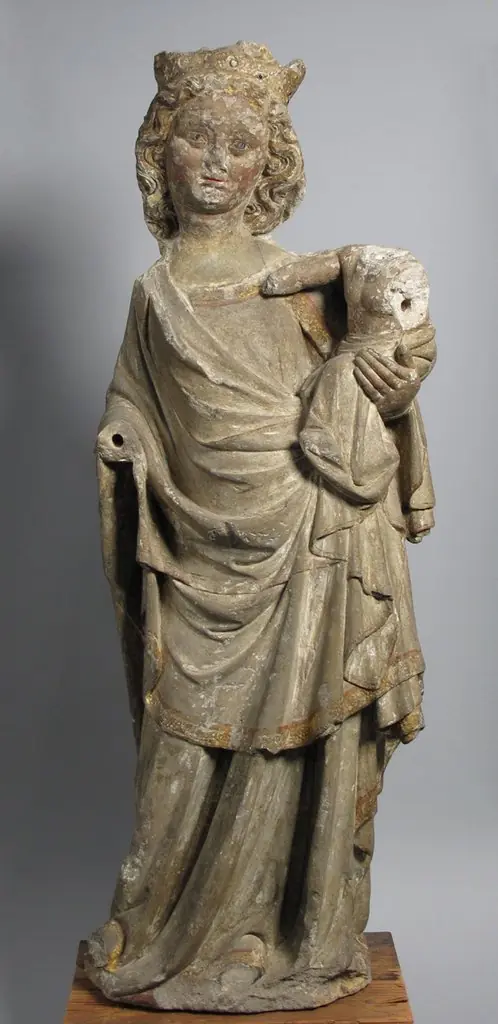
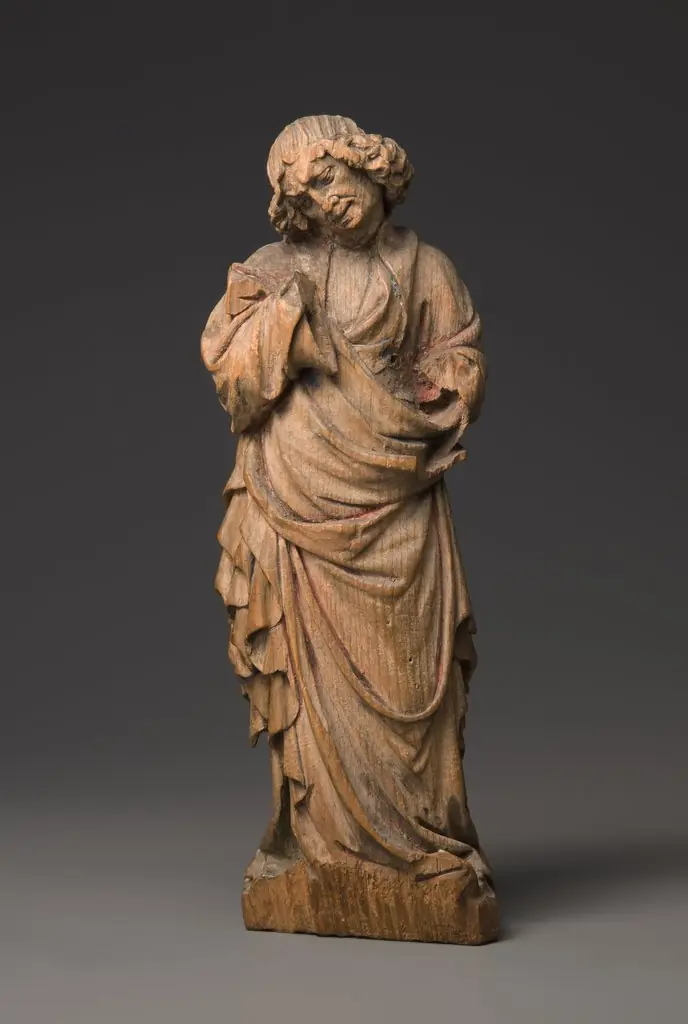
This wooden sculpture depicts the Virgin Mary cradling the Christ Child. The artwork presents a standing female figure adorned with a crown and an elaborately carved robe, holding a smaller child who reaches towards her. Over time, the piece has acquired a visibly aged appearance, exhibiting areas of wear and damage that attest to its history.
Technique & Style
The sculptor employed contrasting textures to differentiate elements within the composition. The faces and hands of both figures are rendered with a smooth finish, emphasizing their delicate features. In contrast, the drapery of the Virgin's robe is characterized by a rougher, more textured surface, where the folds are deeply incised into the wood, contributing to the overall visual depth and tactile quality of the piece.
Artist & collection