Artwork
Susuki Grass
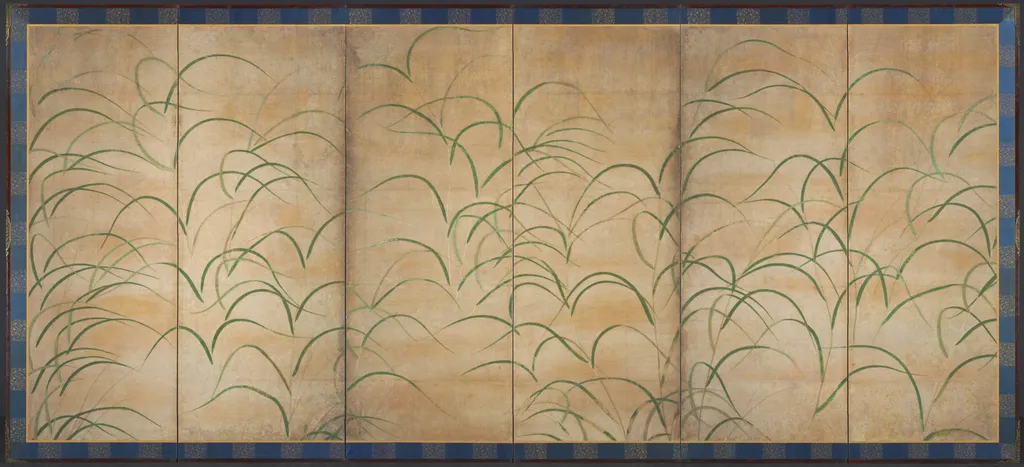
Susuki Grass is an unspecified painting. It dates from 1525 and is held in the collection of the Cleveland Museum of Art.
About this work
History & Provenance
Susuki Grass is held in the collection of the Cleveland Museum of Art, where it is cataloged under accession number 1984.
The painting was created in Japan in 1525 and is attributed to an unknown artist. It entered the collection of the Cleveland Museum of Art, where it remains on view. The work is cataloged under the accession number 1984.43 and is part of the museum's holdings of early Japanese paintings.
Susuki Grass is held in the collection of the Cleveland Museum of Art, where it is cataloged under accession number 1984.43. The work was created in Japan in 1525 and has been part of the museum's holdings since its acquisition. It has been exhibited as part of the museum's Japanese painting displays, though specific exhibition venues beyond the museum's own galleries are not detailed in the source records.
Context
The work titled Susuki Grass was created in 1525 in Japan and is classified as a painting. It is held in the collection of the Cleveland Museum of Art, which provides provenance details for the work. Scholarship surrounding the piece situates it within the broader context of early Japanese painting, though specific critical reception histories are not detailed in the available records.
The artwork's attribution to an unknown artist is noted in its cataloging, reflecting ongoing debates about authorship in certain historical periods.
Overview
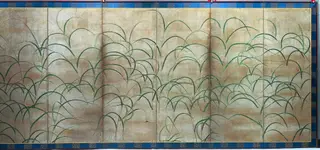
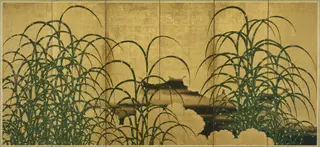
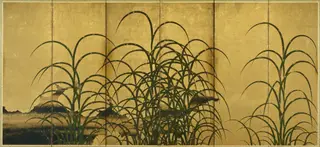
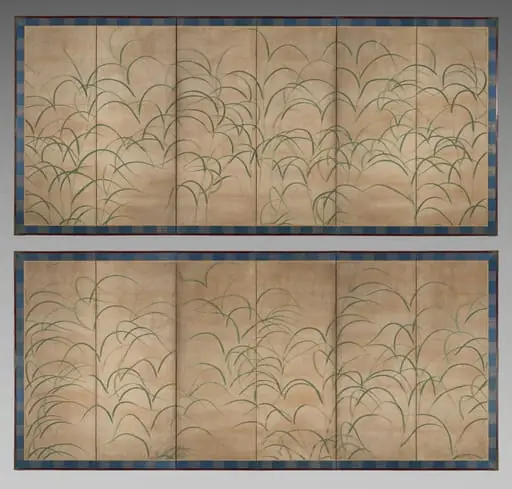
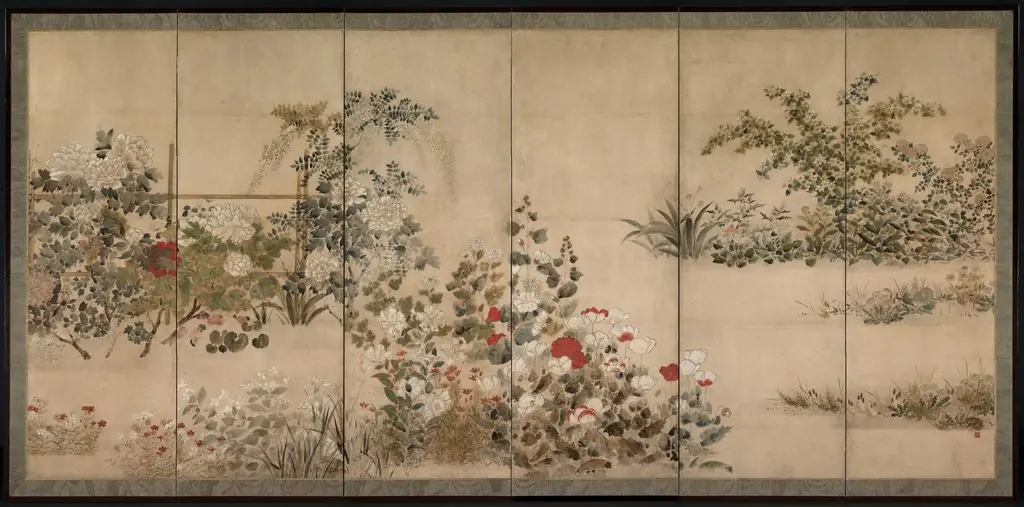
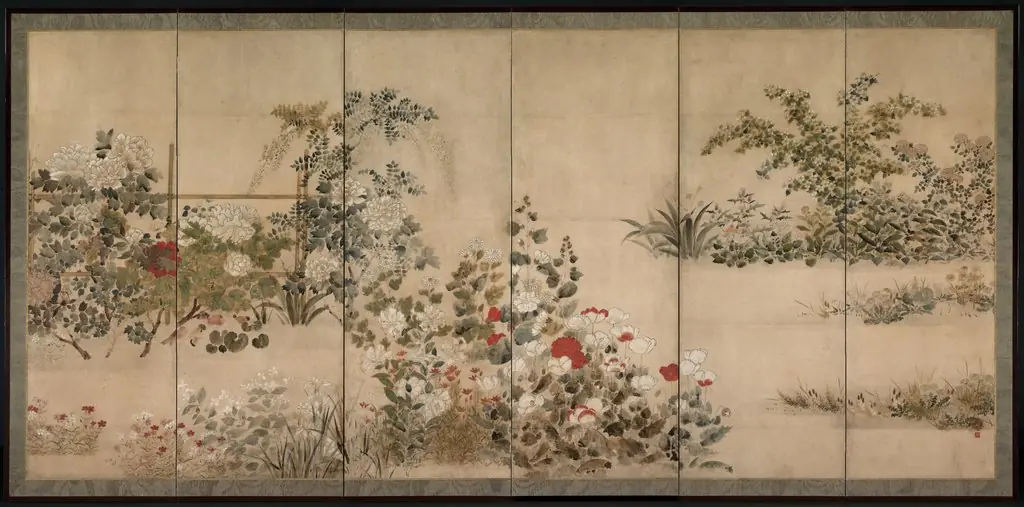
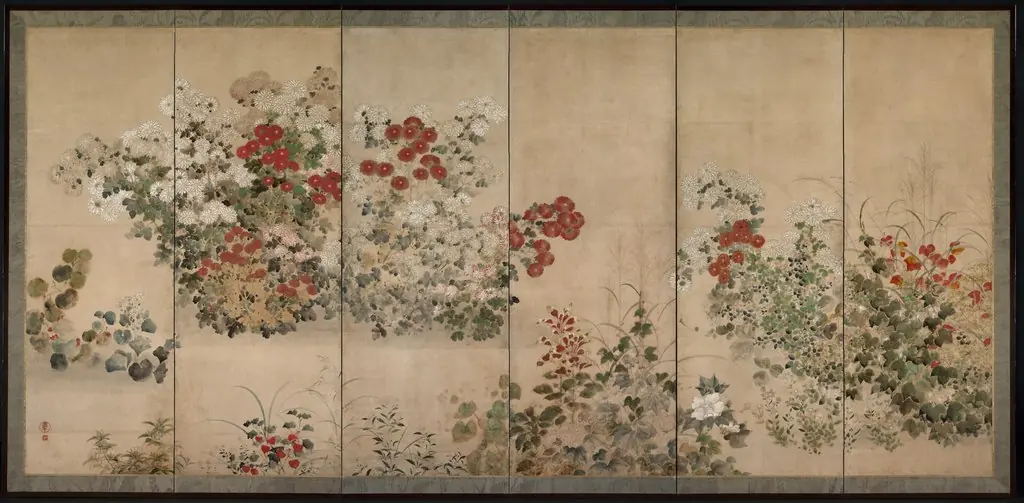
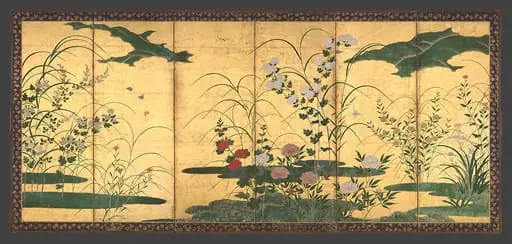
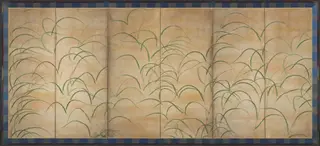
The work titled “Susuki Grass” is a painting that depicts rows of tall, green grass set against a light golden backdrop. The composition is organized in horizontal bands, with each blade rendered in a simple yet precise manner that suggests movement in a gentle breeze.
Subject & Meaning
The subject consists of stylized susuki (Japanese pampas) grass, portrayed with an emphasis on natural rhythm and subtle vitality. The arrangement conveys a sense of quiet growth, inviting viewers to contemplate the delicate balance between order and the organic flow of wind.
Technique & Style
Executed with careful line work, the artist renders each blade with a slight curve, creating a sense of three‑dimensionality on a flat surface. A dark blue border, featuring a faint decorative pattern, frames the canvas and reinforces the contrast between the verdant foreground and the warm, muted background.
Artist & collection