Artwork
Susuki Grass
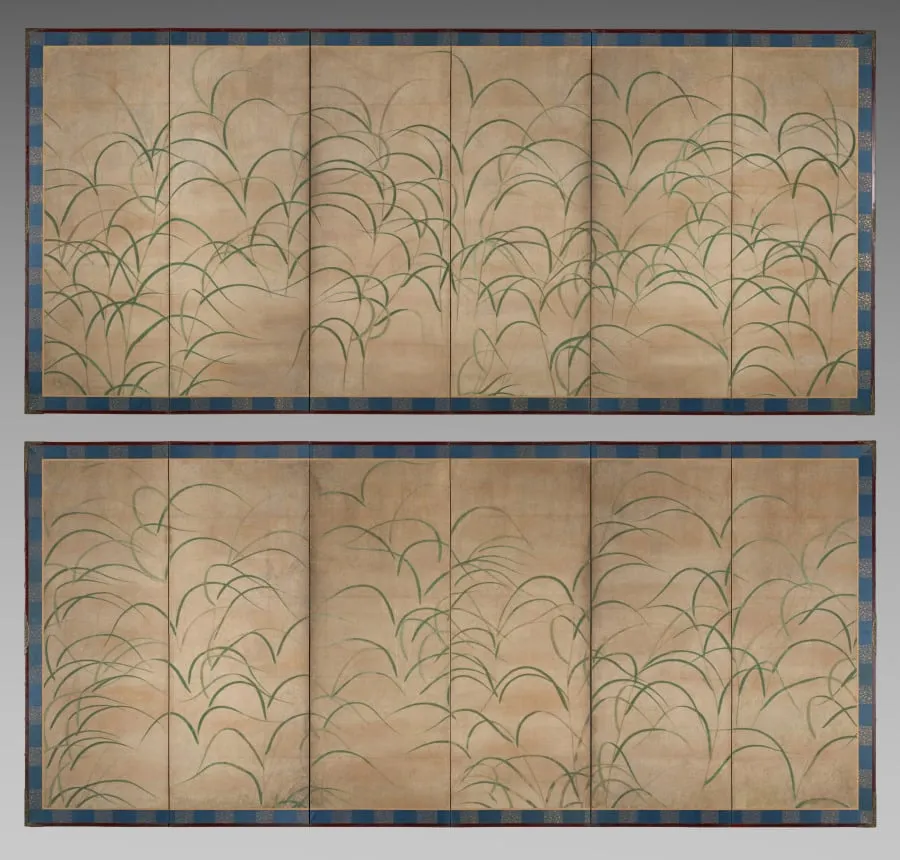
Susuki Grass is an unspecified painting by the Renaissance artist Unknown. It dates from 1525 and is held in the collection of the Cleveland Museum of Art.
- Accession no.
- 1984.43
- Credit line
- John L. Severance Fund
About this work
The grasses are one of Japan’s "Seven Flowers of Autumn," a group of plants celebrated in art and poetry for centuries.
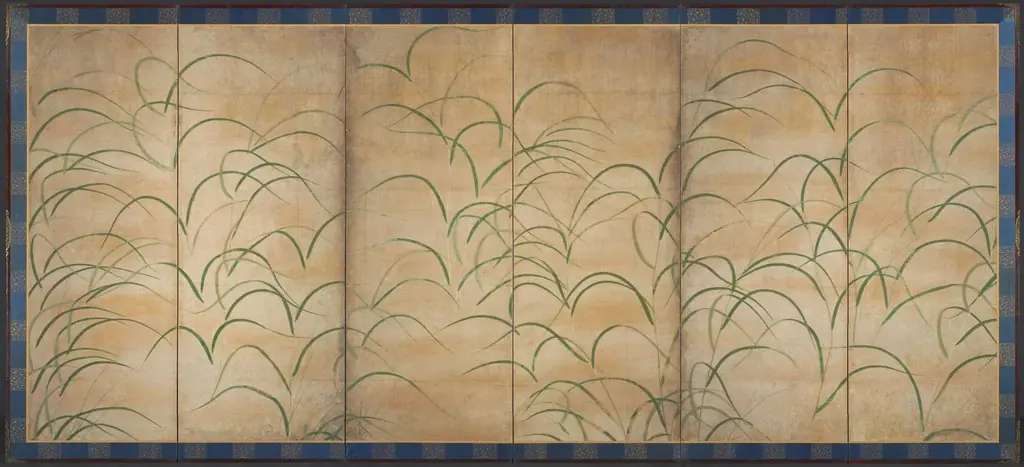
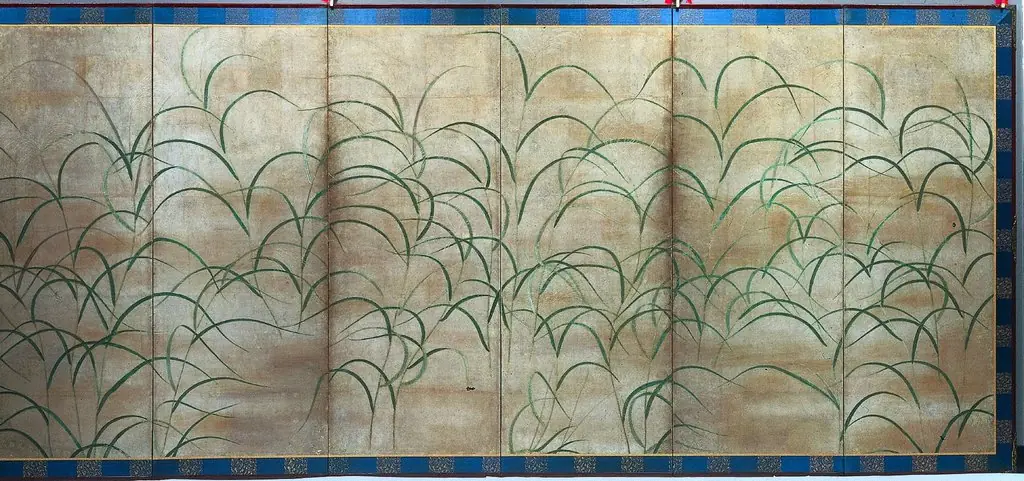
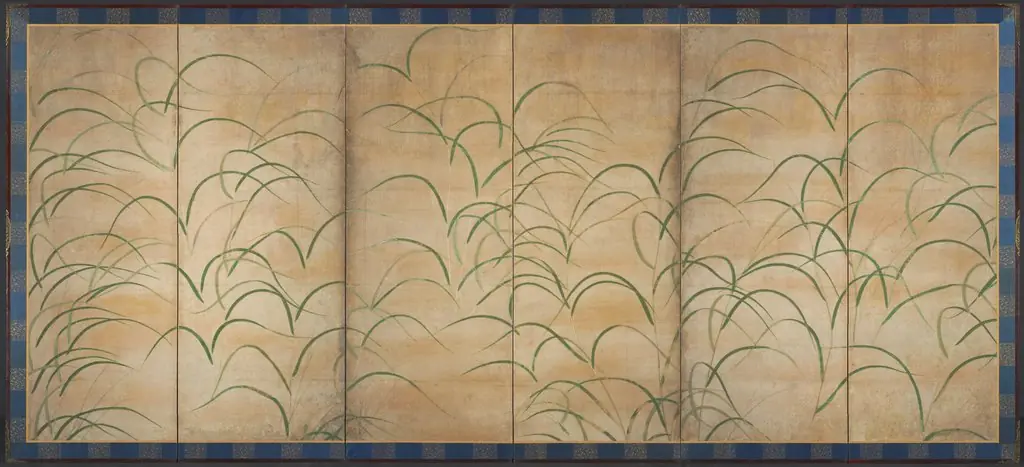
You see tall grasses bending in the wind, their feathery tops catching light against a pale, misty background.
This painting wasn’t meant to hang on a wall. It was likely part of a folding screen, where poems would be written right on the surface. The grasses are one of Japan’s "Seven Flowers of Autumn," a group of plants celebrated in art and poetry for centuries.
To see more work like this, look up japan, muromachi period (1392–1573).
Overview
This painting depicts a field of susuki grass, a plant deeply tied to autumn in Japanese culture. Rendered in delicate ink and subtle washes, the work was originally part of a folding screen, designed to frame poetic inscriptions rather than stand as a standalone image. Its quiet composition invites contemplation, aligning with the aesthetic values of the Muromachi period.
Subject & Meaning
Susuki grass, one of the Seven Flowers of Autumn, symbolizes transience and quiet beauty in Japanese literary and visual traditions. Its slender forms, bending under unseen wind, evoke seasonal change and impermanence. The misty background enhances this sense of ephemerality, grounding the image in a poetic rather than literal landscape, where nature and verse intertwine.
Technique & Style
The artist employed ink washes with restrained brushwork to suggest the texture and movement of grasses, allowing the paper’s natural tone to suggest mist and atmosphere. Forms are simplified yet precise, avoiding detail in favor of suggestive lines. This restrained approach reflects the ink-wash traditions of Zen-inspired painting, emphasizing mood over realism.
History & Provenance
Created during the Muromachi period (1392–1573), the work was likely part of a pair of folding screens used in aristocratic or monastic interiors. Such screens often served as surfaces for calligraphic poems, with verses added by poets or patrons. The painting’s format and style align with contemporaneous screen paintings commissioned for contemplative spaces.
Context
The Seven Flowers of Autumn were a recognized set of plants celebrated in court poetry and painting, each associated with specific emotional and seasonal resonances. Susuki grass, in particular, appeared frequently in waka verse and screen decoration. Its inclusion here reflects a broader cultural practice of embedding nature into daily aesthetic experience.
Legacy
This work exemplifies how Japanese painting integrated literature and landscape, influencing later traditions of ink painting and screen design. Its emphasis on suggestion over description became a hallmark of Japanese aesthetics, shaping how nature was represented in art for centuries. The practice of pairing image and verse on screens endured well into the Edo period.
Artist & collection