Artwork
Ten Sites Associated with Ruan Yuan
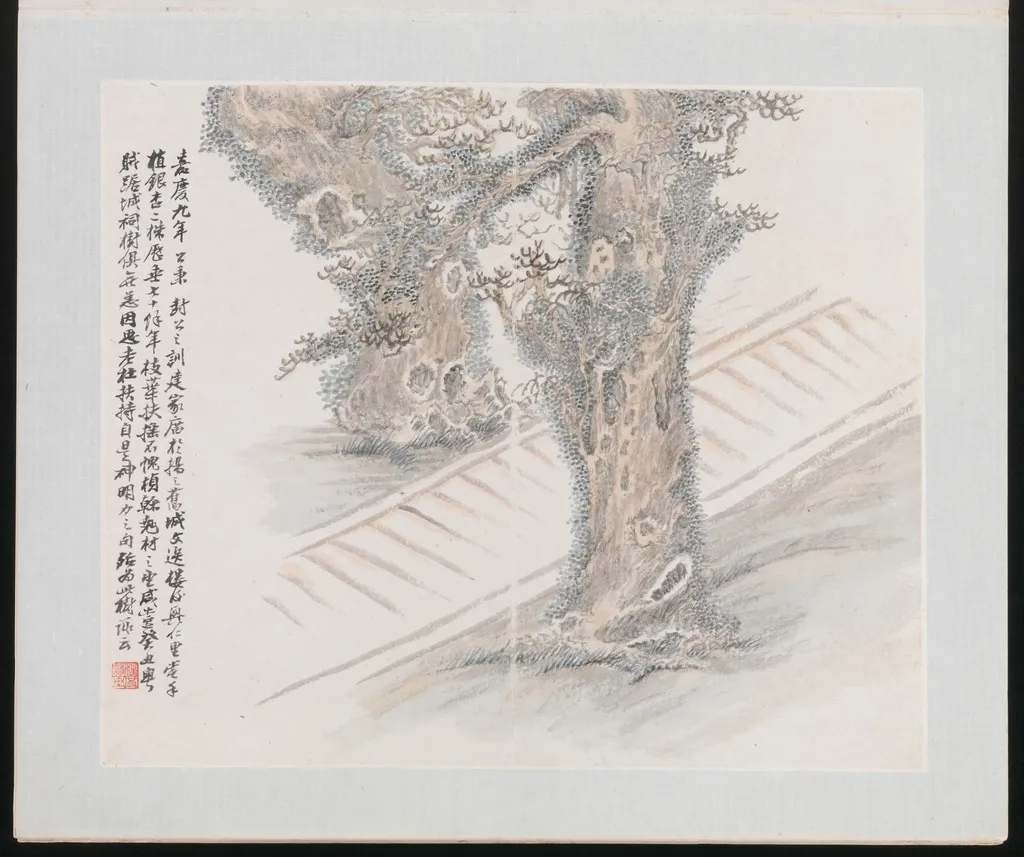
Ten Sites Associated with Ruan Yuan is an unspecified painting. It dates from 1892 and is held in the collection of the Metropolitan Museum of Art.
About this work
Technique & Style
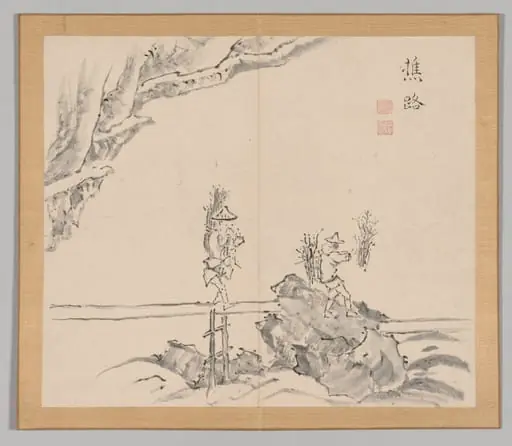
Created in 1892, this landscape painting is attributed to the artist Wang Jun. The work depicts natural scenery, specifically featuring trees within its composition. As a traditional Chinese painting, it adheres to the landscape genre conventions of its time and place of origin. The piece is currently held in the collection of the Metropolitan Museum of Art.
History & Provenance
The piece is classified as a landscape painting and currently resides in the collection of the Metropolitan Museum of Art.
The painting Ten Sites Associated with Ruan Yuan was created in 1892 in China. While one record attributes the work to the artist Wang Jun, another catalog entry lists the creator as unknown. The piece is classified as a landscape painting and currently resides in the collection of the Metropolitan Museum of Art.
No specific details regarding its original commission, early ownership history, or the chain of custody prior to its museum acquisition are provided in the available records.
Context
The 1892 landscape painting known as Ten Sites Associated with Ruan Yuan is housed in the Metropolitan Museum of Art and is recognized as an example of late Qing dynasty scenery. Scholars link its authorship to Wang Jun, situating the work within the broader trajectory of Chinese landscape painting of the period. The internal catalog notes uncertainty about the artist, highlighting differing documentary traditions.
Overview
The painting titled "Ten Sites Associated with Ruan Yuan" presents a tranquil mountain panorama. A solitary figure, appearing diminutive against a backdrop of imposing trees and jagged cliffs, stands near a winding rocky path. The artwork emphasizes the immense scale of the natural world, positioning the human element as a small, contemplative presence within a grand and untamed environment. The scene evokes a sense of quiet observation.
Subject & Meaning
The central theme revolves around the human relationship with nature, specifically the individual's place within an overwhelming landscape. The lone figure's smallness against the vast scenery suggests humility and a transient visit rather than dominance. The title implies a connection to Ruan Yuan, possibly depicting locations he frequented or contemplated, thereby adding a layer of historical or literary reflection to the journey through these natural sites.
Artist & collection

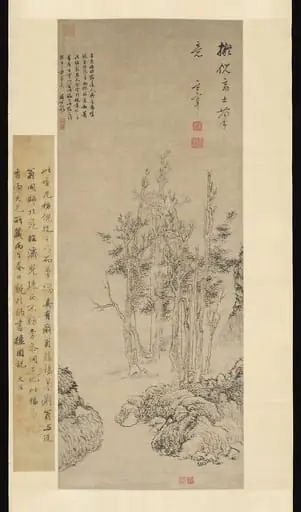
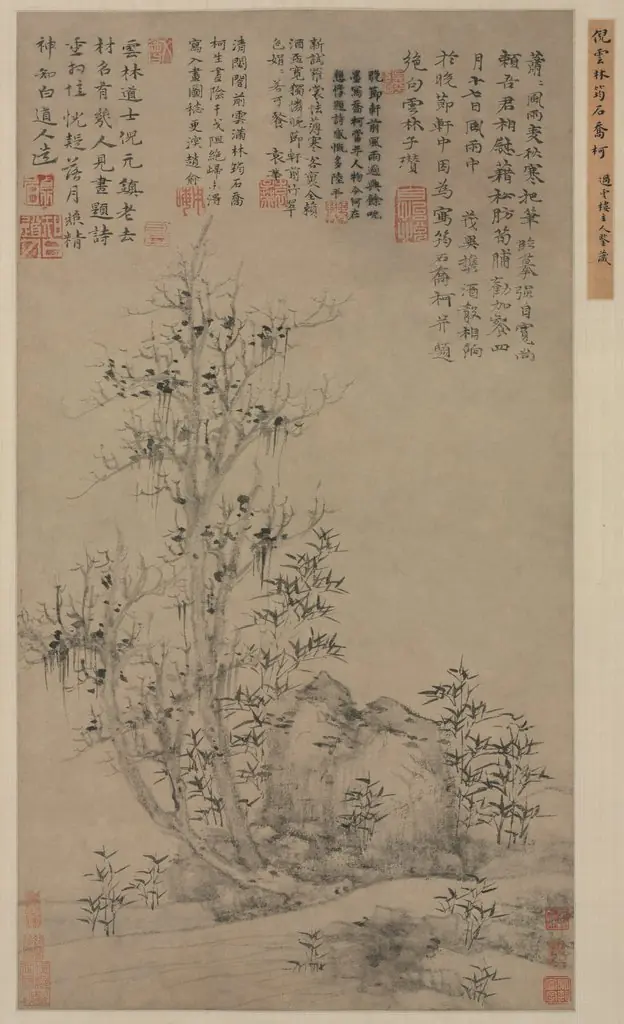 Bamboo, Rock, and Tall Tree
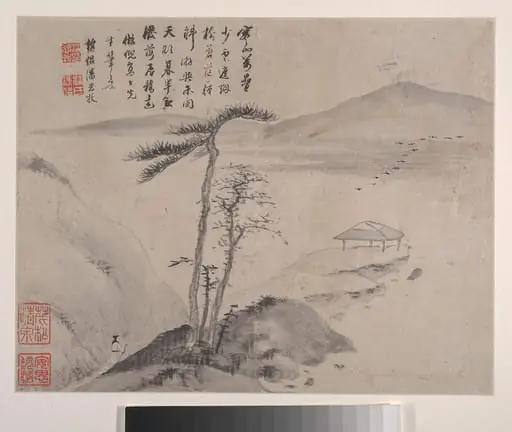
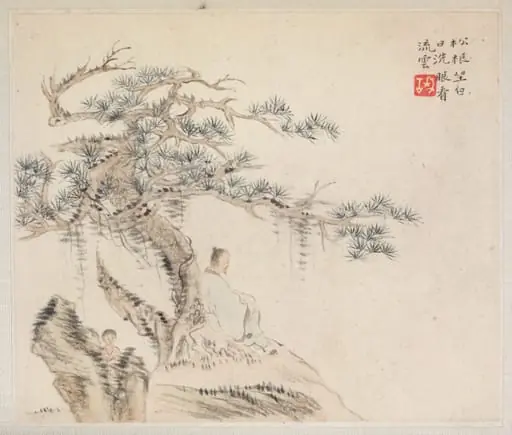 Album of Landscape Paintings Illustrating Old Poems: Scholar under a Pine Tree
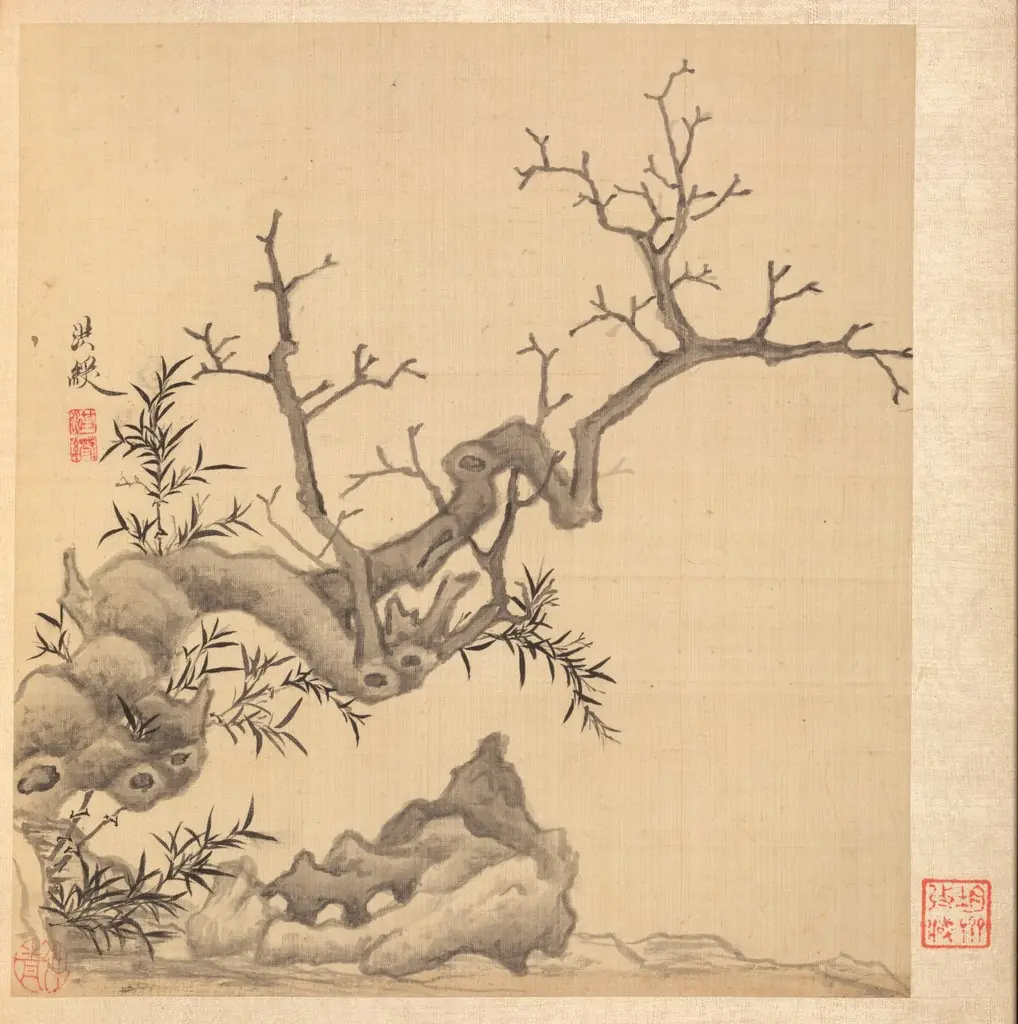 Paintings after Ancient Masters: Rock, Old Tree, and Bamboo
 Album of Landscape Painting Illustrating Old Poems
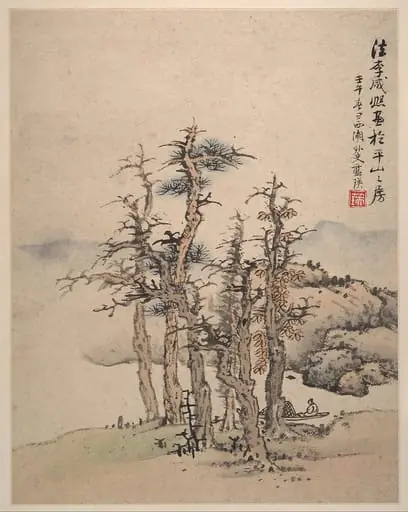
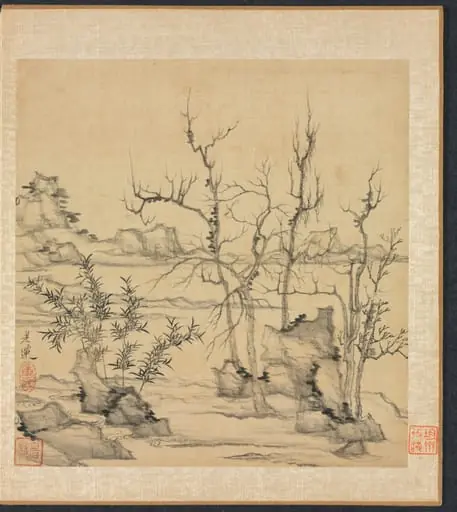 Paintings after Ancient Masters: Landscape in the Style of Ni Zan
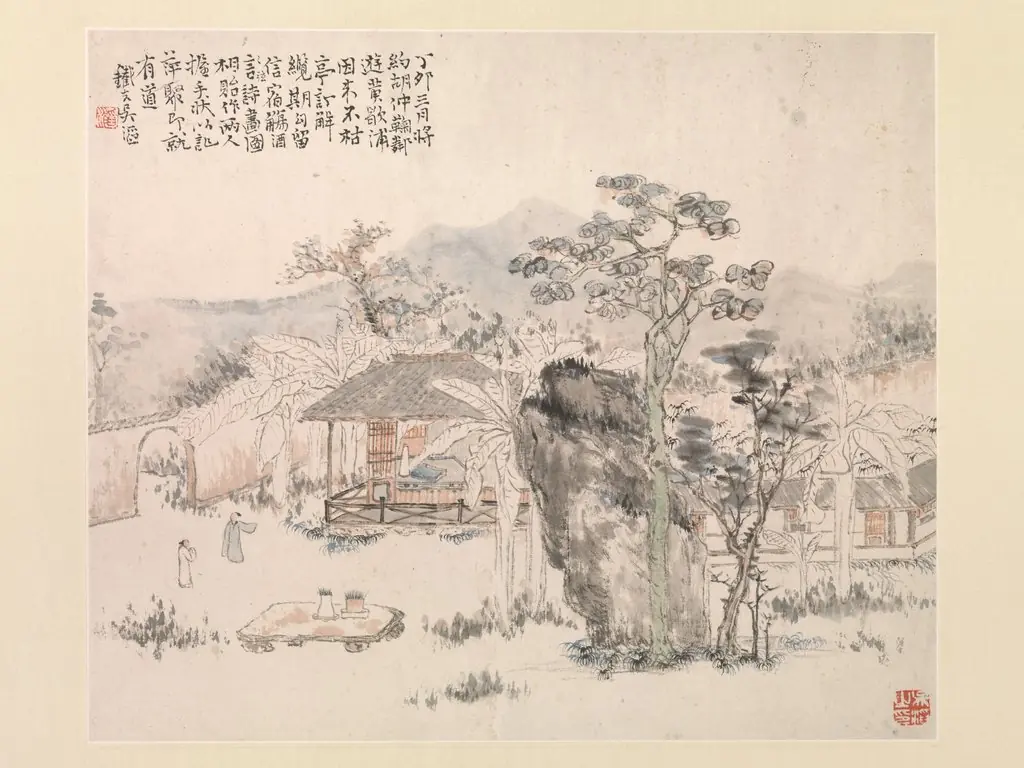 Garden scene
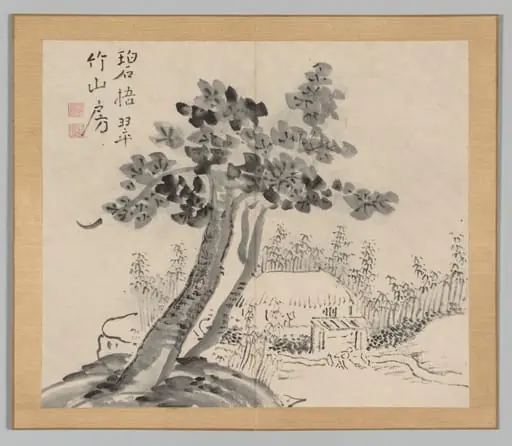 Reverberations of Taiga, Volume 2 (leaf 32)
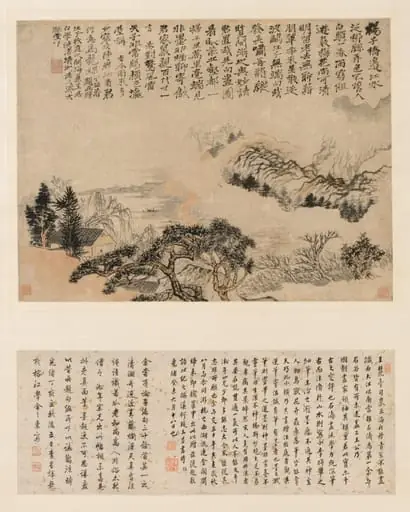 Spring Mist over Jiangnan
 Reverberations of Taiga, Volume 1 (leaf 32)