Artwork
明 藍瑛 仿宋元山水圖 冊|Landscapes after Song and Yuan masters
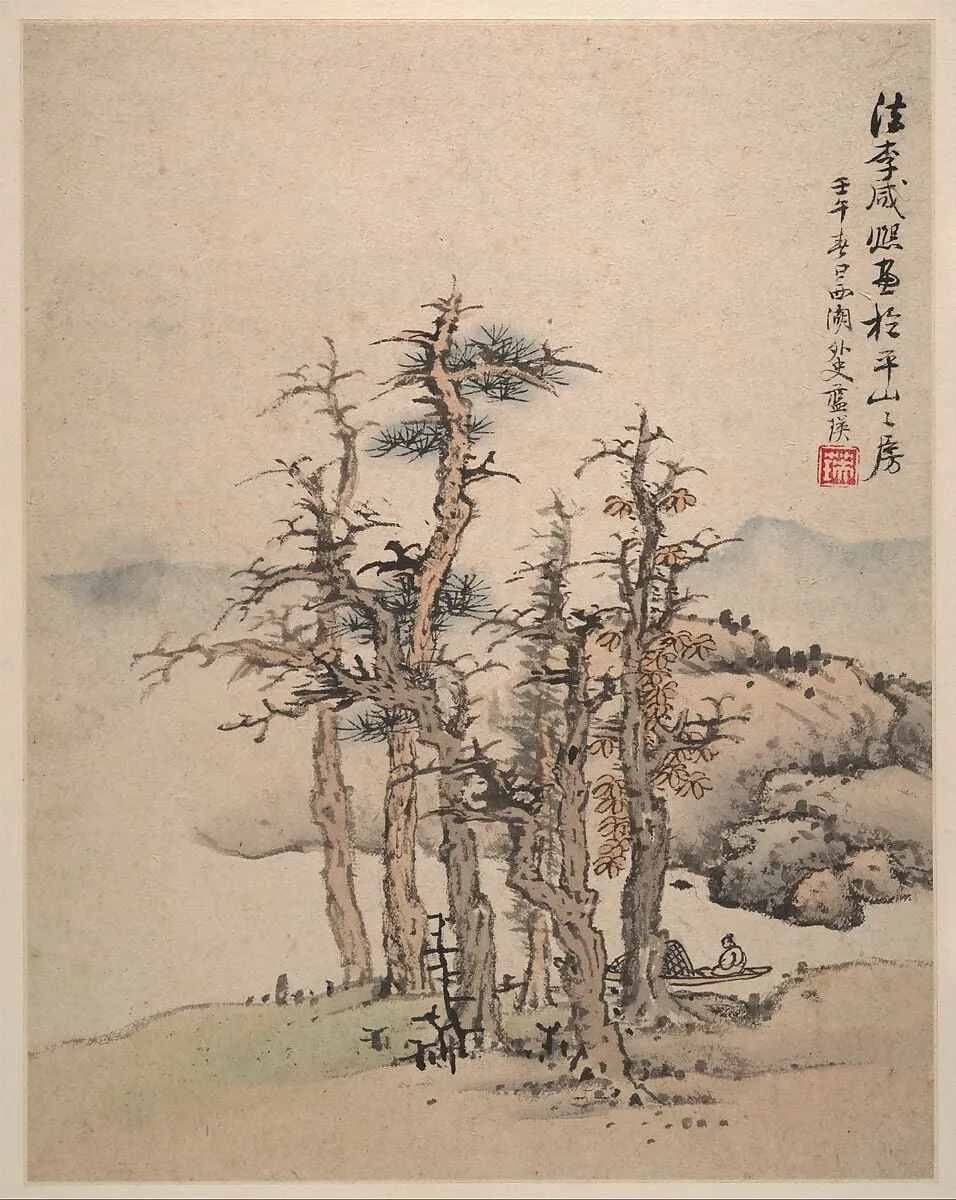
明 藍瑛 仿宋元山水圖 冊|Landscapes after Song and Yuan masters is an ink painting by the Baroque artist Lan Ying. It dates from 1642 and is held in the collection of the Metropolitan Museum of Art.
About this work
Technique & Style
The support material is specifically paper, distinguishing it from silk-based works common in earlier periods.
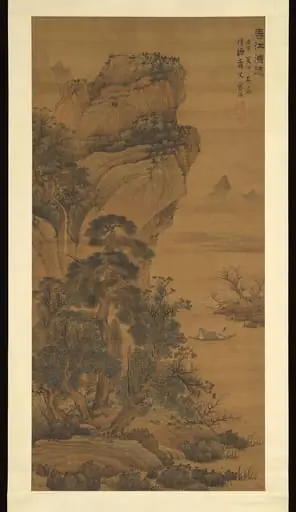
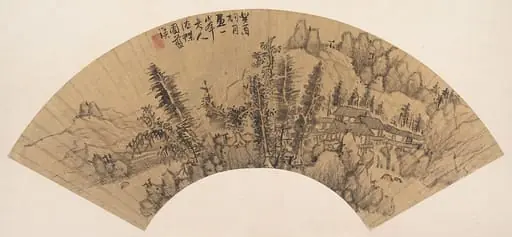
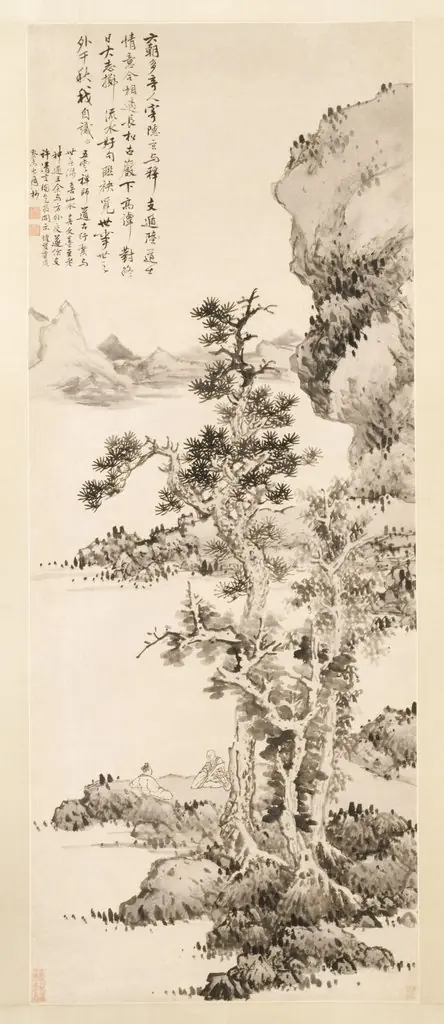
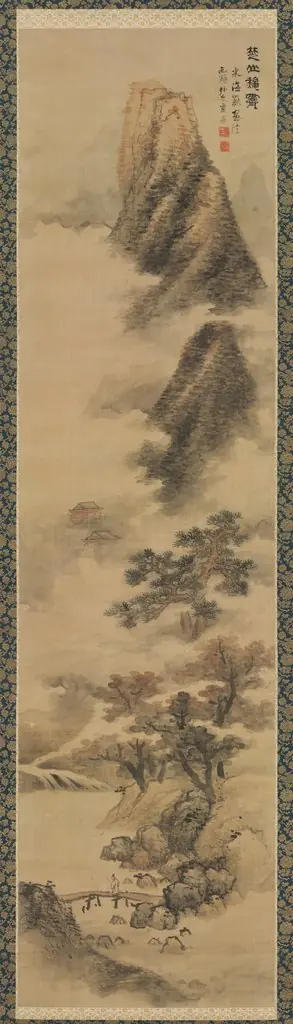
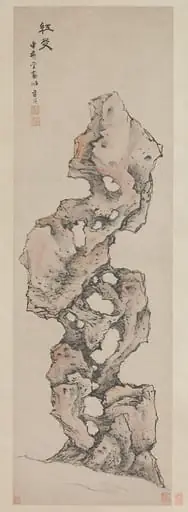
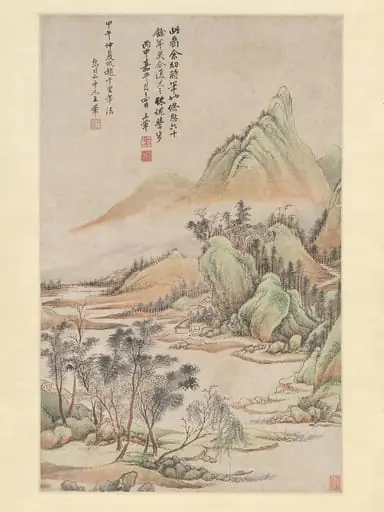
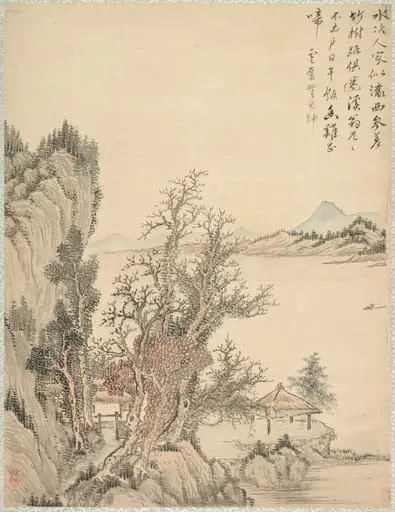
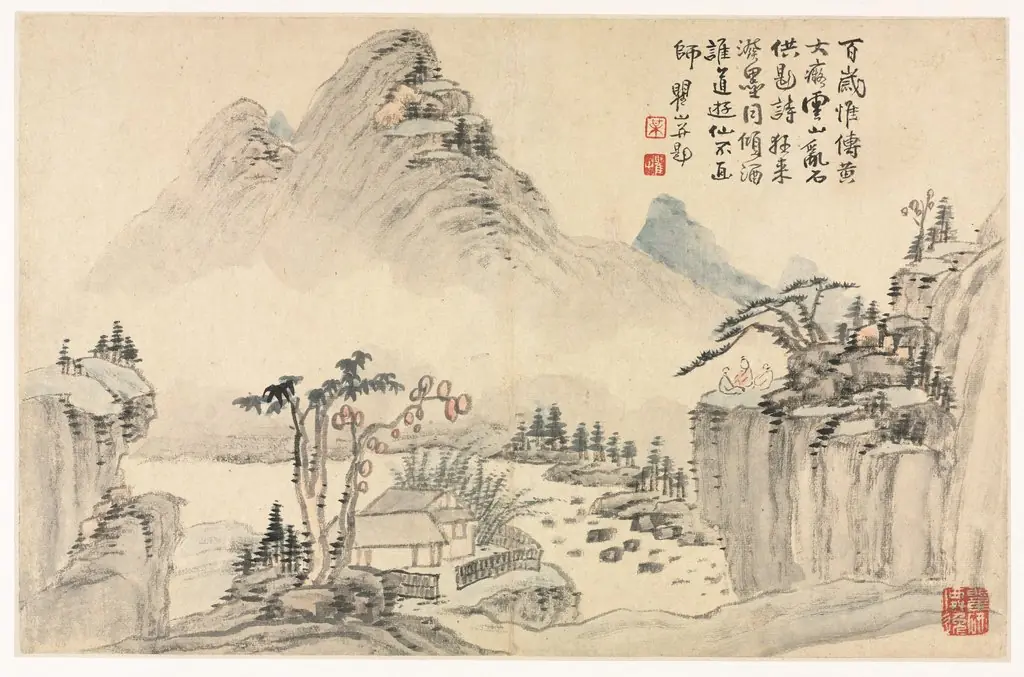
Executed in 1642, this album comprises twelve leaves featuring landscapes rendered in ink and color on paper. The support material is specifically paper, distinguishing it from silk-based works common in earlier periods. Each leaf measures approximately 31.6 cm in height and 24.8 cm in width.
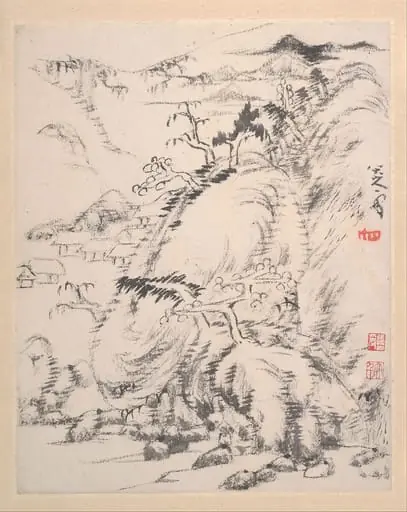
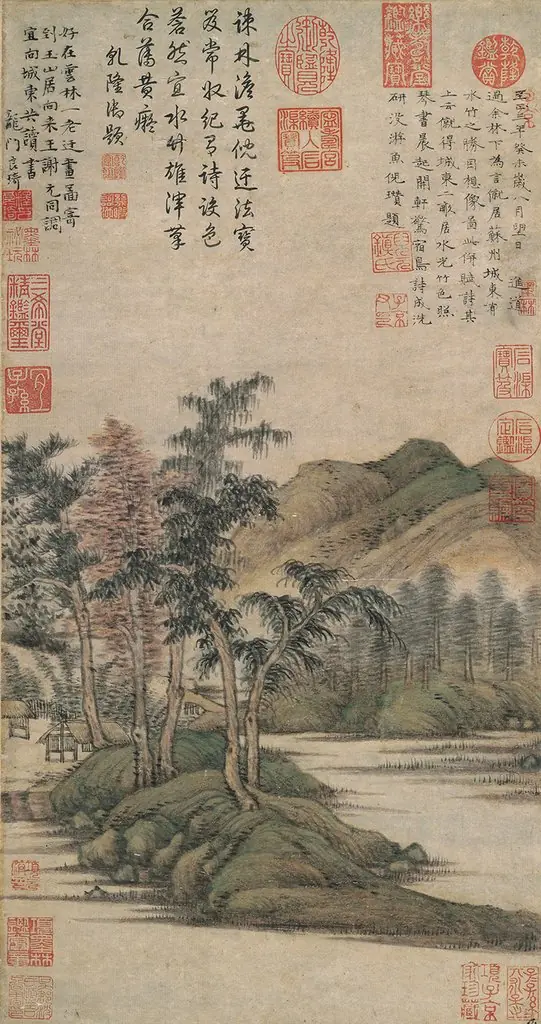
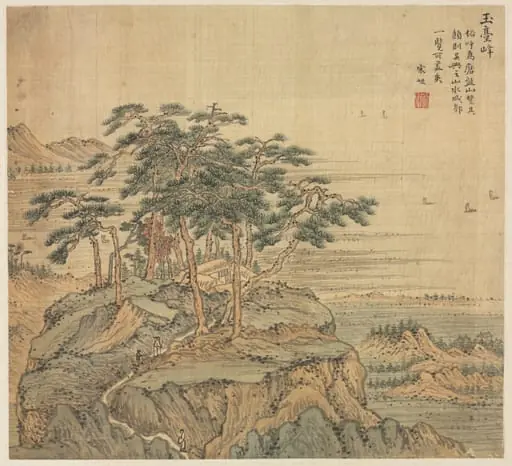
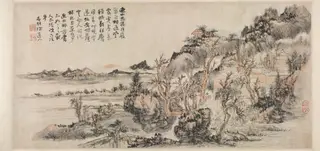
Stylistically, the work functions as a series of landscape paintings that depict natural elements such as trees, reflecting Lan Ying's practice of emulating Song and Yuan dynasty masters. The application of both ink and mineral or vegetable pigments suggests a polychrome approach to the traditional monochrome landscape genre, allowing for varied tonal ranges and decorative effects within the intimate format of an album.
History & Provenance
The album Landscapes after Song and Yuan masters is dated 1642, the year Lan Ying completed the twelve‑leaf work in ink and color on paper. It was produced in China as a private album, though no specific commission record is documented in the sources. After its creation the piece entered a collection that eventually came to the Metropolitan Museum of Art, where it is now housed and catalogued.
The Metropolitan’s records list the work with an inception date of 1642‑01‑01, confirming its dating and current location.
The album of twelve leaves titled 明 藍瑛 仿宋元山水圖 is housed in the collection of the Metropolitan Museum of Art in New York. The work is part of the museum's holdings, though the specific inventory or accession number is not recorded in the available documentation. No exhibition history for this piece is noted in the cited sources.
The painting, dated 1642, depicts a tree and is classified as a landscape painting within the museum's catalog.
Overview
Created in 1642, this album of twelve leaves by Lan Ying (1585–1664) presents a series of landscapes executed in ink and color on paper. The work exemplifies the artist's mature engagement with the Chinese tradition of imitation, a practice central to Ming dynasty literati painting. Rather than depicting specific geographic locations, each leaf recreates the stylistic essence of Song and Yuan dynasty masters, serving as a scholarly homage to these historical precedents.
The composition varies across the twelve pages, featuring mist-shrouded mountains, gnarled pine trees, and diminutive scholar's huts nestled within the terrain. Lan Ying employs a refined brushwork technique that balances the structural rigor of earlier masters with his own expressive fluency. The palette is restrained yet effective, utilizing subtle washes of color to enhance the atmospheric depth of the ink outlines.
This album stands as a significant document of Lan Ying's role in the Zhe School, demonstrating his ability to synthesize diverse historical styles into a cohesive personal vision. It reflects the 17th-century artistic value placed on mastering and reinterpreting the past, positioning the work as both a technical exercise and a meditation on art history.
Subject & Meaning
The title directly indicates the album's thematic foundation: an homage to the artistic legacies of the Song and Yuan dynasties. Lan Ying did not invent these scenes but rather engaged in a dialogue with centuries-old Chinese scrolls, reinterpreting their compositions and moods. Each leaf functions as a visual tribute, reflecting the artist's profound admiration for the masters who shaped the landscape painting tradition, a common practice among later generations of painters.
Artist & collection

Artist
Lan Ying grew up in the southeastern city of Hangzhou, where misty mountains roll into the sea.