Artwork
Two nuns teaching lay women, colophon page of folio 167 (recto) from a Kalpa-sutra and Story of Kalakacharya
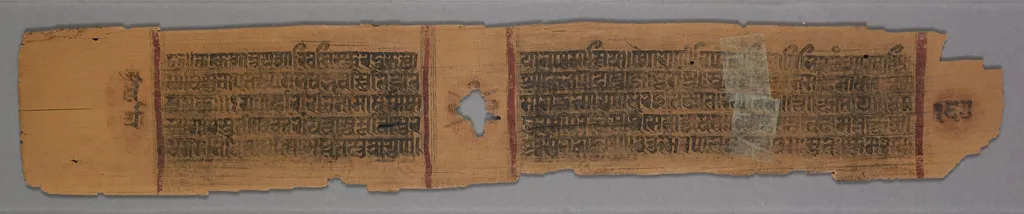
Two nuns teaching lay women, colophon page of folio 167 (recto) from a Kalpa-sutra and Story of Kalakacharya is an unspecified painting. It dates from 1290 and is held in the collection of the Cleveland Museum of Art. The work is a painted colophon page from folio 167 (recto) of a Kalpa‑sutra and the narrative of Kalakacharya.
About this work
Subject & Meaning
This moment symbolizes the dissemination of doctrinal knowledge and the active participation of women in religious discourse within the Jain tradition.
The painting shows two Buddhist nuns instructing laywomen on a colophon page of folio 167 (recto). Depicted within a religious manuscript, the scene illustrates the transmission of sacred texts and the role of women in spiritual education. The figures are rendered in a narrative style characteristic of Jain cosmological illustrations, emphasizing didactic interaction rather than individual iconography.
This moment symbolizes the dissemination of doctrinal knowledge and the active participation of women in religious discourse within the Jain tradition. The work originates from Gujarat and dates to 1278, reflecting regional artistic practices during the late medieval period.
History & Provenance
Created in 1278 in Gujarat, this painting serves as the colophon page for folio 167 (recto) of a Kalpa-sutra and Story of Kalakacharya manuscript. The work was produced by an unknown artist and is classified as a religious painting. Its provenance leads to the Cleveland Museum of Art, where it is held as accession number 1971.126.a.
Overview
The work is a painted colophon page from folio 167 (recto) of a Kalpa‑sutra and the narrative of Kalakacharya. It depicts a didactic scene in which two Buddhist nuns address a group of laywomen. The piece belongs to the collection of the Cleveland Museum of Art.
Technique & Style
Executed in an unidentified medium, the image employs a restrained palette of muted, earth‑derived hues. The figures are rendered with a straightforward yet refined approach, their garments and postures conveyed through clean lines and subtle shading that lend the scene a calm, contemplative atmosphere.
Context
Within the broader manuscript, the colophon serves as a concluding statement, often honoring the patrons or scribes. Here, the visual focus on female instruction reflects a historical emphasis on monastic education for women, a theme documented in various Buddhist textual traditions.

Artist & collection

- Folio 167, from a Kalpa-sutra and Story of Kalakacharya: two nuns teaching lay women (recto); genealogical text (verso)
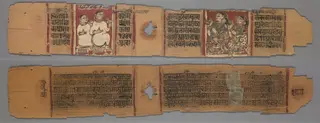 Folio 167, from a Kalpa-sutra and Story of Kalakacharya: two nuns teaching lay women (recto); genealogical text (verso)
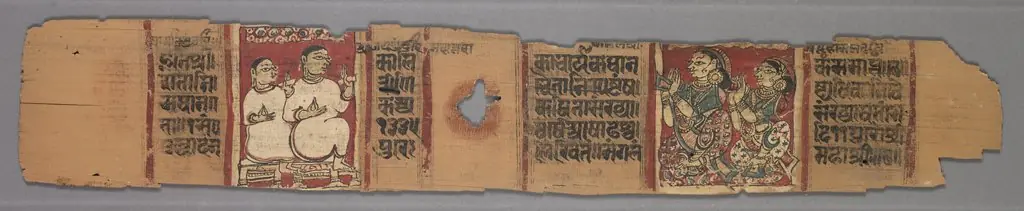 Genealogical text, folio 167 (verso) from a Kalpa-sutra and Story of Kalakacharya
 Two nuns teaching lay women, colophon page of folio 167 (recto) from a Kalpa-sutra and Story of Kalakacharya
 Folio (recto) from a Kalpa-sutra and Story of Kalakacharya of Devachandra: Text
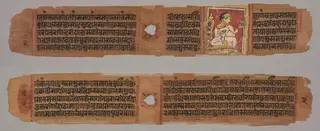 Folio 2, from a Kalpa-sutra and Story of Kalakacharya: Monk Holding a Flower (recto); text (verso)
 A Monk Preaching: Folio 2 (recto), from a Kalpa-sutra
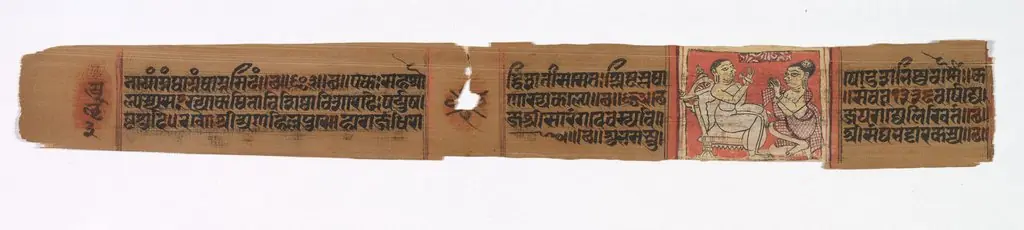 Leaf from a Jain Manuscript: Colophon page, Kalpa-sutra and The Story of Kalakacharya of Devachandra: Monk Teaching Lay Disciple
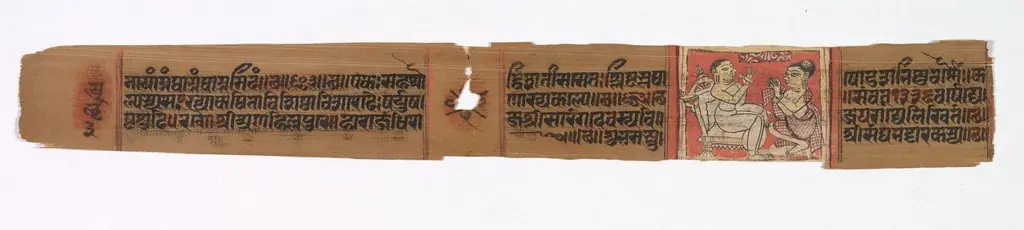 Leaf from a Jain Manuscript: Colophon page, Kalpa-sutra and The Story of Kalakacharya of Devachandra: Monk Teaching Lay Disciple (recto)
 Monk Holding a Flower: Folio 2 (recto), from a Kalpa-sutra and Story of Kalakacharya
 Folio 2 (verso), from a Kalpa-sutra and Story of Kalakacharya
 Folio 2 (verso), from a Kalpa-sutra and Story of Kalakacharya
 Leaf from a Jain Manuscript: Kalpa-sutra: Text (verso)
 Leaf from a Jain Manuscript: Kalpa-sutra: The Monk Gautama, Enthroned (recto)
 Leaf from a Jain Manuscript: Kalpa-sutra: Enthroned Monk (recto); Leaf from a Jain Manuscript: Kalpa-sutra: Text (verso)
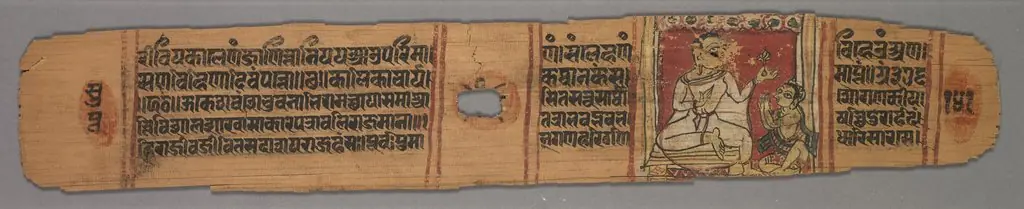 Leaf from a Jain Manuscript: The Story of Kalakacharya: Colophon Page, Text (recto)
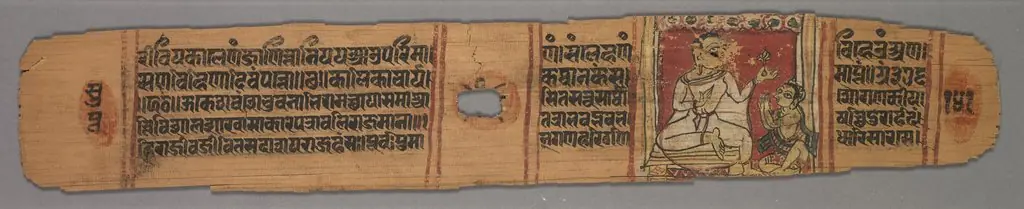 Jain Monk Holding a Flower Venerated by a Royal Follower, colophon page from a Story of the Religious Teacher Kalaka (Kalakacharya-katha, verso)
 Genealogical text, folio 167 (verso) from a Kalpa-sutra and Story of Kalakacharya
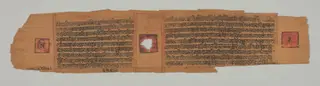 Text, folio 2 (verso) from a Parshvanatha Charitra (Life and Stories of Lord Parshva) of Bhavadeva-suri
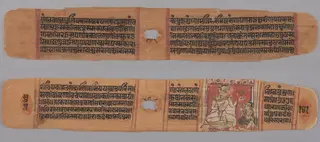 Folio 141, from a Kalpa-sutra and Story of Kalakacharya: Text (recto); Monk Holding a Flower Venerated by a Lay disciple (verso)