Artwork
Untitled
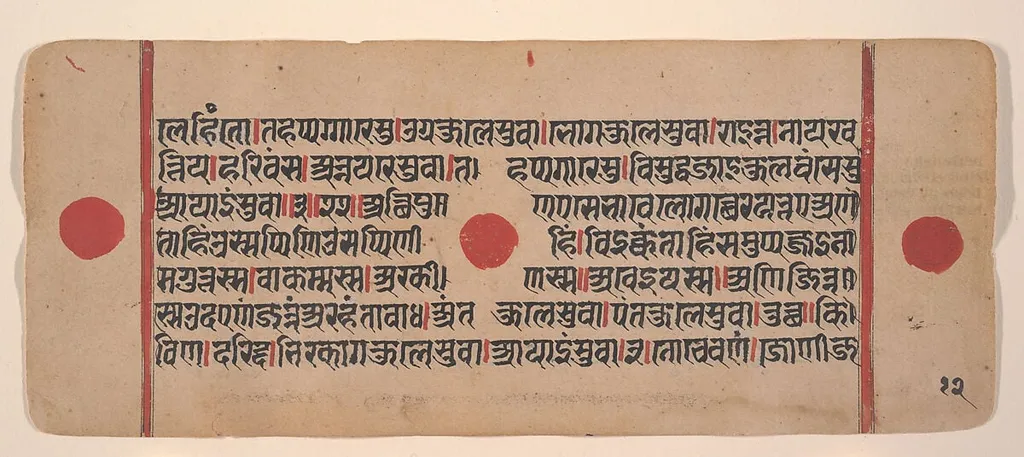
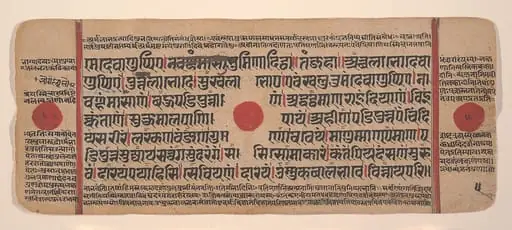
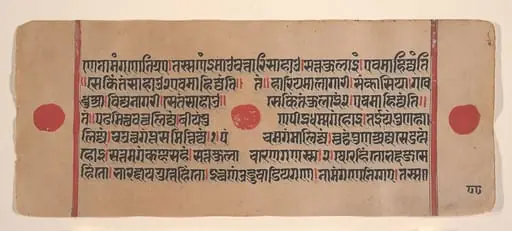
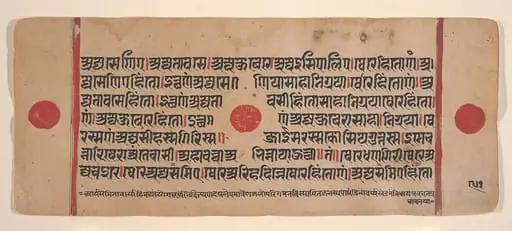
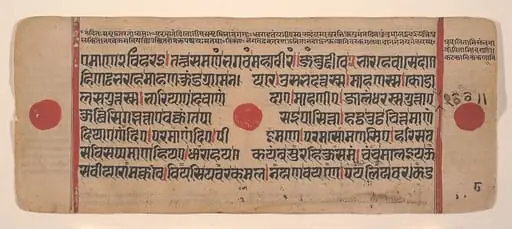
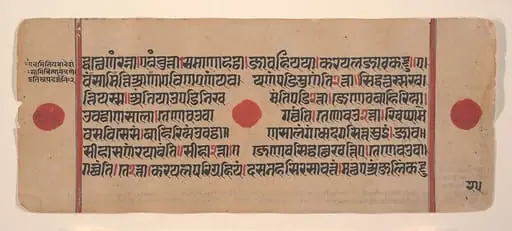
Untitled is a watercolor painting. It dates from 1449 and is held in the collection of the Metropolitan Museum of Art.
- Accession no.
- 55.121.38.51
- Credit line
- Rogers Fund, 1955
About this work
Technique & Style
The work is executed on a paper support using a combination of ink, opaque watercolor, and gold.
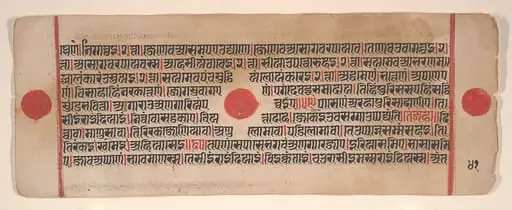
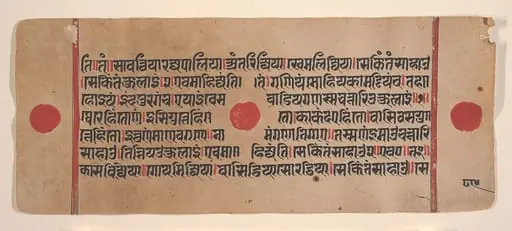
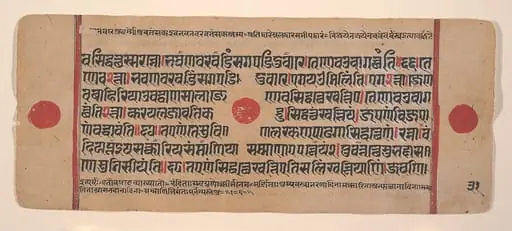
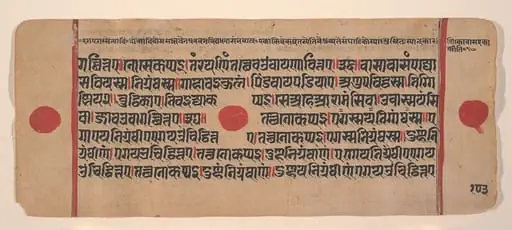
Created in 1449 in India, this anonymous religious painting depicts themes of Jainism. The work is executed on a paper support using a combination of ink, opaque watercolor, and gold. The piece measures 11.1 centimeters in height by 27 centimeters in width.
Classified as a painting within the religious genre, the application of gold alongside opaque pigments suggests a luminous surface quality typical of the period's devotional art. The specific handling of these materials on paper defines its formal character.
History & Provenance
The work is dated to 1449 and is attributed to an unknown artist working in India. The painting entered the collection of the Metropolitan Museum of Art, where it is currently held under the accession number 55.121.38.51. No information is provided regarding the commission of the work, its original patron, or its ownership chain prior to its acquisition by the museum.
Overview
This untitled painting, rendered with ink, opaque watercolor, and gold on paper, depicts a seated figure on an elaborate throne. The small, vibrant composition features a man in a white robe, centrally positioned on a red-and-gold seat. He is encircled by an array of flowers and diminutive attendant figures, characteristic of manuscript illumination.
Subject & Meaning
The central figure, enthroned amidst a lush floral setting and surrounded by small attendants, likely represents a revered spiritual leader or deity within the Jain tradition. The extensive use of gold leaf throughout the composition serves more than a decorative purpose; it visually emphasizes the sanctity and divine nature of the scene and its central subject, conveying reverence.
Context
Originating from Gujarat, India, this painting is a page from a Jain manuscript. Such works were integral to the religious and cultural life of the Jain community, serving to illustrate sacred texts and devotional narratives. Understanding its context within Jainism reveals its function as both an aesthetic object and a vehicle for spiritual instruction and contemplation.
Artist & collection