Artwork
Untitled
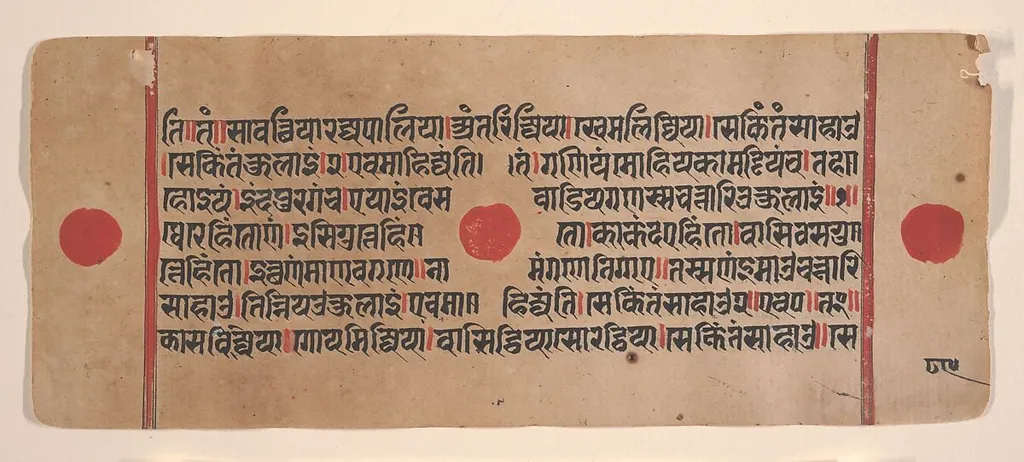
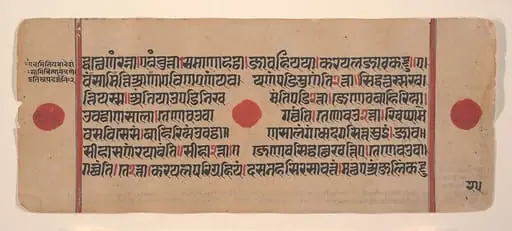
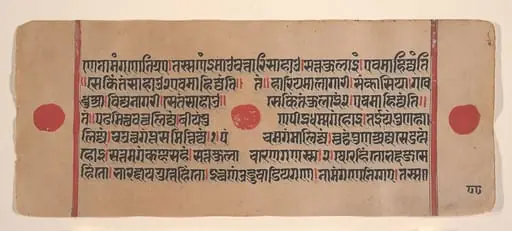
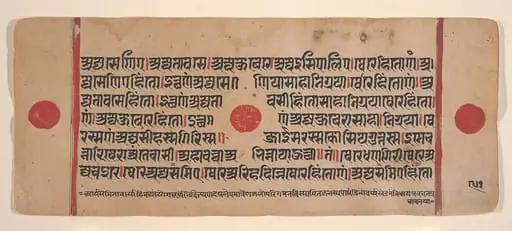
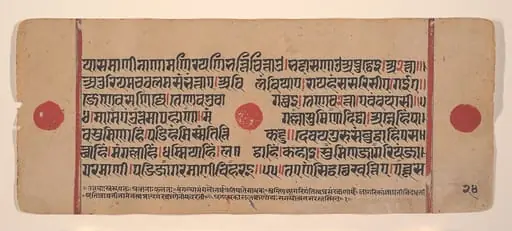
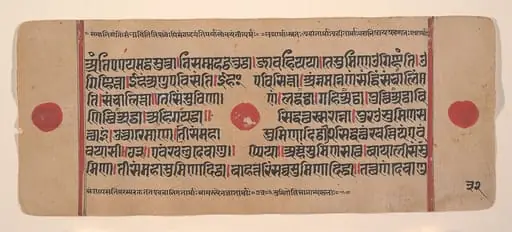
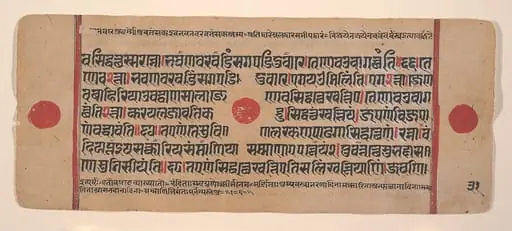
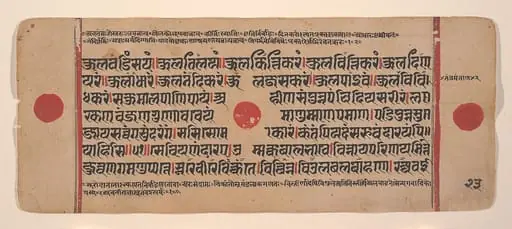
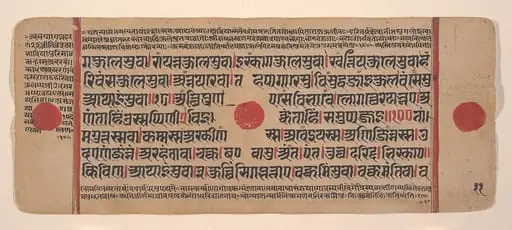
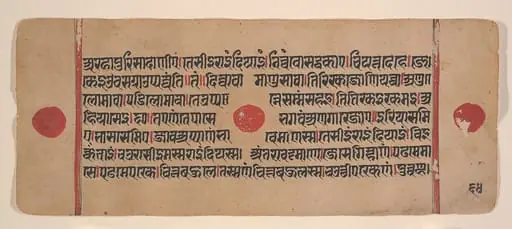
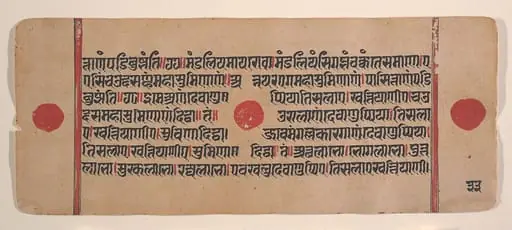
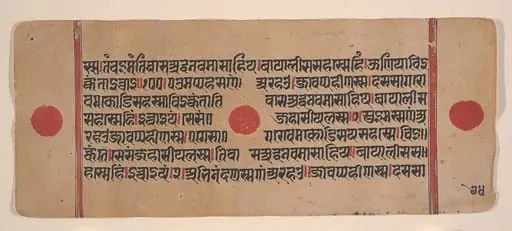
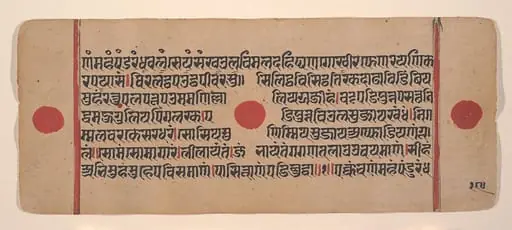
Untitled is a watercolor painting. It dates from 1449 and is held in the collection of the Metropolitan Museum of Art.
About this work
Subject & Meaning
The inclusion of gold and the specific medium suggest a devotional purpose, aligning with the genre of religious art typical of the period.
Created in 1449 in India, this anonymous work is a religious painting that depicts scenes from Jainism. Executed in ink, opaque watercolor, and gold on paper, the piece functions as an iconographic representation of Jain spiritual traditions. As a religious artwork, its primary meaning lies in illustrating the beliefs and narrative figures central to the Jain faith.
The inclusion of gold and the specific medium suggest a devotional purpose, aligning with the genre of religious art typical of the period. The work serves as a visual testament to Jainism, capturing the theological or narrative subjects valued by the tradition at the time of its inception in the mid-fifteenth century.
History & Provenance
The work was produced in India in 1449 by an anonymous painter who employed ink, opaque watercolor, and gold on paper to create a religious image associated with Jainism. Its medium and iconography are documented in the Metropolitan Museum of Art catalogue, which records the piece as part of the museum’s collection (MET 55.121.38.72). The painting remained in India until it entered the Met’s holdings, where it has been displayed as a representative example of early Indian religious art.
No specific commissioning patron is noted, and the attribution remains anonymous, reflecting the work’s creation within a regional artistic tradition rather than a documented patronage chain.
The work is held by the Metropolitan Museum of Art, where it forms part of the museum's collection. It is catalogued under the accession number MET 55.121.38.72, as indicated by the Wikidata record that identifies it as a painting by an anonymous painter bearing this inventory designation. The sources do not provide information regarding any prior ownership history or specific exhibition history for the work.
Overview
This untitled painting, executed with ink, opaque watercolor, and gold on paper, depicts a figure seated on a throne. Created in Gujarat, India, it was originally part of a Jain religious manuscript. The artwork's vibrant colors and luminous gold background contribute to its distinctive visual character, while symbolic elements convey deeper spiritual meaning, characteristic of its devotional purpose.
Technique & Style
The artist employed a combination of ink, opaque watercolor, and gold on paper. A notable feature is the flat gold leaf background, which imparts a radiant quality to the central figure. The vibrant hues were achieved through a glazing technique, involving the application of thin layers of paint. This method allowed for intense color saturation while minimizing visible brushstrokes, creating a smooth and refined surface.
Context
This painting originated in Gujarat, India, where it served as an illustration within a Jain religious manuscript. Such artworks played a crucial role in disseminating and preserving sacred texts and teachings. Its creation within this specific religious and regional context highlights the rich tradition of illuminated manuscripts in Western India, reflecting the patronage and artistic practices associated with Jainism.
Artist & collection