Artwork
Untitled
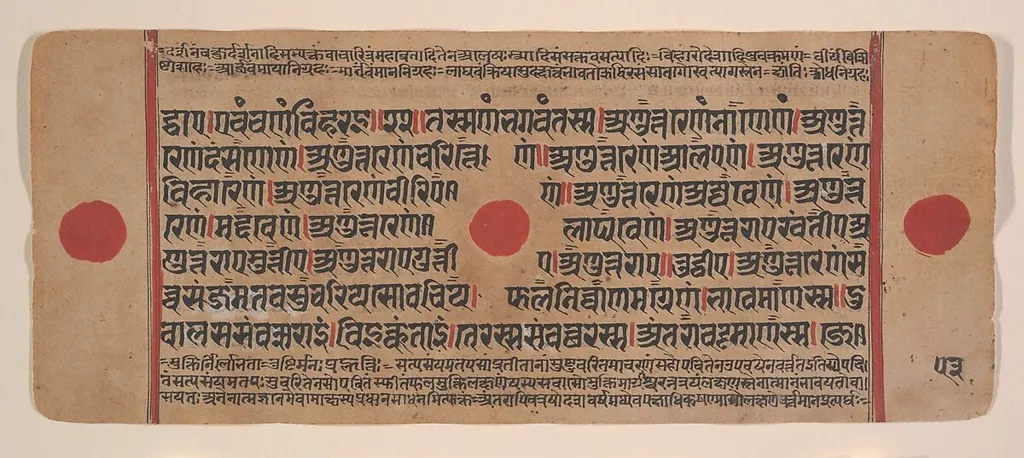
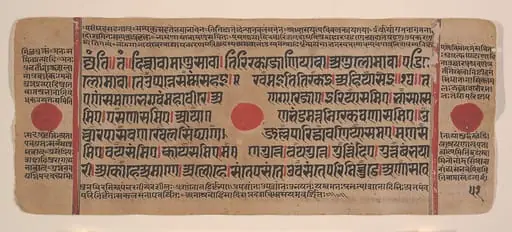
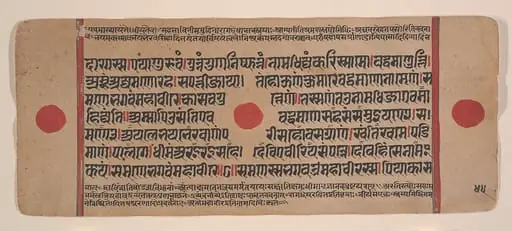
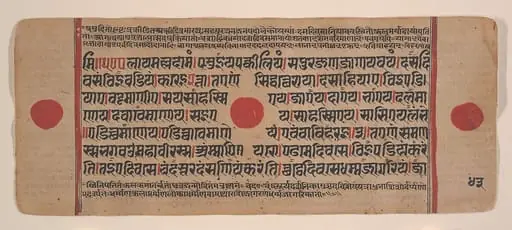
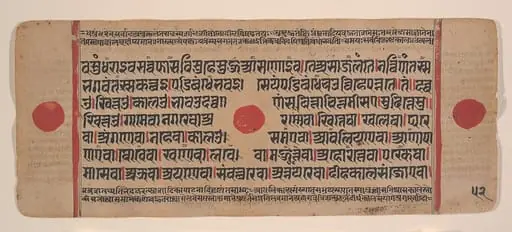
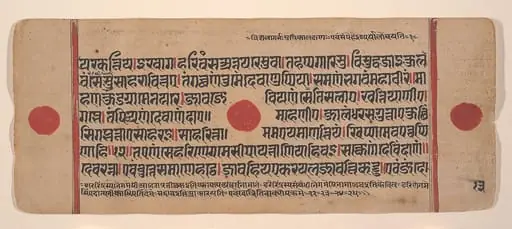
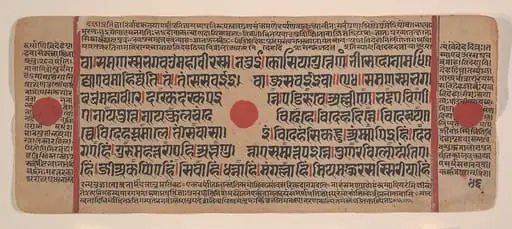
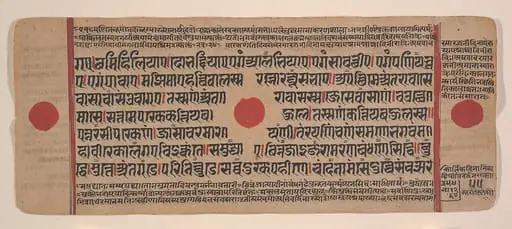
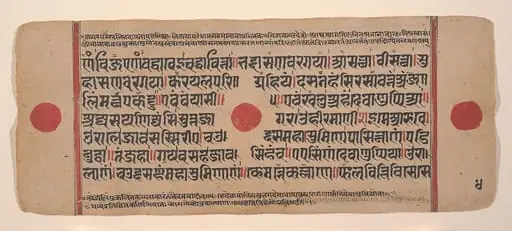
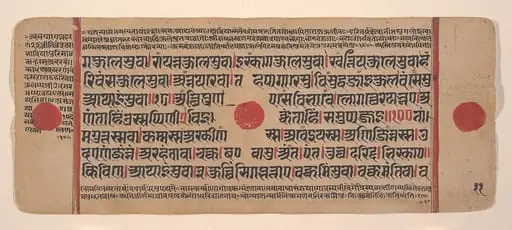
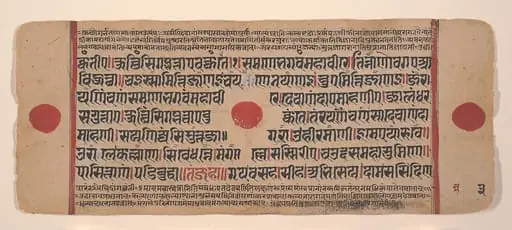
Untitled is a watercolor painting. It dates from 1449 and is held in the collection of the Metropolitan Museum of Art.
- Accession no.
- 55.121.38.96
- Credit line
- Rogers Fund, 1955
About this work
Subject & Meaning
The anonymous artist employed these materials to convey the work's devotional significance within the context of 15th-century Indian religious expression.
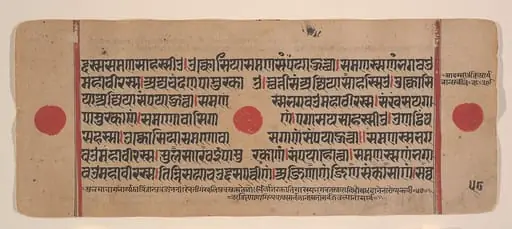
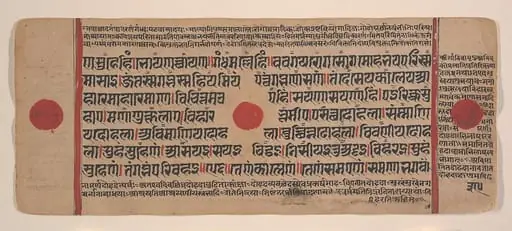
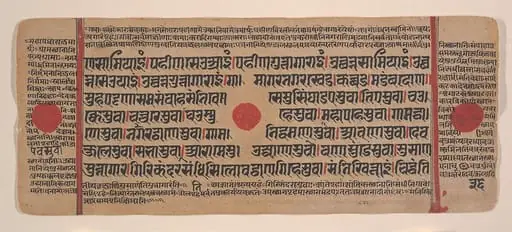
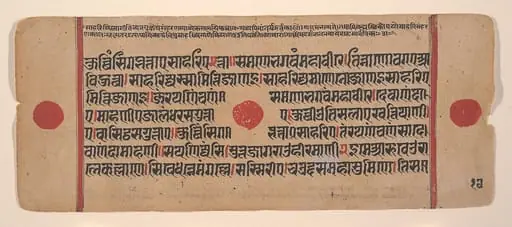
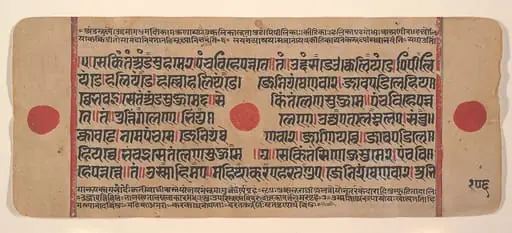
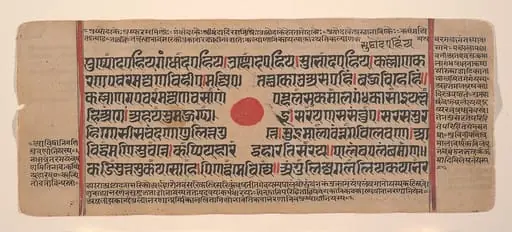
The work is a religious painting from 1449 that depicts the Jainism faith. Created in India, the piece utilizes ink, opaque watercolor, and gold on paper to illustrate themes central to this religious tradition. As a genre of religious art, the imagery serves to represent the spiritual concepts and iconography associated with Jainism, though the specific narrative scene remains unidentified in available records.
The anonymous artist employed these materials to convey the work's devotional significance within the context of 15th-century Indian religious expression.
Technique & Style
Created in 1449 in India, this anonymous work is executed on a paper support using ink, opaque watercolor, and gold. The artist employed these materials to render a religious scene depicting Jainism, characteristic of the genre's visual traditions during this period. The painting measures 11.1 cm in height and 27 cm in width, forming a horizontal rectangular format.
While the specific handling techniques are not detailed in the records, the combination of opaque watercolor with gold suggests a deliberate approach to creating luminous effects typical of devotional imagery. The work remains part of the Metropolitan Museum of Art's collection.
History & Provenance
Untitled, a 1449 ink, opaque watercolor, and gold on paper painting depicting Jainism, is held in the collection of the Metropolitan Museum of Art in New York. The work is listed as part of the museum's holdings, but no accession number is specified in the available records. The sources do not document any exhibition history for this piece.
Overview
This untitled painting, rendered with ink, opaque watercolor, and gold on paper, originates from a Jain manuscript created in Gujarat, India. It portrays a woman in a red sari seated on a low stool, holding a book with gilded pages. Small white dots appear to float around her, set against a flat background of gold leaf, which gives the central figure a distinct, almost cut-out quality.
Context
This artwork was originally part of a Jain manuscript from Gujarat, India. The principles of Jainism, particularly its emphasis on non-violence and meticulous conduct, guided the artistic production, necessitating extreme care and dedication from the painters. The deliberate incorporation of valuable materials, such as gold leaf, was not merely decorative but a symbolic gesture, conveying profound respect for the holy words contained within the manuscript.
Artist & collection