Artwork
Untitled
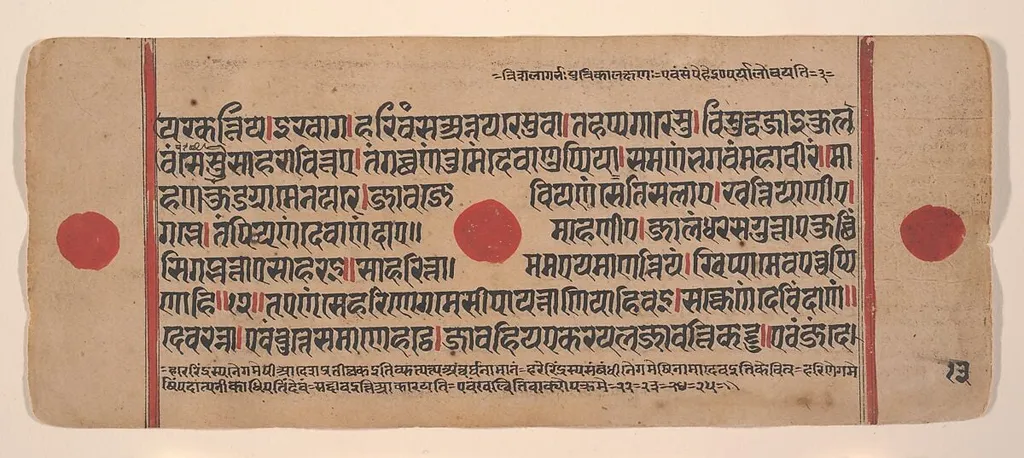
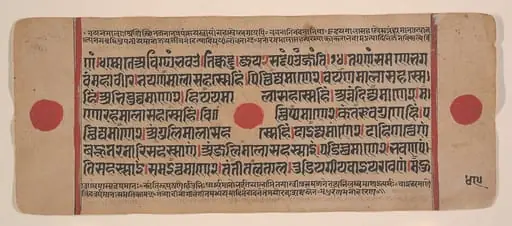
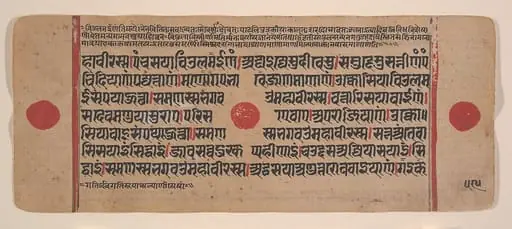
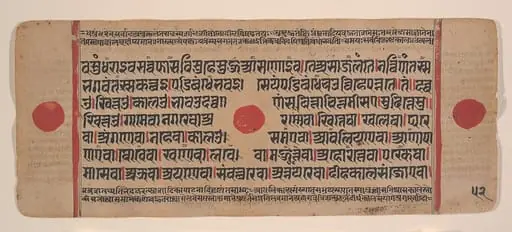
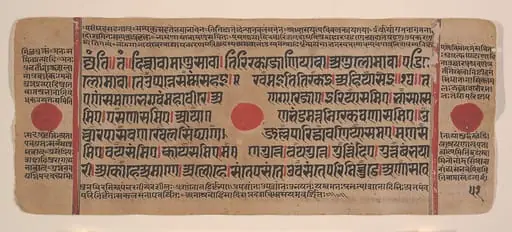
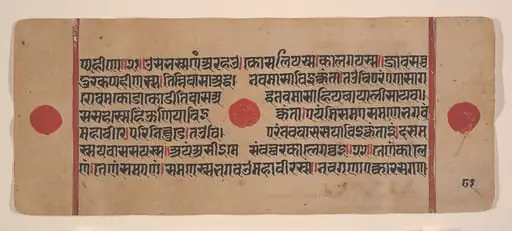
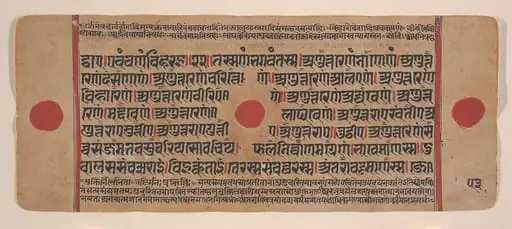
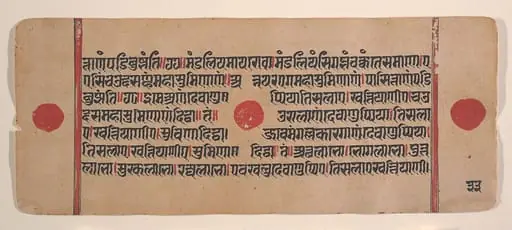
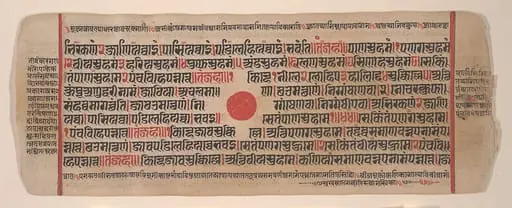
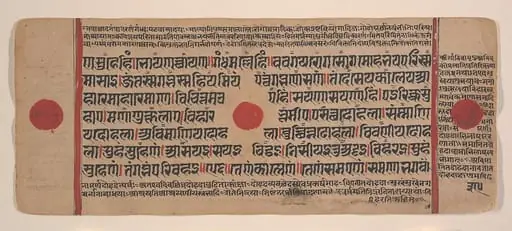
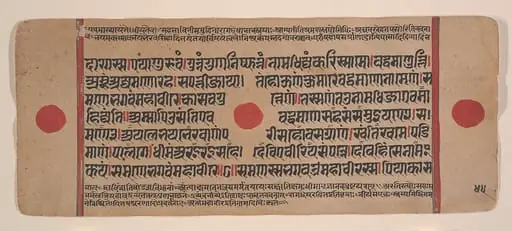
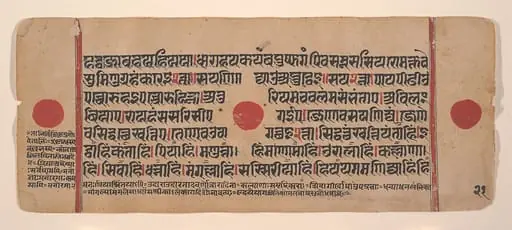
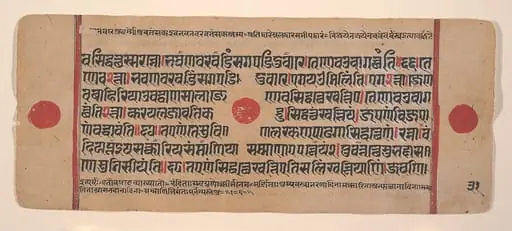
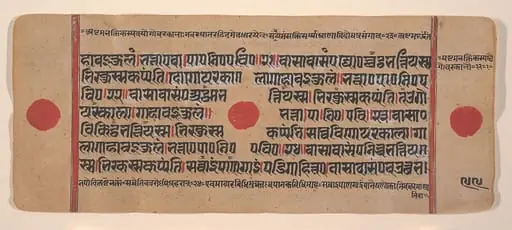
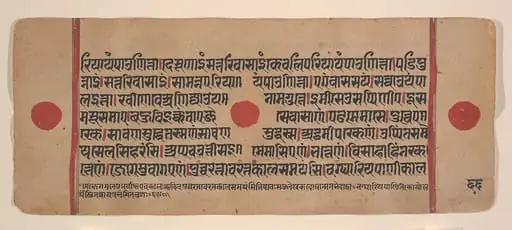
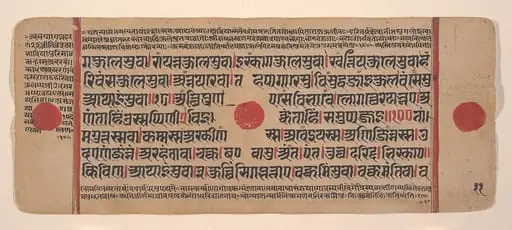
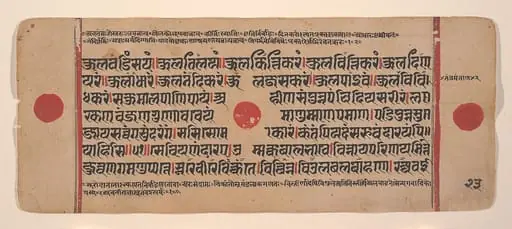
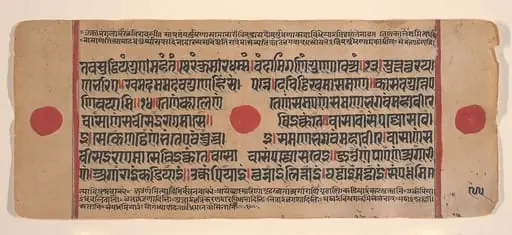
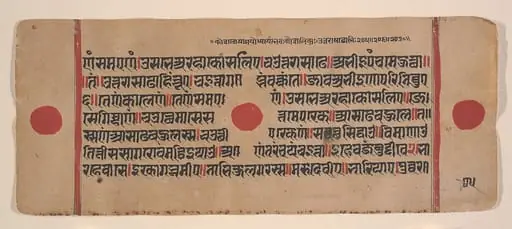
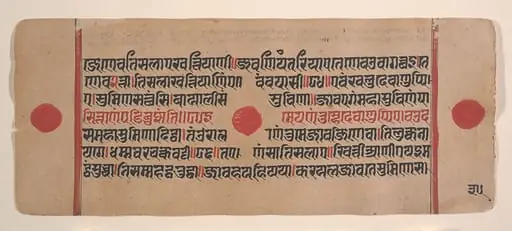
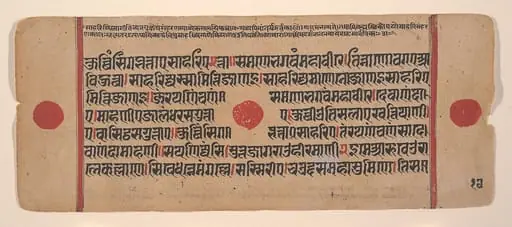
Untitled is a watercolor painting. It dates from 1449 and is held in the collection of the Metropolitan Museum of Art.
About this work
Subject & Meaning
The use of ink, opaque watercolor, and gold on paper aligns with materials often employed for sacred manuscripts and devotional images in this context.
Created in 1449 by an anonymous Indian artist, this work functions as a piece of religious art within the Jain tradition. While the specific narrative scene or individual figures are not detailed in the available records, the piece is explicitly categorized by its depiction of Jainism. The use of ink, opaque watercolor, and gold on paper aligns with materials often employed for sacred manuscripts and devotional images in this context.
As a religious object, the painting serves to represent Jain spiritual themes, though the precise iconographic elements or symbolic meanings beyond its general religious classification remain unspecified in the provided documentation.
Technique & Style
Executed in ink and opaque watercolor with gold on paper, this 1449 work employs a traditional South Asian manuscript painting technique. The combination of metallic gold pigment with opaque watercolor and fine ink linework is characteristic of devotional Jain painting practices of the period. The small-scale support measures 11.1 by 27 centimetres, a horizontal format suited to a folio or leaf from a dispersed manuscript series.
Its religious function is reflected in the careful, miniaturist handling of pigment and gilding typical of Jain devotional imagery produced in India during the mid-fifteenth century. The work is held in the Metropolitan Museum of Art collection.
History & Provenance
Created in 1449 in India, this anonymous religious painting depicts themes from Jainism. Executed in ink, opaque watercolor, and gold on paper, the work measures 11.1 by 27 centimetres. The piece is currently held in the collection of the Metropolitan Museum of Art, where it is catalogued under the accession number 55.121.38.50.
The specific circumstances of its commission and its ownership history prior to entering the museum are not detailed in the available records.
Overview
This untitled painting, rendered in ink, opaque watercolor, and gold on paper, originates from a Jain manuscript created in Gujarat, India. It depicts a woman seated on an elaborate gold throne, adorned in a red sari and holding both a book and a flower. The figure is set against a luminous, flat gold background, with small white dots suggesting either celestial bodies or falling snow.
Context
This painting is an example of the rich artistic tradition found within Jain manuscripts from Gujarat, India. These illuminated texts served as important vehicles for disseminating and preserving the teachings of Jainism, a religion emphasizing non-violence and disciplined living. The meticulous craftsmanship and precious materials, such as gold, underscore the profound spiritual value attributed to these sacred works.
Artist & collection