Artwork
Untitled
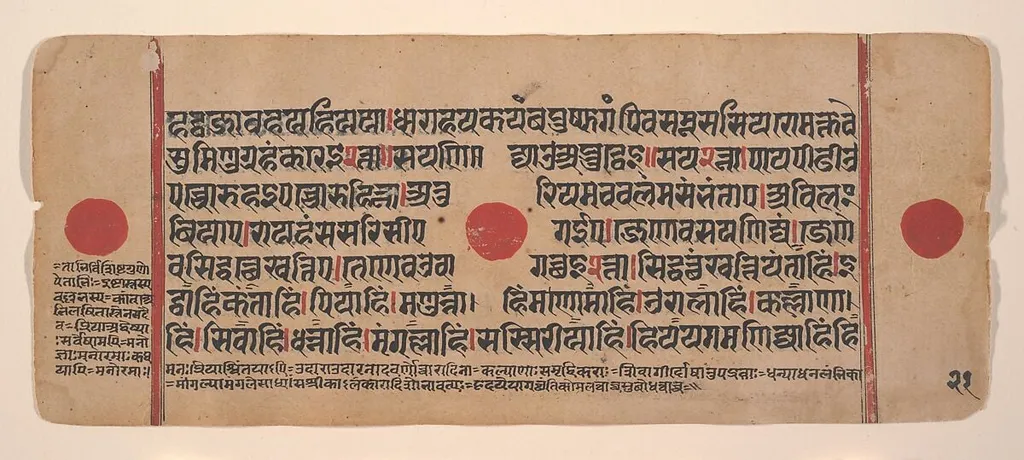
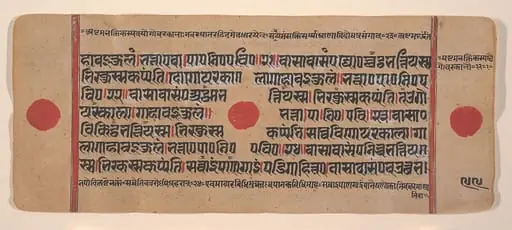
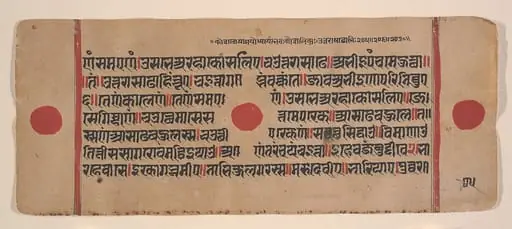
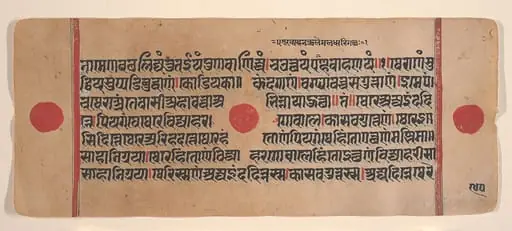
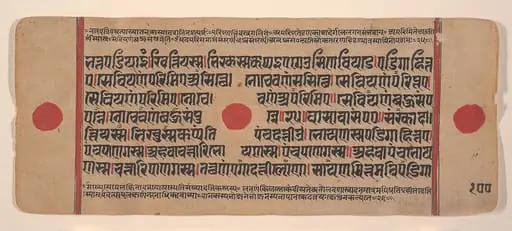
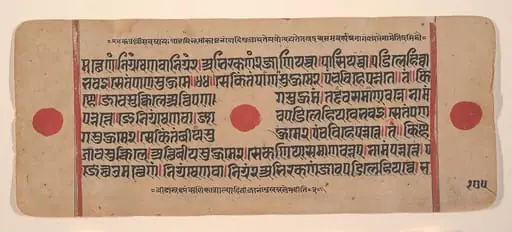
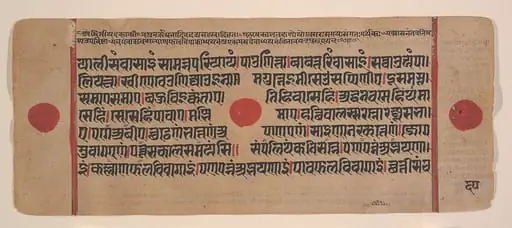
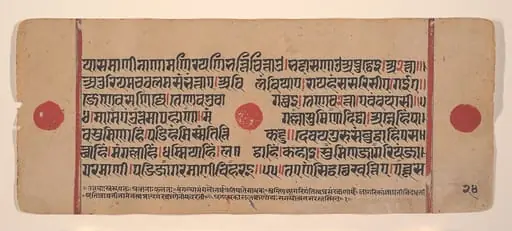
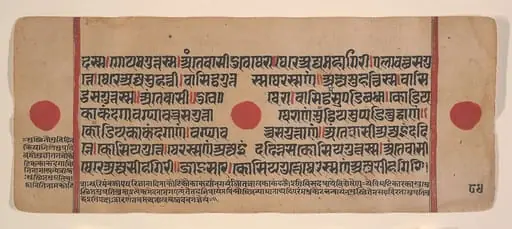
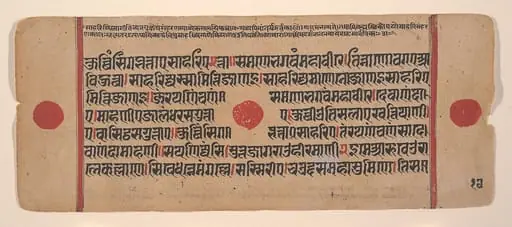
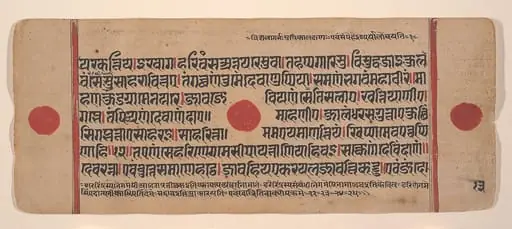
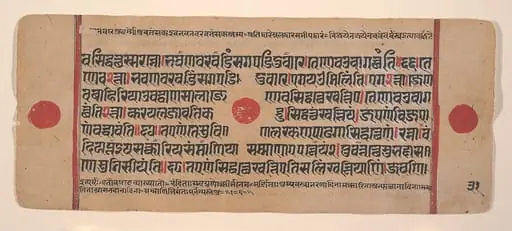
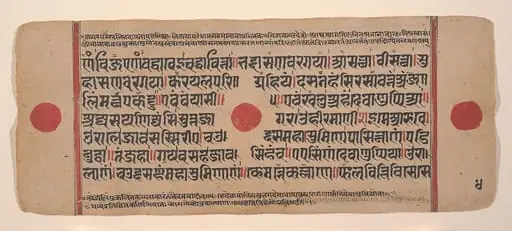
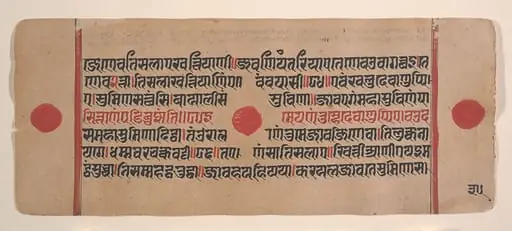
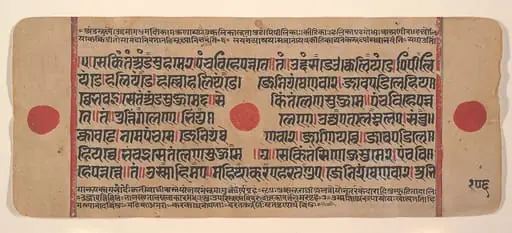
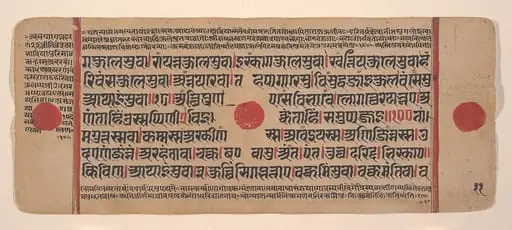
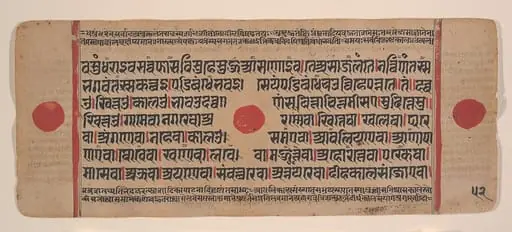
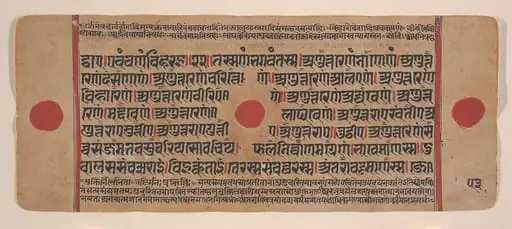
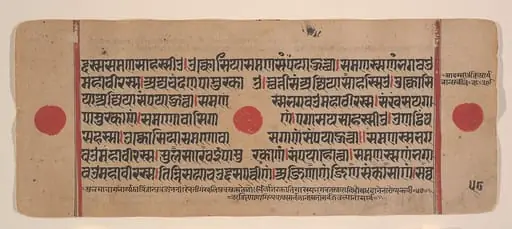
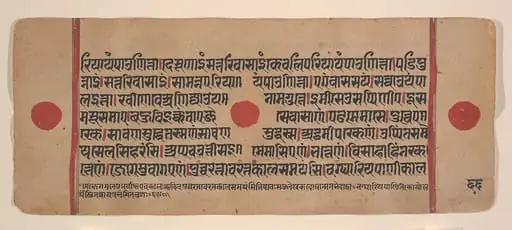
Untitled is a watercolor painting. It dates from 1449 and is held in the collection of the Metropolitan Museum of Art.
About this work
Subject & Meaning
While specific narrative scenes or individual tirthankaras are not detailed in the available records, the classification as religious art confirms its function.
The work is a religious painting from 1449 created in India, depicting themes central to Jainism. Executed in ink, opaque watercolor, and gold on paper by an anonymous artist, it functions as a devotional image illustrating Jain spiritual principles. While specific narrative scenes or individual tirthankaras are not detailed in the available records, the classification as religious art confirms its function.
The use of gold alongside ink and watercolor reflects the ceremonial character of Jain manuscript illumination in 15th-century India.
Technique & Style
The work is a small-scale painting on paper, measuring roughly 11 by 27 cm, created in India around 1449. It is executed in ink with opaque watercolor washes and applications of gold, a technique typical of Jain manuscript illumination. The piece belongs to the religious painting genre, depicting Jain subject matter.
Its formal qualities include a restrained palette, delicate line work, and a composition emphasizing symbolic motifs over naturalistic detail. Its condition is not documented in the available records, and it is presently housed in the Metropolitan Museum of Art.
History & Provenance
Created in 1449 in India, this anonymous religious painting depicts Jain subject matter and is executed in ink, opaque watercolor, and gold on paper. It measures 11.1 cm in height and 27 cm in width. The patron and the artist's identity remain unknown.
The work is held in the Metropolitan Museum of Art under accession number 55.121.38.45. No specific exhibition history or earlier provenance is recorded in the available sources.
Overview
This untitled painting, rendered with ink, opaque watercolor, and gold on paper, originates from a Jain manuscript created in Gujarat, India. It depicts a central female figure seated on a golden throne, holding a lotus, surrounded by smaller kneeling figures. The background is distinguished by its shimmering gold leaf, characteristic of manuscript illumination from the region.
Context
This painting is an integral component of a Jain manuscript, a type of religious text produced in the Gujarat region of India. Such manuscripts were vital for preserving and disseminating Jain teachings and narratives. The artwork's visual language and symbolic elements are deeply rooted in Jain philosophy and iconography, offering insight into the spiritual and artistic practices of the era.
Artist & collection