Artwork
Untitled
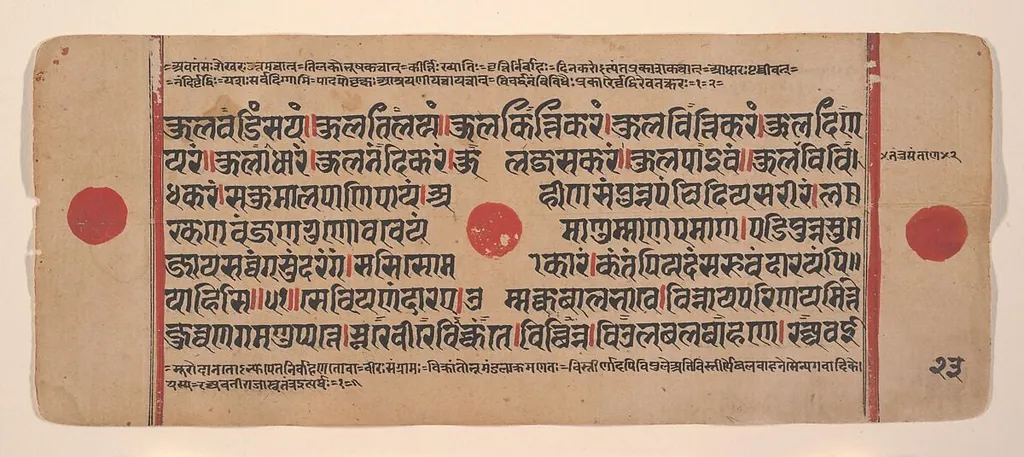
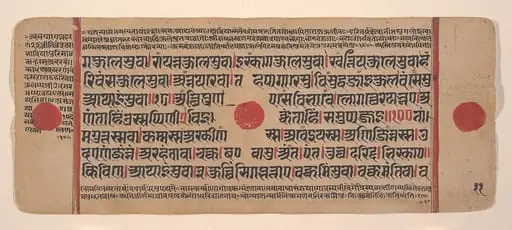
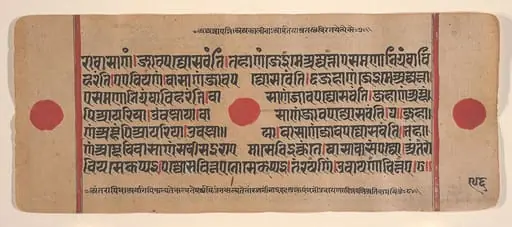
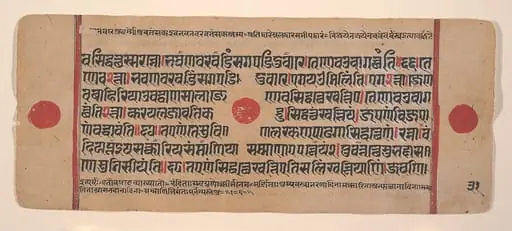
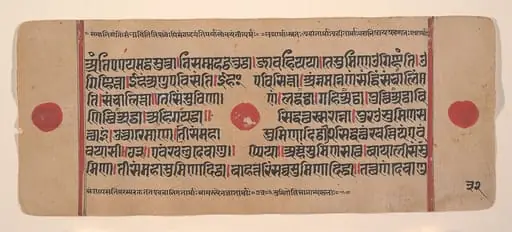
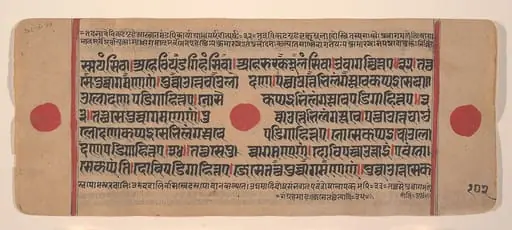
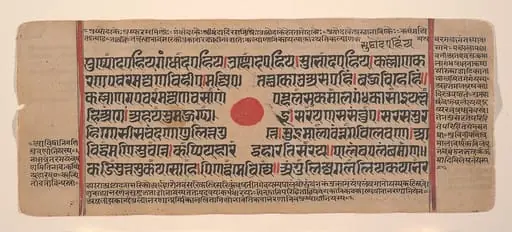
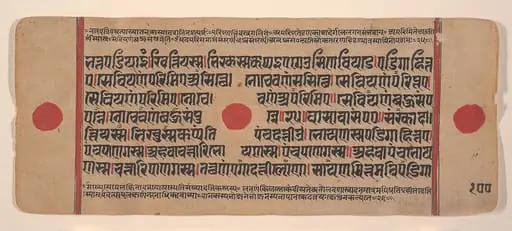
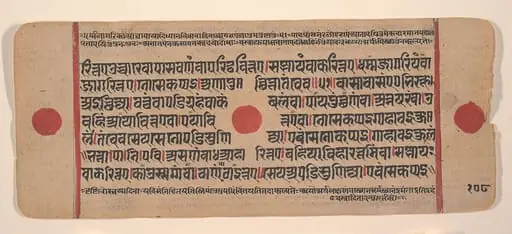
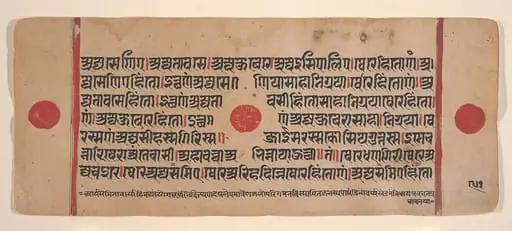
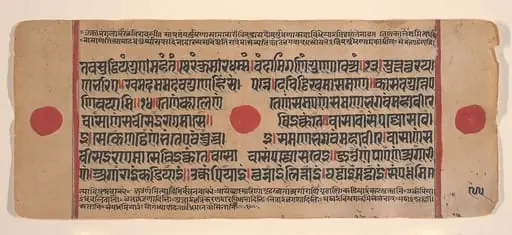
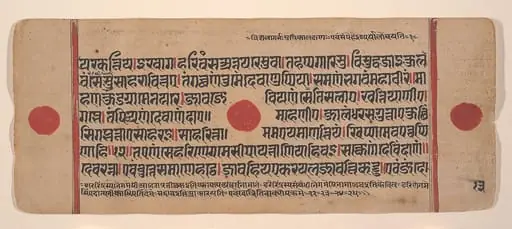
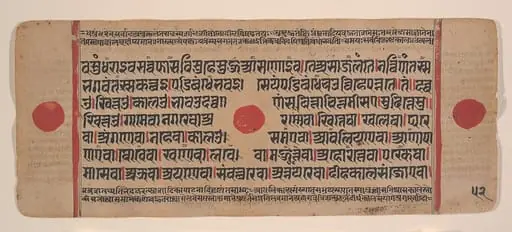
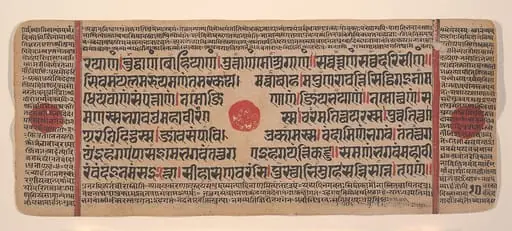
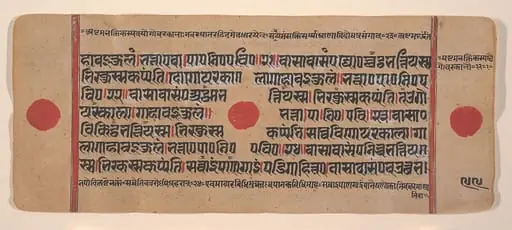
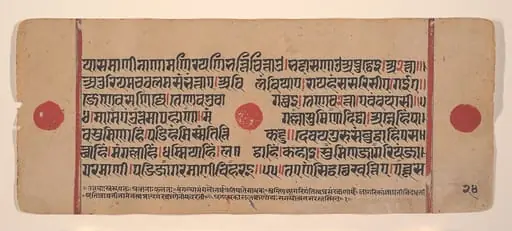
Untitled is a watercolor painting. It dates from 1449 and is held in the collection of the Metropolitan Museum of Art.
About this work
Subject & Meaning
The inclusion of gold and the specific medium choices reflect the devotional nature typical of the genre, intended to honor the faith's principles.
Created in 1449 in India, this anonymous painting employs ink, opaque watercolor, and gold on paper to depict scenes from Jainism. As a work of religious art, the piece functions as a visual representation of Jain spiritual traditions and iconography. The inclusion of gold and the specific medium choices reflect the devotional nature typical of the genre, intended to honor the faith's principles.
While the artist remains unidentified, the work's classification within religious painting underscores its primary purpose: to illustrate and communicate core tenets of the Jain religion rather than to depict secular narratives or individual portraits.
Technique & Style
Created in 1449 in India, this religious painting depicting Jainism uses ink and opaque watercolor enhanced with gold leaf applied to a paper support. The work measures 11.1 cm in height by 27 cm in width. As an example of Indian religious art from the mid-15th century, the piece combines linear ink work with flat areas of opaque color and metallic decoration, characteristic of manuscript illumination from the region. The specific application of gold alongside water-based pigments on paper defines its material composition and visual texture.
History & Provenance
Created in India in 1449, this religious painting depicts themes from Jainism, executed using ink, opaque watercolor, and gold on paper. The specific commissioner and the identity of the artist remain unknown; the piece is classified as a painting by an anonymous maker. The artwork resides in the collection of the Metropolitan Museum of Art, where it is cataloged under the accession number 55.121.38.43.
No further details regarding its ownership history prior to entering the museum's collection, or any exhibition history, are provided in the available records.
Context
The work, an anonymous Indian painting dated 1449, exemplifies early religious art within the Jain tradition and is housed in the Metropolitan Museum of Art. Its depiction of Jainism, rendered in ink, opaque watercolor, and gold on paper, situates it among the earliest surviving painted manuscripts from the period. Scholars note its significance as a rare example of devotional imagery that predates more widely studied courtly styles, highlighting the spread of Jain iconography in regional artistic circles.
The piece’s technical use of gold leaf and its compositional balance reflect contemporary devotional practices, marking it as an important artifact for understanding the visual culture of 15th‑century Indian spirituality.
Overview
This untitled painting, rendered with ink, opaque watercolor, and gold on paper, portrays a central female figure. She is seated on a golden throne, holding a book and a flower, with tiny figures kneeling at her feet. The background shimmers with gold leaf, suggesting a sacred context for this work, which originates from a Jain manuscript in Gujarat, India.
Artist & collection