Artwork
Untitled
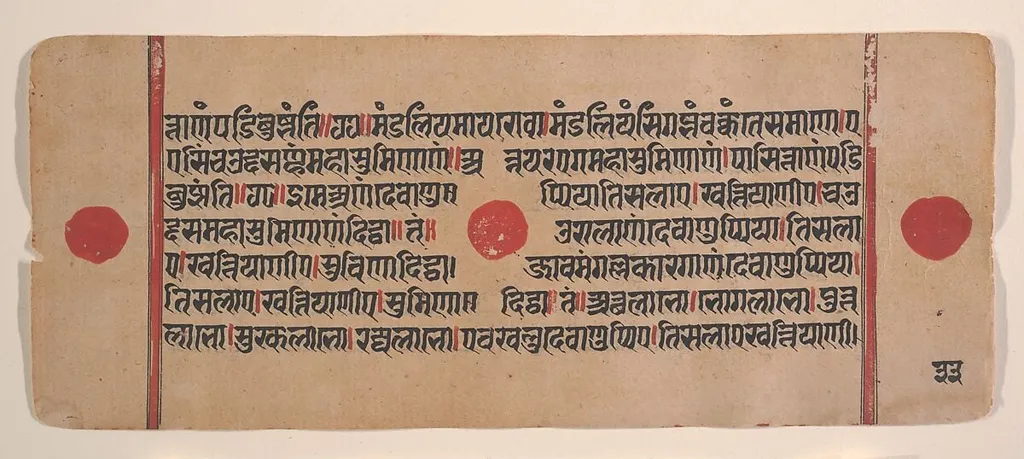
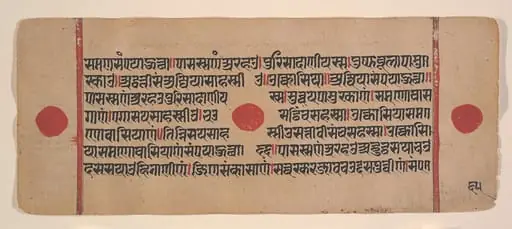
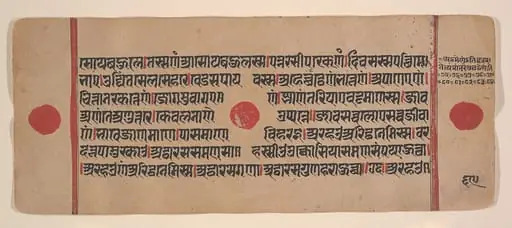
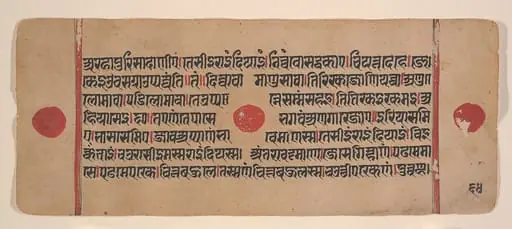
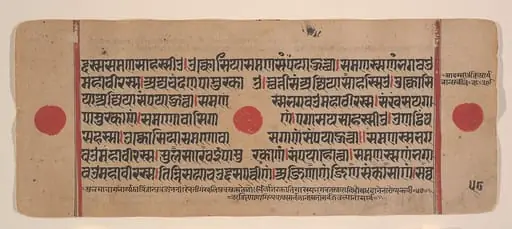
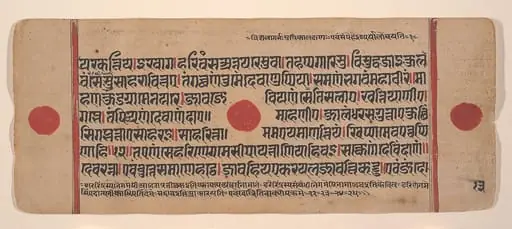
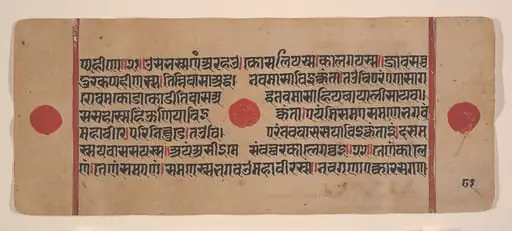
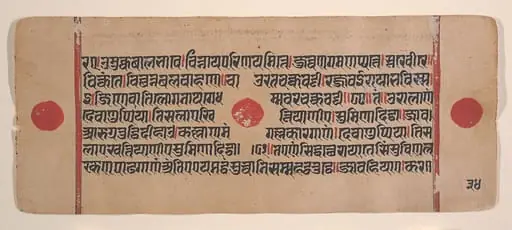
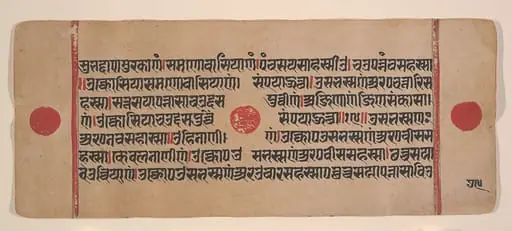
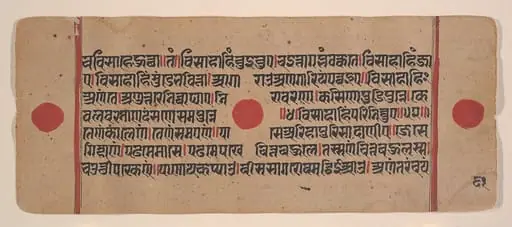
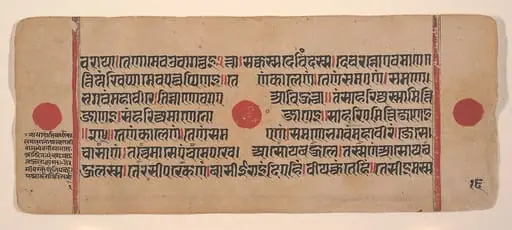
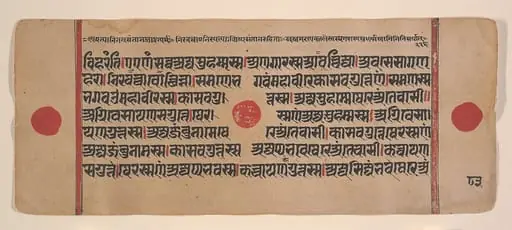
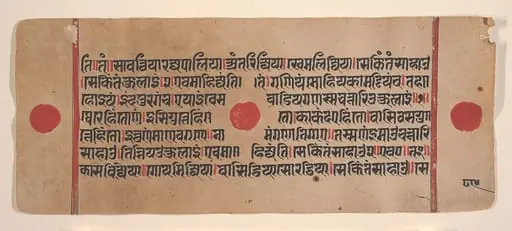
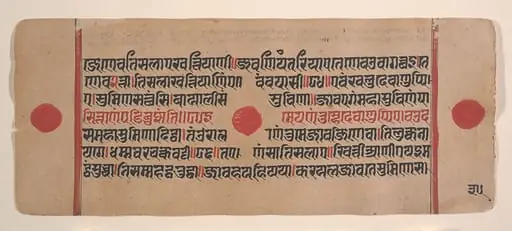
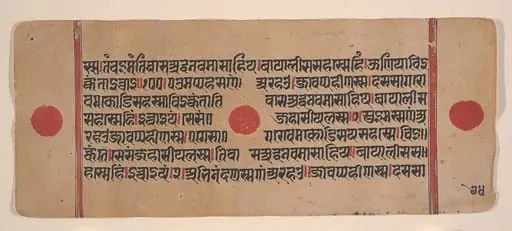
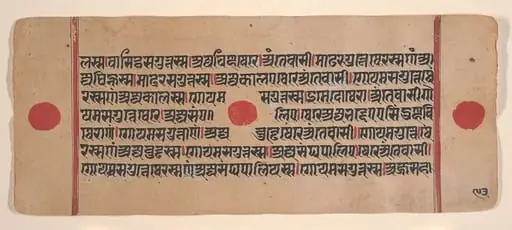
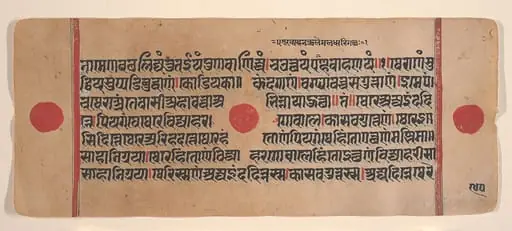
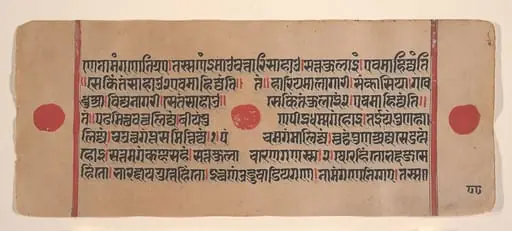
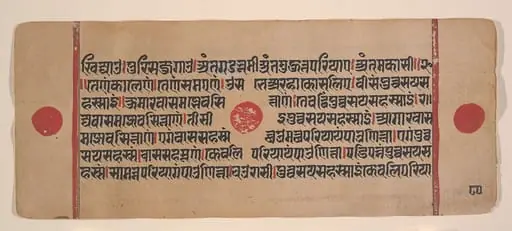
Untitled is a watercolor painting. It dates from 1449 and is held in the collection of the Metropolitan Museum of Art.
About this work
Subject & Meaning
The composition thus conveys Jain theological themes, using traditional visual elements to represent core Jain concepts of asceticism and salvation.
The painting, dated 1449 and executed in ink, opaque watercolor and gold on paper, portrays a Jain religious scene, situating its subject within the Jain tradition. Its iconography aligns with Jain devotional imagery, reflecting the spiritual narratives and symbolic motifs characteristic of Jain art. The work, attributed to an anonymous painter, was created in India and now resides in the Metropolitan Museum of Art, where it is catalogued as a piece of religious art.
The composition thus conveys Jain theological themes, using traditional visual elements to represent core Jain concepts of asceticism and salvation.
Technique & Style
The work is a vertical Jain manuscript painting executed in 1449 using ink and opaque watercolor heightened with gold on paper. Its support is paper, cut to a height of 11.1 cm and width of 27 cm. The handling combines fine ink outlines with graded washes of color, while gold is selectively applied to highlight sacred details such as halos and decorative elements. Stylistically, the composition exhibits the period’s characteristic Jain emphasis on hierarchical figuration and decorative patterning, with figures arranged in registers and rendered with delicate linear precision.
History & Provenance
The work entered the collection of the Metropolitan Museum of Art with no recorded prior provenance, and its commissioning and early ownership remain unattested. The museum’s records date the painting to 1449 on stylistic and material grounds, aligning with the mid-fifteenth-century Indian Jain manuscript tradition. No patron or scribal lineage is preserved in the accession file, and the anonymous painter’s workshop is identified only by the shared Jain iconography and materials (ink, opaque watercolor, and gold) consistent with Gujarati manuscript practice of the period.
The work, dated to 1449, is held in the collection of the Metropolitan Museum of Art. While the specific accession number is not provided in the available records, the museum classifies the piece as a painting depicting Jain religious themes. The artwork was created in India using ink, opaque watercolor, and gold on paper.
No specific exhibition history is detailed in the provided sources, though the work is cataloged within the museum's holdings as a religious painting by an anonymous artist. The dimensions are recorded as 11.1 centimeters in height and 27 centimeters in width.
Context
The untitled painting, dated 1449 and executed in ink, opaque watercolor and gold on paper, portrays Jain religious themes and is classified as a work of religious art. It was produced in India by an anonymous painter and entered the collection of the Metropolitan Museum of Art, where it remains on display. Scholars note its significance as an early example of Jain manuscript illumination and place it within the broader tradition of Indian devotional painting of the fifteenth century.
The attribution to an unnamed artist reflects the common practice of anonymous production in religious visual culture of the period.
Overview
This untitled painting, rendered with ink, opaque watercolor, and gold on paper, depicts a prominent female figure positioned on a gold throne. Originating from a Jain manuscript in Gujarat, India, the artwork exemplifies the distinctive artistic conventions of its tradition. Its vibrant palette and extensive use of gold underscore its sacred context, reflecting Jain principles that prioritize spiritual focus over worldly representation.
Artist & collection