Artwork
Untitled
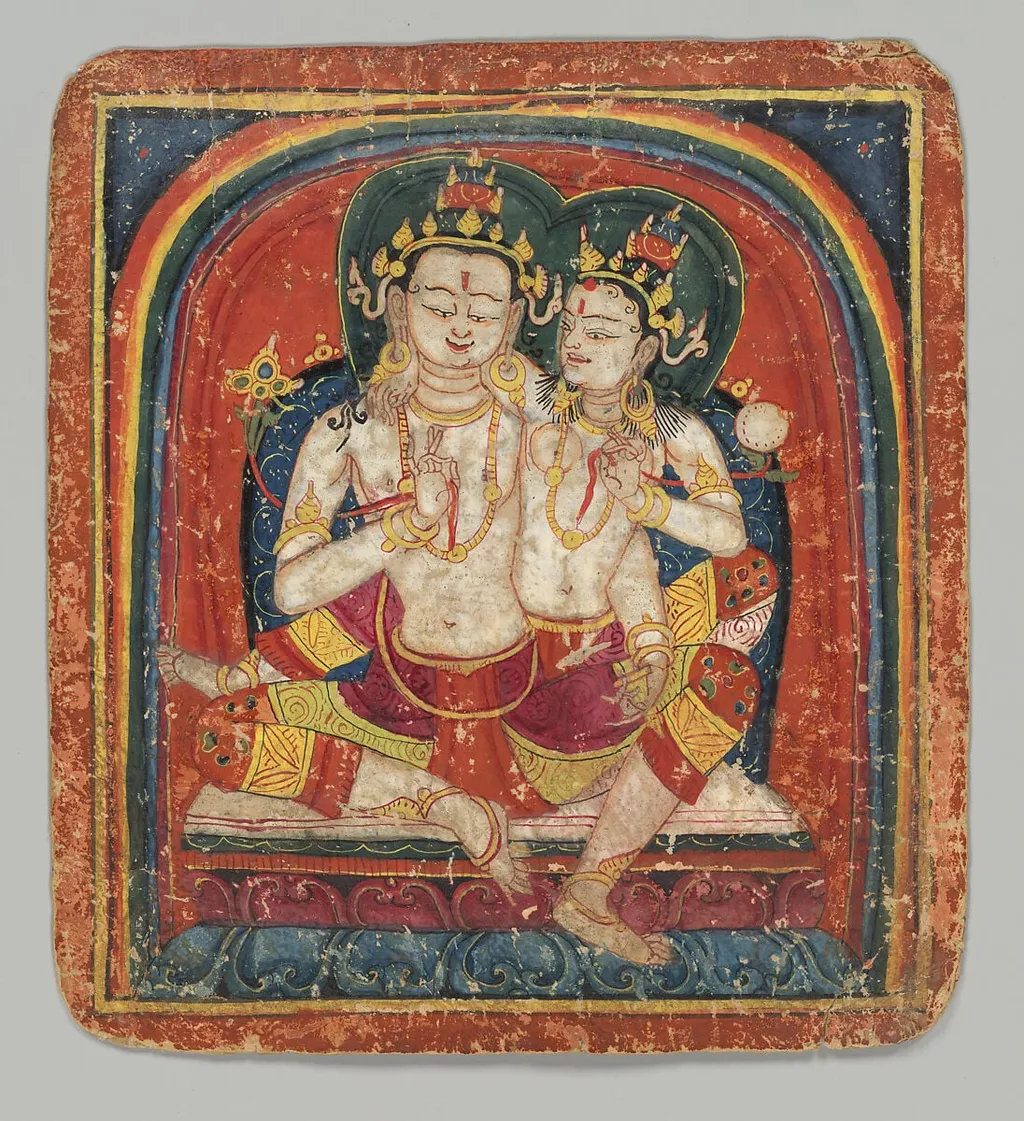
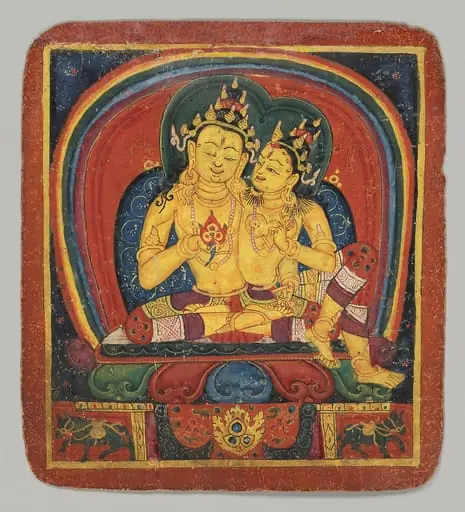
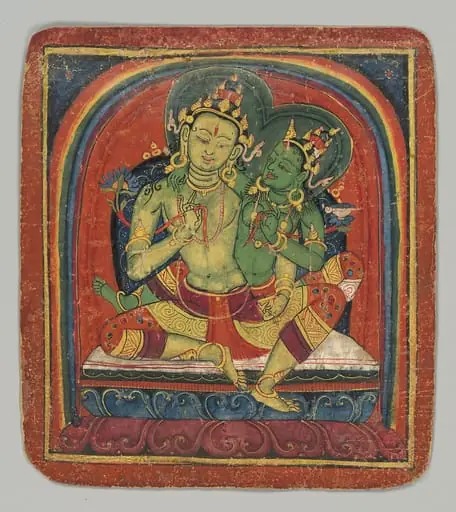
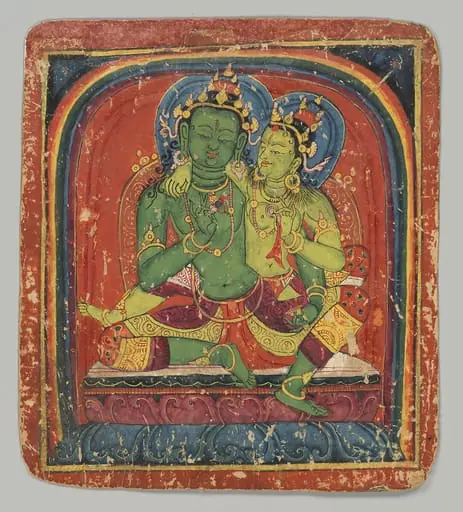
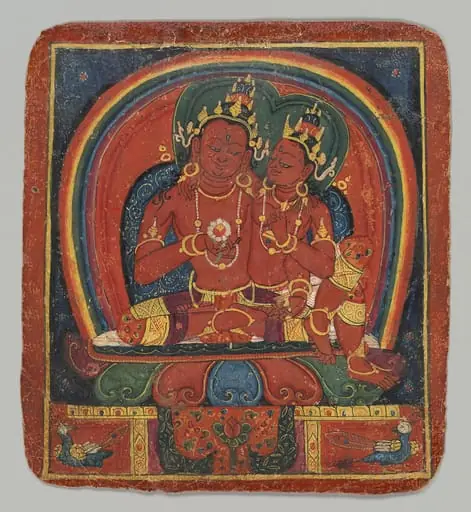
Untitled is a watercolor painting. It dates from 1416 and is held in the collection of the Metropolitan Museum of Art.
About this work
Subject & Meaning
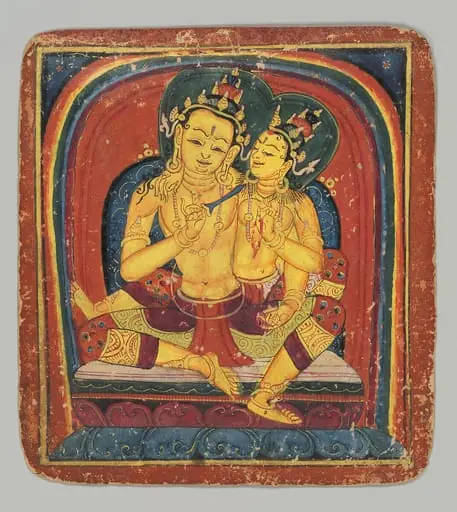
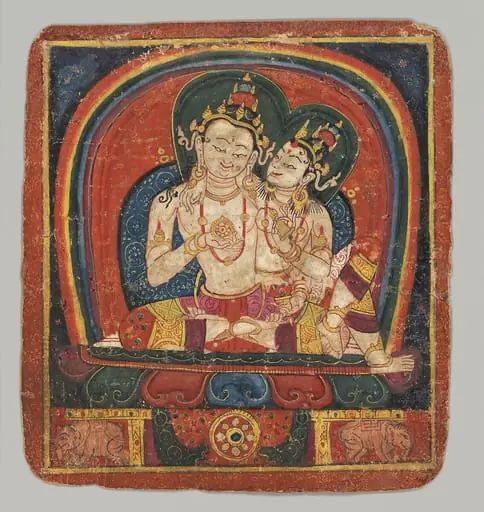
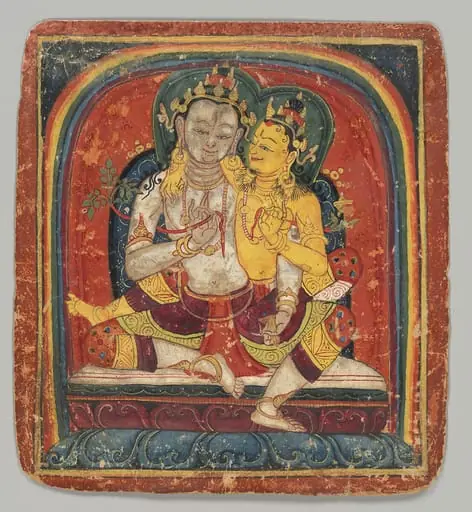
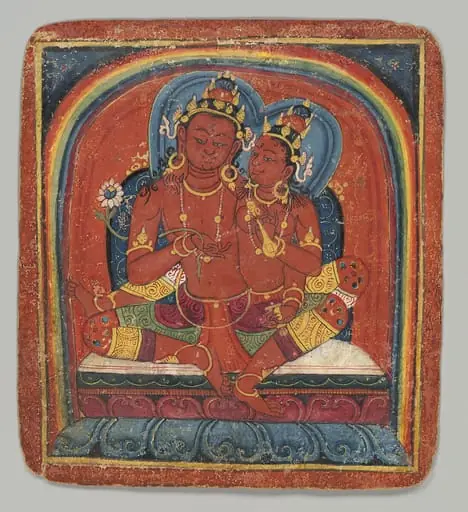
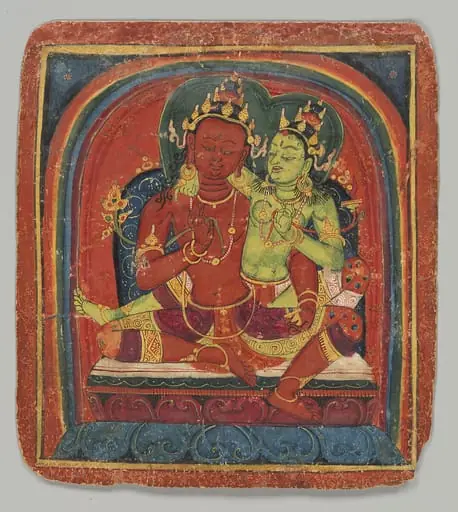
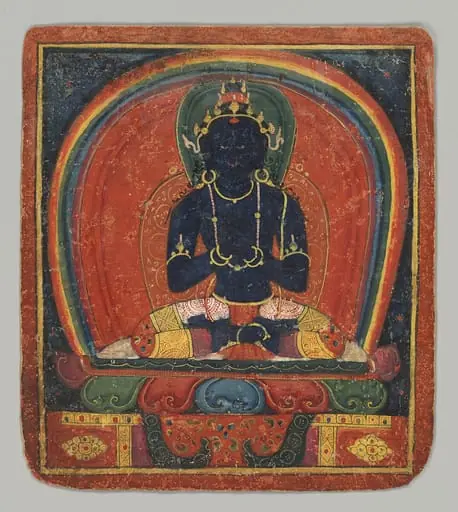
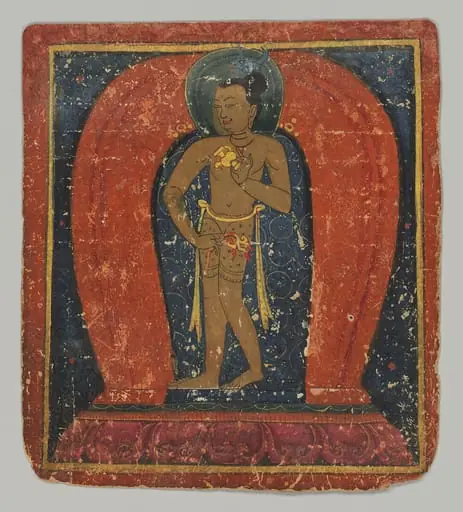
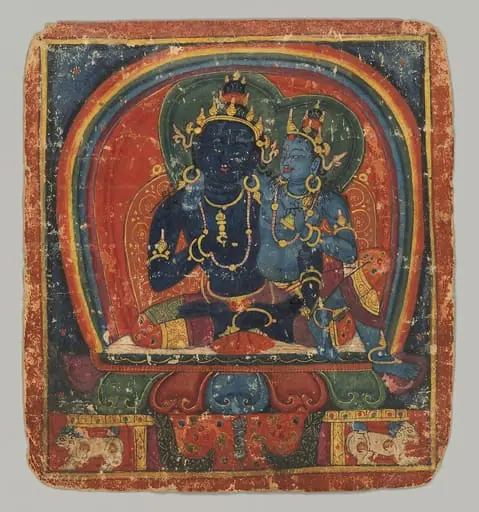
The painting, dated 1416 and executed in opaque watercolor on paper, portrays a divine figure, situating it within the religious art genre of its period.
The painting, dated 1416 and executed in opaque watercolor on paper, portrays a divine figure, situating it within the religious art genre of its period. Its depiction of a deity serves as a visual embodiment of sacred authority, inviting contemplation of spiritual themes prevalent in contemporary devotional practice. The work originates from an anonymous hand, yet its presence in the Metropolitan Museum of Art underscores its historical significance as a rare surviving example of early 15th‑century religious imagery.
The iconography, while not fully documented, conveys a sense of transcendence through conventional attributes associated with the represented deity.
Technique & Style
Created in 1416 by an anonymous artist, this religious work depicts a deity using opaque watercolor applied to a paper support. The painting measures 16 units in height and 14.5 units in width. Classified within the realm of paintings, the piece utilizes a medium characterized by its opacity, distinguishing it from transparent washes.
While specific details regarding its current physical condition or handling history are not provided in the available records, the formal qualities are defined by its small scale and the specific application of pigment on paper typical of the period's devotional imagery.
Overview
This untitled painting, created in Tibet during the early 15th century, depicts a multi-armed deity rendered in opaque watercolor on paper. The artwork features a vibrant blue figure seated upon a lotus, set against a luminous gold backdrop. Its specific creator remains unrecorded, yet the piece offers insight into the artistic practices of its period and region.
History & Provenance
Originating from Tibet in the early 1400s, this painting is characteristic of the region's artistic output during that era. While its precise date places it in the early 15th century, the individual artist responsible for its creation is not known. Such anonymity was common for many religious artworks from this period, where the devotional purpose often overshadowed individual authorship.
Artist & collection