Artwork
Untitled
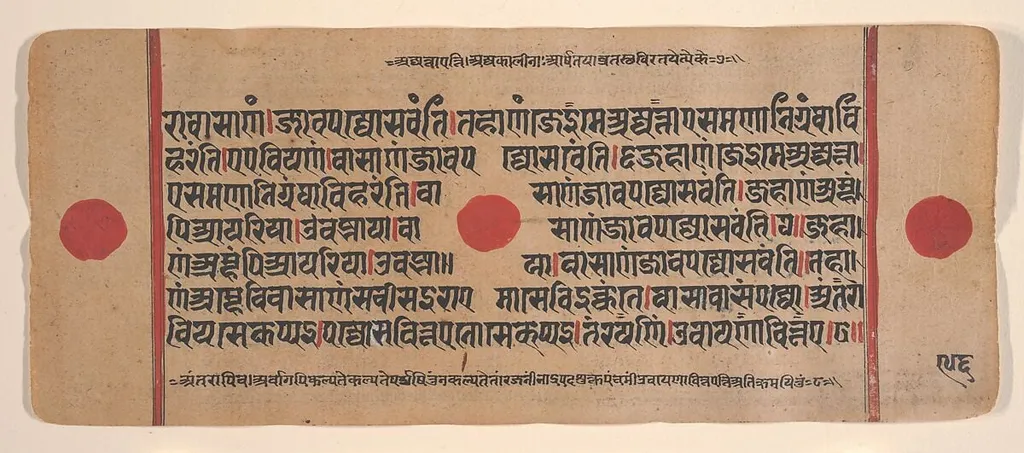
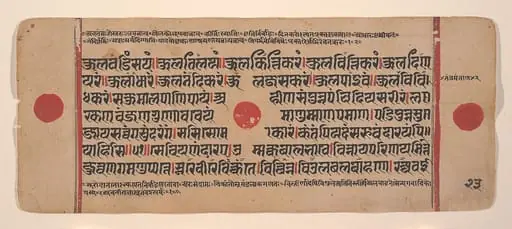
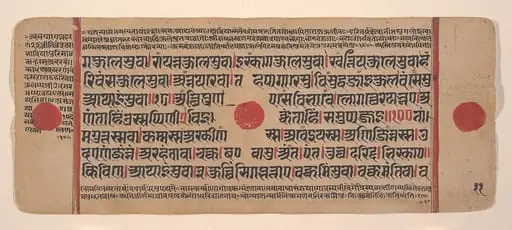
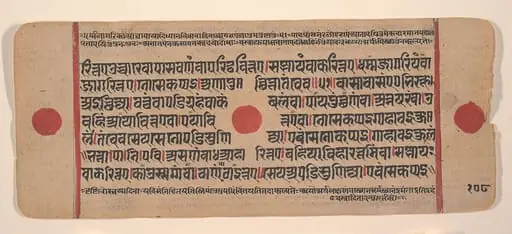
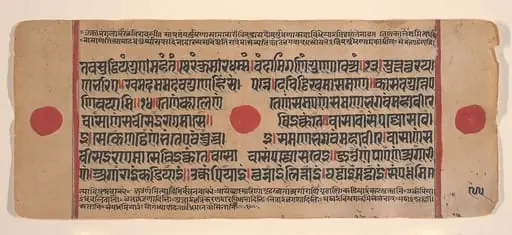
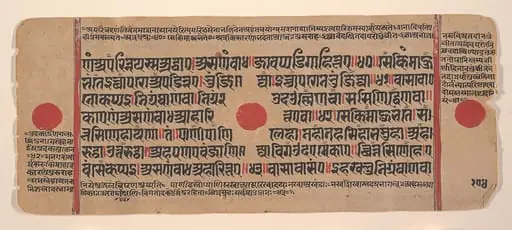
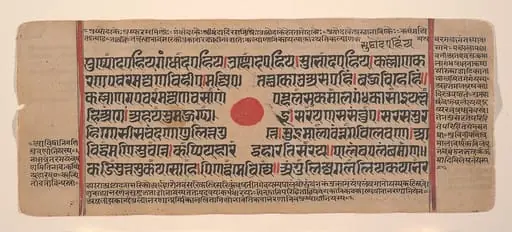
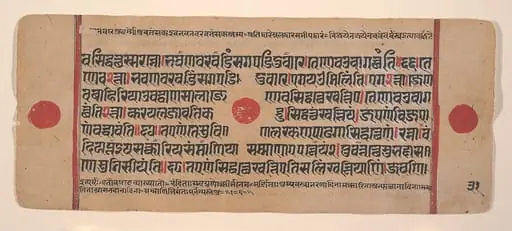
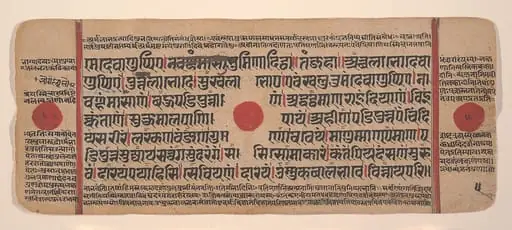
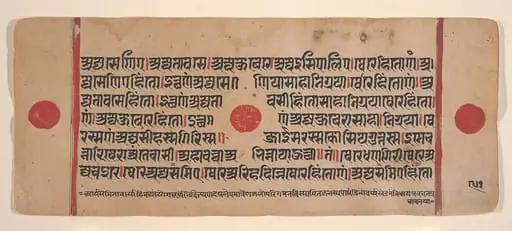
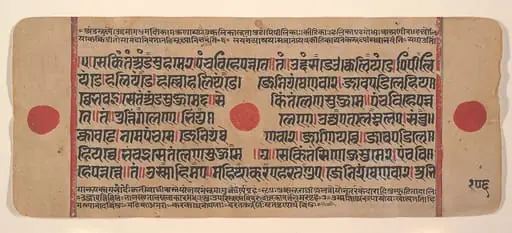
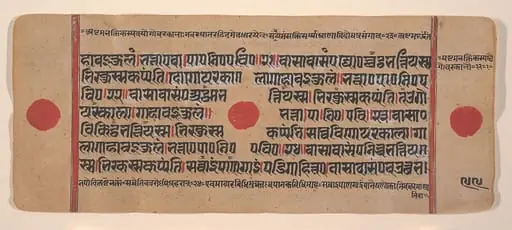
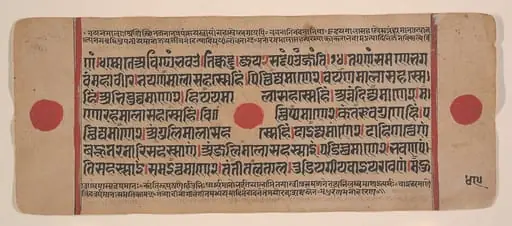
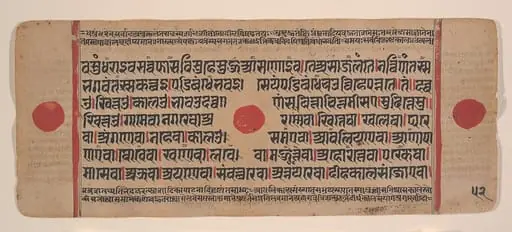
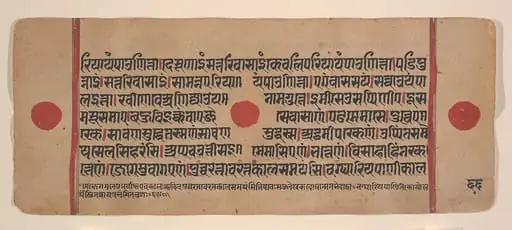
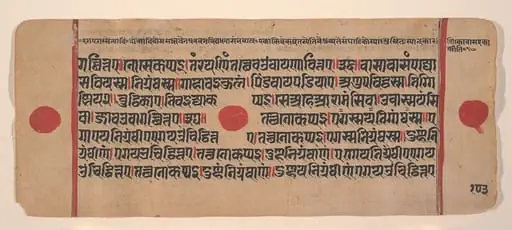
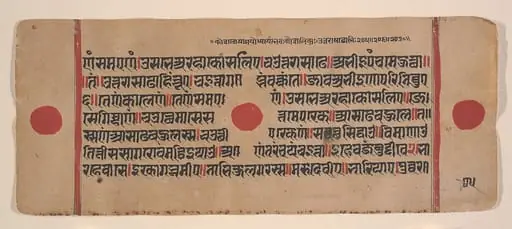
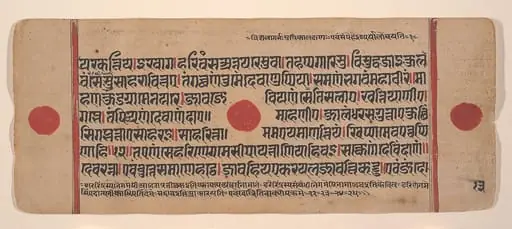
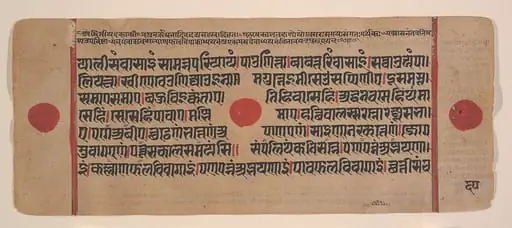
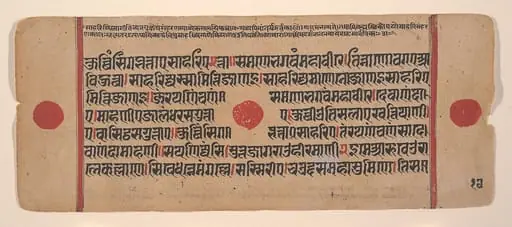
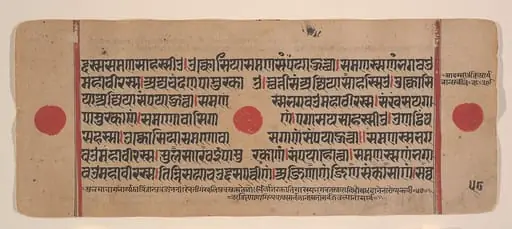
Untitled is a watercolor painting. It dates from 1449 and is held in the collection of the Metropolitan Museum of Art.
About this work
Subject & Meaning
Executed in ink, opaque watercolor, and gold on paper, the piece functions as a devotional object within the Jain iconographic framework.
Created in 1449 in India, this anonymous work is a religious painting that depicts the spiritual tradition of Jainism. Executed in ink, opaque watercolor, and gold on paper, the piece functions as a devotional object within the Jain iconographic framework. While the specific narrative scene is not detailed in the available records, the inclusion of gold and the classification as religious art indicate its purpose is to honor Jain principles or figures.
The work's attribution to an unknown artist reflects the communal nature of such devotional production during this period. As part of the Metropolitan Museum of Art's collection, it serves as a historical testament to 15th-century Indian religious expression, where the visual representation of Jainism was central to its meaning and function.
History & Provenance
The untitled Jain painting was created in 1449, executed in ink, opaque watercolor, and gold on paper, and produced in India. The work is attributed to an anonymous painter, with no documented artist, commissioner, or patron identified in the available records. No information is provided regarding its early ownership, intermediate custodians, or the circumstances of its production.
The painting is currently held in the collection of the Metropolitan Museum of Art, where it is catalogued under accession number 55.121.38.66, indicating it entered that institution's holdings by the mid-twentieth century. Beyond this terminal point in its provenance, the ownership chain prior to the Met's acquisition is not detailed in the available sources.
Overview
This untitled painting, rendered with ink, opaque watercolor, and gold on paper, presents a seated woman in a red sari holding a book. A tree with golden foliage, small climbing figures, and a perched peacock occupies the background. This piece is an example of an illustration from a Jain manuscript, reflecting the artistic traditions of Gujarat, India.
Technique & Style
The artwork employs a combination of ink and opaque watercolor, applied to paper. A distinctive feature is the use of genuine gold leaf, meticulously pressed onto the surface rather than painted, to create the shimmering golden elements, such as the tree's foliage. This technique imparts a luminous quality and a sense of preciousness to the illustration, characteristic of many illuminated manuscripts from the region.
Context
Illustrations within Jain manuscripts primarily functioned as visual aids, designed to elucidate and elaborate upon the narratives found in their scriptures. These images helped readers and devotees visualize key events, figures, and concepts of Jainism. This particular example, while perhaps less overtly narrative, still aligns with the broader tradition of using art to enrich understanding and engagement with religious texts.
Artist & collection