Artwork
Untitled
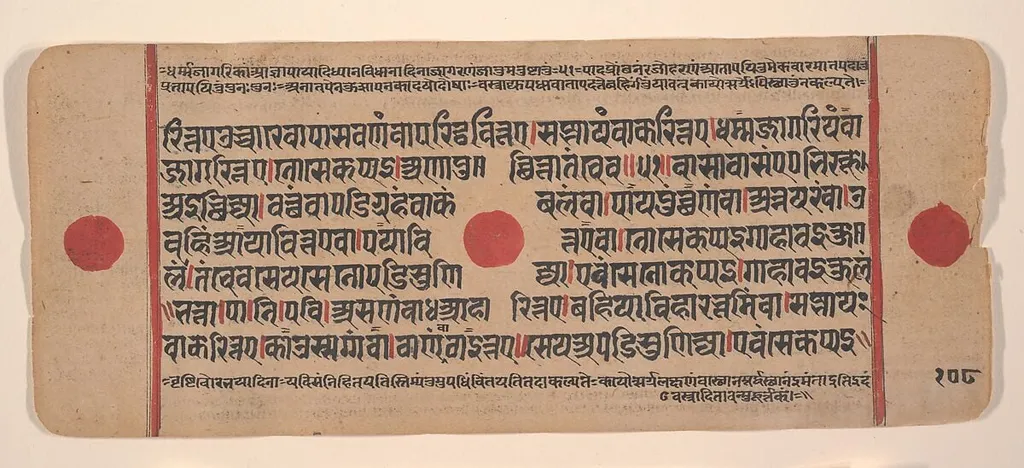
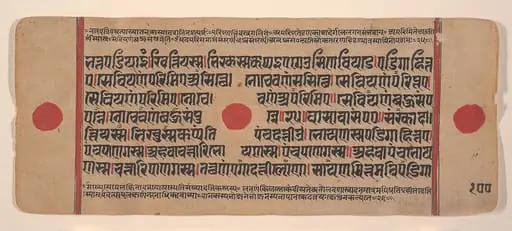
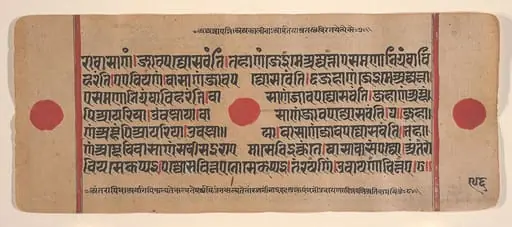
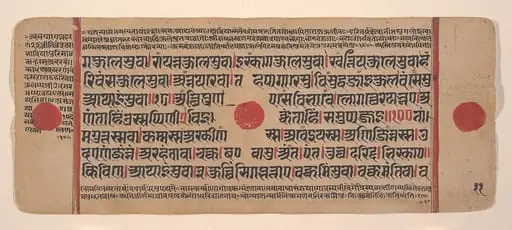
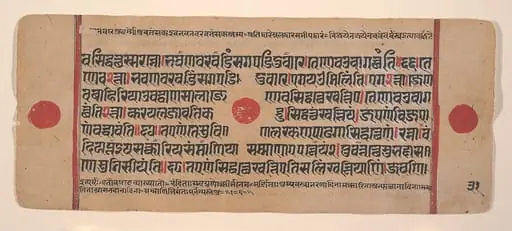
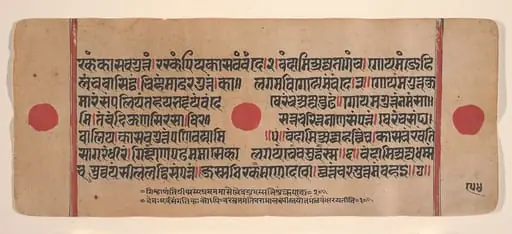
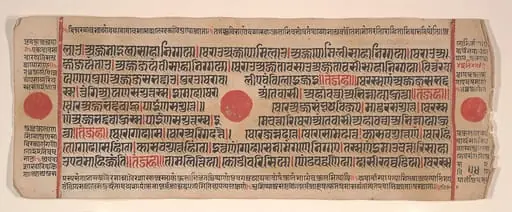
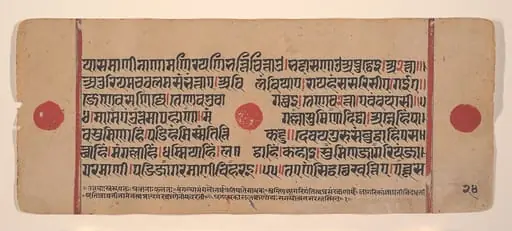
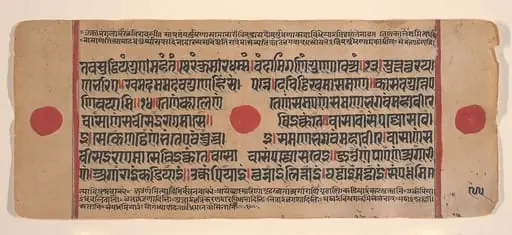
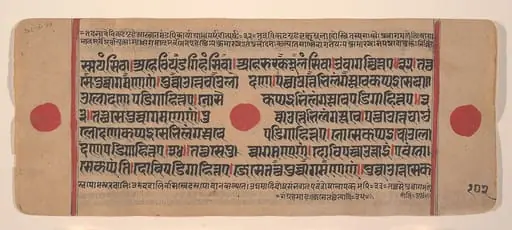
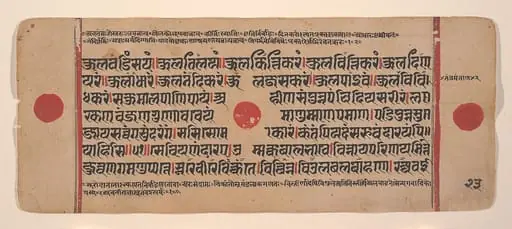
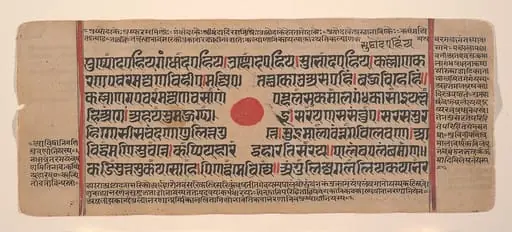
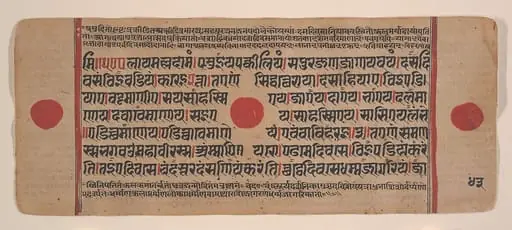
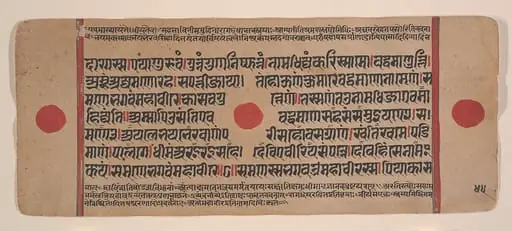
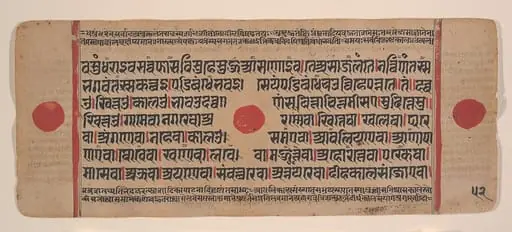
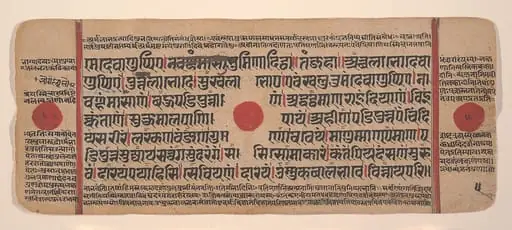
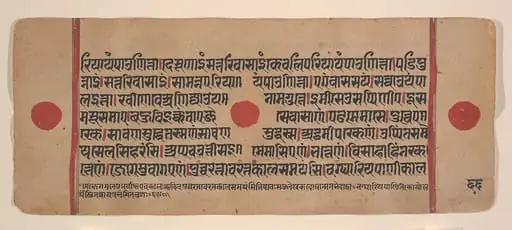
Untitled is a watercolor painting. It dates from 1449 and is held in the collection of the Metropolitan Museum of Art.
About this work
History & Provenance
While the piece is attributed to an anonymous Indian painter, the available records do not list specific past exhibitions or loan history for this object.
The work is dated to 1449 based on internal records and the Metropolitan Museum of Art’s accession file. It entered the museum’s holdings as part of the Rogers Fund acquisition in 1955, where it was catalogued as 55.121.38.34. The painting is attributed to an anonymous Indian artist of the 15th century and is linked stylistically to Jain manuscript traditions active in Gujarat during this period.
Its small scale and materials, ink, opaque watercolor, and gold on paper, align with devotional Jain manuscripts produced for elite patrons, suggesting a private commission for ritual use rather than a courtly context.
The work is held in the collection of the Metropolitan Museum of Art in New York. It is cataloged under the accession number 55.121.38.34. Created in 1449, this ink and opaque watercolor painting on paper depicts a scene related to Jainism.
While the piece is attributed to an anonymous Indian painter, the available records do not list specific past exhibitions or loan history for this object.
Legacy
The painting, dated 1449 and depicting Jainism, is held in the Metropolitan Museum of Art, where its presence as a rare early Indian religious work has made it a frequent reference in scholarly studies of Jain visual culture. Its status as one of the few surviving ink and watercolor pieces from that period contributes to ongoing discussions about the development of Indian artistic conventions in the fifteenth century. The work’s inclusion in a major museum collection has reinforced its reputation as an important artifact for understanding the intersection of religion and art in pre‑modern India.
Overview
This untitled painting, created with ink, opaque watercolor, and gold on paper, originates from a Jain manuscript produced in Gujarat, India. It features a central female figure, dressed in a red sari, seated on a golden throne. She holds a book and a flower, while tiny figures kneel at her feet. The background is distinguished by shimmering flat gold leaf.
Subject & Meaning
The central female figure, likely a revered entity within Jainism, is enthroned, signifying her elevated spiritual status. Her attributes, a book and a flower, symbolize wisdom and purity. The gold leaf background transcends mere ornamentation; it represents the sacred luminescence of knowledge, underscoring the spiritual significance of the scene and its central subject.
Technique & Style
Executed in ink, opaque watercolor, and gold on paper, this painting showcases the meticulous artistry common in Jain manuscript illumination. The anonymous artist utilized precise lines and vivid colors, crafting a durable image designed to last for generations. The deliberate application of flat gold leaf enhances both the visual splendor and the symbolic meaning of the artwork.
Context
This painting forms part of a larger Jain manuscript, a tradition of illustrated religious texts from the Gujarat region of India. These manuscripts were crucial for the transmission and preservation of Jain doctrines. Their detailed illustrations, such as this one, visually reinforced the spiritual narratives and philosophical principles fundamental to the Jain faith.
Artist & collection