Artwork
Untitled
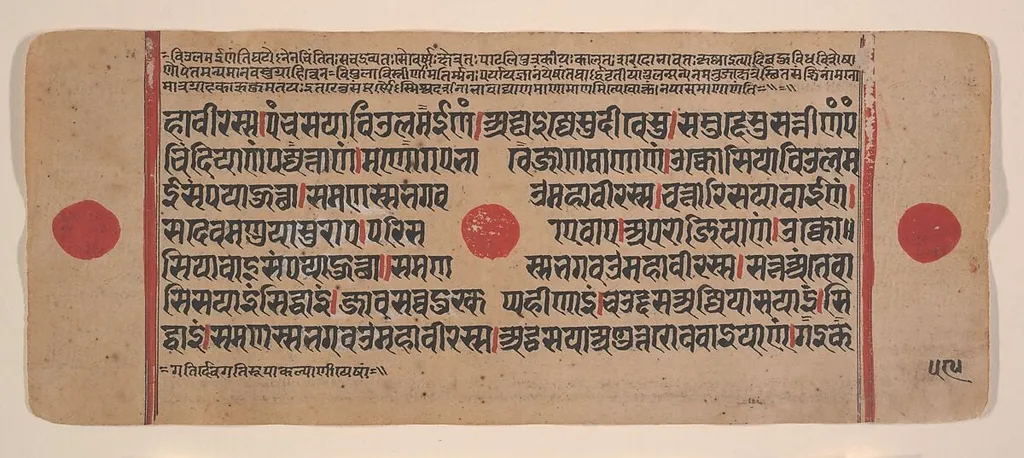
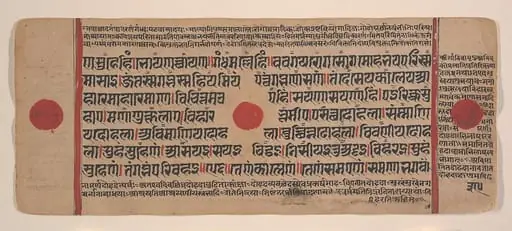
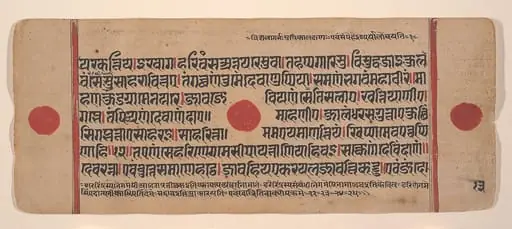
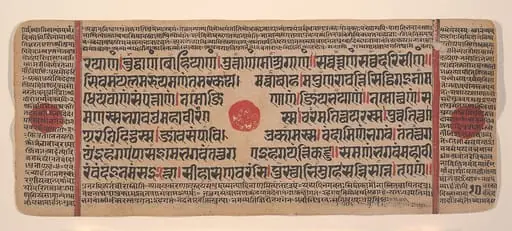
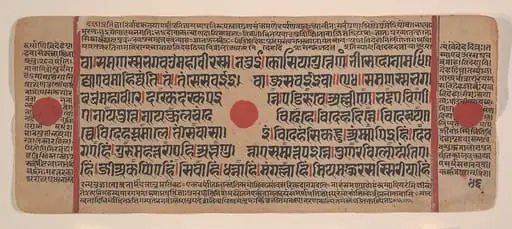
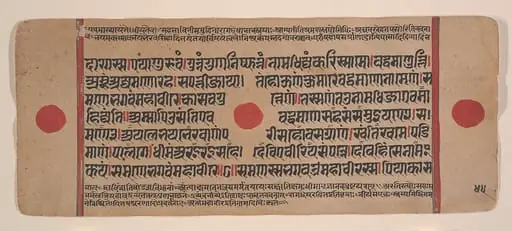
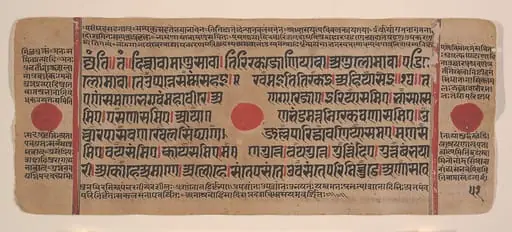
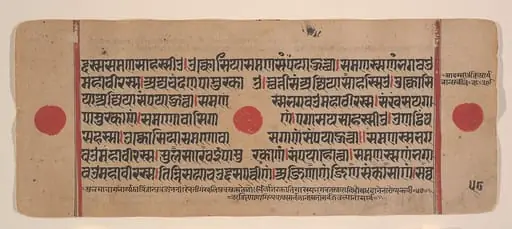
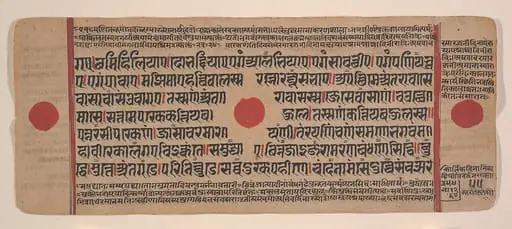
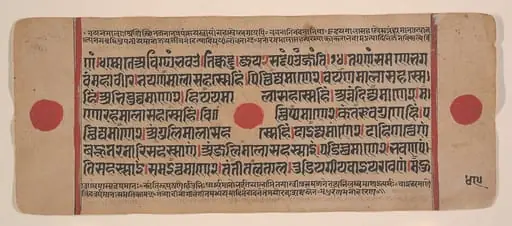
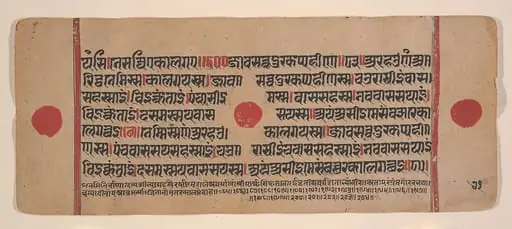
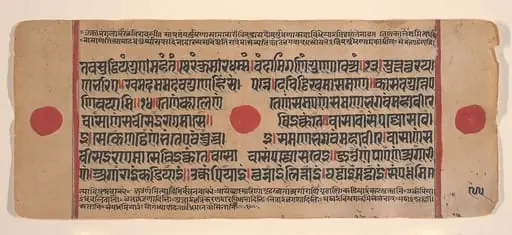
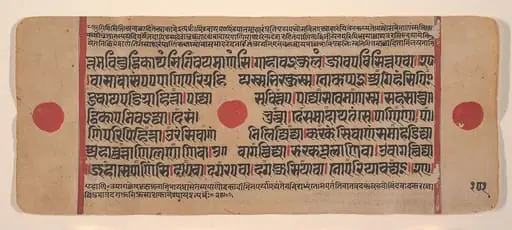
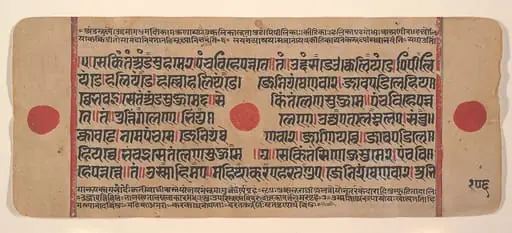
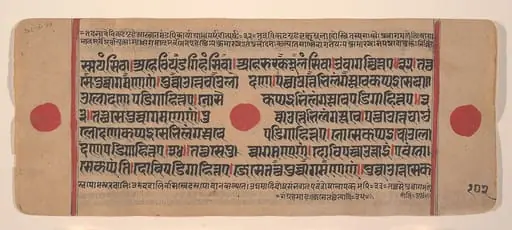
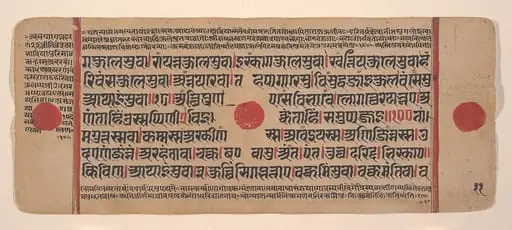
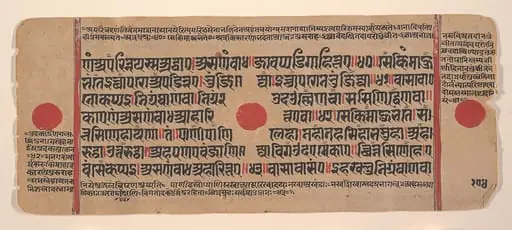
Untitled is a watercolor painting. It dates from 1449 and is held in the collection of the Metropolitan Museum of Art.
About this work
Subject & Meaning
As a religious artwork, its iconography and symbolism are rooted in Jain traditions, reflecting the beliefs and visual language of that faith.
The work is a religious painting from 1449 that depicts themes associated with Jainism. Created in India by an anonymous artist, the piece uses ink, opaque watercolor, and gold on paper to convey its spiritual subject matter. As a religious artwork, its iconography and symbolism are rooted in Jain traditions, reflecting the beliefs and visual language of that faith.
Its classification within the religious genre underscores its function as a devotional object. Its creation in the mid-fifteenth century places it within a specific period of Jain artistic production in India.
Technique & Style
Created in 1449 in India, this religious painting employs a traditional technique of ink, opaque watercolor, and gold on a paper support. The work is attributed to an anonymous artist and depicts a Jain subject. It measures 11.1 centimeters in height and 27 centimeters in width.
The combination of ink, opaque watercolor, and gold is characteristic of devotional manuscript painting of the period, emphasizing luminosity and precise line work.
History & Provenance
Created in 1449 in India, this religious painting depicts a Jain subject and was executed in ink, opaque watercolor, and gold on paper. The artist is unknown. The piece is held in the collection of the Metropolitan Museum of Art in New York under accession number 55.121.38.93.
The available records confirm its date and place of production but do not provide details of earlier ownership or commissioning patrons. No exhibition history is documented in the sources.
Overview
This untitled painting, executed with ink, opaque watercolor, and gold on paper, originates from Gujarat, India, within the Jain tradition. It depicts a revered holy teacher, identifiable by her central position and the book she holds. Surrounding her are numerous smaller figures in postures of devotion.
The artwork's primary function was to visually represent and honor a significant spiritual figure within the Jain faith.
Context
This painting exemplifies the rich tradition of Jain manuscript and devotional art from Gujarat. Such works were typically commissioned for religious institutions or wealthy patrons, serving as aids for meditation and worship. The artist's anonymity is characteristic of many religious artworks from this period, where the focus remained on the sacred subject matter and the message of faith rather than individual artistic authorship.
Artist & collection