Artwork
Untitled
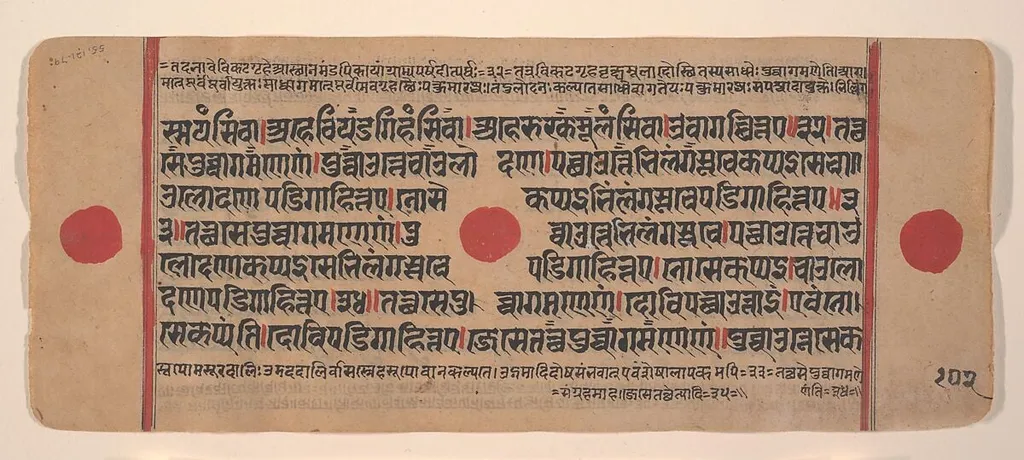
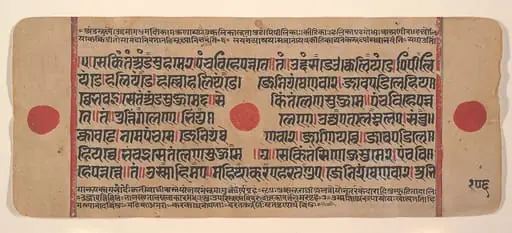
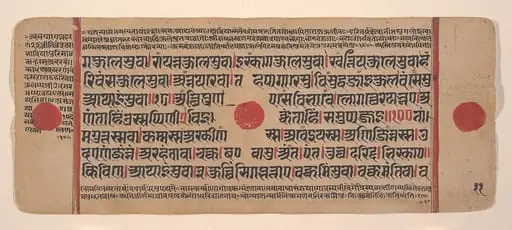
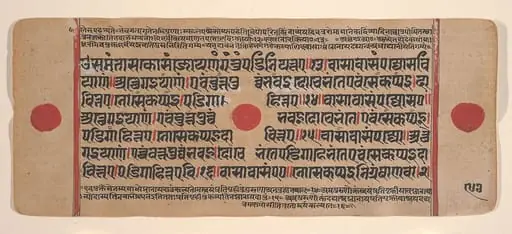
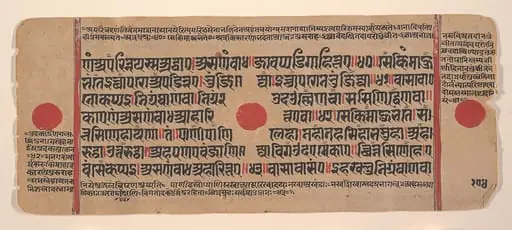
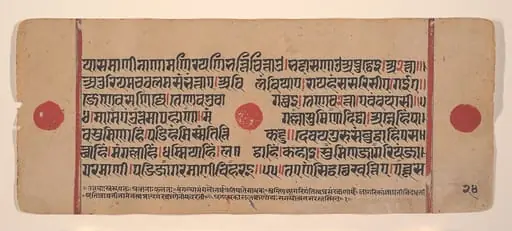
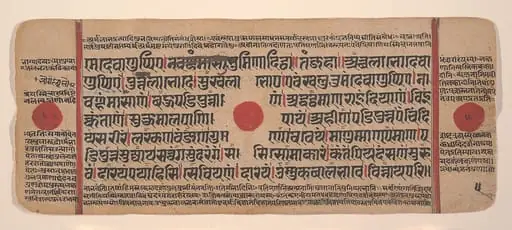
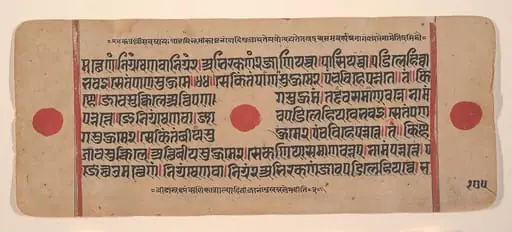
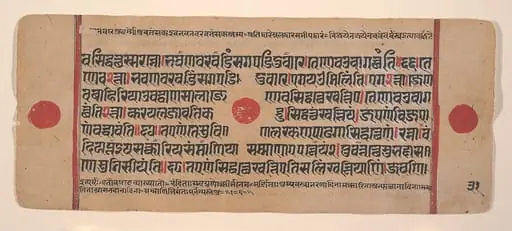
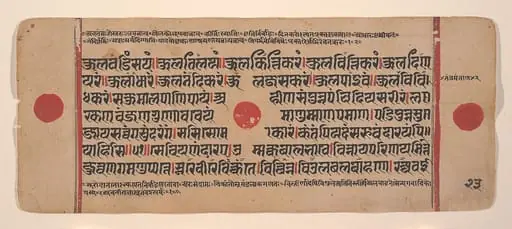
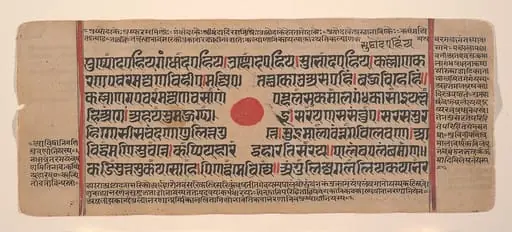
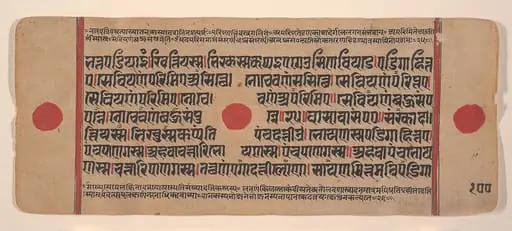
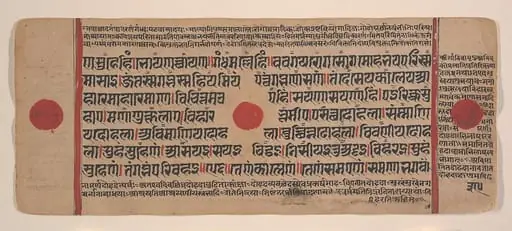
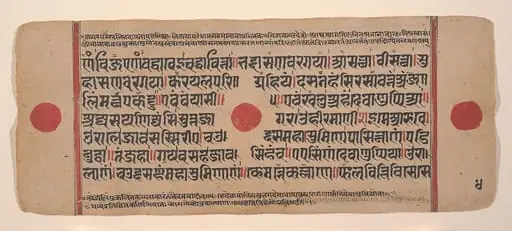
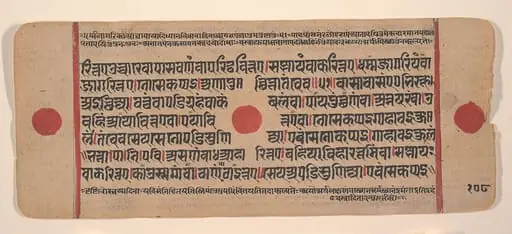
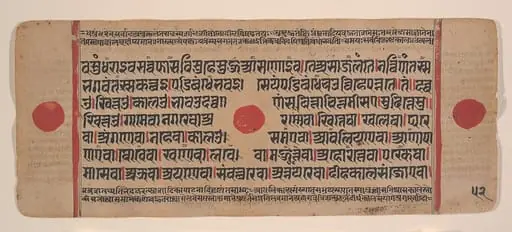
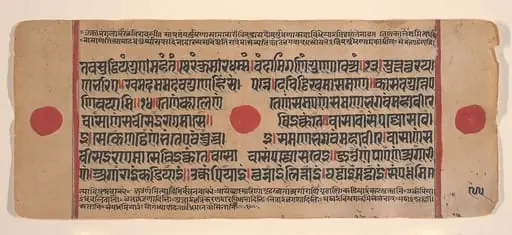
Untitled is a watercolor painting. It dates from 1449 and is held in the collection of the Metropolitan Museum of Art.
- Accession no.
- 55.121.38.60
- Credit line
- Rogers Fund, 1955
About this work
Subject & Meaning
This untitled work belongs to the religious genre and depicts Jainism, situating it within the devotional visual tradition of that faith.
This untitled work belongs to the religious genre and depicts Jainism, situating it within the devotional visual tradition of that faith. Created in 1449 in India, the painting is executed in ink, opaque watercolor, and gold on paper, a combination commonly used for sacred Jain manuscripts and devotional panels. Its small horizontal format, measuring roughly 11.1 by 27 centimetres, is consistent with the scale of Jain religious imagery produced for contemplation.
Held at the Metropolitan Museum of Art, it represents a surviving example of fifteenth-century Jain religious painting from India.
History & Provenance
Created in 1449 in India, this anonymous religious painting depicts themes from Jainism. Executed in ink, opaque watercolor, and gold on paper, the work measures 11.1 by 27 centimetres. It is held in the collection of the Metropolitan Museum of Art under the accession number 55.121.38.60.
The identity of the creator and the circumstances of its commission remain unknown, and the available records do not document its ownership history prior to entering the museum or any specific exhibition history.
Context
The painting, dated 1449 and executed in ink, opaque watercolor and gold on paper, belongs to the anonymous tradition of Jain religious art produced in India during the fifteenth century. As documented in the Metropolitan Museum of Art's collection records, it reflects the characteristics of early Jain manuscript illumination, particularly the use of gold accents. Because the artist remains unidentified, scholarly discussion centers on the work's role in illustrating Jain tradition within the broader corpus of Indian religious painting.
Overview
This untitled painting, rendered with ink, opaque watercolor, and gold on paper, originates from a Jain manuscript created in Gujarat, India. It depicts a central female figure, possibly a deity or revered individual, seated on an elaborate throne. The work exemplifies the rich tradition of illuminated manuscripts within Jain religious practice, where visual art served to convey spiritual narratives and principles.
Technique & Style
Executed on paper using ink, opaque watercolor, and gold, this painting showcases the meticulous craftsmanship typical of Jain manuscript illustration. The vibrant opaque watercolors define the figures and their attire, while the liberal application of gold leaf creates a shimmering, ethereal quality. This technique elevates the visual impact, transforming the surface into a radiant field that underscores the sanctity of the depicted narrative.
Artist & collection