Artwork
Untitled
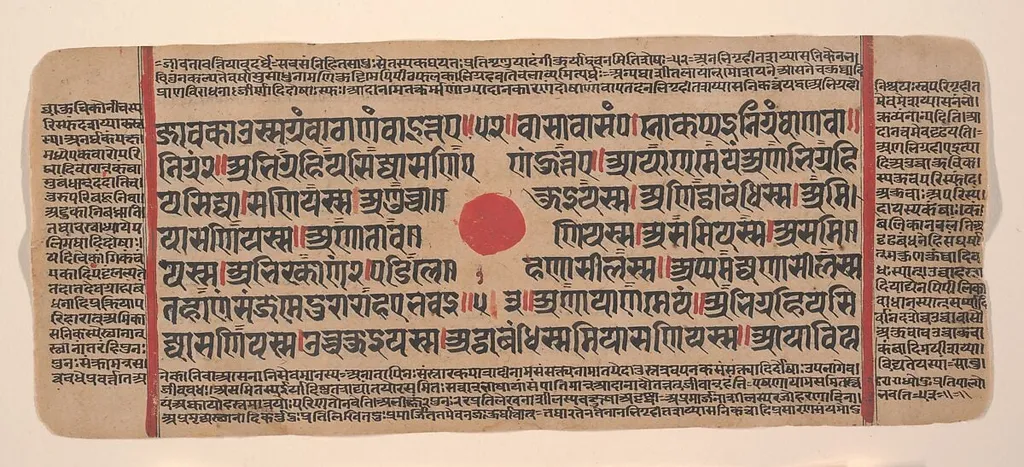
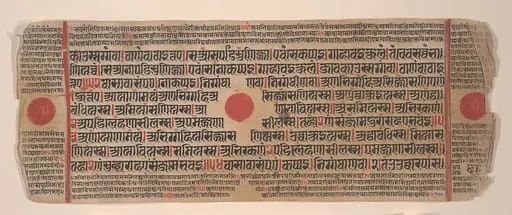
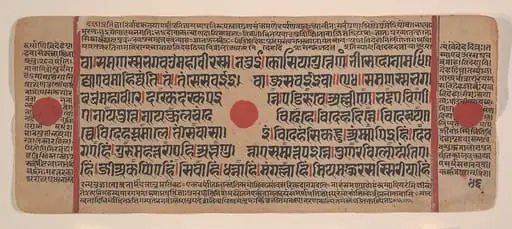
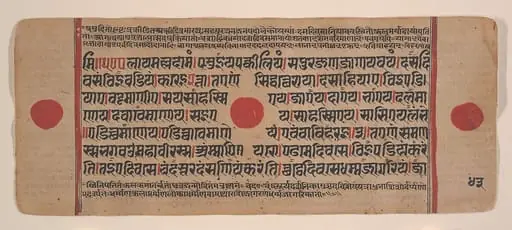
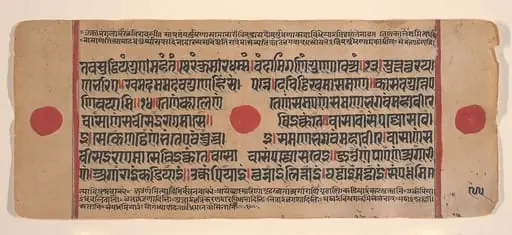
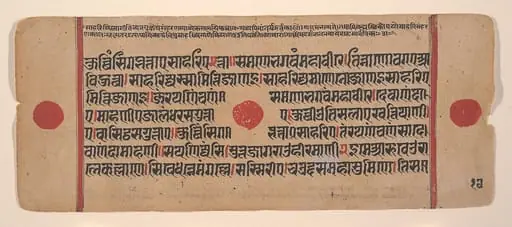
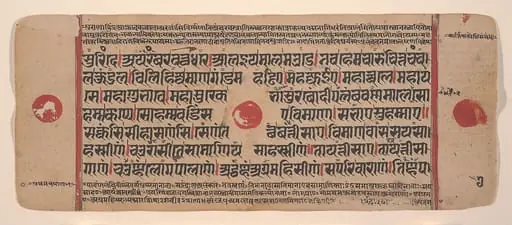
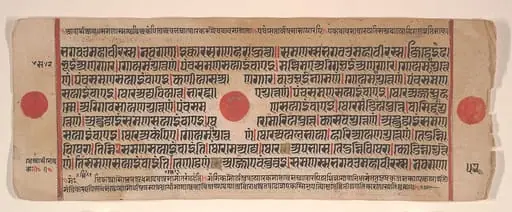
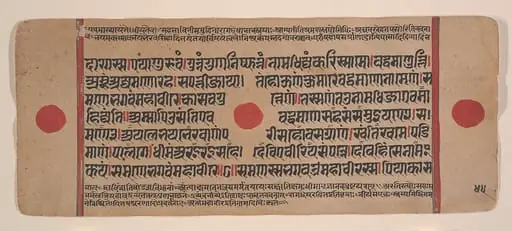
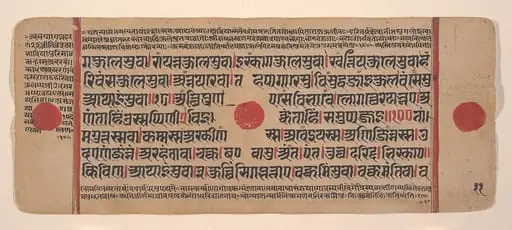
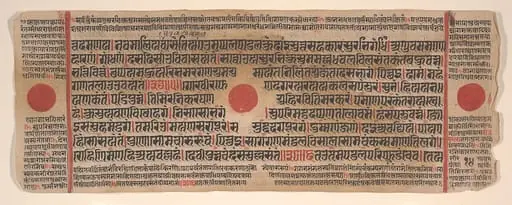
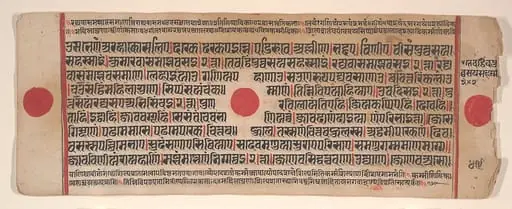
Untitled is a watercolor painting. It dates from 1449 and is held in the collection of the Metropolitan Museum of Art.
About this work
Subject & Meaning
This 1449 work on paper belongs to the religious genre and is associated with Jainism, the Indic faith centered on non-violence and the liberation of the soul.
This 1449 work on paper belongs to the religious genre and is associated with Jainism, the Indic faith centered on non-violence and the liberation of the soul. As an untitled devotional painting executed in ink, opaque watercolor, and gold, it falls within the tradition of Jain manuscript and devotional imagery produced in India during the fifteenth century, a period when richly illuminated sacred pictures served as aids to contemplation and veneration. The use of gold leaf and mineral-based pigments was characteristic of such religious commissions, intended to convey the sanctity of the subject depicted.
Without further identifying details in the available documentation, the specific iconographic figures, narrative episode, or symbolic motifs represented within the composition cannot be specified from the sources provided.
Technique & Style
This 1449 painting was executed in ink, opaque watercolor, and gold on paper. Measuring 11.1 cm in height and 27 cm in width, the work belongs to the religious genre and depicts Jainism. The use of gold and opaque watercolor on paper indicates a manuscript or miniature painting tradition, characteristic of Indian artistic practices of the period.
The inclusion of gold suggests a devotional or ceremonial function, while the opaque watercolor technique would have allowed for vibrant, flat areas of color typical of South Asian manuscript illumination.
History & Provenance
The work titled Untitled is a Jain religious painting executed in ink, opaque watercolor and gold on paper in 1449 in India. Its authorship is attributed to an anonymous painter, as recorded in the Metropolitan Museum of Art’s catalogue. The painting measures 11.1 × 27 cm and was originally produced in the Indian subcontinent before entering the museum’s collection, where it is listed under accession number 55.121.38.35.
No documentation indicates a specific commission or patron; the work remained in private or institutional holdings in India until its acquisition by the Met, after which it has been displayed as part of the museum’s Asian art wing.
Overview
This untitled painting, created in Gujarat, India, during the 1400s, employs ink, opaque watercolor, and gold on paper. It depicts a woman in a red sari seated on a low stool, holding a book with gilded pages. Small white dots surround her, set against a flat gold leaf background, which gives the central figure a distinct, almost silhouetted appearance.
Context
This painting is situated within the broader context of Jain art, which often emphasizes clarity, precision, and spiritual symbolism. Works like this were not merely decorative but served a functional role in religious life, aiding practitioners in their pursuit of spiritual understanding and tranquility. It exemplifies the visual culture developed to support the meditative practices central to Jainism.
Artist & collection