Artwork
Virgin and Child
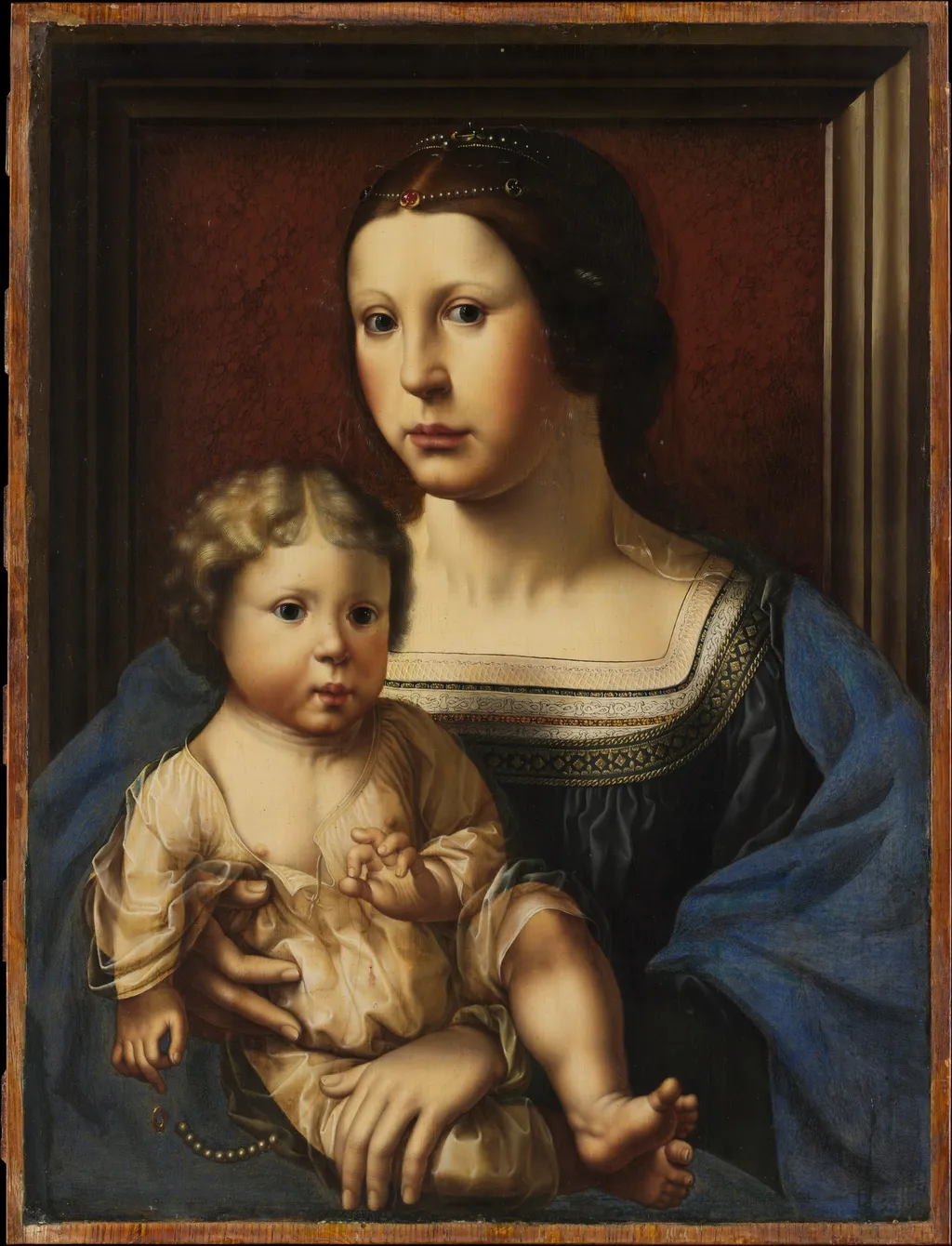
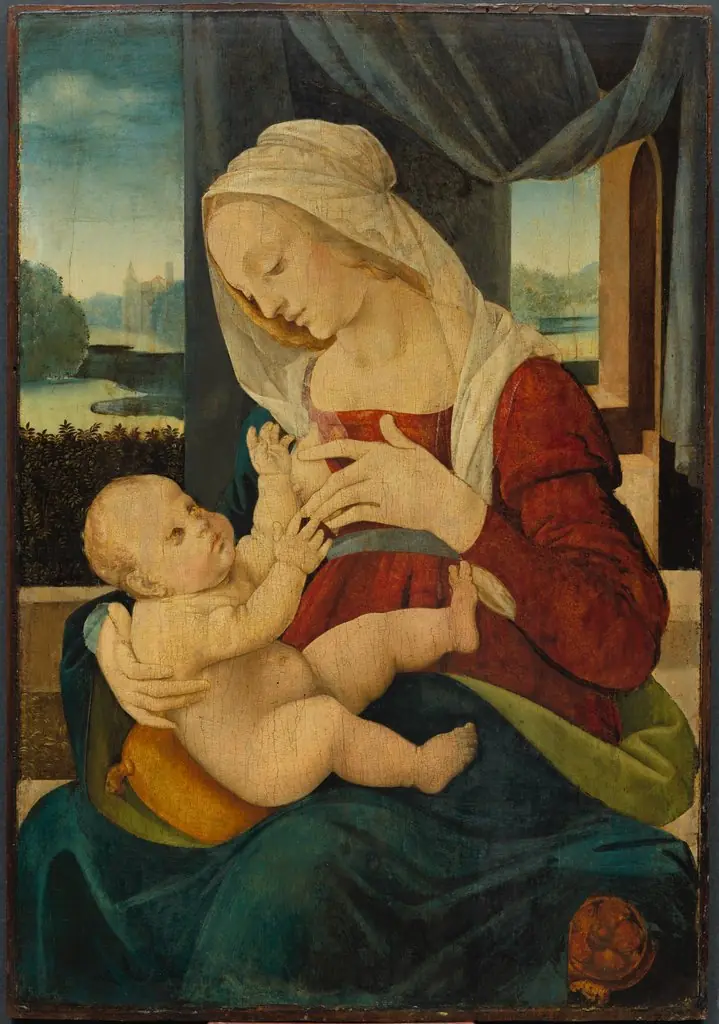
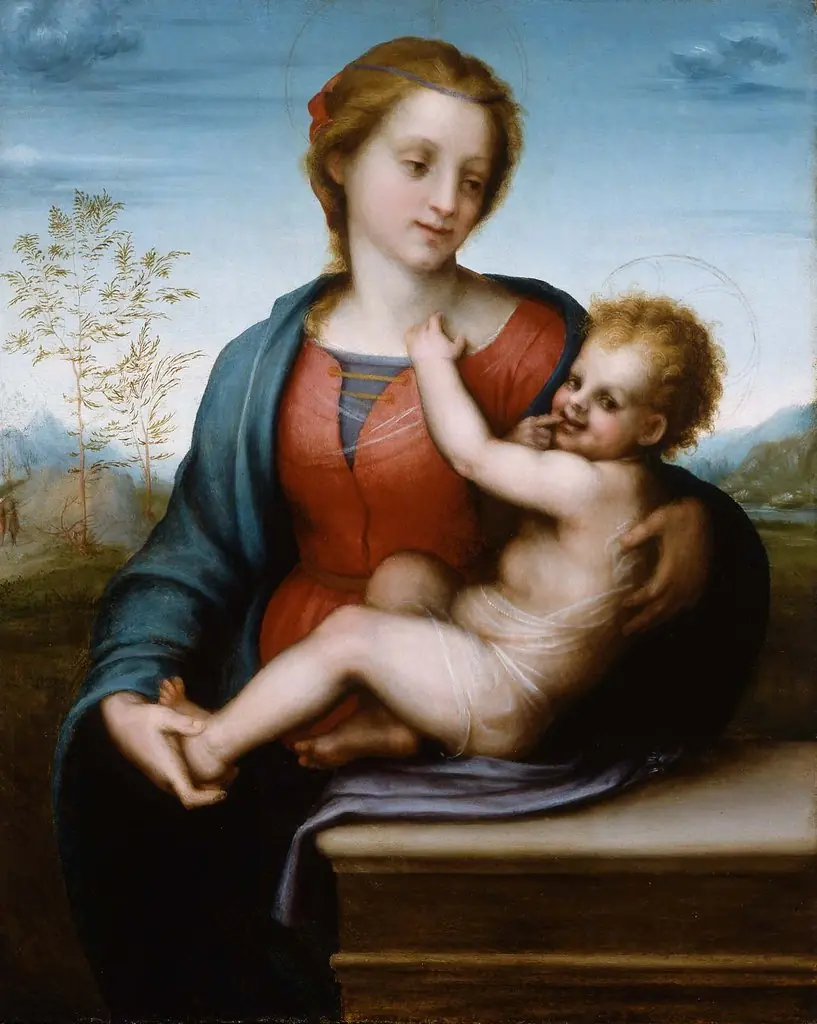
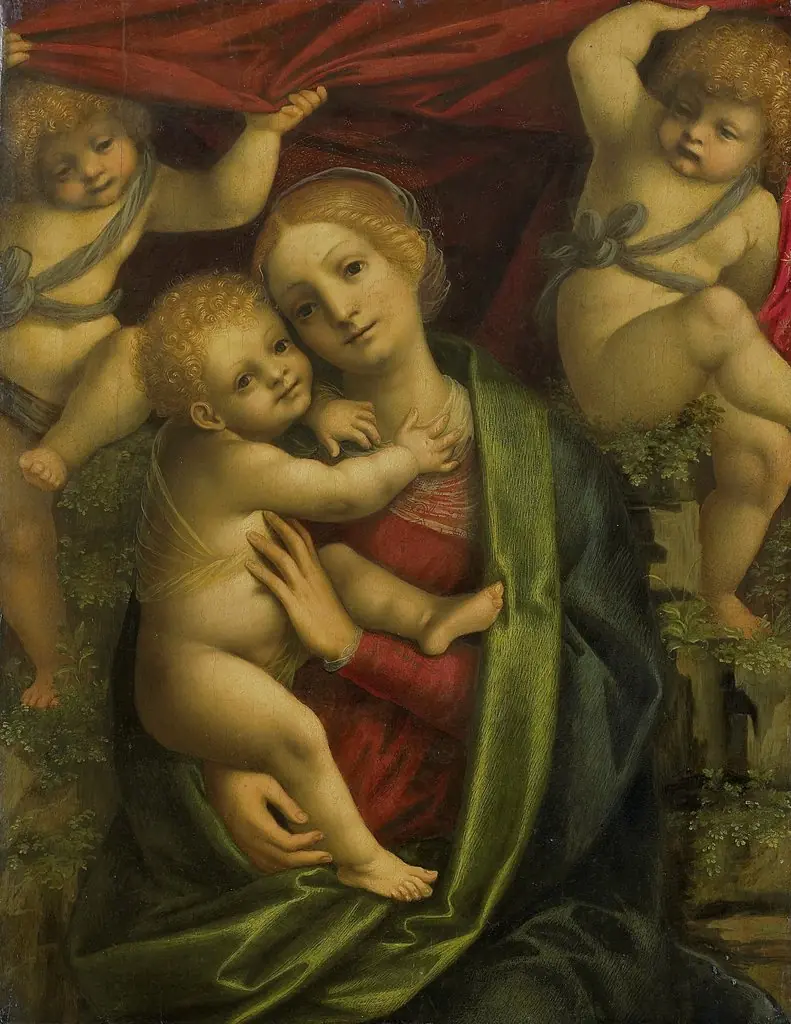
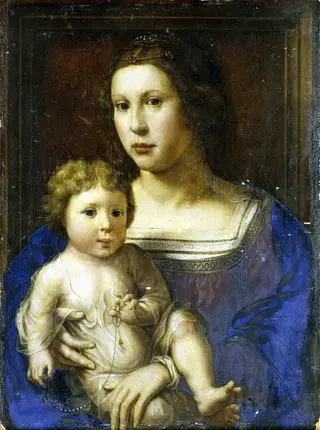
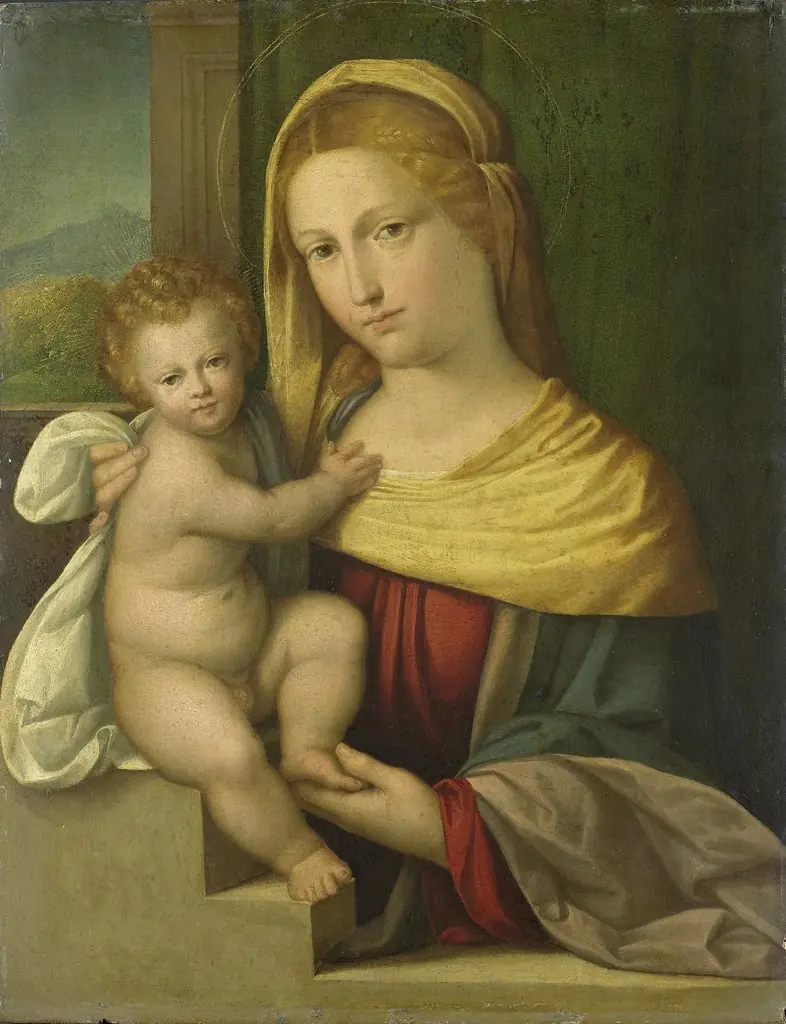
Virgin and Child is an oil painting. It dates from 1600 and is held in the collection of the Metropolitan Museum of Art.
About this work
Subject & Meaning
The painting portrays the Virgin Mary holding the infant Christ, a traditional iconography that emphasizes maternal protection and divine incarnation.
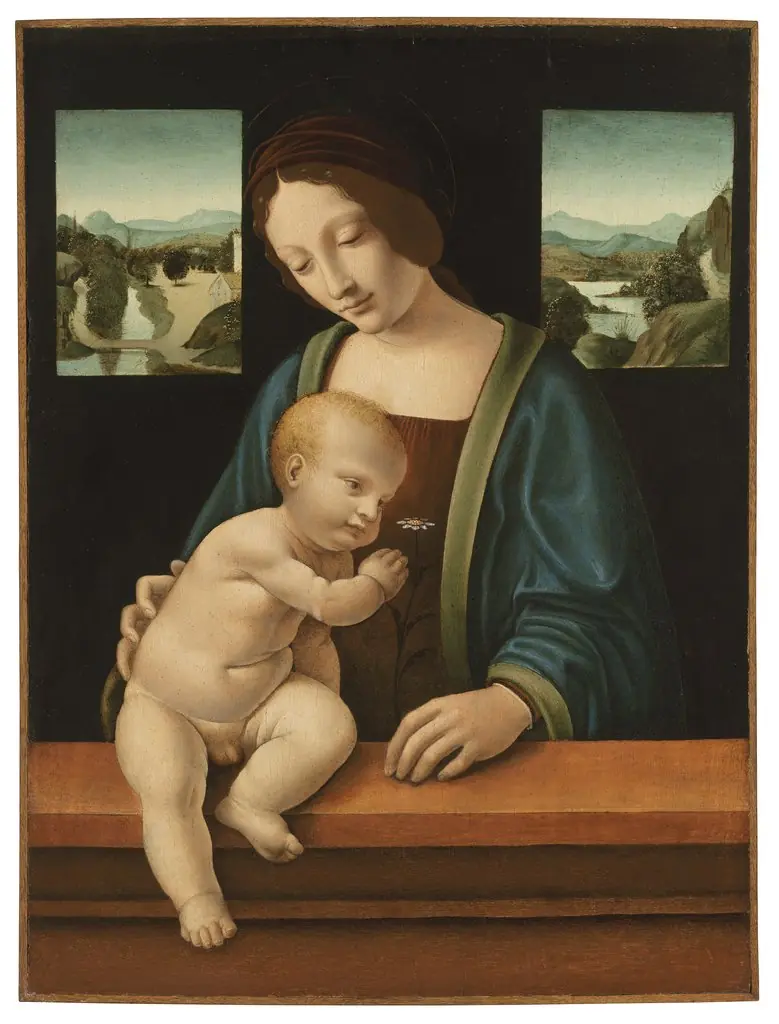
The painting portrays the Virgin Mary holding the infant Christ, a traditional iconography that emphasizes maternal protection and divine incarnation. In this composition Mary is shown with a modest veil and a contemplative gaze, while the Child reaches toward a flower, symbolizing purity and the future Passion. The intimate scale and rich oil paint surface convey a devotional focus, inviting viewers to meditate on the human and divine natures of Christ.
As part of the Metropolitan Museum of Art’s collection, the work reflects the early‑17th‑century practice of rendering sacred narratives with naturalistic detail and subtle symbolic gestures.
Technique & Style
The work titled Virgin and Child is an oil painting executed on wooden panel in the early 17th century. According to the documented record, the composition measures approximately 43.8 cm in height and 33 cm in width, reflecting a small devotional format typical of religious panels of the period. The surface is prepared with a ground layer beneath the oil paint, which was applied to achieve the luminous modelling of the Madonna and Child and the attendant figures of Mary and the infant Christ, characteristic of the style attributed to the follower of Jan Gossart.
History & Provenance
Dated to approximately 1600, this oil painting on panel is identified as a copy after the work of Jan Gossart, also known as Mabuse. The piece entered the collection of the art dealer Charles Sedelmeyer before eventually being acquired by the Metropolitan Museum of Art, where it is currently housed. While the specific circumstances of its original commission and the identity of the copying artist remain unrecorded in the available documentation, the work's creation is firmly placed at the turn of the seventeenth century. The painting depicts the Madonna and Child, adhering to the religious genre established by Gossart's original composition.
The painting is held in the collection of the Metropolitan Museum of Art. It was previously part of the Charles Sedelmeyer collection before entering the museum's holdings. The work, dated to approximately 1600, is executed in oil on panel.
While specific accession numbers and a detailed chronology of public exhibitions are not provided in the available records, its current location is firmly established as the Metropolitan Museum of Art, where it is classified as a religious artwork depicting the Madonna and Child.
Legacy
The Virgin and Child, painted in 1600 in oil on panel, entered the Metropolitan Museum of Art as part of the Charles Sedelmeyer collection and is recorded as a copy after Jan Gossart (Mabuse). Its devotional subject and composition have been cited in subsequent scholarship as exemplars of Counter‑Reformation imagery, shaping modern interpretations of early‑17th‑century religious painting. The work’s inclusion in a prominent public collection helped reinforce the Metropolitan’s reputation as a key venue for studying Northern European art, influencing later exhibition narratives and academic discourse on the legacy of Mabuse’s workshop.
Overview
This oil painting, titled Virgin and Child, presents a serene depiction of Mary tenderly holding the infant Jesus. The composition emphasizes a moment of maternal intimacy and spiritual devotion, rendered with a rich color palette that enhances the figures' presence. The artwork's overall atmosphere is one of profound tranquility and reverence.
Artist & collection