Artwork
Virgin and Child
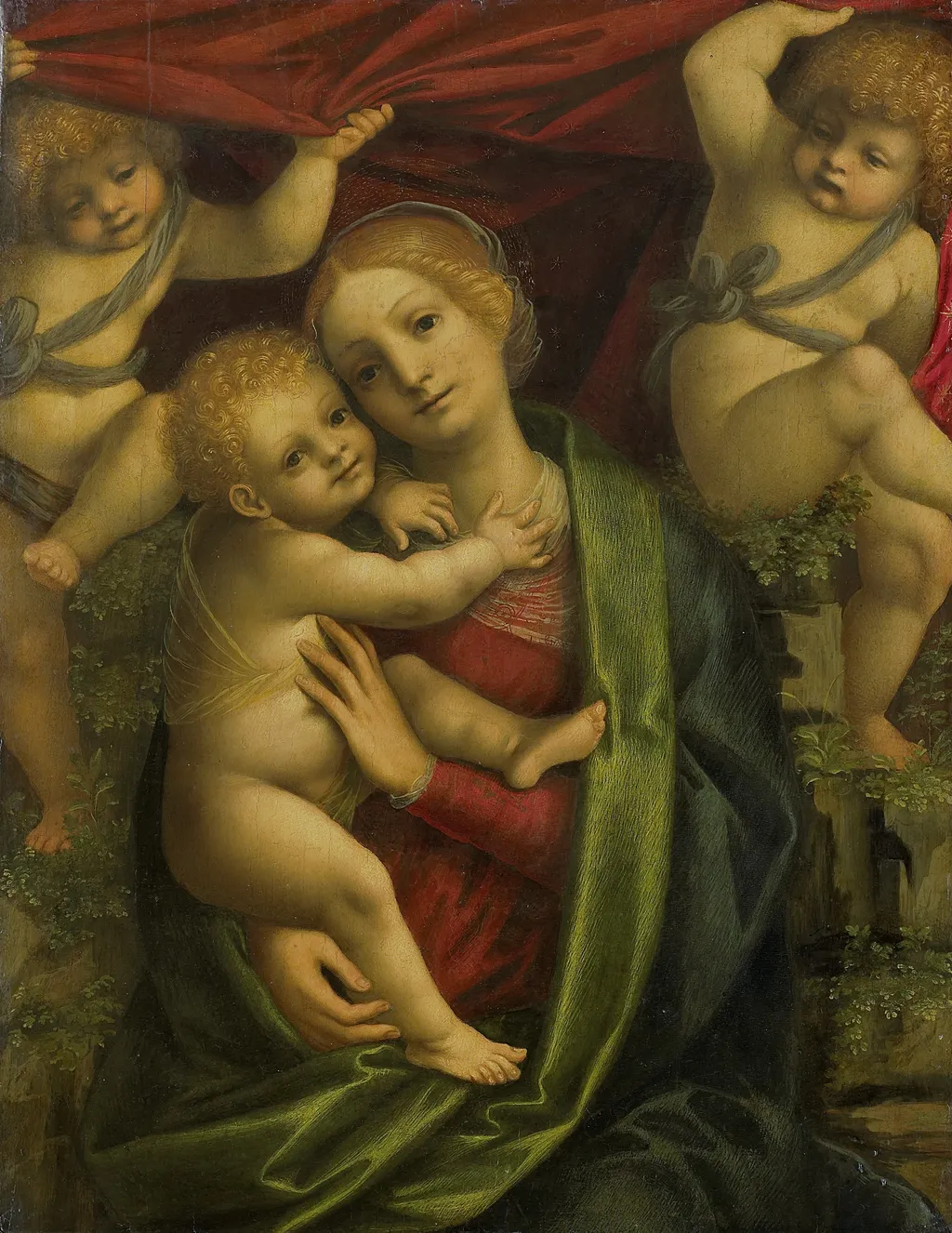
Virgin and Child is an oil painting by the Mannerist artist Gaudenzio Ferrari. It is held in the collection of the Rijksmuseum.
About this work
Subject & Meaning
This religious painting depicts the Madonna and Child, a central subject in Christian iconography representing the Virgin Mary with the infant Jesus.
This religious painting depicts the Madonna and Child, a central subject in Christian iconography representing the Virgin Mary with the infant Jesus. The work portrays Mary as a mother figure alongside her son, who is shown as a young boy. As a piece of religious art created in the mid-16th century, the image focuses on the intimate bond between mother and child, a common theme intended to evoke devotion and reflect theological concepts regarding the incarnation.
The composition utilizes oil paint on panel to render these sacred figures, adhering to traditional representations of the holy family prevalent in European art of the period.
Technique & Style
Gaudenzio Ferrari's Virgin and Child, dated to 1550, is executed in oil paint on a panel support. The work functions as a religious painting depicting the Madonna and the Christ Child. Physically, the panel measures 76.5 cm in height and 59.5 cm in width.
The medium and support combination is characteristic of the period's religious art, with the oil paint applied to the rigid wooden surface to render the figures of Mary and the boy.
History & Provenance
Gaudenzio Ferrari's Virgin and Child was painted in 1550 in oil on panel. The work subsequently entered the Grand Ducal collection, passing through the hands of several owners including Auguste du Blaisel, Peter II, Grand Duke of Oldenburg, and Frederick Augustus II, Grand Duke of Oldenburg. It is now held in the Rijksmuseum, where it is also associated with the Augusteum location.
Legacy
Deriving from Gaudenzio Ferrari’s 1550 oil on panel, the Virgin and Child exemplifies Lombard religious painting of the mid‑sixteenth century. Its composition, featuring the Madonna cradling the infant Christ, reflects the devotional emphasis of the period and has been cited in scholarship on Ferrari’s contribution to the genre. The work entered the Rijksmuseum through a succession of owners from the Grand ducal house of Oldenburg, underscoring its provenance and institutional significance.
As part of the museum’s holdings, the painting continues to inform studies of Renaissance iconography and the evolution of maternal imagery in European art.
Overview
Gaudenzio Ferrari's painting, Virgin and Child, created around 1550, is an oil on panel work depicting the Madonna and infant Jesus. This religious composition is characterized by its intimate portrayal of the central figures, surrounded by angelic attendants. The artwork is currently housed in the collection of the Rijksmuseum, where it represents a significant example of Renaissance devotional art.
Own this work as a print
Artist & collection

- Virgin and Child
 Maria mit Kind und Johannesknaben
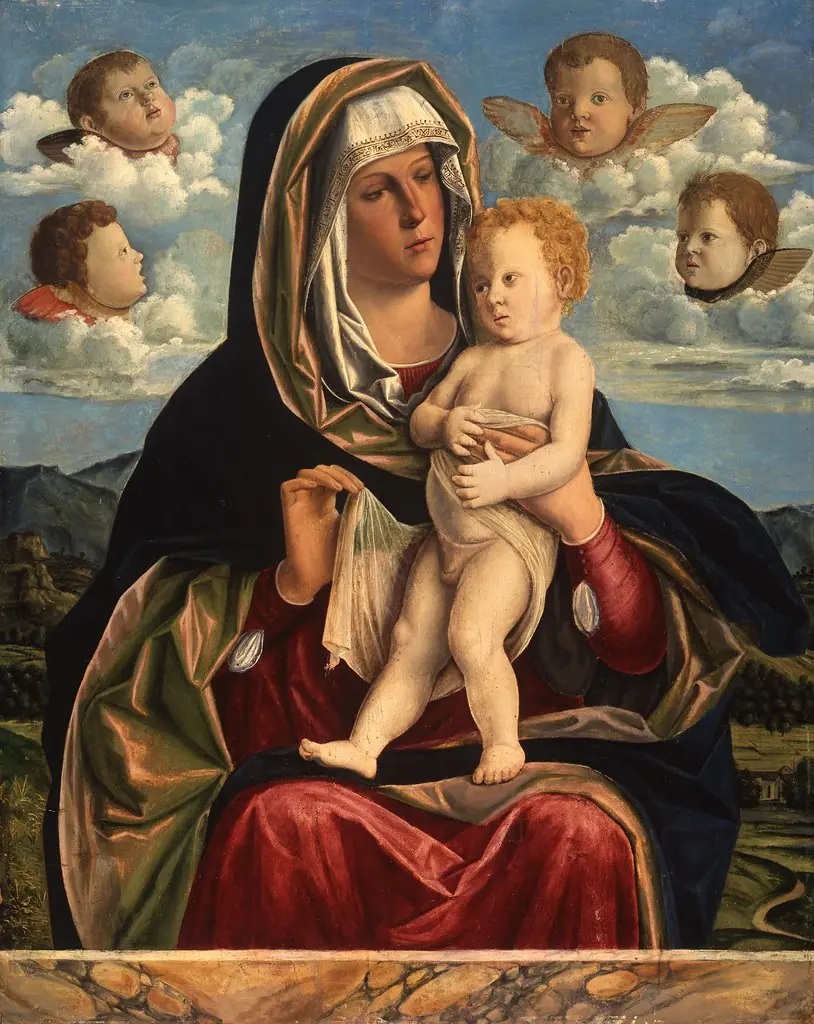 The Virgin and Child
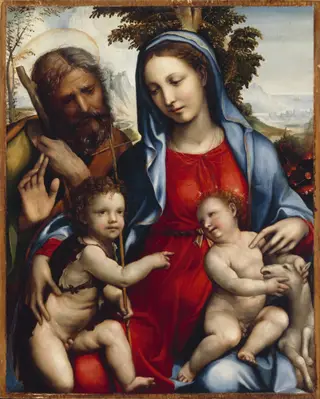 The Holy Family and St. John
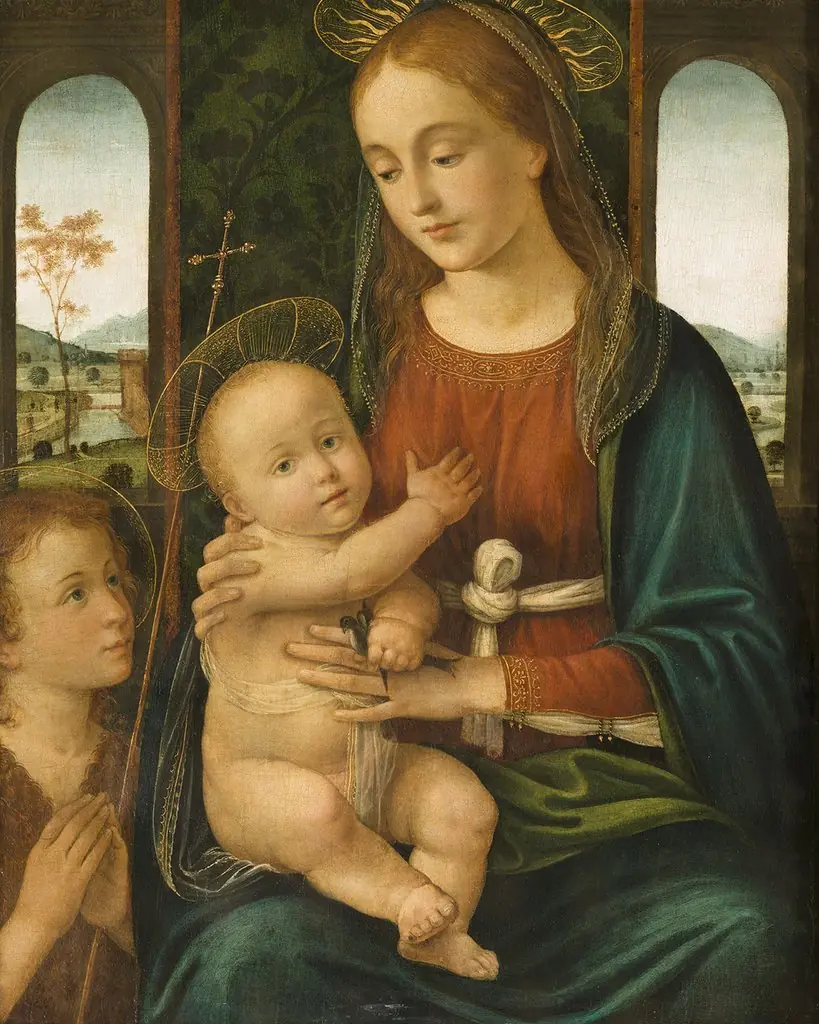 Virgin and Child with Saint John the Baptist
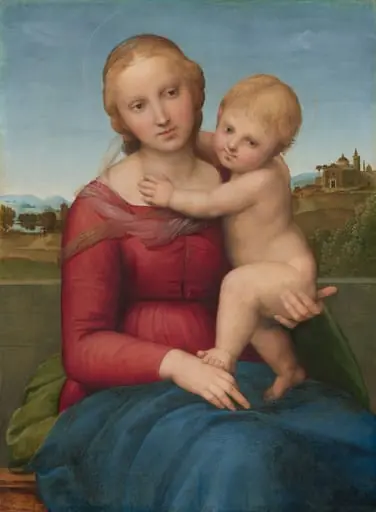 The Small Cowper Madonna
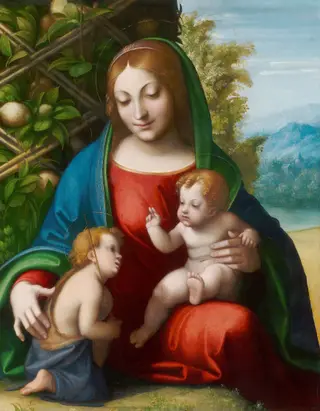 Virgin and Child with the Young Saint John the Baptist
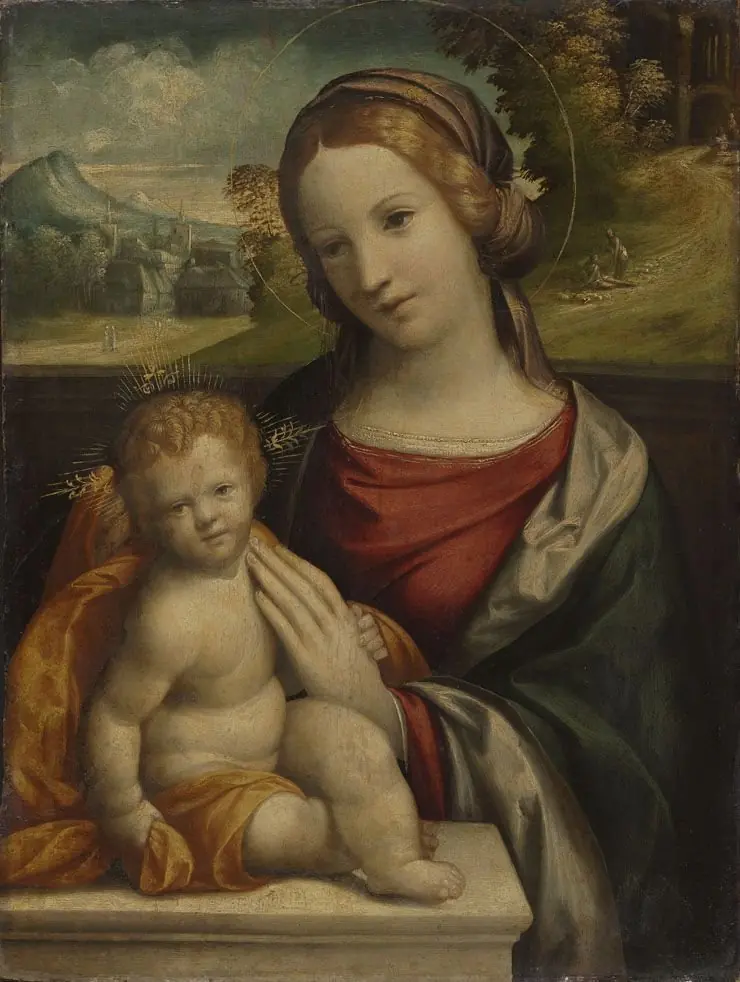 Mary with Child
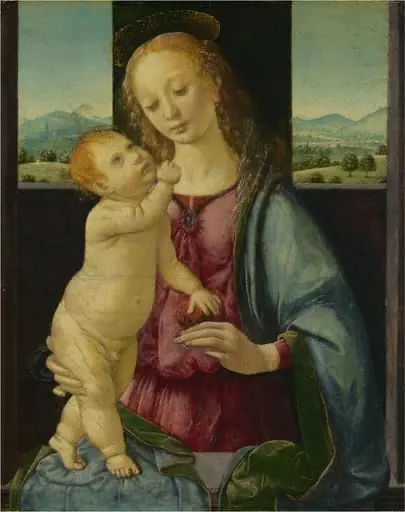 Madonna and Child with a Pomegranate
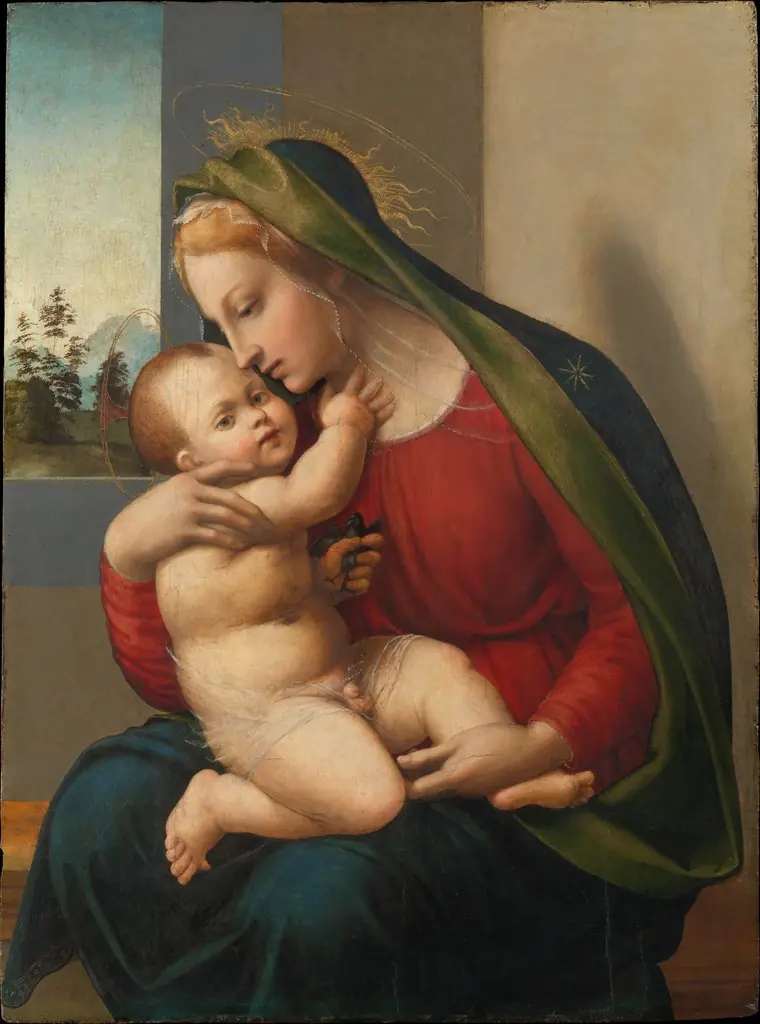 Madonna and Child
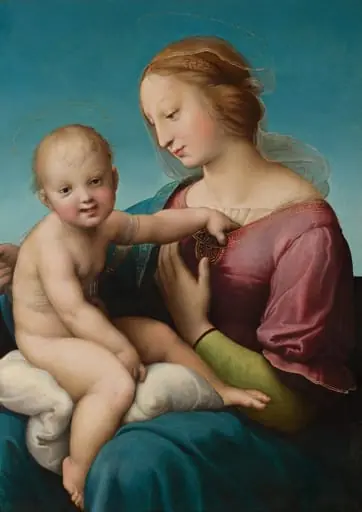 The Niccolini-Cowper Madonna
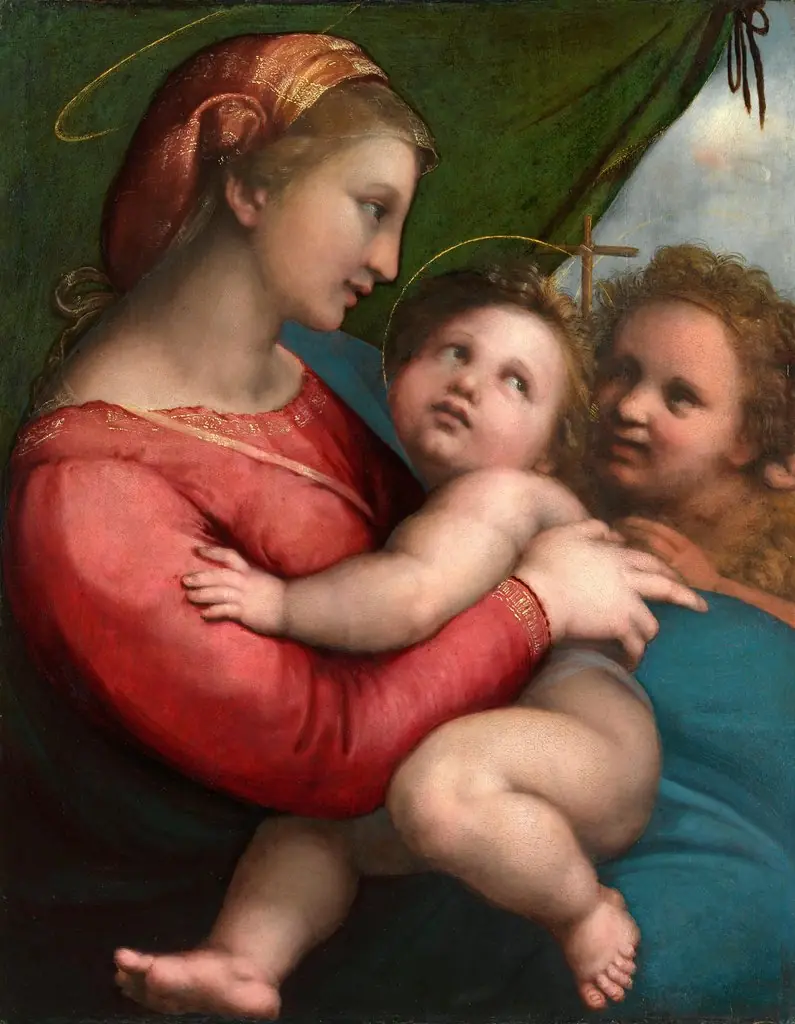 Madonna della tenda
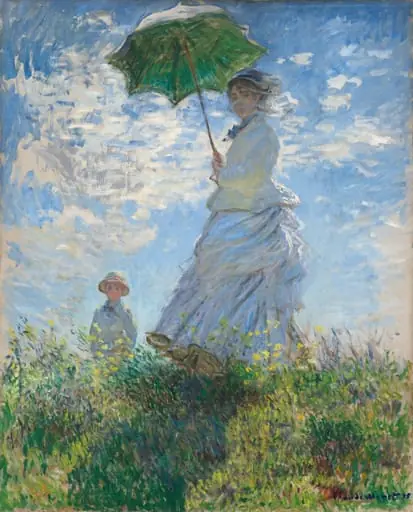 Woman with a Parasol - Madame Monet and Her Son
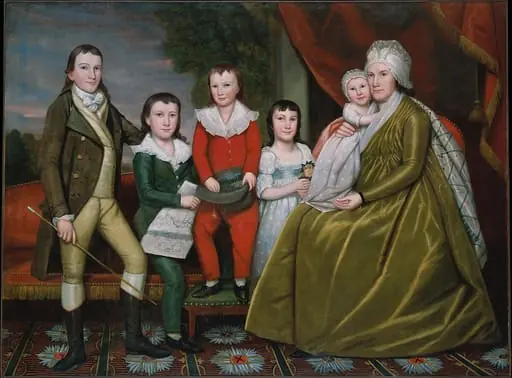 Mrs. Noah Smith and Her Children
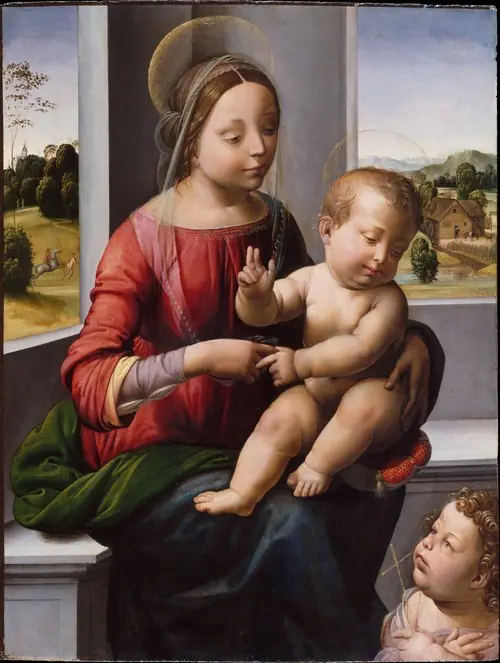 Madonna and Child with the Young Saint John the Baptist
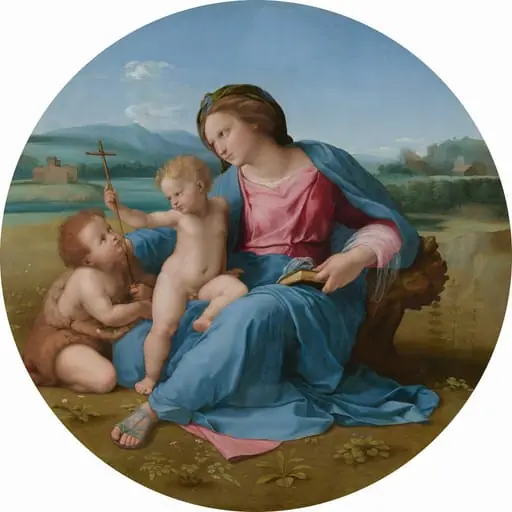 The Alba Madonna
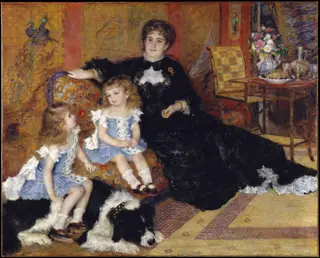 Madame Georges Charpentier and her Children
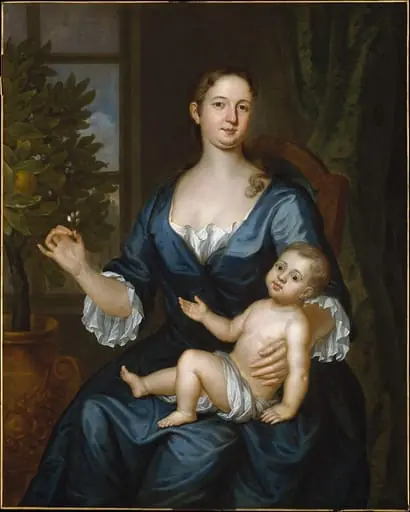 Mrs. Francis Brinley and Her Son Francis
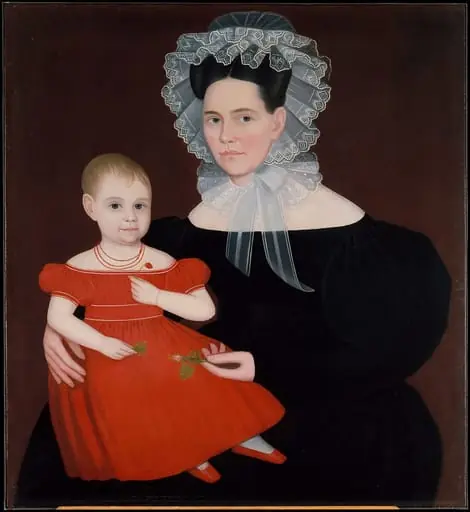 Mrs. Mayer and Daughter
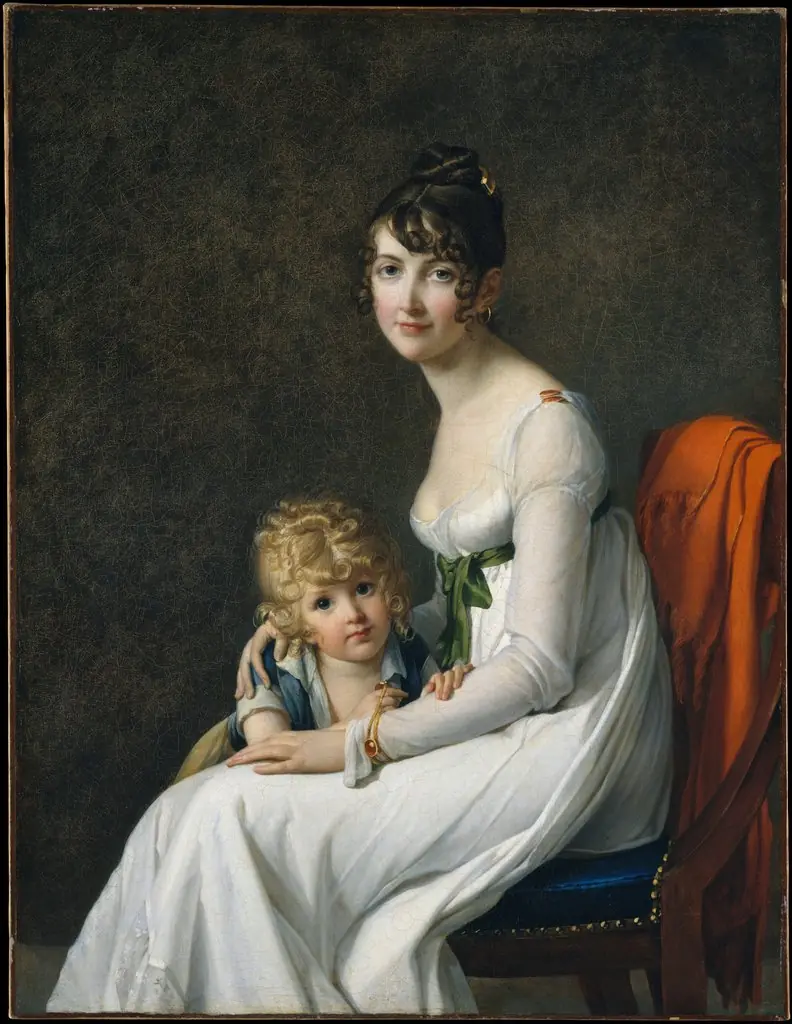 Madame Philippe Panon Desbassayns de Richemont (Jeanne Eglé Mourgue, 1778–1855) and Her Son, Eugène (1800–1859)