Artwork
Virgin and Child
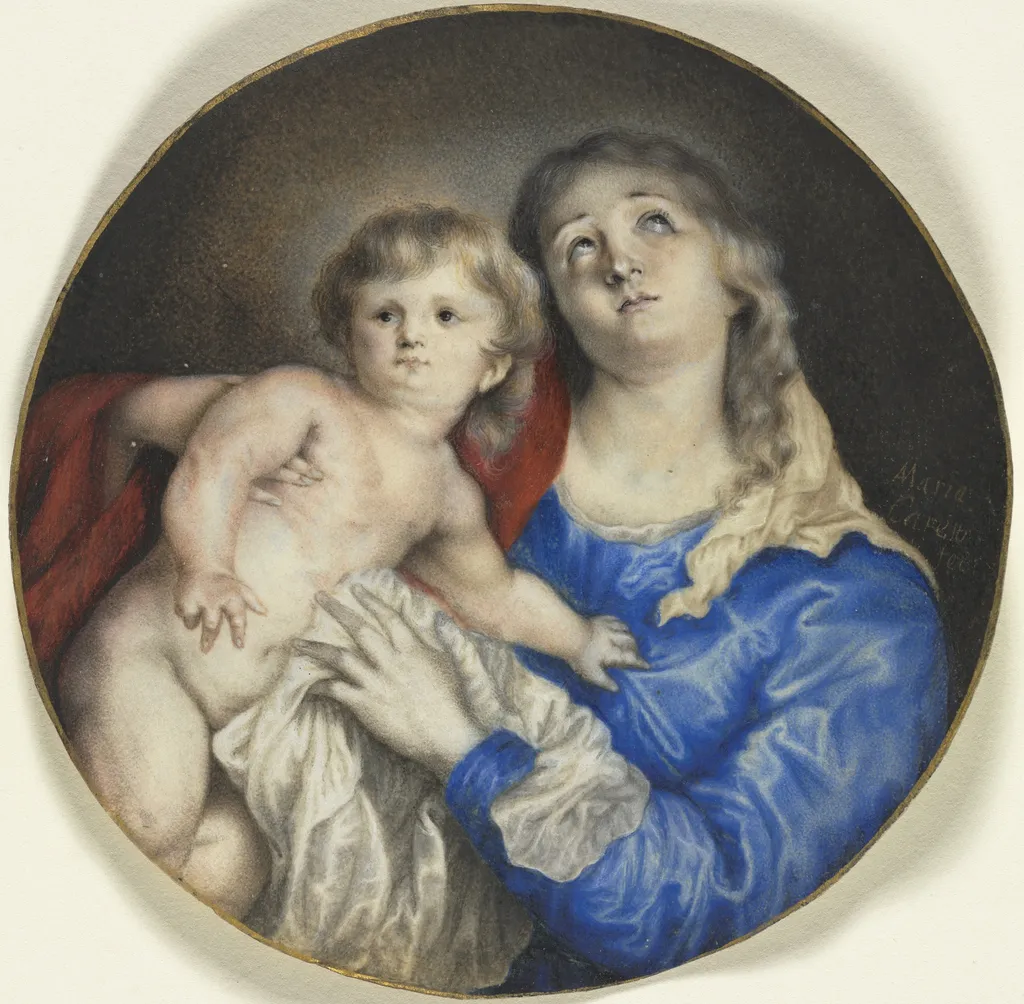
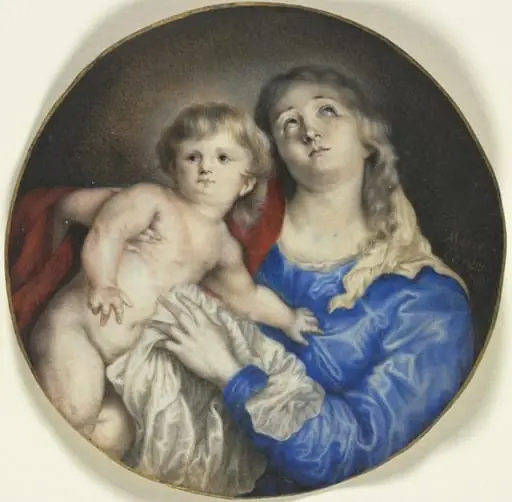
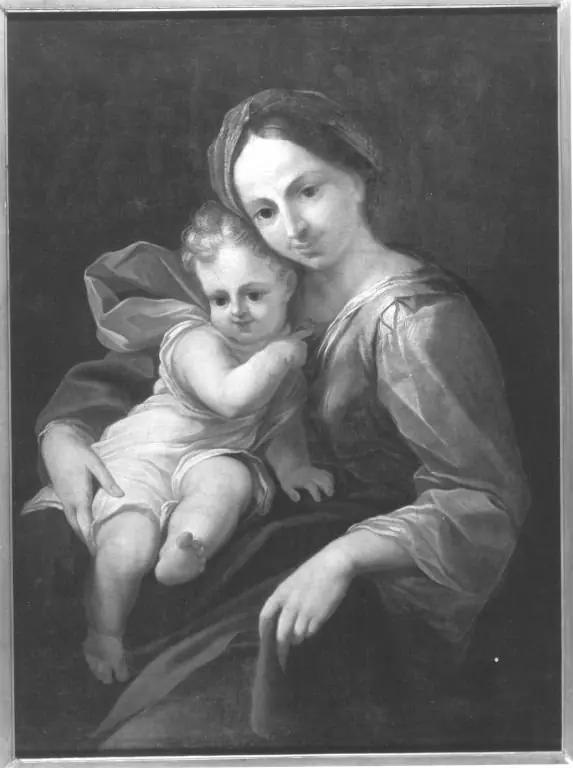
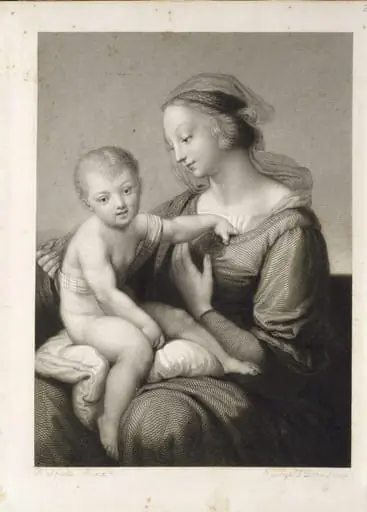
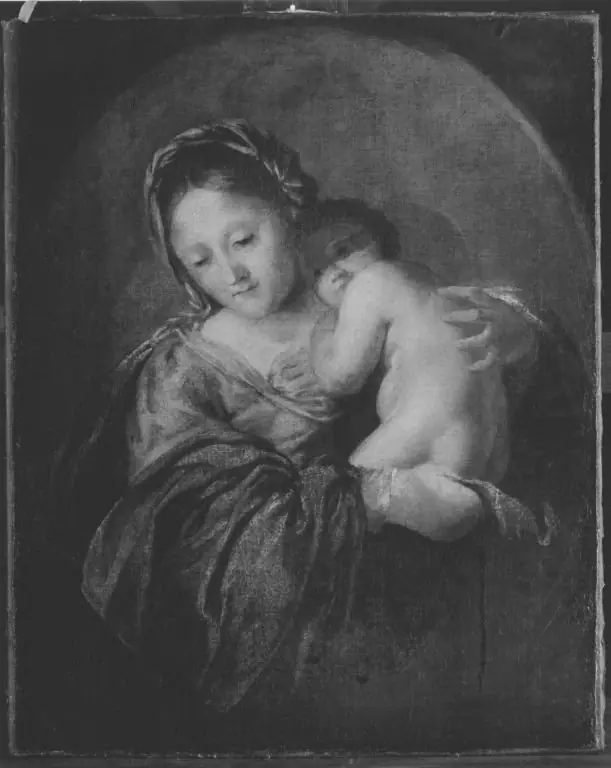
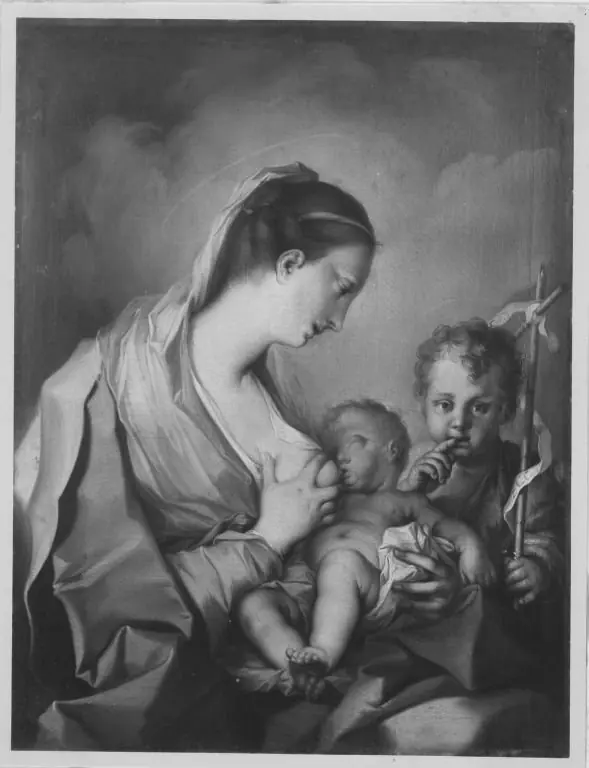
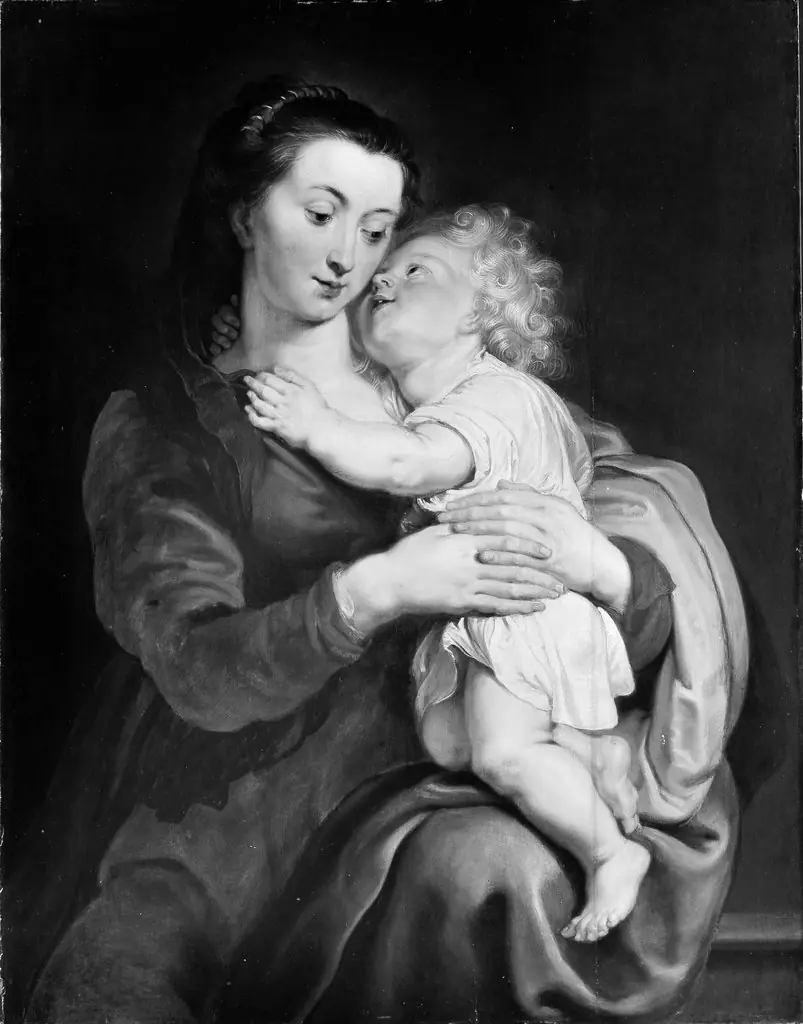
Virgin and Child is an unspecified painting. It dates from 1662 and is held in the collection of the Cleveland Museum of Art. This painting depicts the Virgin Mary tenderly holding the Christ Child.
About this work
Subject & Meaning
Such images functioned as objects of personal devotion and as expressions of theological ideas about Mary's role as the Mother of God and Christ's humanity.
The painting depicts the Madonna and Child, a central devotional subject in Christian religious art. The genre is identified as religious, with the main subject recorded as the Madonna and Child, the traditional depiction of the Virgin Mary holding the infant Jesus.
In Christian iconography, this subject represents the maternal bond between Mary and Christ and embodies themes of divine incarnation, tenderness, and salvation. Such images functioned as objects of personal devotion and as expressions of theological ideas about Mary's role as the Mother of God and Christ's humanity.
History & Provenance
Created in 1662, this religious portrait miniature is attributed to the British artist Anna Maria Carew. The work, which depicts the Madonna and Child, entered the collection of the Cleveland Museum of Art, where it is currently held under the accession number 2008.148. While the specific circumstances of its original commission and the chain of ownership prior to its 2008 acquisition remain undocumented in the available records, the piece is firmly dated to the mid-17th century based on institutional documentation.
The Virgin and Child is part of the collection of the Cleveland Museum of Art, where it is recorded under accession number 2008.148. The work, attributed to an unknown artist, was created in 1662 and classified as a religious painting. Its subject depicts the Madonna and Child, consistent with devotional imagery of the period.
The documented provenance includes only its presence in the museum’s holdings; the cited sources do not reference any exhibition history for this piece.
Context
The work titled Virgin and Child, dated 1662, is recorded as a religious painting in the corpus of mid‑seventeenth‑century European art. It is classified as a portrait miniature and depicts the Madonna and Child, a motif that persisted in devotional imagery. Scholarly attention has noted its presence in the Cleveland Museum of Art, where it is catalogued under accession 2008.148 and attributed to the British miniaturist Anna Maria Carew, though the attribution remains tentative.
The piece fits within the tradition of Madonna and Child representations that persisted in religious painting of the period.
Overview
This painting depicts the Virgin Mary tenderly holding the Christ Child. The composition emphasizes the intimate connection between the figures, set against a subdued background that allows their forms to emerge prominently. The artist's attention to detail in drapery and skin texture contributes to the painting's overall visual impact, presenting a traditional religious subject with a focus on human warmth and sculptural presence.
Technique & Style
The artist employs a sophisticated use of light and shadow to imbue the figures with a three-dimensional quality. This technique, known as chiaroscuro, creates a strong contrast between illuminated areas and deep shadows, enhancing the sculptural volume of the Virgin's blue drapery and the child's smooth, yet subtly modeled, skin. The soft folds of the fabric and the delicate rendering of flesh tones demonstrate a skillful command of painterly effects, making the figures appear lifelike and tangible.
Artist & collection