Artwork
Virgin and Child
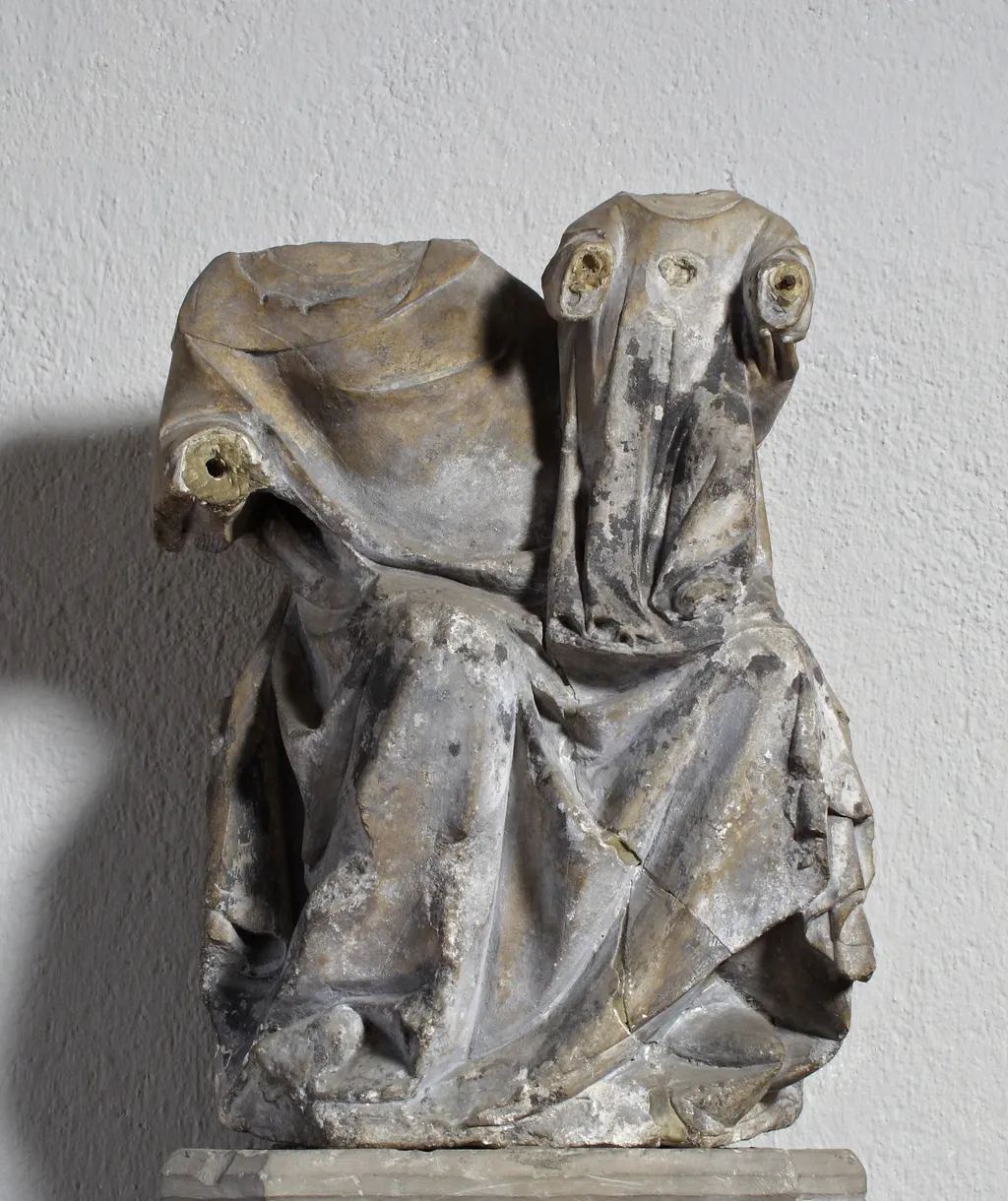
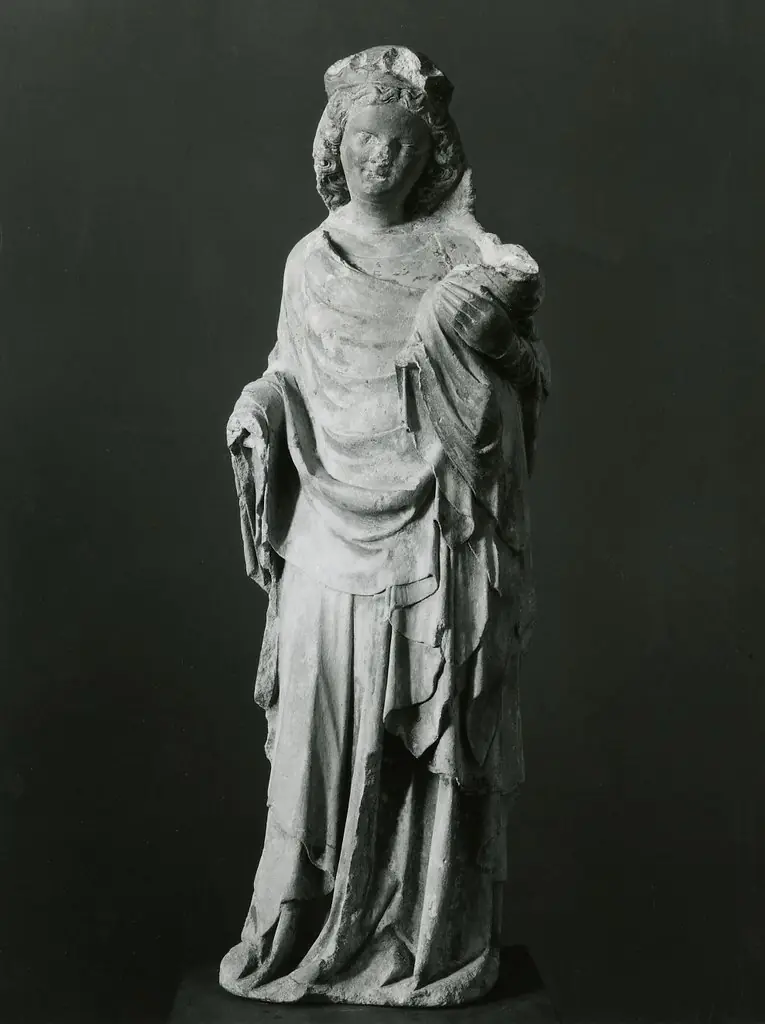
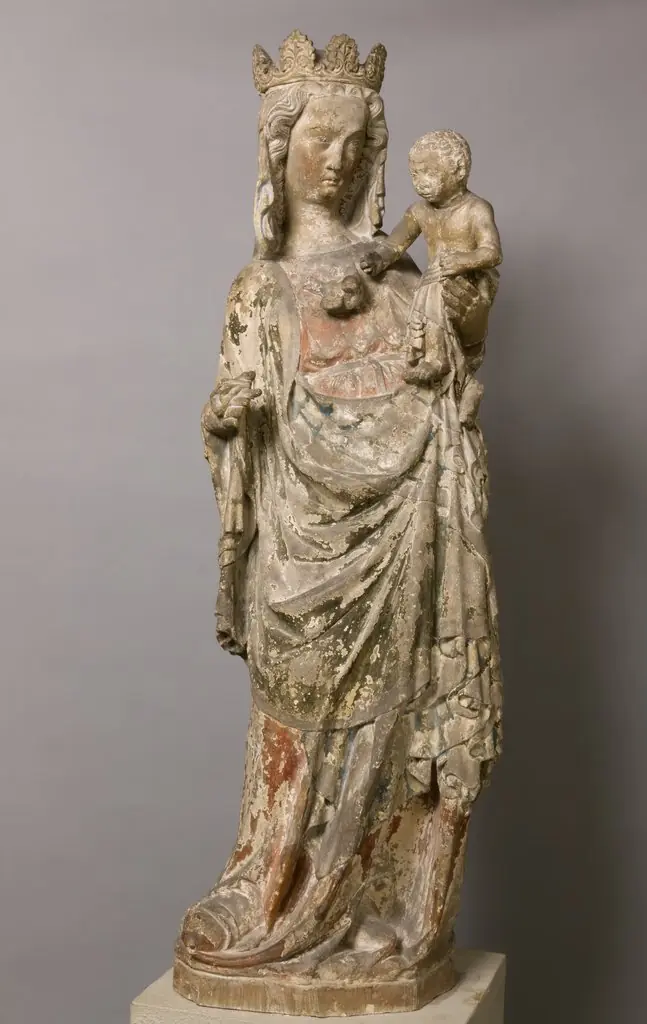
Virgin and Child is an unspecified painting. It dates from 1350 and is held in the collection of the Metropolitan Museum of Art. This stone sculpture depicts a seated female figure cradling a child on her lap, a common representation in Christian art.
About this work
Subject & Meaning
According to the sources, the work portrays Mary and the Christ Child, with the main subject identified as Madonna and Child.
The painting depicts the Madonna and Child, a foundational devotional subject in religious art. According to the sources, the work portrays Mary and the Christ Child, with the main subject identified as Madonna and Child. Classified as a religious painting dated to 1350, the composition belongs to the long tradition of Marian imagery in which the Virgin Mary is shown with the infant Jesus, a subject that served as a focus of personal devotion and a meditation on the Incarnation.
The attribution to an anonymous artist and its preservation at the Metropolitan Museum of Art situate it within the broader corpus of medieval devotional panels produced for private veneration, though the sources provide no further detail on specific iconographic attributes, gestures, or symbolic elements that would distinguish this particular treatment of the theme.
History & Provenance
The Virgin and Child is a religious painting dated to approximately 1350 and created by an anonymous artist. The work depicts the Madonna and Child, a central subject in religious art. It is held in the collection of the Metropolitan Museum of Art, where it is catalogued under the accession number 25.120.289a-e.
While the specific commission details and original ownership chain prior to its arrival at the museum are not detailed in the available records, the work's inception is established in the mid-fourteenth century. The records confirm the artwork's location and classification but do not contain further provenance documentation or exhibition history beyond its current institutional custody.
Overview
This stone sculpture depicts a seated female figure cradling a child on her lap, a common representation in Christian art. Though the title specifies "Virgin and Child," the woman's head is absent, a result of historical damage. The artwork conveys a sense of quiet intimacy between the two figures, characterized by the child's serene expression as he rests against the woman.
Technique & Style
Carved from stone, the sculpture exhibits a direct approach to form. The drapery of the figures' robes is rendered with simple, unadorned folds, contributing to a sense of solemnity rather than elaborate detail. The surviving features of the child reveal gentle contours, indicative of the sculptor's intent to convey tenderness despite the inherent hardness of the medium.
Context
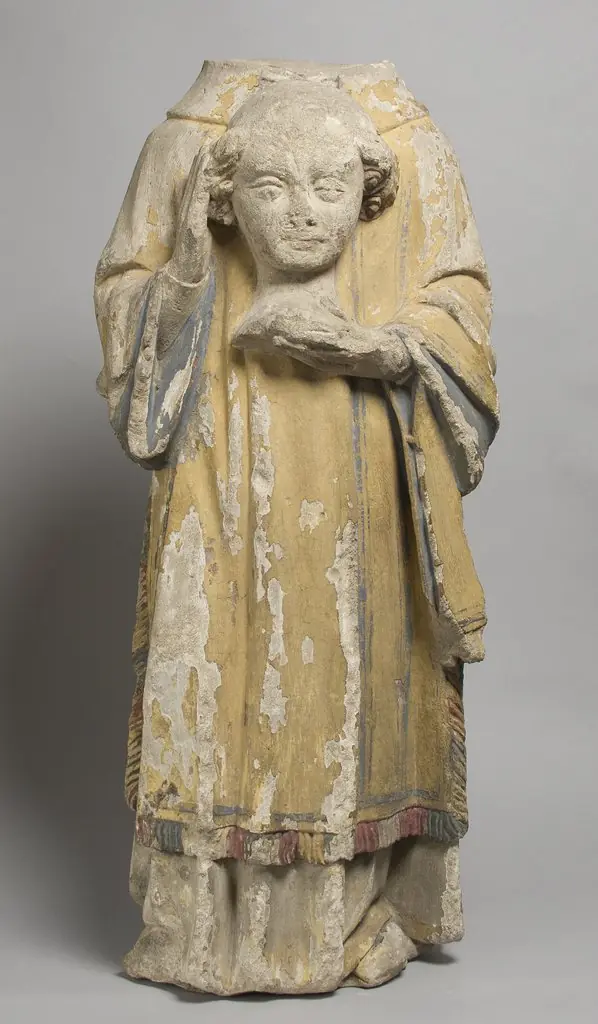
The sculpture bears visible signs of its age and history, most notably the complete absence of the woman's head. This type of damage is frequently observed in ancient and medieval artworks, often resulting from environmental factors, intentional iconoclasm, or accidental breakage over centuries. Despite this significant loss, the child's face remains largely preserved, offering insight into the original craftsmanship.
Artist & collection