Artwork
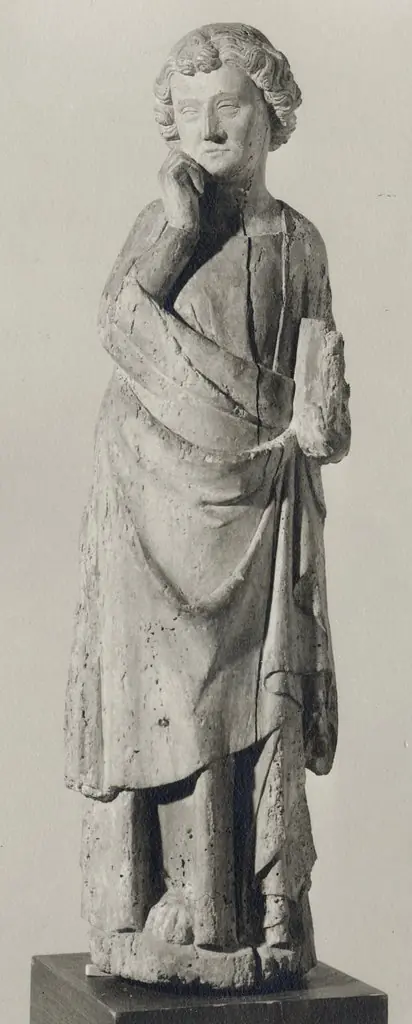
Saint John
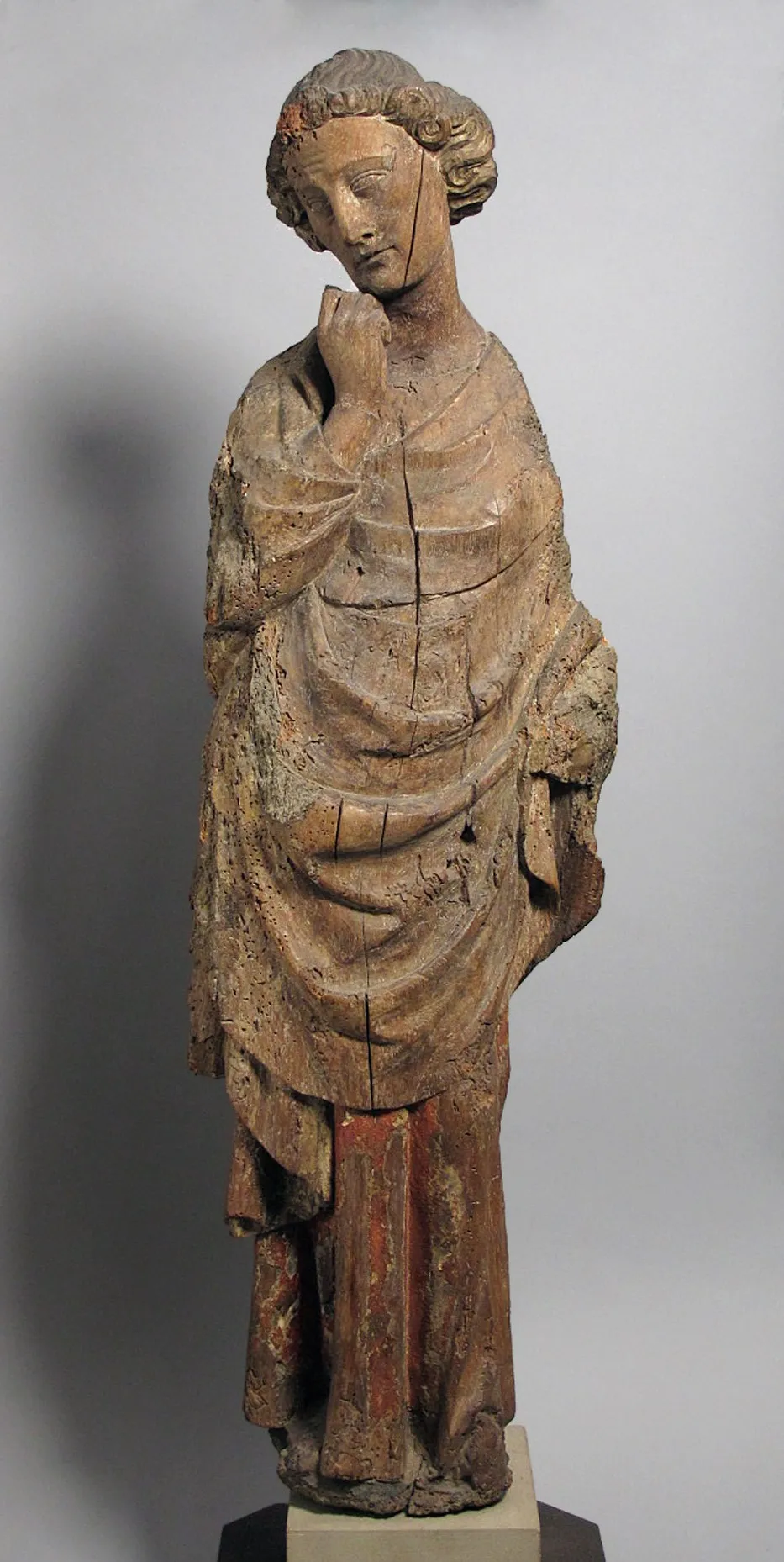
Saint John is an unspecified painting. It dates from 1350 and is held in the collection of the Metropolitan Museum of Art.
About this work
Subject & Meaning
The work is classified as religious art and is held in the collection of the Metropolitan Museum of Art, where it is catalogued as object 25.
The painting depicts John the Evangelist, one of the four Evangelists of the Christian New Testament and traditionally regarded as the author of the Gospel of John. As a religious work from the mid-fourteenth century, it belongs to the long tradition of devotional imagery devoted to the saint, who was frequently venerated as the "beloved disciple" of Christ and, in later tradition, as the author of the Book of Revelation.
The work is classified as religious art and is held in the collection of the Metropolitan Museum of Art, where it is catalogued as object 25.120.262. Its date of 1350 places it within the Trecento period, an era in which Tuscan and Sienese painters in particular produced panel paintings of individual saints for both private devotion and church altars.
Although the surviving documentation does not specify iconographic attributes such as the eagle, the chalice, or a Gospel book that typically accompany images of John the Evangelist, the subject identification is confirmed by the work's title and its depiction entry in the cataloguing record.
History & Provenance
The panel titled Saint John is a 14th‑century religious painting executed circa 1350, as recorded in its inception date. It portrays John the Evangelist and was created by an anonymous master, a fact reflected in its classification as a religious work. The work entered the collection of the Metropolitan Museum of Art, where it has been displayed since its acquisition, making the museum its sole documented owner. No earlier ownership records or commissioning details are provided in the sources.
Context
Saint John is a 14th‑century panel painting portraying the biblical figure John the Evangelist. The work, attributed to an anonymous artist, was created circa 1350 and entered the collection of the Metropolitan Museum of Art, where it remains on view.
Its religious genre and devotional subject place it within the broader tradition of medieval iconography, a focus of ongoing scholarship on anonymous panel paintings in Western art. Researchers cite the piece when examining the development of narrative painting in the 1300s and its role in shaping visual storytelling for worship.
Overview
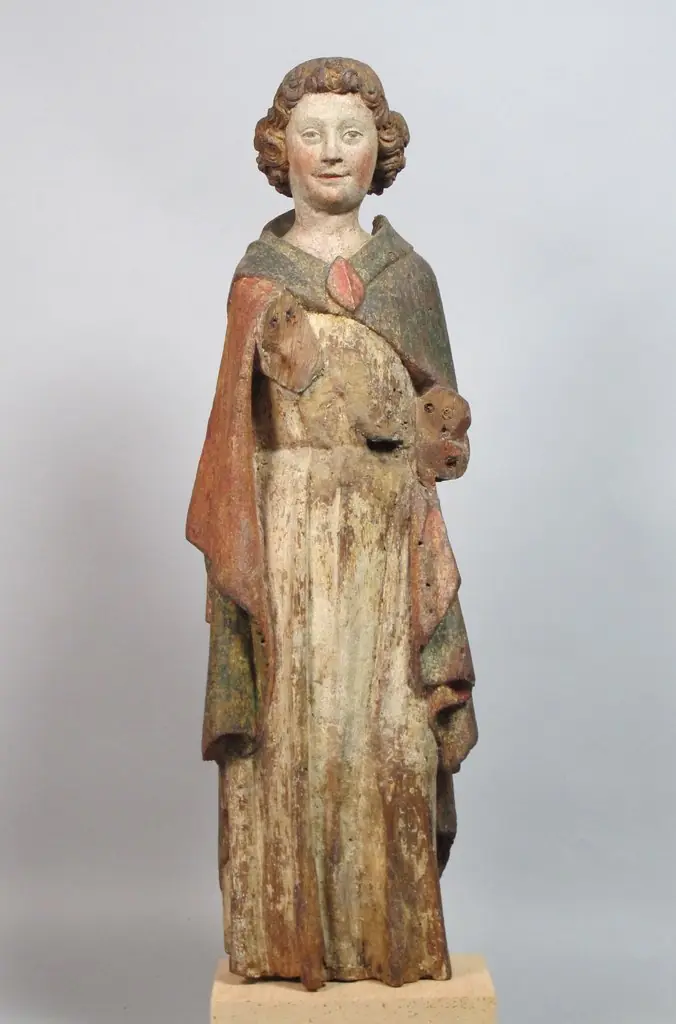
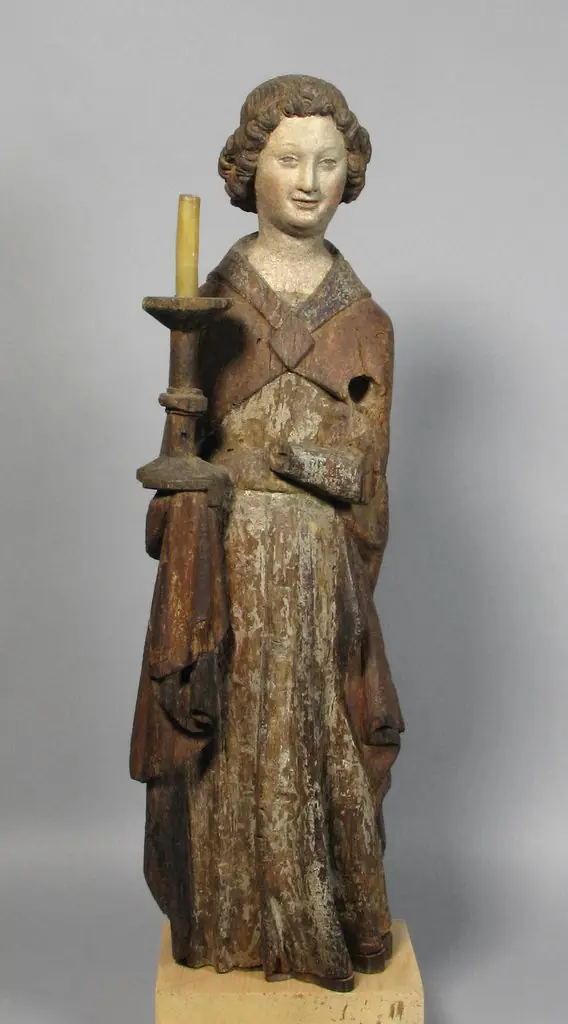
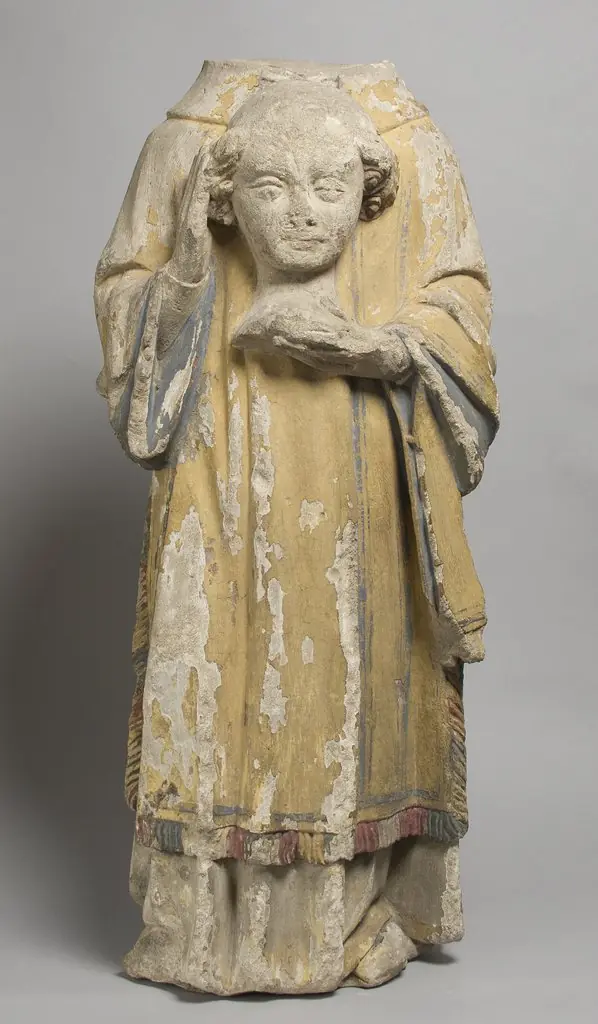
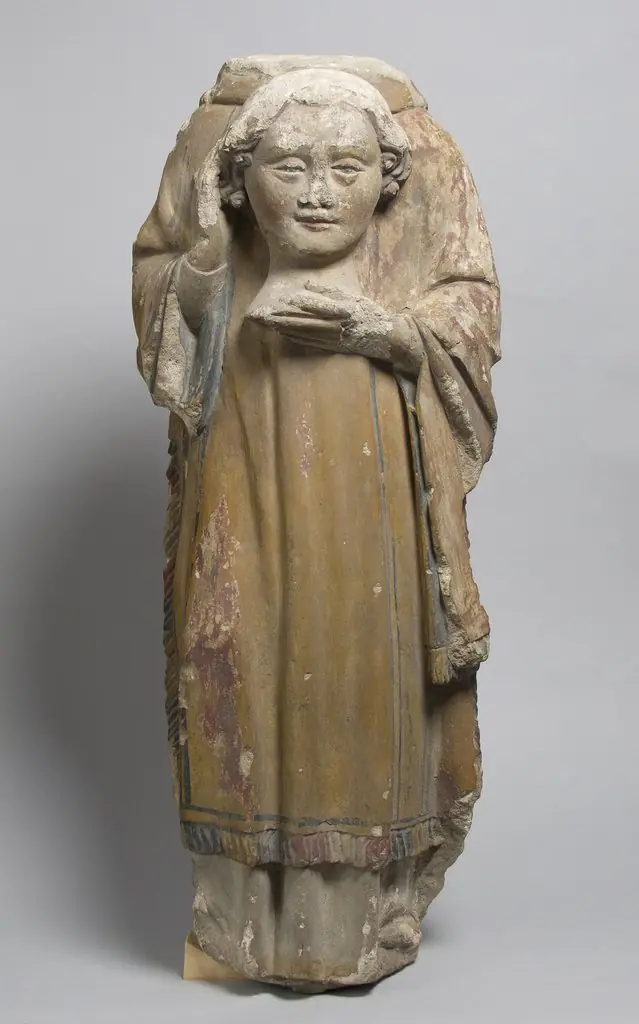
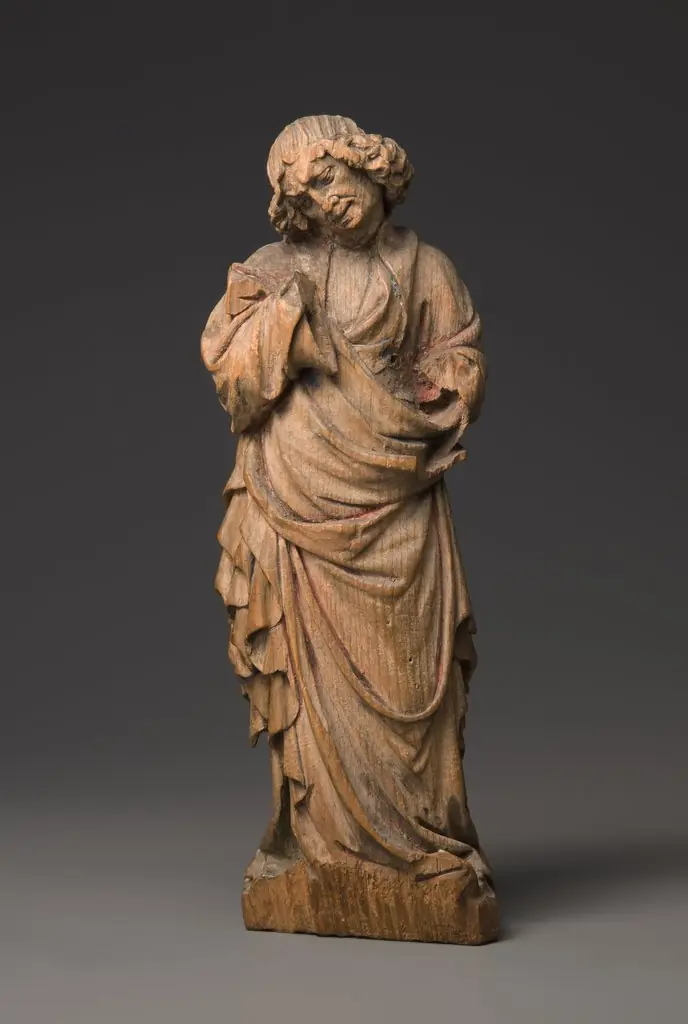
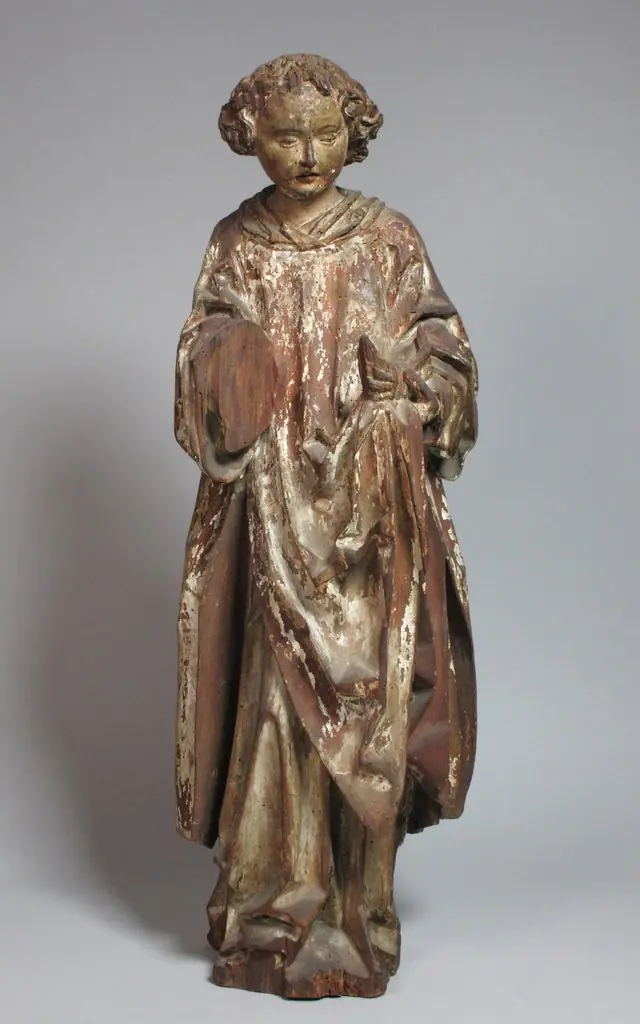
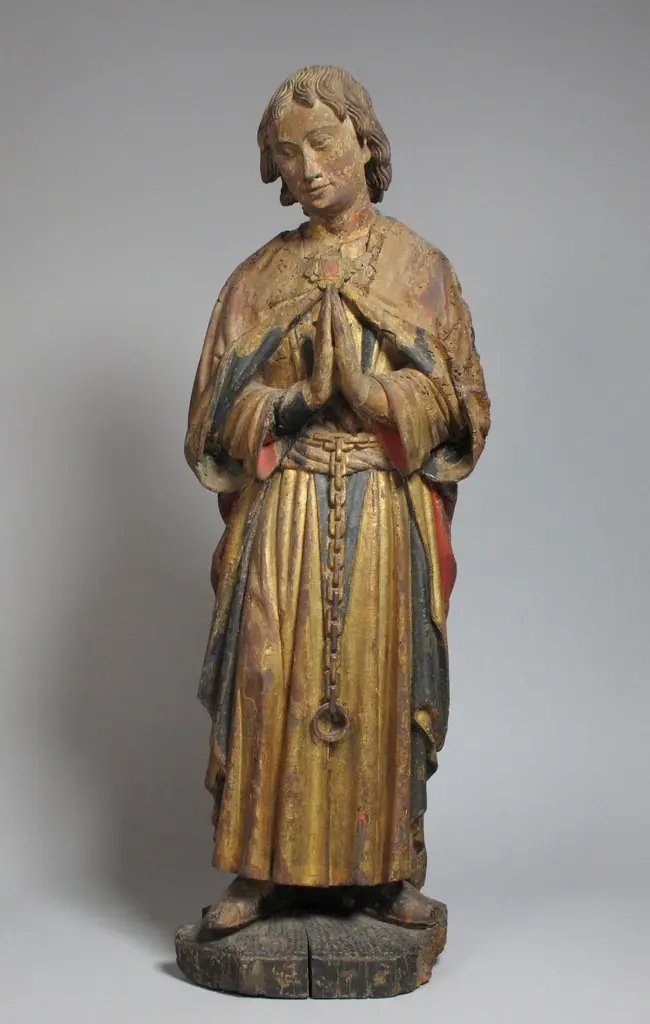
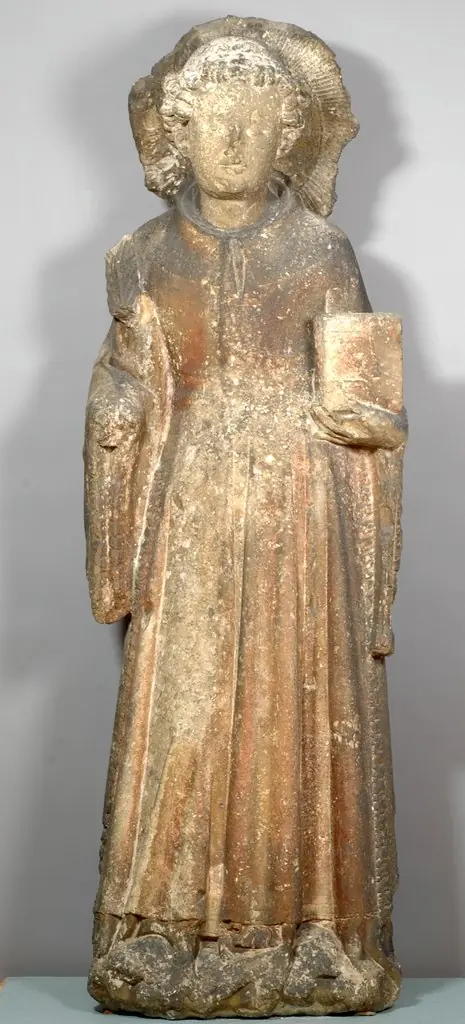
This sculpture, titled "Saint John," portrays a robed figure with a serene expression, standing with hands folded across the chest. Its worn surface, revealing cracks and traces of original coloration, suggests considerable age. The piece conveys a sense of quiet solemnity, characterized by a straightforward carving style that points to an earlier period of religious art, likely depicting John the Evangelist.
Technique & Style
The carving technique employed in this sculpture is direct and unadorned. The drapery of the robe is rendered with stiff, flattened folds, a stylistic approach characteristic of earlier periods, predating the more fluid and naturalistic forms of later sculpture. Remnants of red and brown pigment, visible amidst surface cracks, indicate that the figure was originally polychromed, a common practice to enhance its lifelike appearance and visual impact.
Artist & collection