Artwork
Martyred Deacon Saint
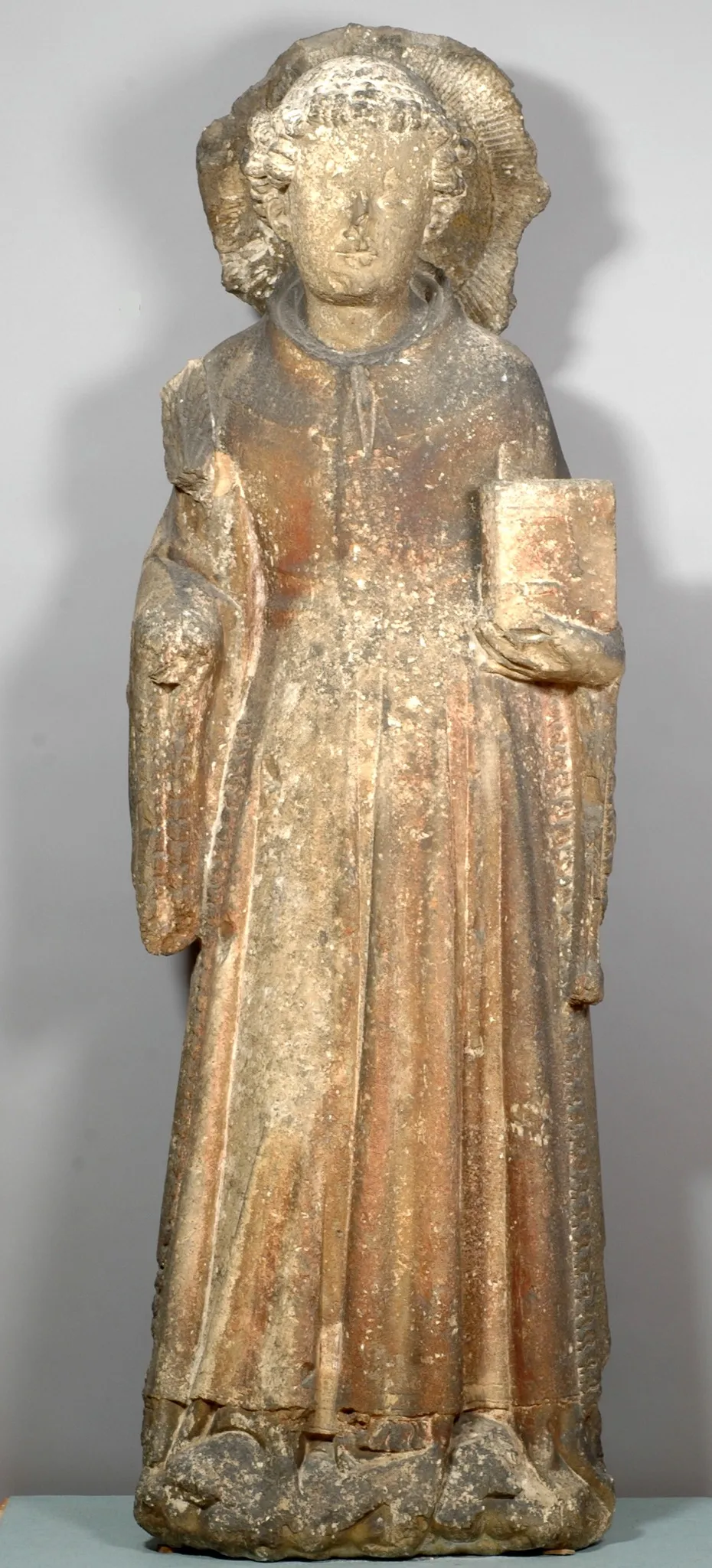
Martyred Deacon Saint is an unspecified painting. It dates from 1325 and is held in the collection of the Metropolitan Museum of Art.
About this work
Subject & Meaning
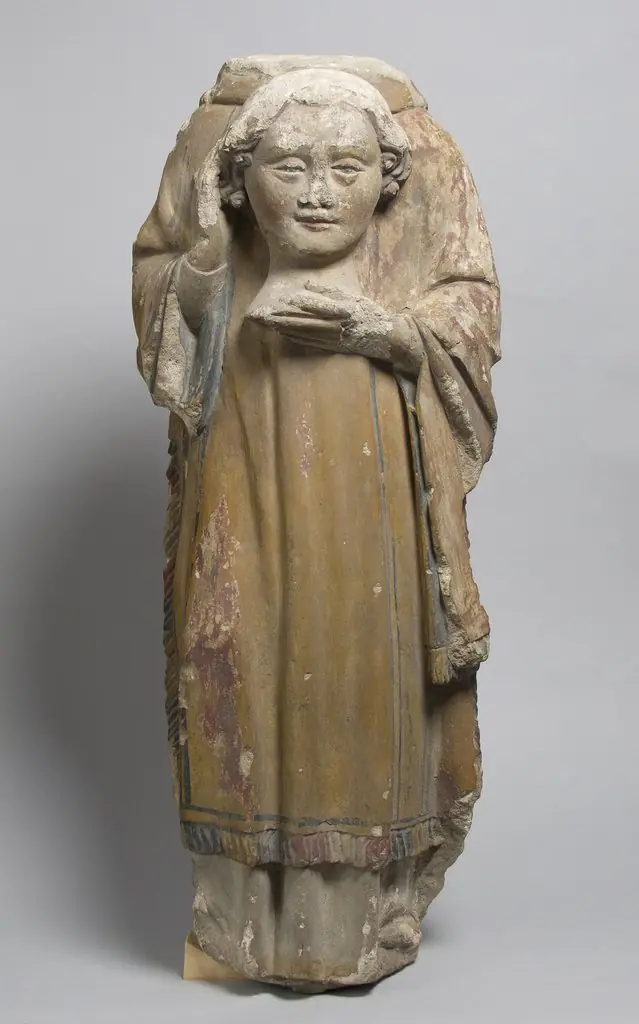
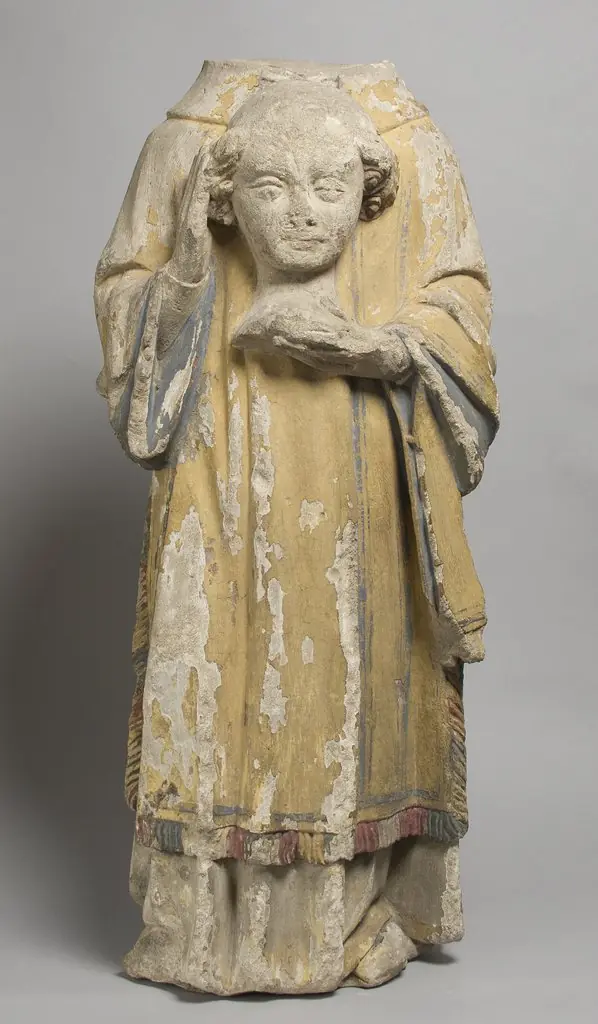
The work titled Martyred Deacon Saint, dated 1325, portrays a male saint identified as a deacon who has suffered martyrdom.
The work titled Martyred Deacon Saint, dated 1325, portrays a male saint identified as a deacon who has suffered martyrdom. Its iconography follows conventional medieval conventions: the figure is shown clothed in ecclesiastical vestments, often holding a palm frond, a symbol of victory over death and steadfast faith. The composition emphasizes solemnity, reflecting the saint’s witness to Christian testimony.
As an anonymous piece in the Metropolitan Museum of Art, the painting exemplifies 14th-century Italian religious art, using visual cues to convey the theological theme of sacrifice and divine witness.
History & Provenance
The Martyred Deacon Saint is an anonymous painting dated 1325, currently housed in the Metropolitan Museum of Art. The sources do not record any earlier owners or a documented commission; the work’s provenance is limited to its acquisition by the Met. Its creation history is therefore understood only through its stylistic dating to the early fourteenth century and its attribution to an unknown artist. It is classified as a painting of religious genre depicting a saint and a man.
Context
The Martyred Deacon Saint is a 14th-century religious painting held in the Metropolitan Museum of Art, catalogued as an anonymous work dated 1325. Its classification within the religious genre reflects the devotional art produced in workshops of the period, where individual masters were often not recorded. The anonymity and iconography of the martyred deacon are characteristic of medieval saintly imagery and of the collaborative nature of artistic production in early Italy.
Legacy
The Martyred Deacon Saint, an anonymous panel painted circa 1325, entered the collection of the Metropolitan Museum of Art, where its display underscores its significance as a representative example of early 14th‑century religious art. Its classification as a religious painting and the documented depiction of a saint and male figure have contributed to scholarly discussion of devotional imagery from this period. The work's provenance within a major public institution has helped sustain interest in medieval visual culture and informs contemporary interpretations of saintly representation in European painting.
Overview
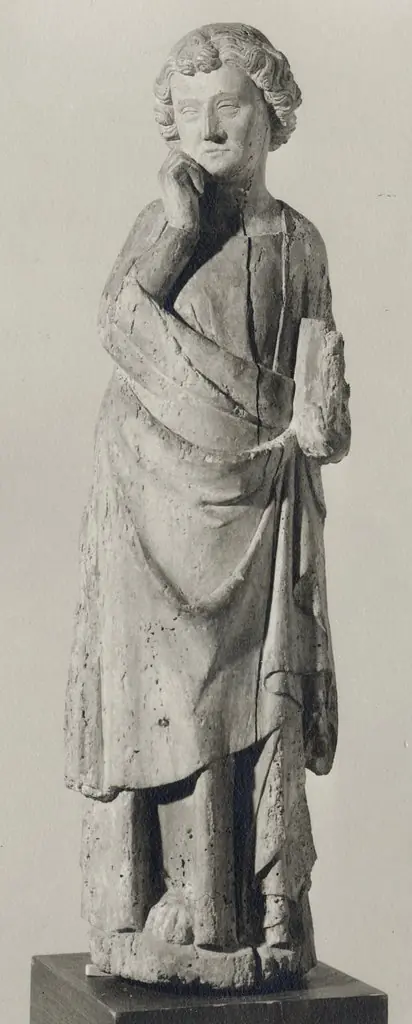
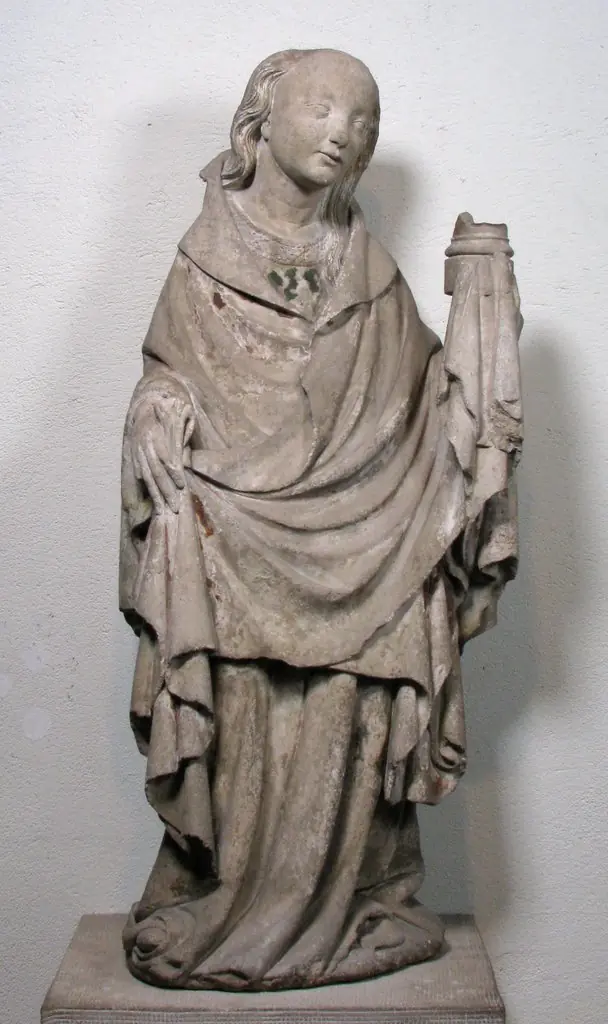
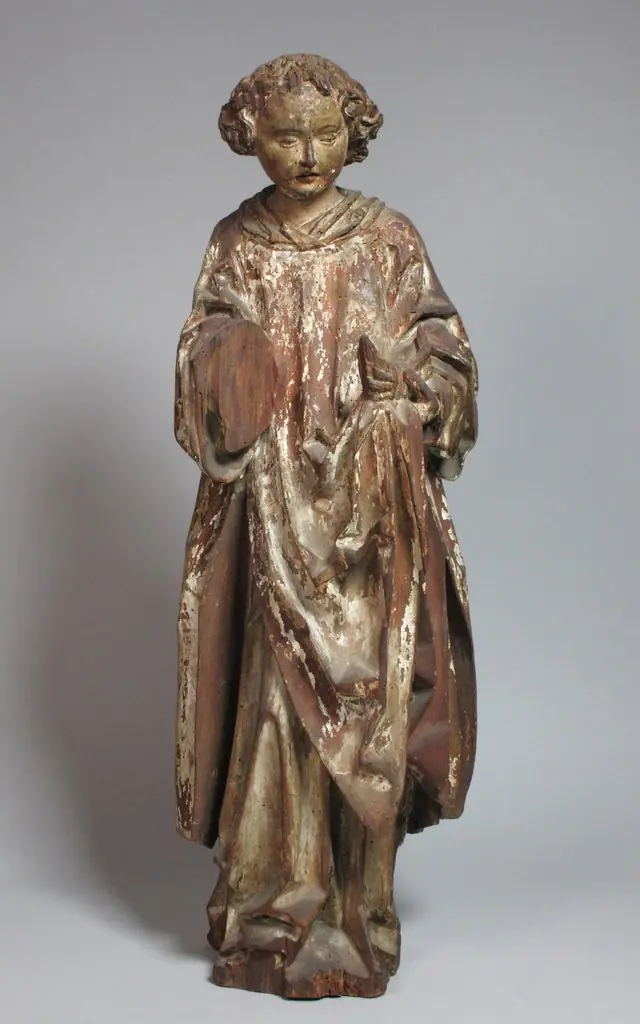
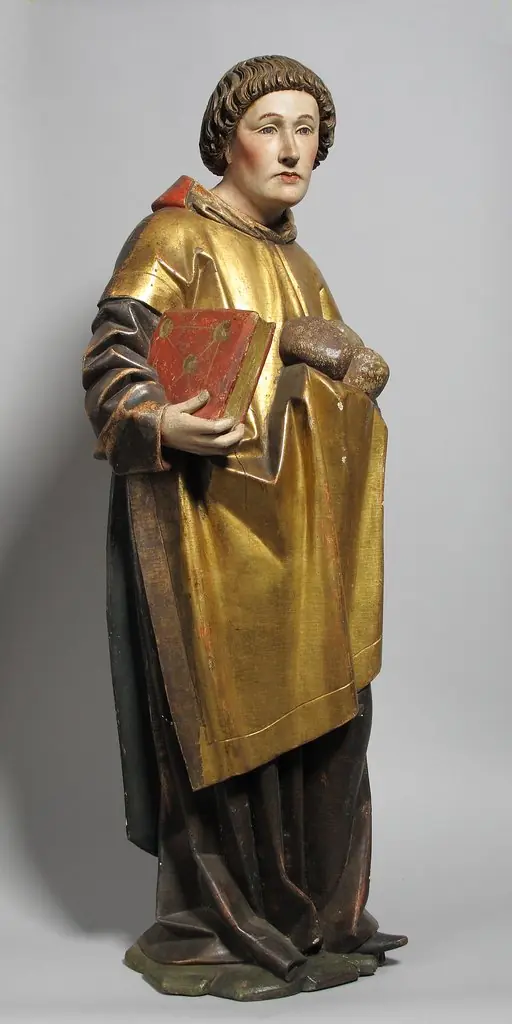
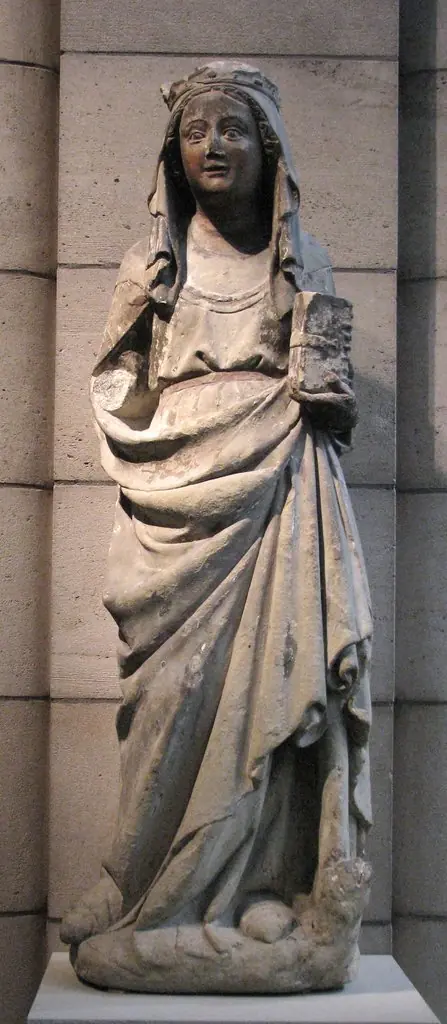
This sculpture, titled Martyred Deacon Saint, presents a tall, rigid figure. Draped in a long, deeply folded robe, the saint maintains a composed demeanor, characterized by a smooth, unadorned face and short, curly hair. One hand gently holds a flat book or tablet, while the other rests against the chest, conveying a sense of quiet contemplation or steadfastness.
Technique & Style
The artist rendered the saint's robe with sharp, linear folds, imparting a stiff, almost geometric quality to the drapery. This precise carving technique contributes to the figure's overall rigidity. The surface of the sculpture shows signs of age, with the original coloration appearing worn and faded in various areas, suggesting a history of exposure or use.
Artist & collection