Artwork
Woman from Edam
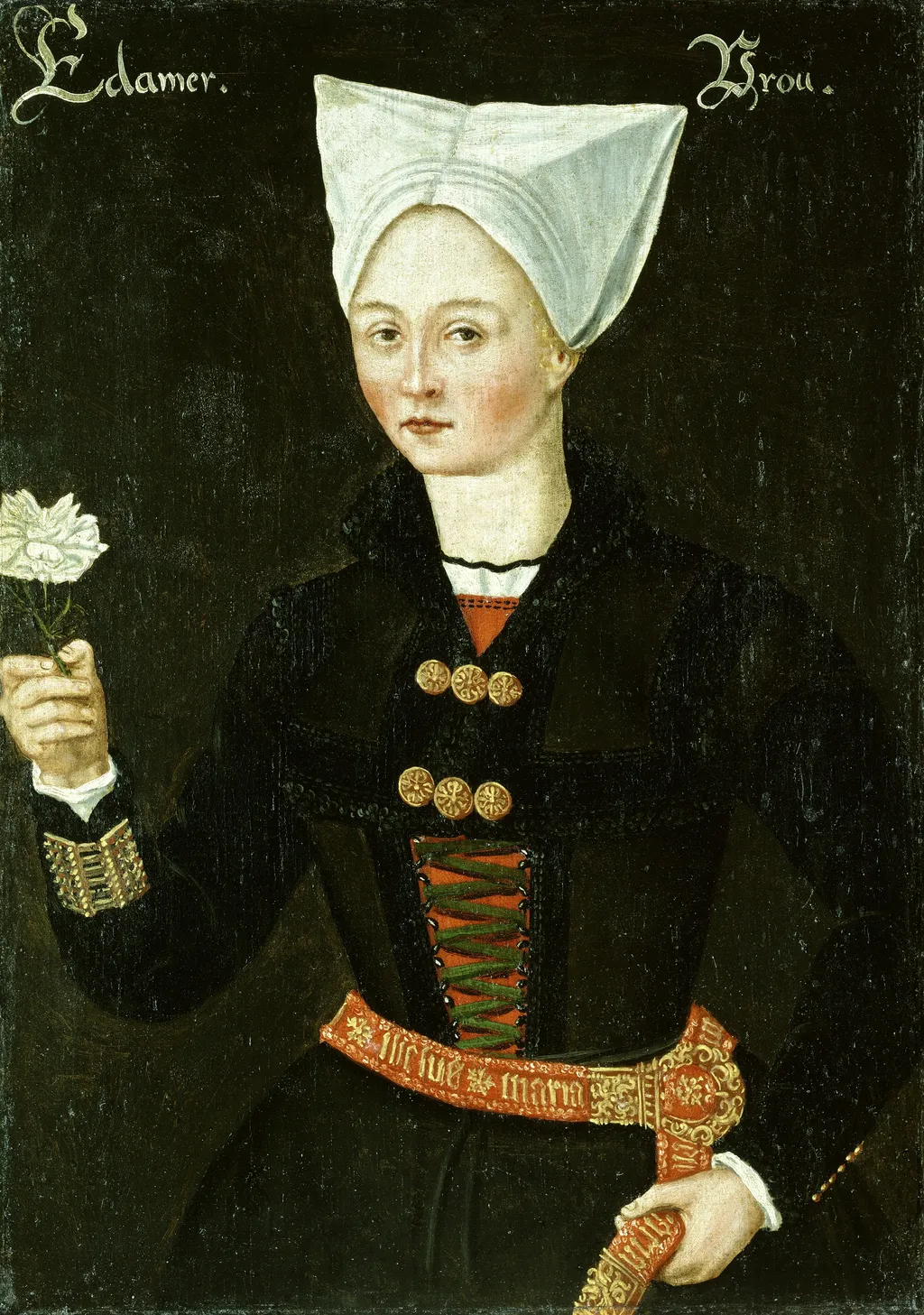
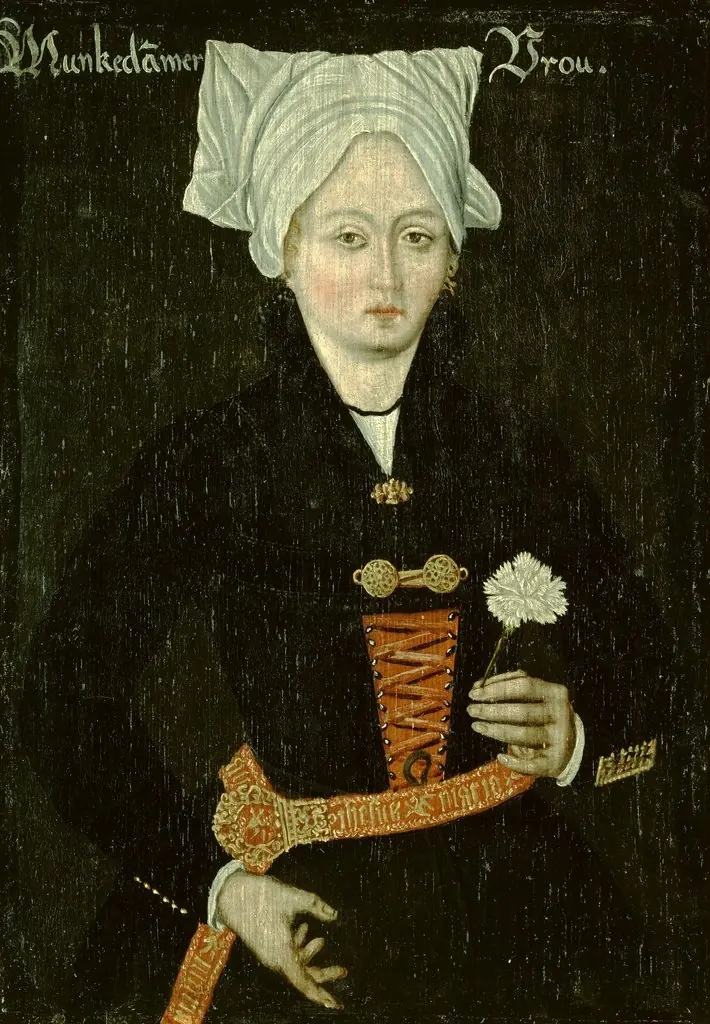
Woman from Edam is an oil painting. It dates from 1550 and is held in the collection of the Rijksmuseum.
About this work
Subject & Meaning
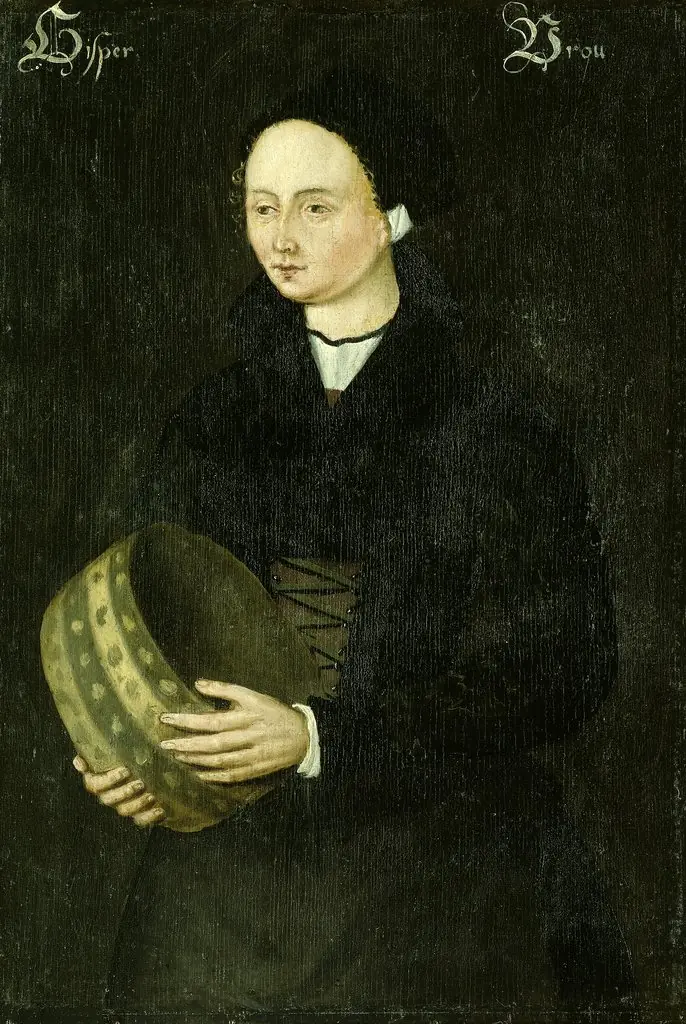
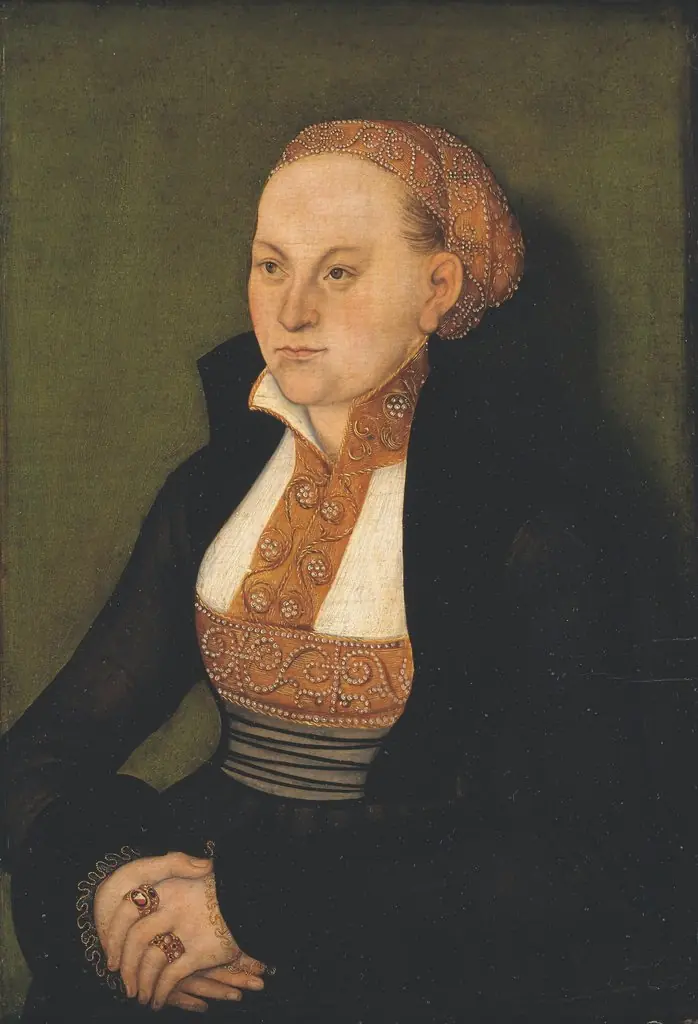
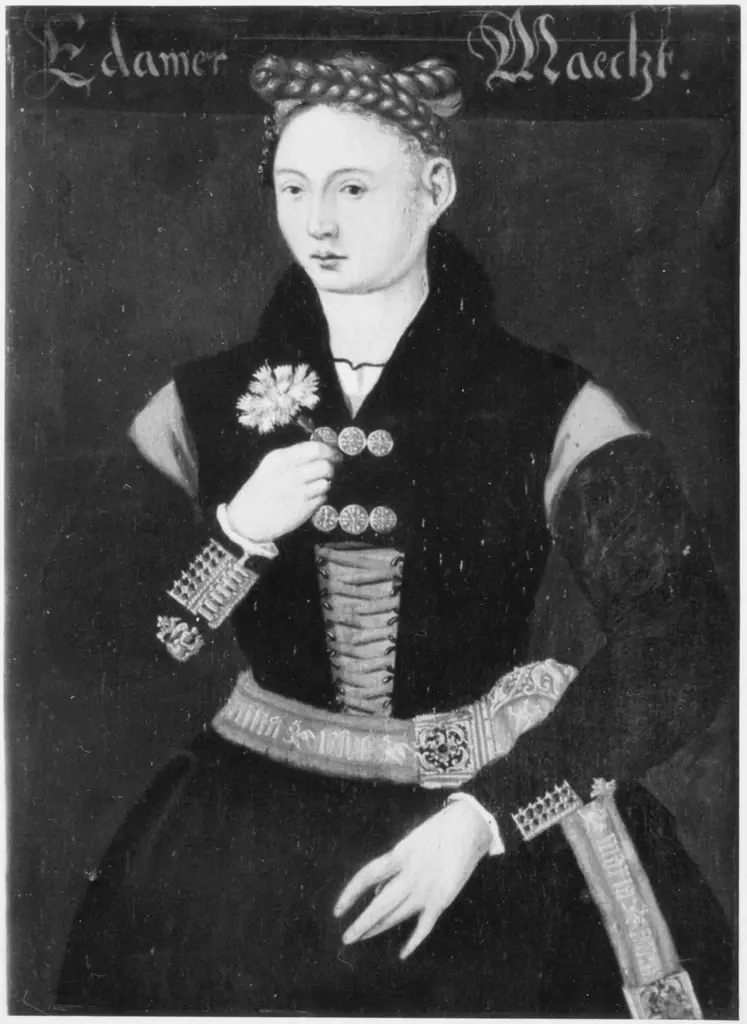
Her modest clothing and accessories reflect contemporary Dutch fashion of the period, emphasizing social status and cultural identity rather than individuality.
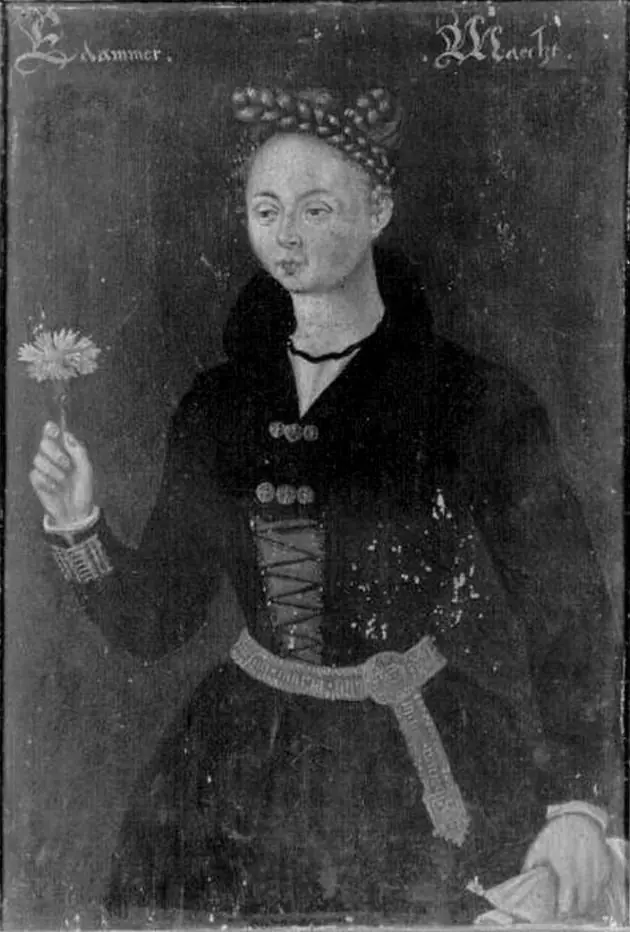
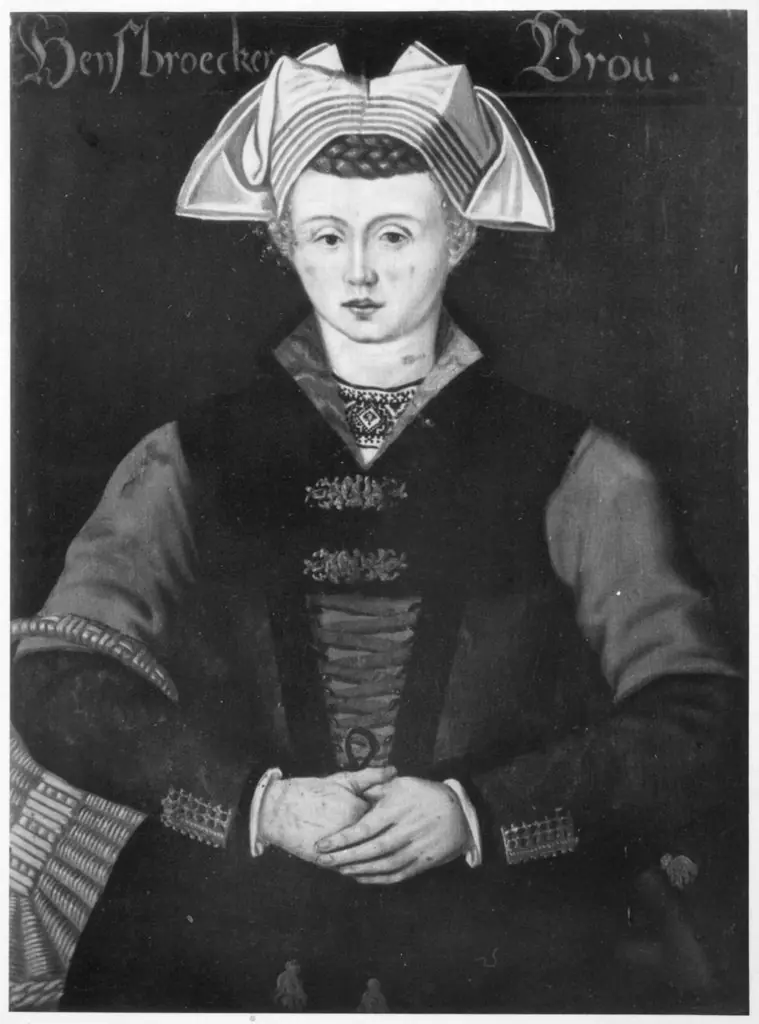
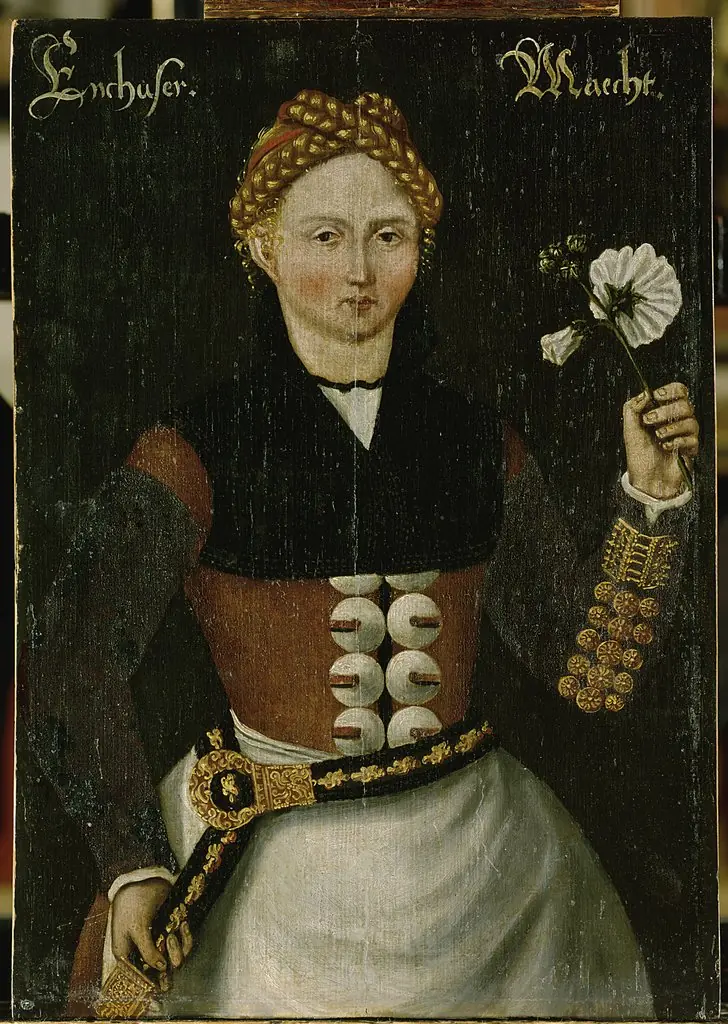
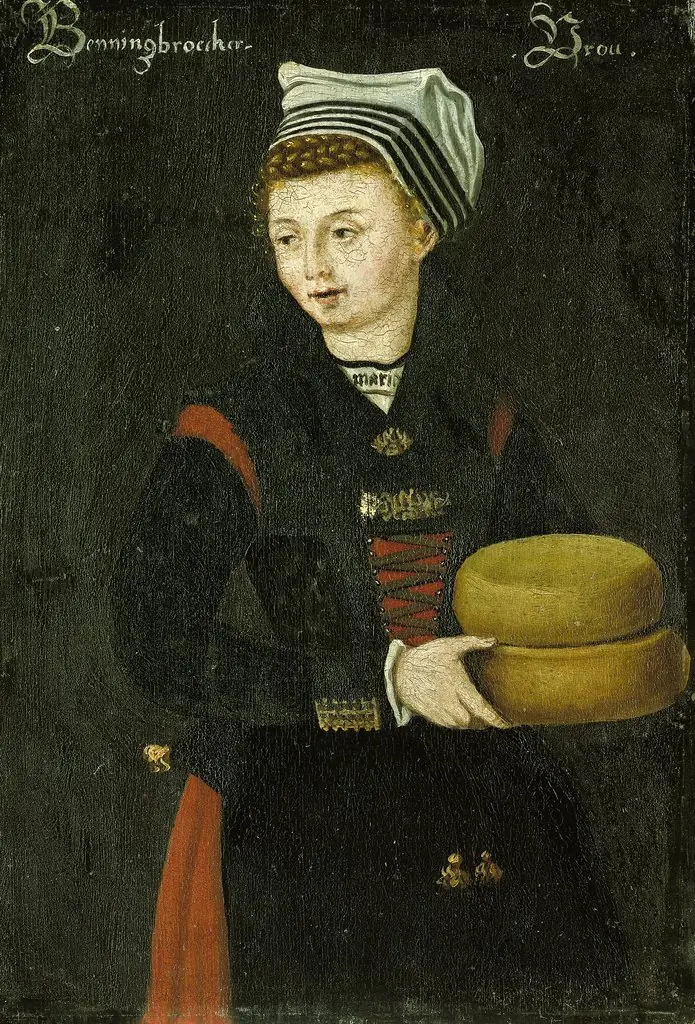
The painting depicts a woman dressed in traditional Dutch attire from the mid-16th century, identifiable by her dark, high-necked garment and white headdress. Her modest clothing and accessories reflect contemporary Dutch fashion of the period, emphasizing social status and cultural identity rather than individuality. The work likely served as a portrait of regional identity, capturing the sartorial conventions of women from Edam or the broader Netherlands during the Renaissance.
Technique & Style
Created in 1550, Woman from Edam is an anonymous oil-on-panel portrait measuring 42 cm in height and 29 cm in width. The work depicts a woman wearing traditional Dutch clothing, executed with oil paint applied to a wooden support. As a panel painting from the mid-16th century, it reflects the formal conventions of the genre through its straightforward composition and focus on the sitter's attire.
The piece is currently associated with the collections of the Rijksmuseum, the Hollands Kaasmuseum, and the Bavarian State Painting Collections.
History & Provenance
The painting Woman from Edam was created in 1550. Executed in oil paint on a panel measuring 42 cm by 29 cm, the work is an anonymous portrait depicting a woman in traditional Dutch clothing. The piece is currently held in the collections of the Rijksmuseum, the Hollands Kaasmuseum, and the Bavarian State Painting Collections.
No specific details regarding the original commission or the intermediate ownership chain prior to these institutional holdings are provided in the available records.
The painting Woman from Edam is associated with the collections of the Rijksmuseum, the Hollands Kaasmuseum, and the Bavarian State Painting Collections. While these institutions are listed in connection with the work, the sources do not specify a single current holding location or provide distinct inventory and accession numbers for the piece. Furthermore, the available documentation does not record any specific exhibition history for this anonymous portrait created around 1550.
Legacy
The portrait has been recognized for its role in documenting 16th-century Dutch dress and female representation, shaping scholarly views on gendered identity in early modern art. Its inclusion in major Dutch collections at the Rijksmuseum and Hollands Kaasmuseum has reinforced its status as a representative work of anonymous portraiture from the period, cited in art historical surveys of Northern Renaissance painting.
Overview
The work is an oil painting titled Woman from Edam. It portrays a seated figure whose serene expression is set against a dark backdrop, allowing the details of her attire and accessories to stand out sharply.
Context
The inclusion of regional identifiers and the focus on a single, ordinary woman reflect a tradition of genre portraiture that emphasizes local identity and everyday life. The work’s compositional simplicity and use of light align it with broader 17th‑century Dutch approaches to portraiture.
Artist & collection